
Diving at Bay Jack (United States)
Beneath the surface, Bay Jack typically presents an underwater landscape characterized by features common to coastal diving environments. Divers might encounter varied terrain, potentially transitioning from sandy flats to rocky outcrops or submerged structures. The specific topography often shapes the diver's path, guiding exploration through shallower areas and towards any deeper formations. Its setting allows for different perspectives on typical US coastal underwater geography.
As evening covers Bay Jack, the local air temperature is measured at 23.5°C. The current wave height at the surface is recorded at 0.8 m. These late-day readings characterize the surface conditions for the night.
Dive Site Location & Key Facts
Dive Site Overview
Exploring Bay Jack offers a chance to experience the dynamic coastal waters of the United States, where conditions shift with the seasons. While specific site details aren't consistently reported, divers can anticipate a varied experience influenced by the prevailing weather patterns.
Surface conditions, indicated by average wave heights ranging from approximately 0.9 m (3.0 ft) to 1.4 m (4.6 ft), suggest the importance of checking daily forecasts. Diving here generally falls within recreational limits, allowing for thorough exploration of the accessible depths. Expect to adapt your dive plan based on seasonal changes in air temperature, which can vary considerably, from colder averages near 1°C (34°F) in winter to warmer highs around 25°C (77°F) during summer months.
The appeal of Bay Jack lies in its potential for discovery within a dynamic coastal setting, requiring divers to be prepared for differing environmental factors.
Conditions are Moderate
Optimal conditions expected
Current conditions near Bay Jack show 23° air, 25° sea temperature, 1.0 m waves, and 37 km/h wind. Forecast data is refreshed regularly to ensure accuracy.
Best Time to Dive
Planning a dive at Bay Jack involves considering the seasonal shifts that impact overall conditions. The most favorable months for diving often include June and July, when air temperatures are at their warmest, averaging between 22°C (72°F) and 25°C (77°F). During these summer months, wave heights are typically at their lowest, around 0.9 m (3.0 ft), potentially offering calmer surface entries. While rainfall is generally modest year-round, averaging 2-4 mm monthly, it remains lowest during August and November. February, October, and November also present good diving scores, with air temperatures ranging from 2°C (36°F) to 16°C (61°F). However, water temperatures for Bay Jack are not consistently reported, so divers should be prepared for potential variability throughout the year and plan appropriate thermal protection.
PEAK SEASON SCORE
Scores combine air & water temps, waves, wind & rainfall for overall conditions.
BEST MONTHS TO DIVE
Monthly records compiled from satellite and marine observation nodes over the last 3 years. Data provided by Open-Meteo and MET Norway.
Dive Experience & Conditions
Upon entering the water at Bay Jack, divers will immediately feel the influence of current surface conditions, which are primarily dictated by wave height. Average wave heights can range from a calmer 0.9 m (3.0 ft) in summer to higher averages of 1.4 m (4.6 ft) in early fall, impacting boat entry and exit ease. Visibility, while not consistently reported, can vary widely based on recent weather, local currents, and suspended particulate matter. Divers should be prepared for potential fluctuations. Currents at Bay Jack also depend on tides and offshore conditions, making local knowledge valuable. The site's depths generally fall within common recreational diving limits, suitable for various certification levels, though specific depth profiles might only become clear with on-site briefings.
Dive Difficulty & Safety Guidelines
Approaching any dive at Bay Jack requires careful consideration of prevailing conditions and adherence to established safety protocols. While specific hazards are not consistently reported, divers should anticipate conditions typical of coastal environments, such as variable surface chop influenced by average wave heights of up to 1.4 m (4.6 ft). It's crucial to obtain a thorough pre-dive briefing from local operators, focusing on current visibility, potential currents, and any temporary environmental changes.
Always dive within your certification limits and with a reliable buddy. Proper dive planning, including monitoring weather forecasts and being adequately equipped for the air temperatures, which can drop to 1°C (34°F) in winter, will help mitigate potential challenges.
Recommended Equipment
- Dive Computer
This gear list is based on verified equipment signals for Bay Jack, United States. Always confirm final gear choices with your dive operator, guide, or liveaboard.
Recommended Dive Suit
Divers planning deeper dives may feel cooler than those staying in shallower areas.
Many divers find that 3mm wetsuit offers a comfortable balance between warmth and mobility. Consider warmer surface protection (like a boat coat) due to brisk winds. Conditions in the coming days are expected to stay within a similar temperature range.
Divers heading to Bay Jack today should expect water temperatures around 25°C (76°F). Surface air temperatures are resting at 23°C (74°F).
Emergency & Medical Support
Essential information to help you plan your dive trip to Bay Jack.

Hyperbaric chambers are a critical part of dive safety infrastructure. Availability varies significantly by region, and not all dive areas have immediate access.
Before diving, it's recommended to:
- confirm nearest medical facilities
- check emergency procedures with local dive operators
- ensure dive insurance covers evacuation if required
Divers Alert Network
Diving emergency assistance available through DAN World.
+1-919-684-9111- 24/7 emergency hotline
- Diving medical assistance
- Evacuation coordination
Emergency contacts are provided for reference. Always verify local emergency services before diving.
Marine Life at Bay Jack
What one first notices at Bay Jack often includes the smaller, more resilient inhabitants accustomed to coastal environments. Divers might observe various reef fish species navigating through any available shelter.
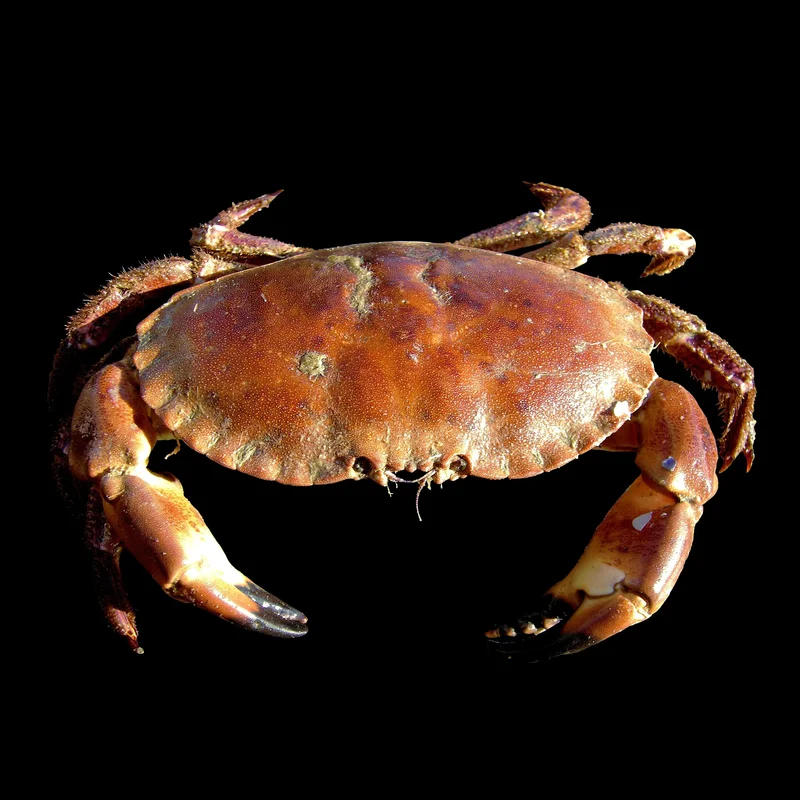
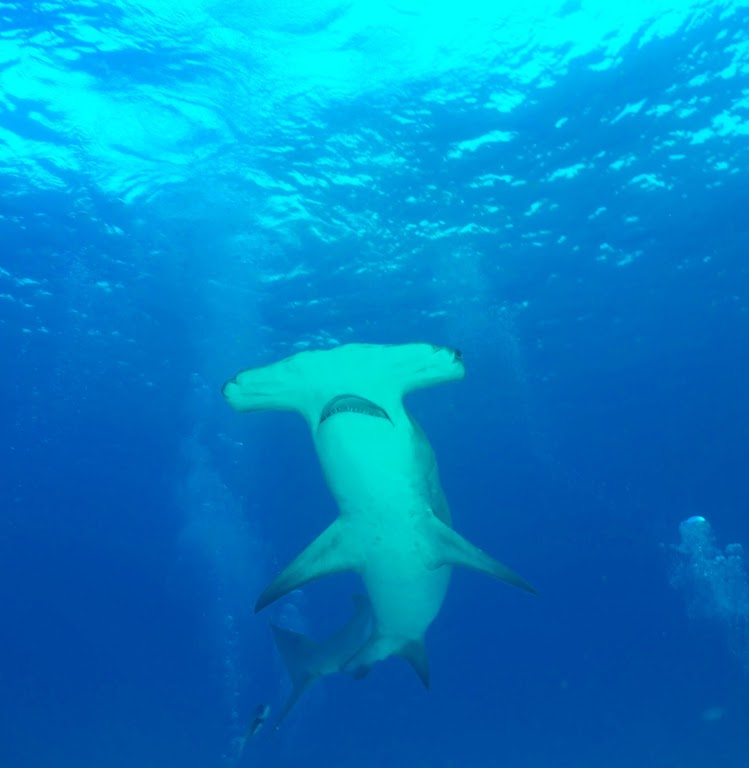
Invertebrates like crabs, sea stars, and an assortment of mollusks are common features, blending into the substrate. Depending on the season and prevailing currents, the occasional larger pelagic fish or even a passing marine mammal could be a memorable sight, adding an element of surprise to the dive. The diversity here is representative of a dynamic coastal ecosystem.

Dive Centers Near Bay Jack

Nearest Airports
Nearest airports to help plan travel to this dive area.
Search Flights
Check available flights and routes on Expedia, using the nearby airports listed in this section.
Search Flights on Expedia
Plan Your Stay
Looking for a place to stay for your dive trip? Explore hotels, stays, and vacation rentals for dive groups near Ocean City.
Dive Navigator may earn a commission from these links at no extra cost to you.
Frequently Asked Questions
What are the typical diving depths at Bay Jack?
Diving at Bay Jack generally occurs within recreational diving depths. Specific maximum depths depend on the particular dive site features and local regulations, which can vary.
What water temperatures can I expect at Bay Jack?
Water temperatures for Bay Jack are not consistently reported in available data. Divers should prepare for seasonal variations and consult local dive operators for the most current conditions and appropriate thermal protection.
When is the best time of year to dive at Bay Jack?
The months of June and July typically offer the warmest air temperatures and lowest average wave heights, providing generally good diving conditions. February, October, and November also show good dive scores, though with cooler air temperatures.
What kind of marine life might I encounter?
Divers might observe a range of coastal marine life, including various reef fish, invertebrates like crabs and sea stars, and potentially larger species that pass through the area. The exact species depend on the specific site and season.
Are there any strong currents at Bay Jack?
Currents at Bay Jack can be variable, influenced by tides and broader ocean conditions. It's advisable to check with local dive operators for current-specific information before entering the water.
What is the typical visibility like?
Visibility at Bay Jack is not consistently reported but can fluctuate. Factors like recent weather, water movement, and organic matter can all affect how clear the water is on any given day.
Is Bay Jack suitable for beginner divers?
Suitability for beginners depends on the specific conditions on the day of the dive and the particular section of Bay Jack being explored. Local operators can provide guidance based on current conditions and individual diver experience.
Planning to dive Bay Jack?
Send one inquiry and receive offers directly from the best verified local dive operators.
Conditions are Moderate
Optimal conditions expected
Current conditions near Bay Jack show 23° air, 25° sea temperature, 1.0 m waves, and 37 km/h wind. Forecast data is refreshed regularly to ensure accuracy.