What Divers Should Know About Crab

Learn all about the Crab, including dynamic specs, encounter highlights, habitats, and the best dive sites to find them.
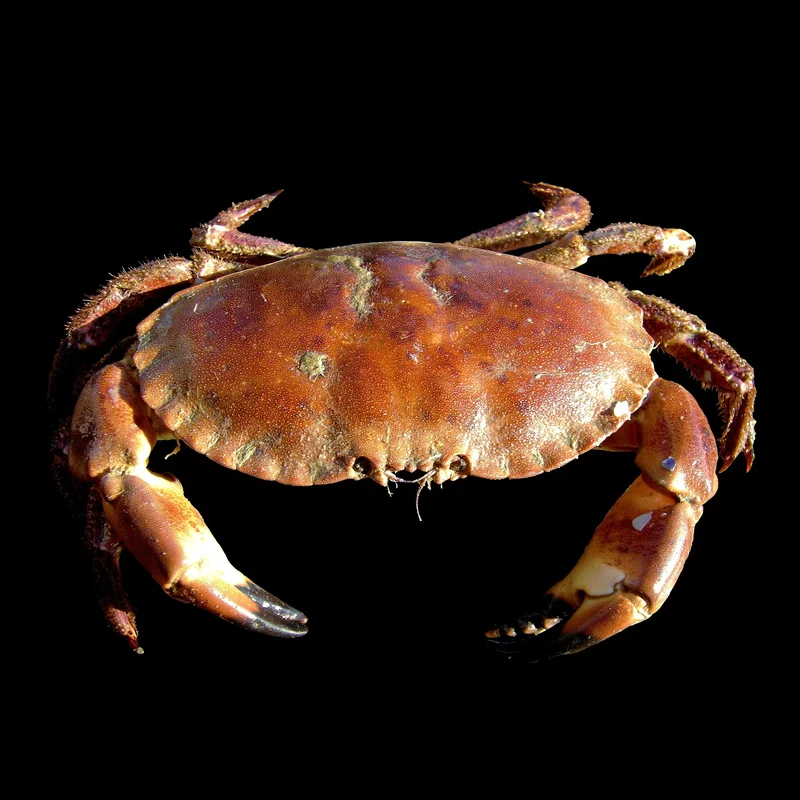
Marine crab (Brachyura) with strong claws crawling across a rocky underwater reef
Scientific Name

Brachyura

Size

1–40 cm

Depth

0–500 m

Habitat

coral reef, rocky reef, sand, mangrove

Conservation

Varies by species

Danger Level

Caution

About the Crab

The armoured forms of crabs are a common and captivating sight for divers across various marine habitats. These decapod crustaceans, characterized by their robust shells and the clever trick of concealing their tail segments, have evolved into a remarkable diversity of shapes and sizes. While exploring reefs and rocky crevices, you'll often observe them scuttling sideways or expertly tucked away, a behavior that provides crucial protection from predators. From tiny pea crabs, mere millimeters wide, to the colossal Japanese spider crab with a leg span stretching up to four meters, their range is truly astonishing.

Among the many varieties, divers might spot small, flattened porcelain crabs clinging to the underside of rocks, often camouflaged and quick to retreat. Look closely, and you might also find hermit crabs, not equipped with a full carapace of their own, instead repurposing empty gastropod shells as mobile homes. These resourceful creatures provide a constant reminder of the ocean's intricate adaptations. While many marine crabs are free-living omnivores, foraging on detritus, algae, and small invertebrates, their feeding strategies and preferences vary widely depending on the species and environment.

Further Reading

Did You Know?

Why Evolution Keeps Reinventing the Sideways-Scuttling Body Plan

β€œTrue crabs of the infraorder Brachyura achieved such biomechanical perfection by tucking a short, flattened tail tightly beneath a broad armored carapace that evolution has independently copied the crab blueprint at least five separate times among related crustaceansβ€”a phenomenon biologists dub carcinization. Folding away a vulnerable muscular abdomen shifts the animal's center of gravity squarely between eight jointed walking legs, enabling instantaneous sideways sprints into narrow coral cracks where forward-swimming predators cannot turn. Across more than seven thousand species spanning abyssal hydrothermal vents, tropical coral branches, and mangrove canopies, brachyuran crabs wield specialized front chelipeds as nutcrackers, algae scrapers, or anemone-waving boxing gloves. To grow, each crab must periodically back out of its old skeleton and pump seawater to expand soft new armor.”

Where You Can See Crab

This map highlights the main regions where divers may encounter Crab or where the species is commonly associated with suitable marine habitats. Actual sightings depend on local dive sites, season, visibility, depth, and natural behaviour.
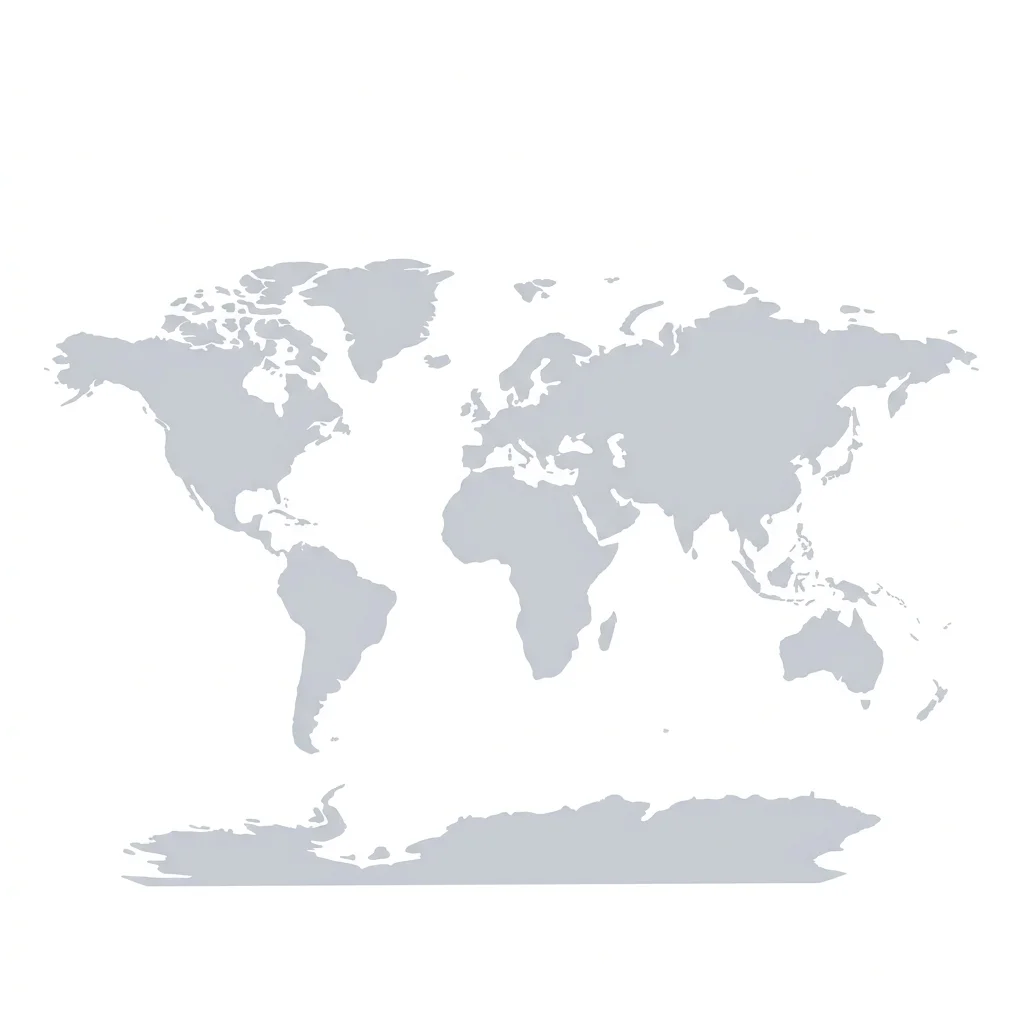
World distribution map showing regions where divers can see Crab: Caribbean, East Pacific, Atlantic, Indian Ocean, Asia Pacific, Mediterranean
Caribbean
East Pacific
Atlantic
Indian Ocean
Asia Pacific
Mediterranean

Dive Sites with Crab

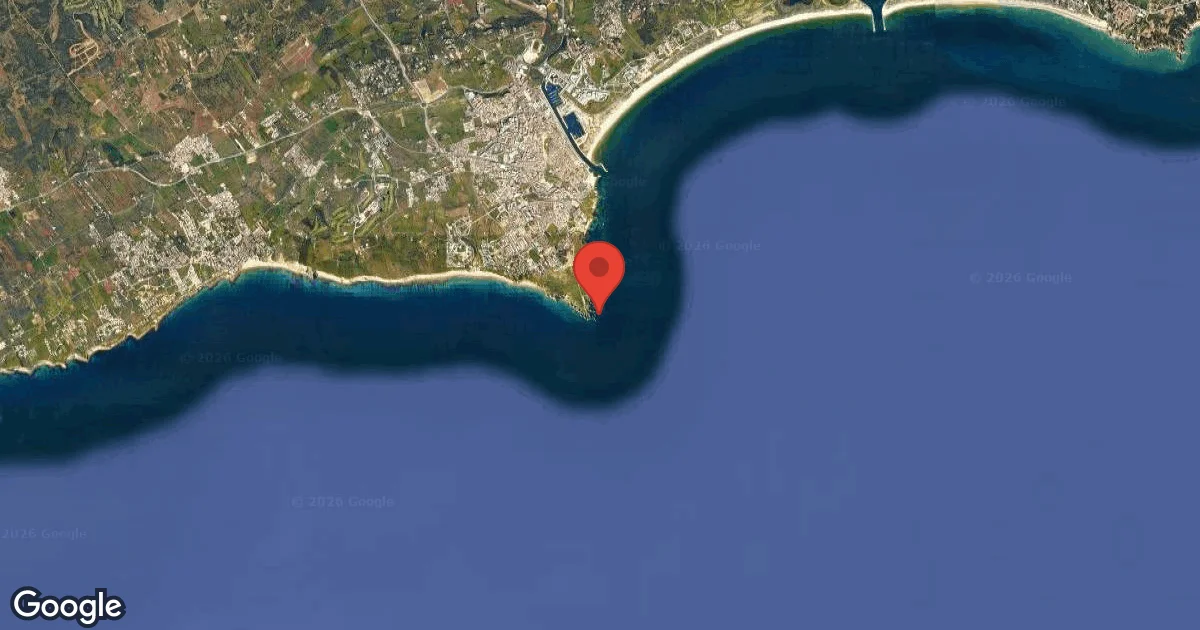
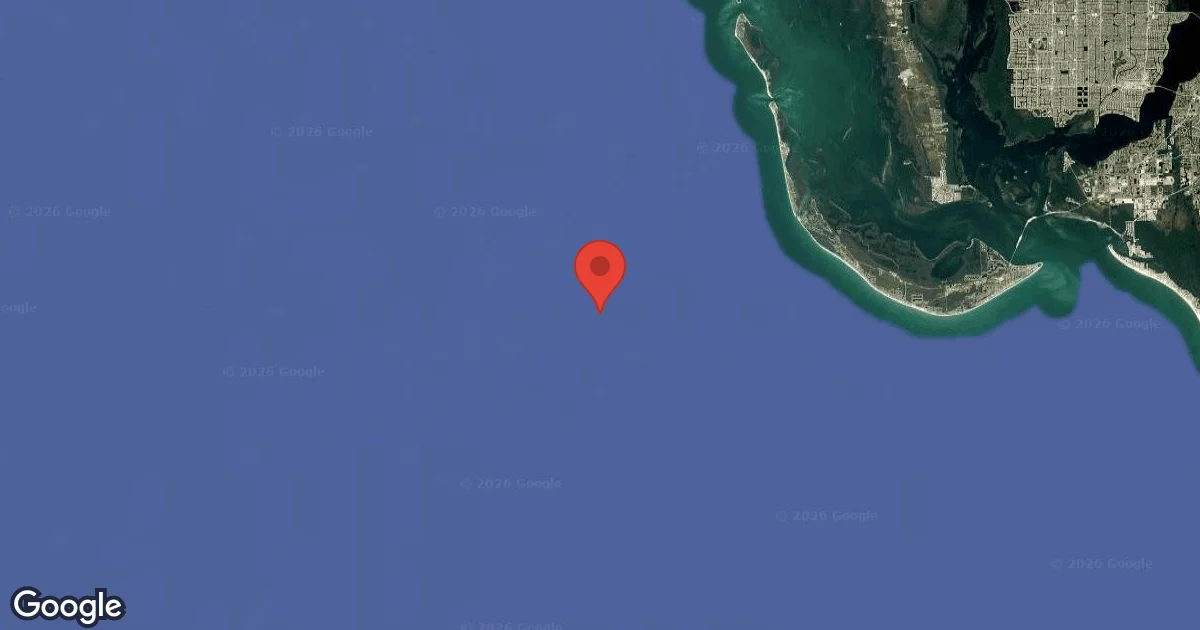
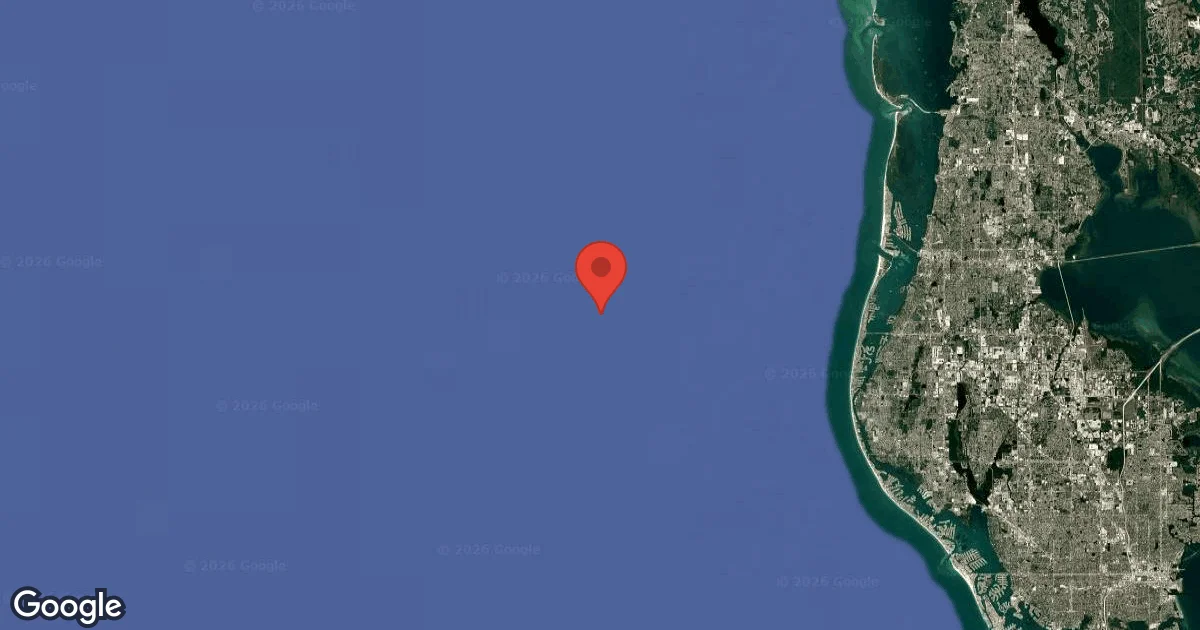
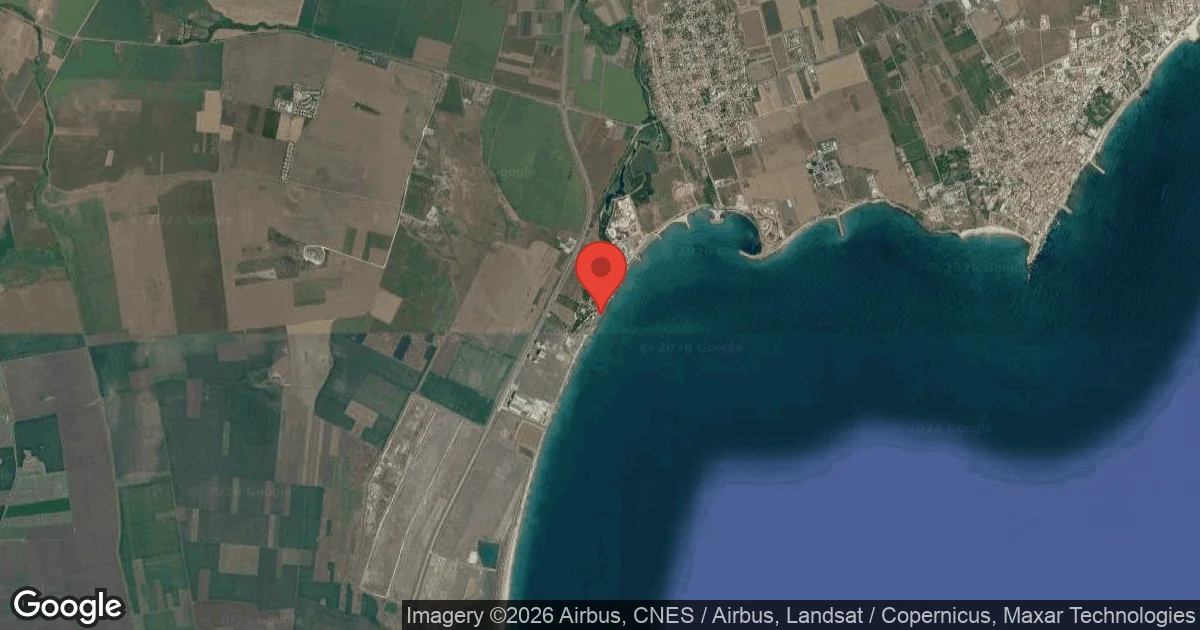
Discover 12 of 628 breathtaking locations where you can encounter this species.
Related Marine Life

Explore other incredible species you can encounter on your diving adventures.