
Diving at Beach Access #2 Nearshore Reef (North C) (United States)
Approaching Beach Access #2 Nearshore Reef (North C) challenges divers to consider the dynamic interplay between natural coastal processes and human-placed structures. These artificial reefs transform predominantly featureless sand bottoms into vibrant ecosystems, yet conditions can shift rapidly here. Successfully navigating these nearshore environments requires preparedness and an understanding of how tides, currents, and proximity to shore influence the dive experience. It's an opportunity to explore a manufactured habitat where life thrives.
As evening covers Beach Access #2 Nearshore Reef (North C), the local air temperature is measured at 24.5°C. The current wave height at the surface is recorded at 0.4 m. These late-day readings characterize the surface conditions for the night.
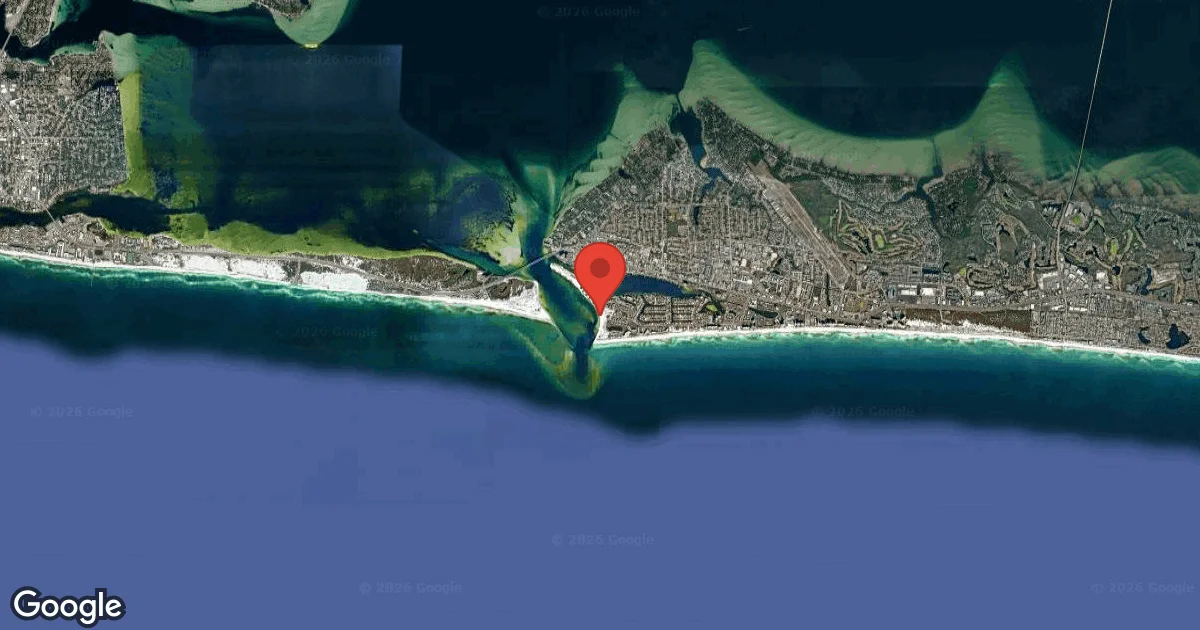
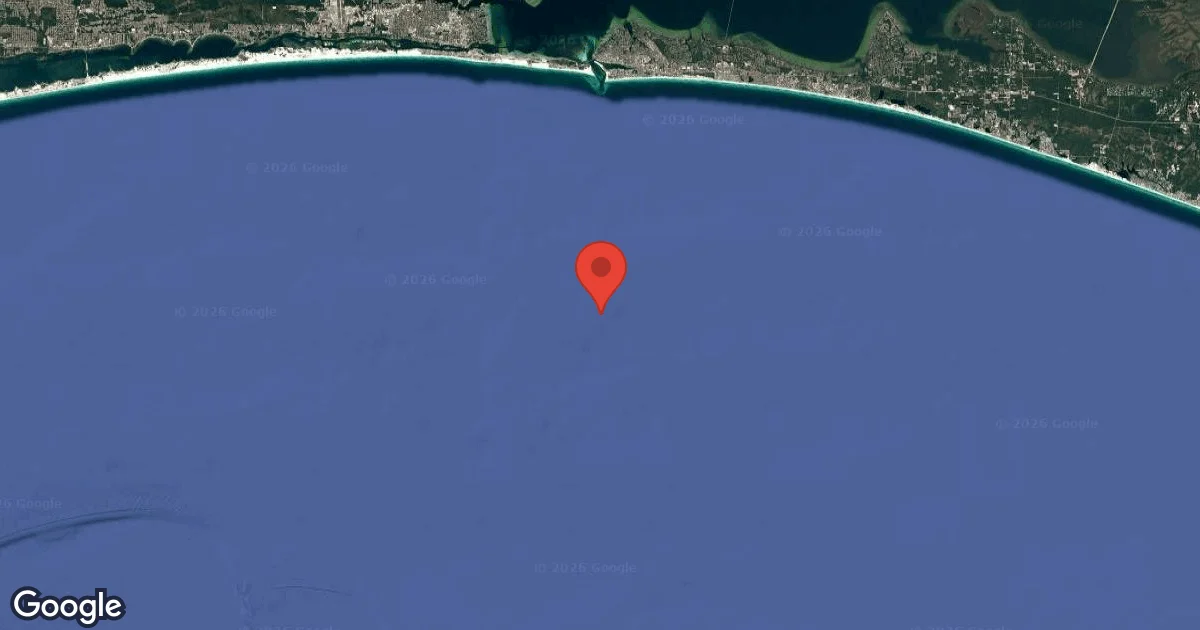
Dive Site Location & Key Facts
Dive Site Overview
Beach Access #2 Nearshore Reef represents a deliberate ecological intervention, transforming what would otherwise be a featureless sandy seabed into a complex, thriving underwater habitat. This particular site contributes to North Carolina's extensive Artificial Reef Program, an initiative that strategically deploys various materials to enhance marine biodiversity.
Divers exploring here will encounter structures ranging from robust recycled concrete and prefabricated reef units to occasionally components from decommissioned vessels. These strategically placed materials aren't just objects; they serve as critical foundational elements, providing essential food sources and refuge for a diverse array of marine organisms. The resulting biological communities foster vibrant ecosystems, drawing in both resident species and transient visitors.
While the state manages over 70 artificial reefs, many nearshore locations like this one are specifically designed for recreational depth ranges. Its accessibility makes it a valuable asset for local divers seeking engaging underwater exploration without extended travel times.
These man-made structures quickly become integrated into the natural environment, offering a unique opportunity to observe ecological succession and the resilience of marine life. Visiting this reef provides insights into the effectiveness of conservation efforts aimed at augmenting natural habitats, making history and underwater exploration attainable for many certified divers.
Its dynamic environment rewards those who understand how these human-placed structures interact with natural coastal processes.
Conditions are Excellent
07:00 - 14:00
Optimal conditions expected
Current conditions near Beach Access #2 Nearshore Reef (North C) show 24° air, 30° sea temperature, 0.4 m waves, and 18 km/h wind. Forecast data is refreshed regularly to ensure accuracy.
Best Time to Dive
Optimizing a dive at Beach Access #2 Nearshore Reef often involves considering seasonal variations, as conditions here can fluctuate. June through October generally offer the most favorable diving conditions, with water temperatures typically ranging from 21-27°C (70-80°F) and visibility often exceeding 9 meters (30 ft). During these warmer months, average air temperatures range from 27°C (81°F) in June to 28.5°C (83°F) in August. Conversely, winter months, like January, present cooler average air temperatures of 10°C (50°F), coupled with higher average wave heights near 0.9 meters (3.0 ft) and stronger winds, which can significantly impact surface conditions and underwater visibility. Rainfall is generally moderate year-round, but wind and wave activity are key determinants for comfort and dive quality, especially during colder periods.
PEAK SEASON SCORE
Scores combine air & water temps, waves, wind & rainfall for overall conditions.
BEST MONTHS TO DIVE
Monthly records compiled from satellite and marine observation nodes over the last 3 years. Data provided by Open-Meteo and MET Norway.
Dive Experience & Conditions
Entering the water at Beach Access #2 Nearshore Reef introduces divers to an environment where visibility and conditions are highly dependent on external factors. While offshore reefs can average depths less than 18 meters (60 ft), this nearshore site may present shallower sections. Visibility is not consistently reported, but tends to improve further from shore and during periods of calm weather and favorable tidal stages. Expect currents to vary; they can influence dive planning, particularly regarding entry and exit points. Divers should be aware that conditions, including water depth, tidal stage, and weather, can cause significant shifts in the underwater experience, requiring continuous assessment throughout the dive.
Dive Difficulty & Safety Guidelines
Diving Beach Access #2 Nearshore Reef demands adherence to established safety practices and guidelines to ensure a secure and respectful experience. Always possess appropriate SCUBA certifications for the planned dive profile. Be mindful of fishing activities, as these artificial reefs are also popular angling spots.
It's crucial to observe all state and federal fishing regulations and to never tamper with commercial fishing gear. Practicing good environmental etiquette is paramount; never litter or dispose of trash overboard.
These guidelines protect both divers and the delicate marine ecosystem that these artificial structures support.
Recommended Equipment
- Dive Computer
This gear list is based on verified equipment signals for Beach Access #2 Nearshore Reef (North C), United States. Always confirm final gear choices with your dive operator, guide, or liveaboard.
Recommended Dive Suit
Repeated dives during the same day can gradually reduce overall body warmth.
Divers exploring Beach Access #2 Nearshore Reef (North C) today will likely encounter water temperatures close to 30°C (87°F). Surface air temperatures are resting at 24°C (76°F). Divers spending extended time underwater often rely on dive skin or rash guard for balanced warmth and flexibility.
The upcoming forecast points to generally steady conditions in the area.
Emergency & Medical Support
Essential information to help you plan your dive trip to Beach Access #2 Nearshore Reef (North C).

Hyperbaric chambers are a critical part of dive safety infrastructure. Availability varies significantly by region, and not all dive areas have immediate access.
Before diving, it's recommended to:
- confirm nearest medical facilities
- check emergency procedures with local dive operators
- ensure dive insurance covers evacuation if required
Divers Alert Network
Diving emergency assistance available through DAN World.
+1-919-684-9111- 24/7 emergency hotline
- Diving medical assistance
- Evacuation coordination
Emergency contacts are provided for reference. Always verify local emergency services before diving.
Marine Life at Beach Access #2 Nearshore Reef (North C)
What you first notice is how quickly marine life colonizes these artificial structures. These sites serve as crucial habitats for various fish communities, creating a vibrant contrast to the surrounding sandy bottom.
The artificial materials provide both food and shelter for smaller baitfish, which in turn attract larger predatory species. While specific species presence varies by location and time of year, artificial reefs are recognized as essential spawning and foraging grounds for many important finfish.
Dive Sites Near Beach Access #2 Nearshore Reef (North C)
View all dive sites in United StatesDiscover more underwater gems in this area.
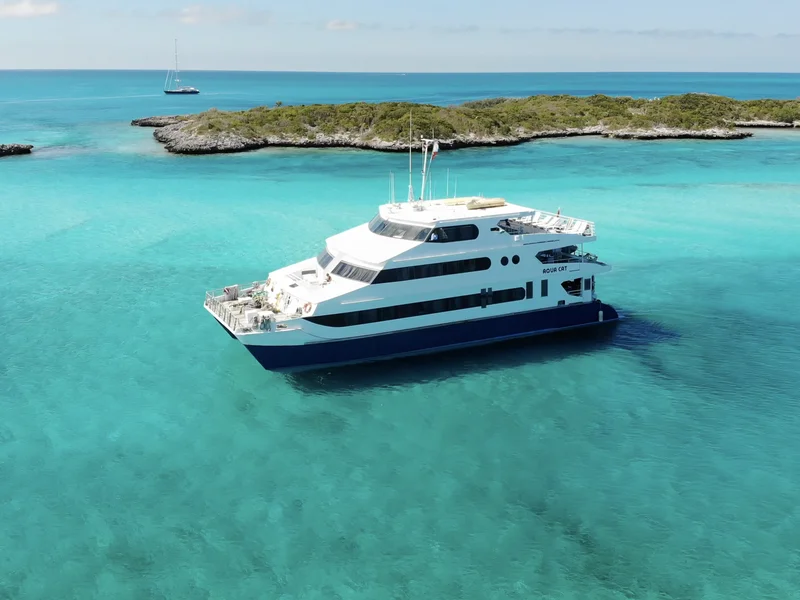
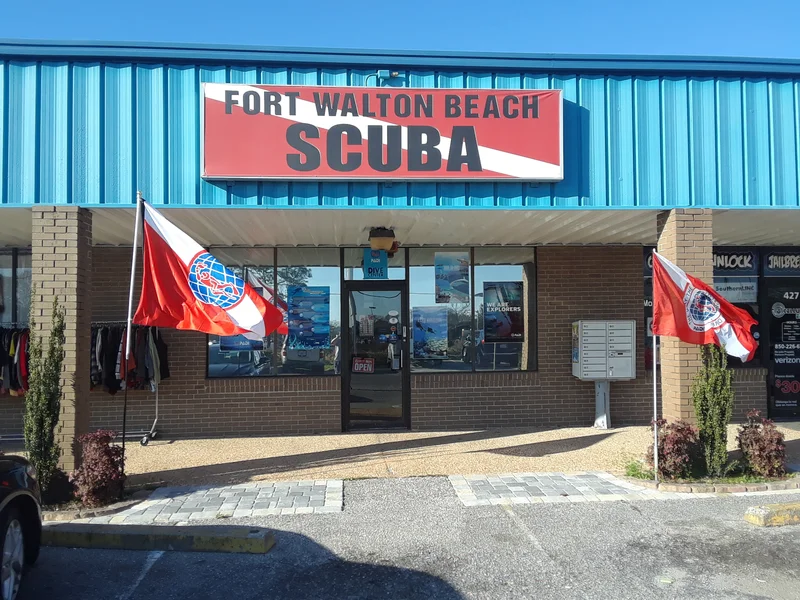
Dive Centers Near Beach Access #2 Nearshore Reef (North C)
Today: 08:00 - 17:00
Nearest Airports
Nearest airports to help plan travel to this dive area.
Search Flights
Check available flights and routes on Expedia, using the nearby airports listed in this section.
Search Flights on Expedia
Plan Your Stay
Looking for a place to stay for your dive trip? Explore hotels, stays, and vacation rentals for dive groups near Fort Walton Beach.
Dive Navigator may earn a commission from these links at no extra cost to you.
Frequently Asked Questions
What is the typical depth range for Beach Access #2 Nearshore Reef (North C)?
This nearshore reef is typically found within recreational diving depths, often less than 18 meters (60 feet). Exact depths can vary depending on the specific structure and the surrounding seafloor profile at this beach access point.
What kind of structures can I expect to see on this artificial reef?
North Carolina's artificial reef system utilizes diverse materials. You might encounter structures made from recycled concrete, prefabricated reef units like reef balls, or even sections from decommissioned vessels. These materials create complex habitats for marine life.
How does visibility typically fare at this site?
Visibility at nearshore artificial reefs like this one varies considerably. Factors such as currents, recent weather, distance from shore, and tidal stage all play a role. Conditions are generally more favorable and clearer between June and October.
Are there strong currents at Beach Access #2 Nearshore Reef (North C)?
Currents can be present and may vary in strength depending on tidal cycles and weather conditions. Divers should assess the current conditions before and during their dive, and consider carrying a surface marker buoy for safety.
What marine life can be seen at this artificial reef?
These artificial structures quickly become colonized by a variety of marine organisms. You can expect to see various fish communities, from smaller baitfish sheltering within the structures to larger predatory fish attracted to the abundant food source. Species presence can vary seasonally.
Is spearfishing allowed on North Carolina's artificial reefs?
While spearfishing is a recreational activity on some artificial reefs, it's essential to observe all state and federal fishing regulations. Always check current regulations before engaging in any harvesting activity and respect any specific site restrictions.
Is this site suitable for beginner divers?
Many artificial reefs with average depths of less than 18 meters (60 ft) are suitable for divers with basic SCUBA certification. However, varying currents and visibility conditions mean that divers should always consider their experience level and comfort before diving here.
Planning to dive Beach Access #2 Nearshore Reef (North C)?
Send one inquiry and receive offers directly from the best verified local dive operators.
Conditions are Excellent
07:00 - 14:00
Optimal conditions expected
Current conditions near Beach Access #2 Nearshore Reef (North C) show 24° air, 30° sea temperature, 0.4 m waves, and 18 km/h wind. Forecast data is refreshed regularly to ensure accuracy.