
Diving at Bendickson Reef (United States)
Bendickson Reef immediately draws attention with its unusual foundation, a captivating underwater landscape built upon military hardware. These Vietnam-era M-60 tanks, resting in 10-12 m (34-38 ft) of water, create an artificial reef structure divers often seek out. Exploring these submerged vehicles, now hosting a burgeoning ecosystem, forms a key attraction.
As evening covers Bendickson Reef, the local air temperature is measured at 26.5°C. The current wave height at the surface is recorded at 0.6 m. These late-day readings characterize the surface conditions for the night.
Dive Site Location & Key Facts
Dive Site Overview
Bendickson Reef's history as an artificial habitat began with the strategic placement of Vietnam-era M-60 tanks, intentionally sunk to enhance marine ecosystems. Retired military equipment transformed into a thriving underwater destination through this ambitious project.
Divers approaching the site will immediately recognize the substantial tank structures, each modified with engines removed and hatches opened, creating numerous sheltered spaces. Mooring lines are conveniently attached to a permanent buoy, anchored securely to the bottom. Such a setup significantly simplifies dive operations, as boats can tie off directly, removing the necessity for private anchoring.
Streamlined planning results from this infrastructure, ensuring more predictable access to the reef. Depths typically settle around 10-12 m (34-38 ft), a comfortable recreational range suitable for most certified divers.
A shallow profile like this allows for ample bottom time and relaxed exploration. Beyond diving, the reef also attracts anglers, indicating a robust environment supporting a diverse array of aquatic life, from macro invertebrates to larger fish species that use the tanks for shelter and hunting grounds.
Conditions are Good
Optimal conditions expected
Current conditions near Bendickson Reef show 26° air, 30° sea temperature, 0.3 m waves, and 28 km/h wind. Forecast data is refreshed regularly to ensure accuracy.
Best Time to Dive
Diving conditions at Bendickson Reef are generally favorable throughout much of the year, although specific months often offer better overall experiences. July stands out with the calmest average wave heights at around 0.5 m (1.6 ft), despite seeing slightly higher rainfall at 4.14 mm. Throughout winter and spring, from November through May, monthly dive scores consistently rate 'Good,' with winds typically ranging from 26-31 km/h. Air temperatures vary considerably, from January's cooler average of 13.5°C (56°F) to August's peak of 29°C (84°F). Water temperatures are not consistently reported in available data but are typically warmer during the summer months, aligning with air temperatures. May through July generally provides good conditions with lower wave heights, averaging 0.5-0.6 m (1.6-2.0 ft).
PEAK SEASON SCORE
Scores combine air & water temps, waves, wind & rainfall for overall conditions.
BEST MONTHS TO DIVE
Monthly records compiled from satellite and marine observation nodes over the last 3 years. Data provided by Open-Meteo and MET Norway.
Dive Experience & Conditions
Descending upon Bendickson Reef, divers quickly sense the unusual tranquility of a man-made structure reclaimed by the sea. Multiple M-60 tanks provide a unique tactile experience; their metal forms a stark contrast to the surrounding sandy seafloor. You'll find yourself navigating around and over these structures, observing how marine life has adopted them. Visibility varies, often good enough to appreciate the scale of the tanks and their inhabitants, though it depends on conditions. Currents are generally manageable, suitable for recreational divers. A moderate recreational depth range is maintained, making it accessible for extended bottom times and relaxed exploration. Expect ambient water temperatures that align with seasonal trends, typically comfortable during peak dive months. Marine growth on the tanks adds texture and color, inviting closer inspection.
Dive Difficulty & Safety Guidelines
Recreational divers exploring Bendickson Reef should maintain sound buoyancy control, especially when navigating around the artificial structures. Awareness of surroundings is key to avoiding contact with the tanks or any potential entanglement. While the site's max depth is around 12 m (38 ft), it's important to respect the marine environment and avoid disturbing the reef or its inhabitants.
Given the tanks' open hatches, divers should not attempt to penetrate these confined spaces without proper training, equipment, and a clear understanding of overhead environment protocols. Following local guidelines and diving within your certification limits ensures a safe and enjoyable experience at this unique site.
Recommended Equipment
- Dive Computer
This gear list is based on verified equipment signals for Bendickson Reef, United States. Always confirm final gear choices with your dive operator, guide, or liveaboard.
Recommended Dive Suit
Experienced divers often bring flexible gear options.
Divers exploring Bendickson Reef today will likely encounter water temperatures close to 30°C (85°F). Surface air temperatures are resting at 26°C (79°F). Divers who spend longer periods underwater often choose dive skin or rash guard. Consider warmer surface protection (like a boat coat) due to brisk winds.
Current forecasts indicate relatively stable conditions for the coming days.
Emergency & Medical Support
Essential information to help you plan your dive trip to Bendickson Reef.

Hyperbaric chambers are a critical part of dive safety infrastructure. Availability varies significantly by region, and not all dive areas have immediate access.
Before diving, it's recommended to:
- confirm nearest medical facilities
- check emergency procedures with local dive operators
- ensure dive insurance covers evacuation if required
Divers Alert Network
Diving emergency assistance available through DAN World.
+1-919-684-9111- 24/7 emergency hotline
- Diving medical assistance
- Evacuation coordination
Emergency contacts are provided for reference. Always verify local emergency services before diving.
Marine Life at Bendickson Reef
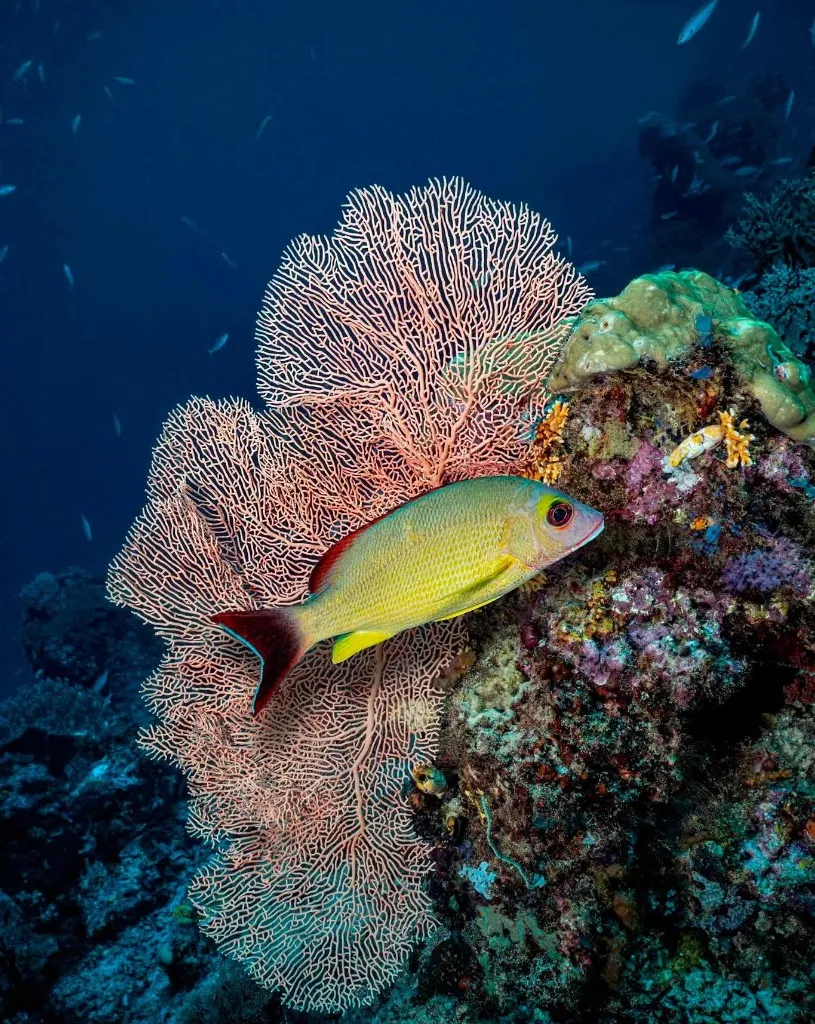
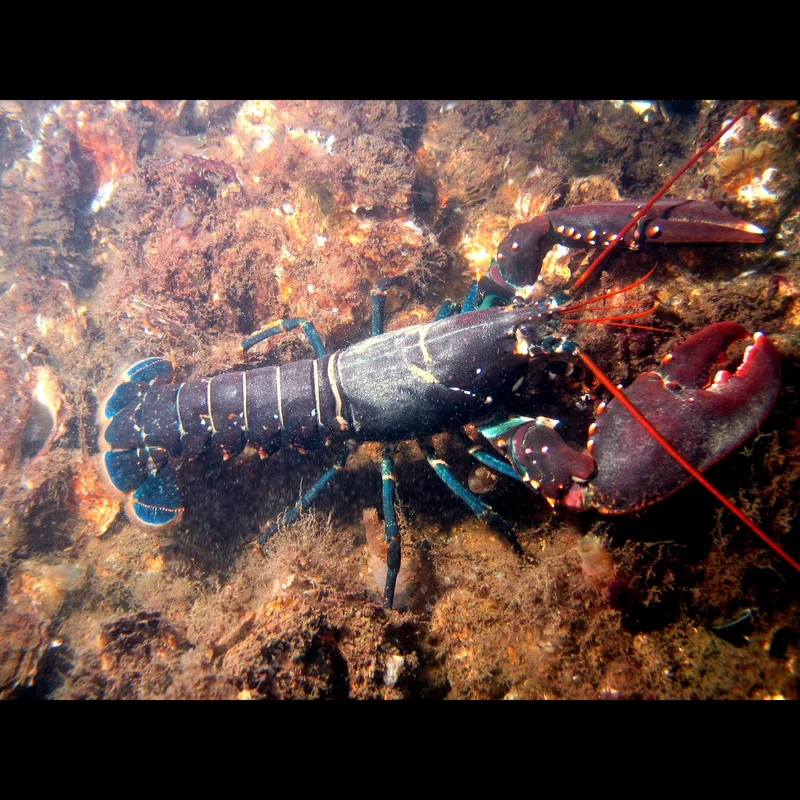
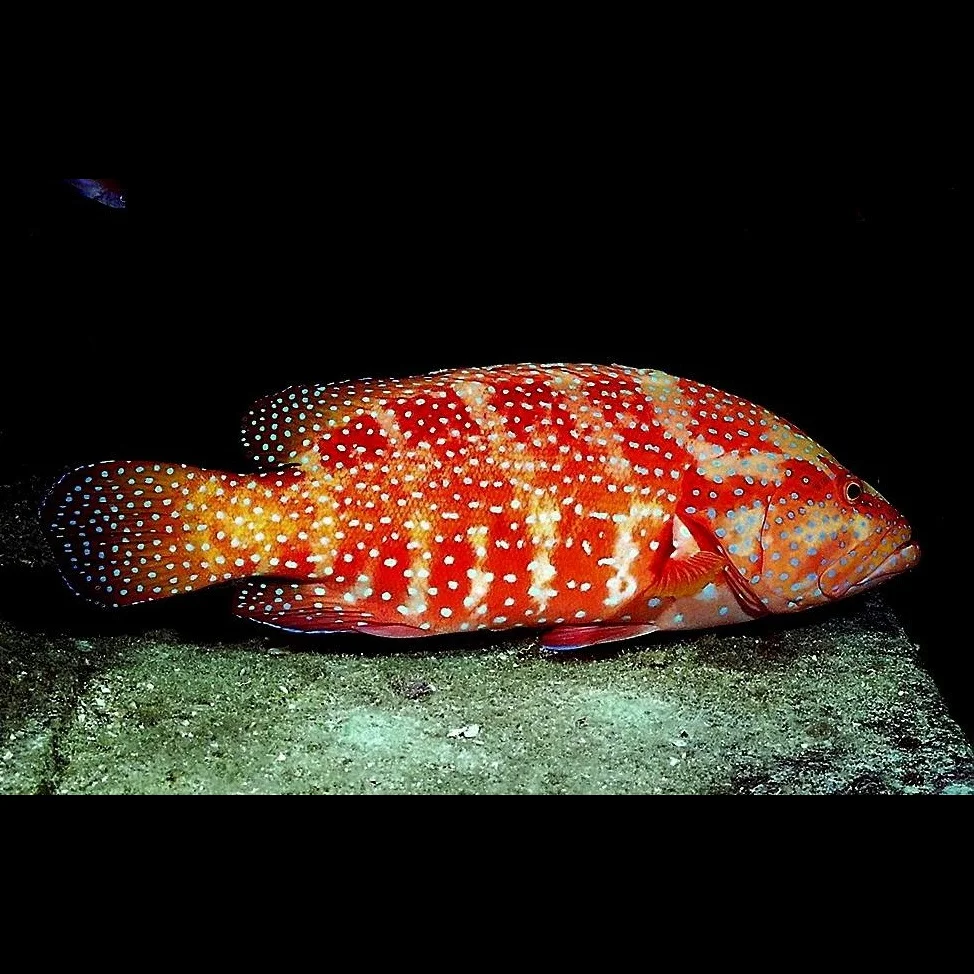
Artificial structures at Bendickson Reef immediately reveal themselves as prime habitats for various marine species. Divers frequently encounter lobster seeking shelter within the tanks, along with grouper and spadefish patrolling these structures.
Flounder are also commonly observed camouflaged on the sandy bottom nearby. Expect to see mango snapper, known for inhabiting these artificial reefs.
Tanks serve as focal points, concentrating a diverse array of fish that benefit from the added cover and substrate.

Dive Centers Near Bendickson Reef
Today: 11:00 - 19:00
Nearest Airports
Nearest airports to help plan travel to this dive area.
Search Flights
Check available flights and routes on Expedia, using the nearby airports listed in this section.
Search Flights on ExpediaFrequently Asked Questions
What is Bendickson Reef?
Bendickson Reef is an artificial reef primarily composed of several Vietnam-era M-60 tanks. These structures were intentionally sunk to create new habitats for marine life and enhance diving and fishing opportunities.
How deep is Bendickson Reef?
Bendickson Reef tanks are typically found in depths ranging from 10 to 12 m (34 to 38 ft). Such depths make the site suitable for recreational divers of various experience levels.
What kind of marine life can be seen there?
Divers often observe lobster, grouper, spadefish, flounder, and mango snapper. The artificial structures provide excellent shelter and foraging grounds for these species.
Is Bendickson Reef suitable for beginner divers?
Yes, its relatively shallow depth range, typically around 10-12 m (34-38 ft), makes it accessible for most certified recreational divers. Good buoyancy control is always recommended, especially around structures.
How do you access Bendickson Reef?
Located about 18 miles west of Hernando Beach, Florida, the reef is accessible by boat. Boats can utilize the established mooring lines attached to a buoy, which eliminates the need to drop anchor.
Are there any specific hazards to be aware of?
While generally safe, divers should be mindful of entanglement risks around the structures and maintain proper buoyancy control. Penetration into the tanks is not recommended without specialized training and equipment, as they are confined spaces.
Planning to dive Bendickson Reef?
Send one inquiry and receive offers directly from the best verified local dive operators.
Conditions are Good
Optimal conditions expected
Current conditions near Bendickson Reef show 26° air, 30° sea temperature, 0.3 m waves, and 28 km/h wind. Forecast data is refreshed regularly to ensure accuracy.