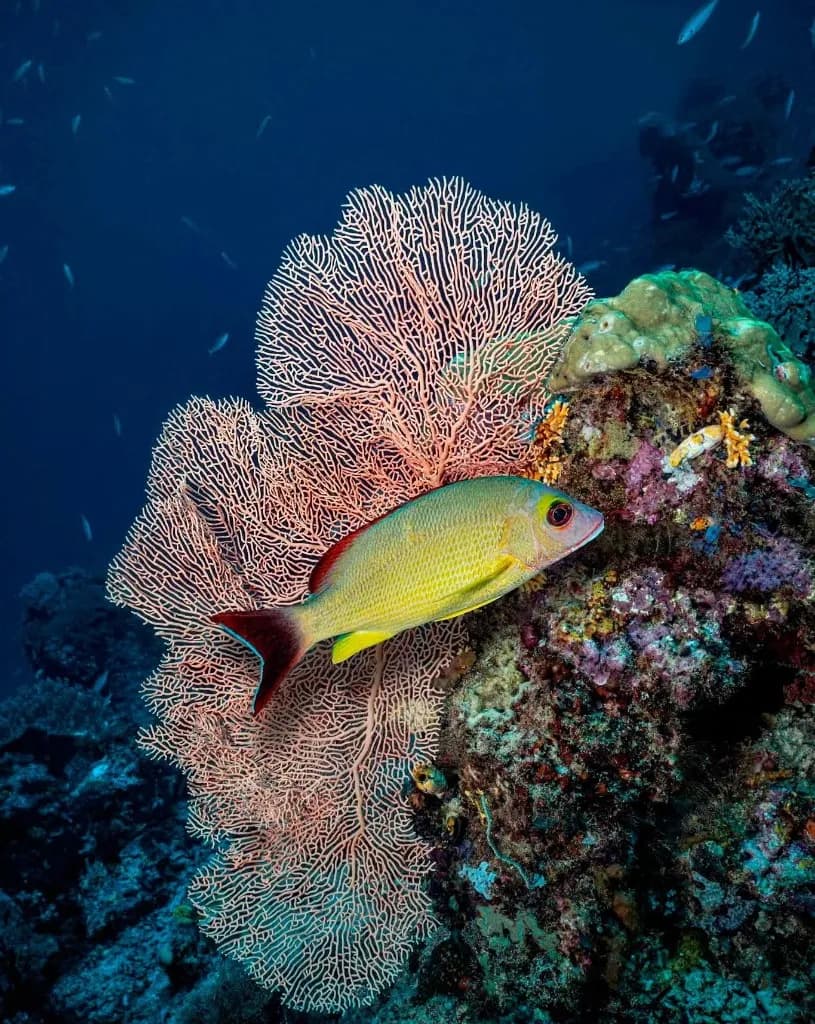
What Divers Should Know About Snapper

Learn all about the Snapper, including dynamic specs, encounter highlights, habitats, and the best dive sites to find them.
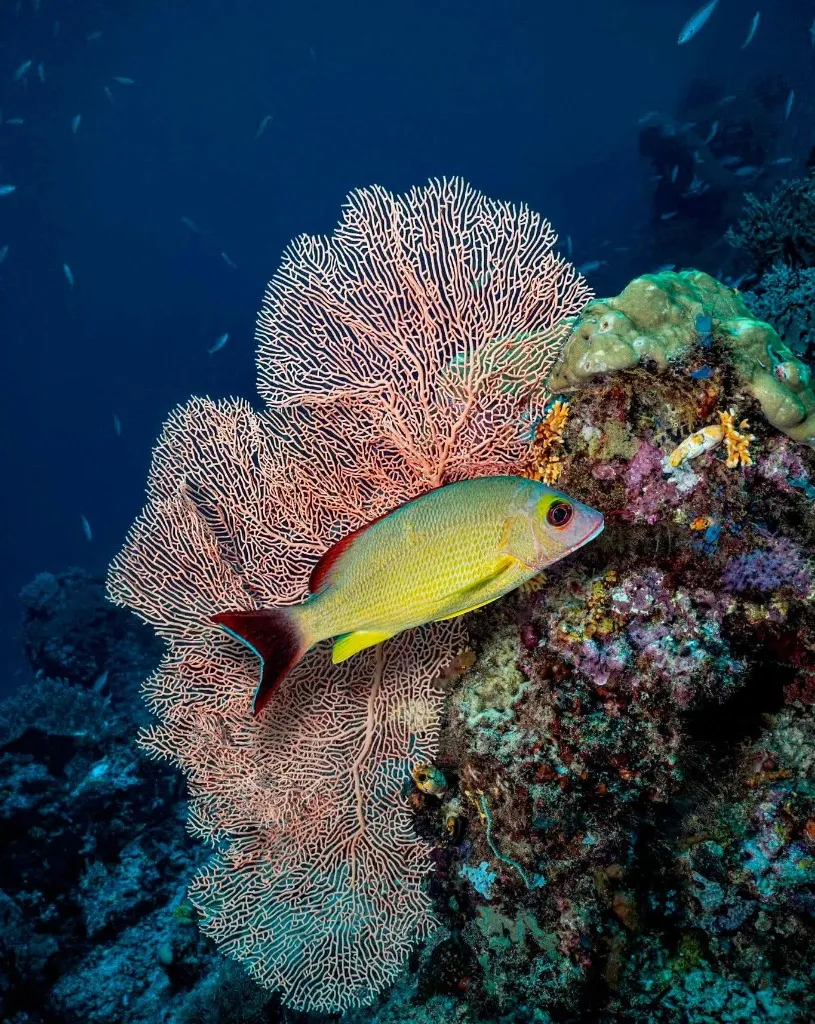
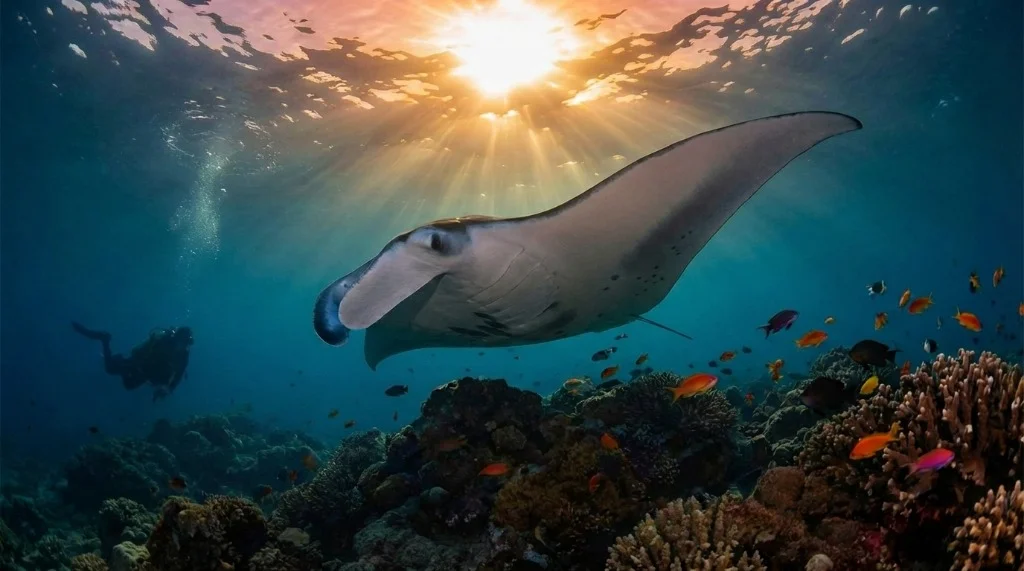
Schooling reef snapper (Lutjanidae) swimming above a tropical coral reef
Scientific Name

Lutjanidae

Size

25 cm – 1.6 m

Depth

0–500 m

Habitat

coral reef, rocky reef, mangrove, estuarine

Conservation

Varies by species

Danger Level

Harmless

About the Snapper

Snappers are medium-to-large percomorph fishes belonging to the family Lutjanidae, a diverse circumtropical group comprising roughly 113 species across tropical, subtropical, and warm-temperate oceans. They are characterized by a laterally compressed, fusiform body, a steeply sloped head profile, medium-to-large scales, a continuous spiny and soft-rayed dorsal fin, and large mouths armed with sharp conical or canine teeth that snap shut when capturing prey. While smaller reef-dwelling species such as the bluestripe and bigeye snappers typically measure 25 to 35 cm (9.8 to 13.8 in) in length, many coastal species reach 60 to 100 cm (23.6 to 39.4 in)—with the northern red snapper (Lutjanus campechanus) weighing up to 22.8 kg (50.3 lb)—and the giant cubera snapper (Lutjanus cyanopterus) growing up to 160 cm (63 in).

Although deep-water lutjanids inhabit continental slopes down to 500 m (1,640 ft), scuba divers primarily encounter reef-associated species between the surface and 100 m (328 ft) over coral reefs, rocky drop-offs, shipwrecks, and coastal mangrove estuaries, which serve as vital juvenile nurseries. By day, many snappers form dense, colorful aggregations that hang motionless in the current along reef walls or drift in mixed schools with yellowfin goatfish for mutual protection. At dusk, these daytime schools break apart as individual snappers fan out across the reef and adjacent sand flats to hunt fishes, crabs, shrimps, stomatopods, and octopuses.

Further Reading

Did You Know?

Canine-Fanged Nocturnal Raiders That Build Full-Moon Spawning Towers

“Numbering over one hundred species across tropical reefs worldwide, snappers of the family Lutjanidae advertise their carnivorous pedigree through enlarged, conical front canine fangs—which in heavyweights like the sixty-kilogram Atlantic cubera snapper (Lutjanus cyanopterus) jut visibly even when the jaws are clamped shut. Restful yellow-and-crimson ribbons draped calmly across coral ledges by day, most coastal Lutjanus species disperse across seagrass beds and rubble plains after dusk to ambush crabs, octopuses, and fishes, while streamlined midwater cousins like Aprion and Macolor pick plankton off steep outer walls. Once or twice a year on precise lunar cues—famously off Palau's Peleliu Corner and Belize's Gladden Spit—tens of thousands of snappers spiral skyward into rushing outgoing currents to release billowing spawning clouds that draw whale sharks from afar.”

Where You Can See Snapper

This map highlights the main regions where divers may encounter Snapper or where the species is commonly associated with suitable marine habitats. Actual sightings depend on local dive sites, season, visibility, depth, and natural behaviour.

World distribution map showing regions where divers can see Snapper: Caribbean, East Pacific, Atlantic, Indian Ocean, Asia Pacific, Mediterranean
Caribbean
East Pacific
Atlantic
Indian Ocean
Asia Pacific
Mediterranean

Dive Sites with Snapper

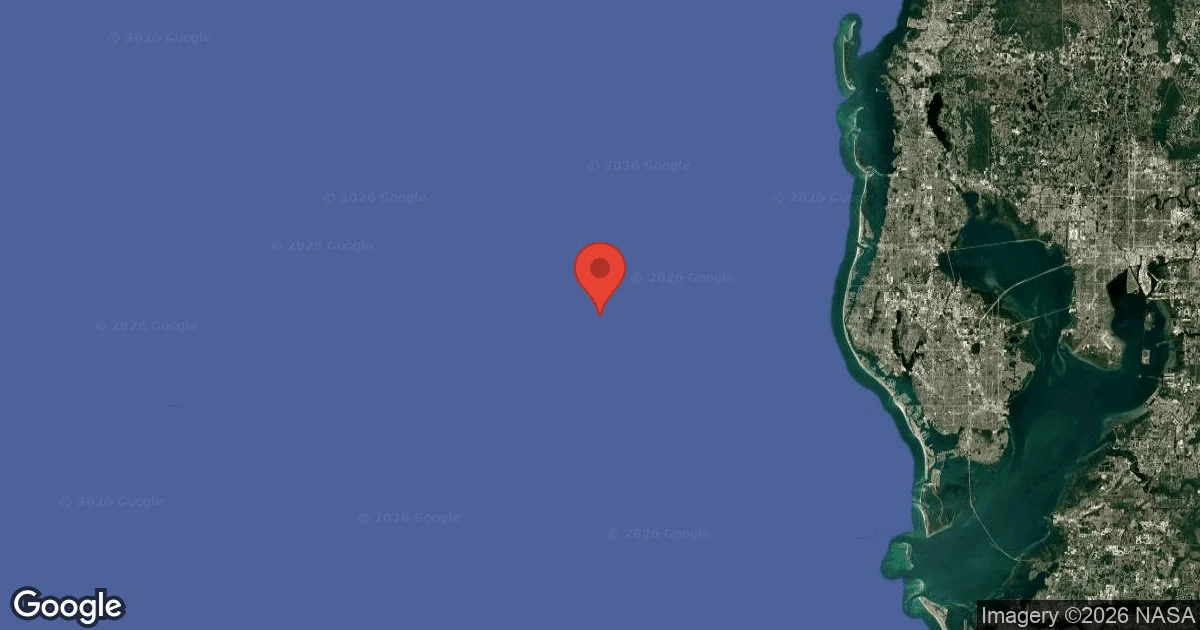
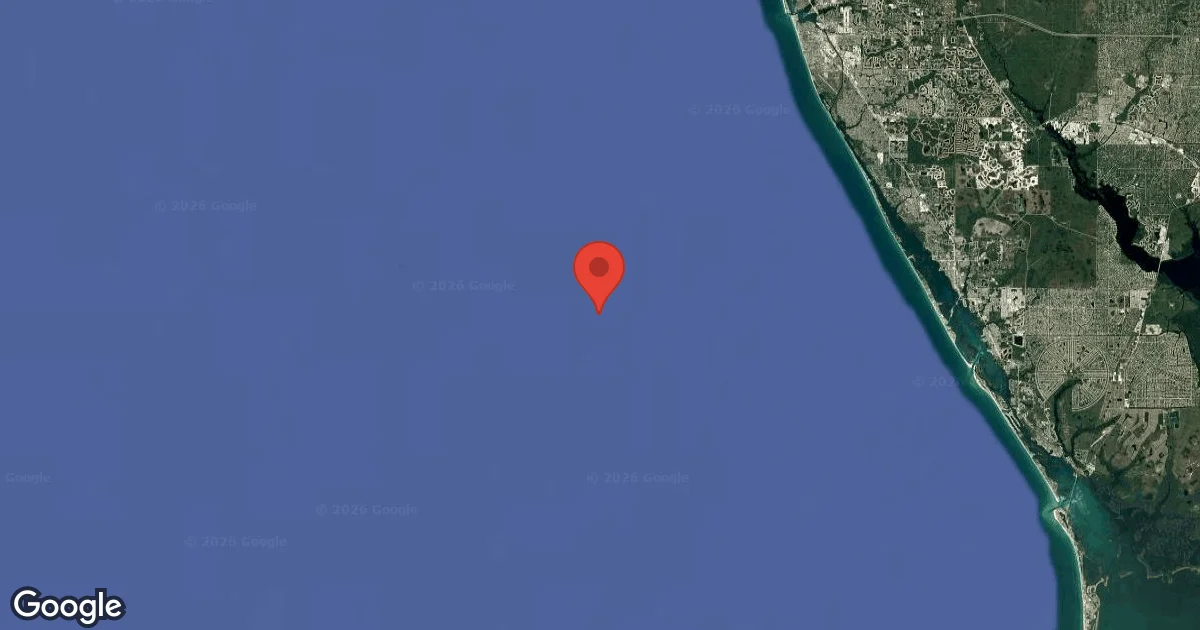
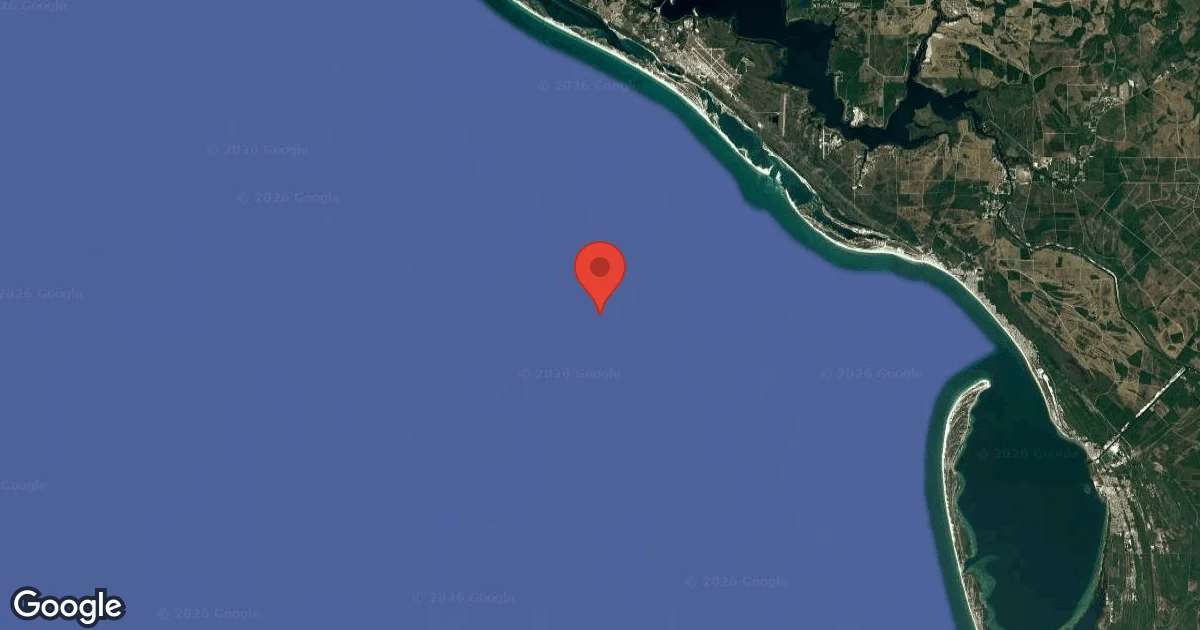
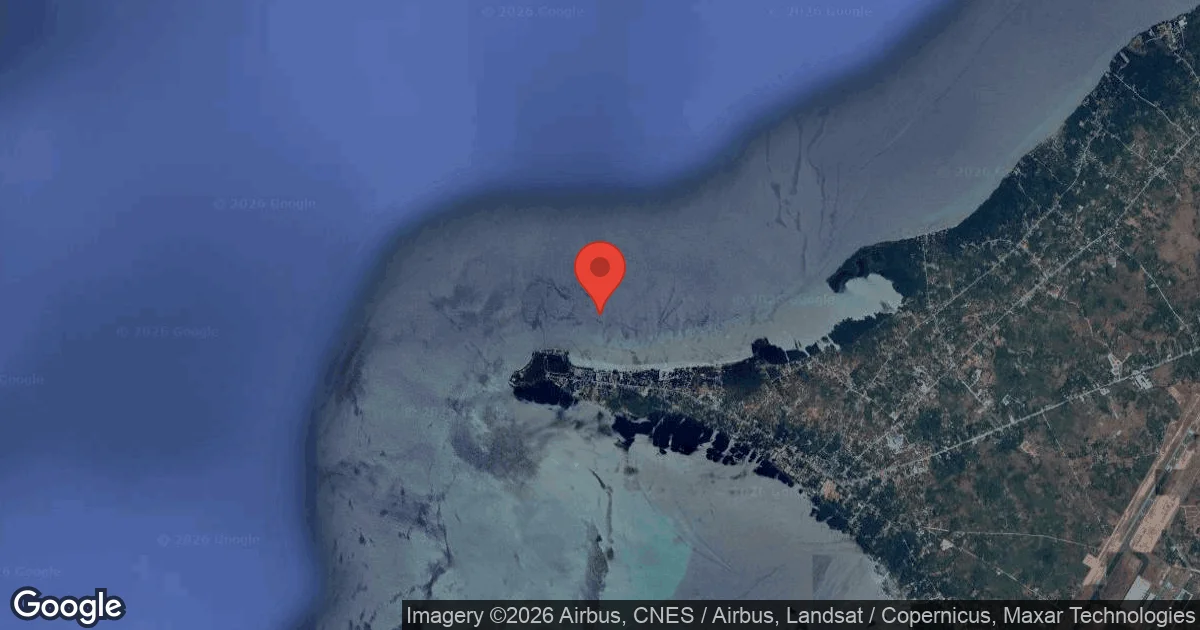
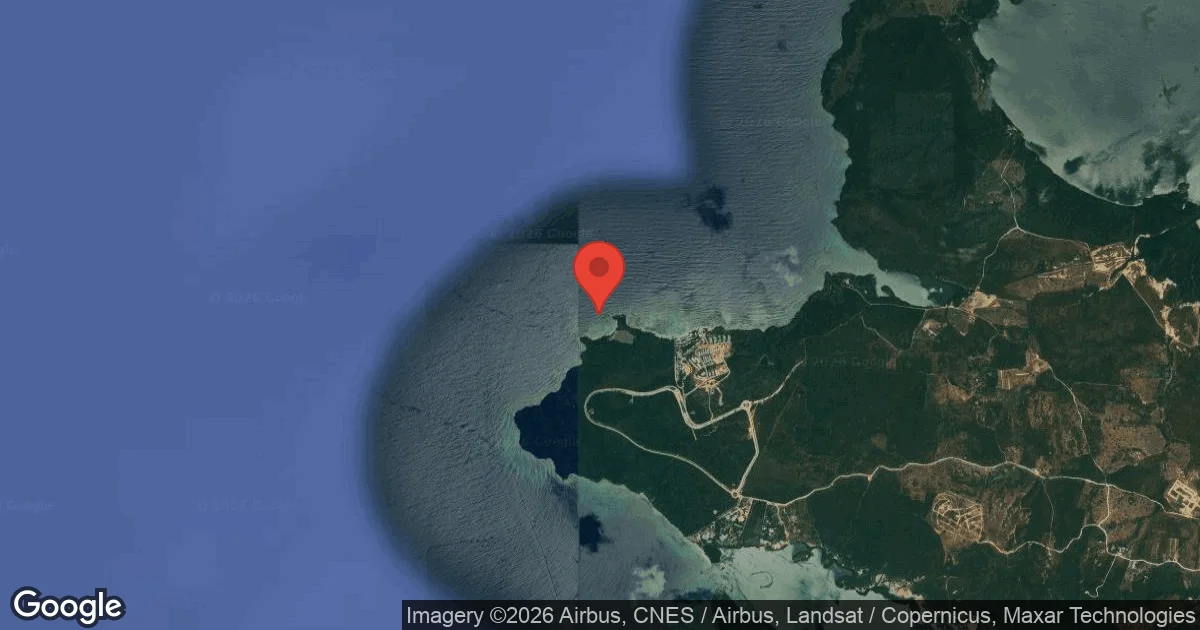
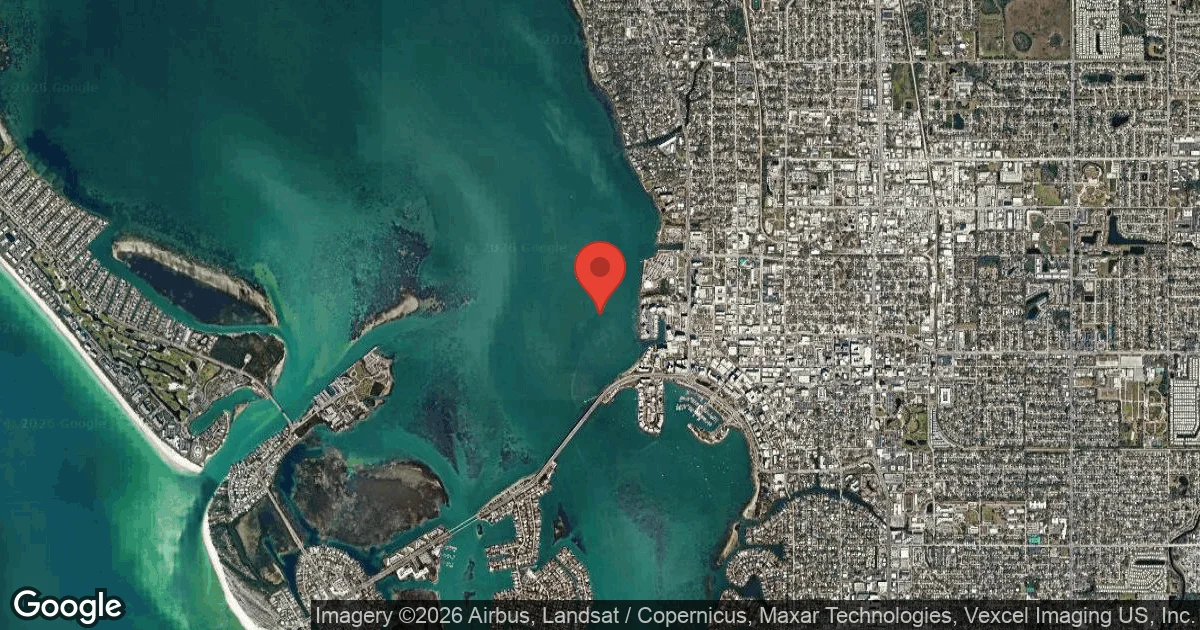
Discover 12 of 642 breathtaking locations where you can encounter this species.
Related Marine Life

Explore other incredible species you can encounter on your diving adventures.