
Diving at Bendickson Reef - Tank #7 (United States)
Bendickson Reef's Tank #7 offers an intriguing convergence where human-made structures foster vibrant underwater habitats. Submerged military tanks attract a diverse array of species, transforming historical relics into thriving ecosystems. Divers exploring the M-60 and World War II era tanks discover how artificial reefs integrate into the environment. Expect to observe various fish and invertebrates utilizing the structures for shelter and foraging, making each visit a dynamic encounter with marine adaptation. Such sites are a testament to the ocean's ability to reclaim and repurpose.
As evening covers Bendickson Reef - Tank #7, the local air temperature is measured at 27°C. The current wave height at the surface is recorded at 0.5 m. These late-day readings characterize the surface conditions for the night.
Dive Site Location & Key Facts
Dive Site Overview
A descent into the Gulf of Mexico, about 29 km (18 miles) west of Hernando Beach, reveals an unusual sight: a collection of vintage military tanks resting on the seabed. Bendickson Reef's Tank #7 forms part of an artificial reef system, featuring several M-60 Vietnam-era tanks and some World War II tanks, complemented by reef balls.
Site depths generally range from 7.5 to 11.5 m (25 to 38 ft), making it accessible for a wide range of certified divers. Tanks were specifically placed as artificial reefs, their engines removed and hatches opened to create safe exploration opportunities and maximize habitat for marine life. Mooring lines attached to buoys are typically found anchored to the bottom, simplifying boat positioning.
This setup allows for convenient access without the need for dropping anchor, preserving reef structures. Artificial structures provide complex environments for aquatic species, from small crustaceans to larger pelagic visitors.
Exploring the nooks and crannies of these objects reveals how quickly marine organisms colonize and integrate artificial substrates into their environment. A dual role as a dive site and significant fishing location further indicates its success in attracting and sustaining marine populations.
Conditions are Moderate
High Wind Advisory (40km/h). Unsafe surface.
Current conditions near Bendickson Reef - Tank #7 show 27° air, 30° sea temperature, 0.7 m waves, and 40 km/h wind. Forecast data is refreshed regularly to ensure accuracy.
Best Time to Dive
Optimal diving conditions at Bendickson Reef typically occur across most months, yet specific seasonal shifts influence the overall experience. Warmest air temperatures arrive from June through September, averaging 27°C to 29°C (81-84°F), often correlating with generally warmer water. Specific water temperature data for the site isn't consistently reported. Rain activity tends to be higher in late summer, particularly August, with an average of 7.16 mm (0.28 inches). Conversely, cooler air temperatures prevail during winter months, dropping to averages of 13.5°C to 16.5°C (56-62°F) from December to February. Wave heights generally remain under 1 meter (3.3 feet) year-round; some of the calmest conditions are typically observed in July, averaging 0.5 meters (1.6 feet). Wind speeds are somewhat higher in cooler months, often exceeding 30 km/h (18.6 mph) from October to April. Divers might prefer the calmer seas of summer or the generally drier conditions of spring and fall for more comfortable excursions. Visibility also varies throughout the year based on localized conditions.
PEAK SEASON SCORE
Scores combine air & water temps, waves, wind & rainfall for overall conditions.
BEST MONTHS TO DIVE
Monthly records compiled from satellite and marine observation nodes over the last 3 years. Data provided by Open-Meteo and MET Norway.
Dive Experience & Conditions
Experiencing Bendickson Reef often involves encountering the subtle current that sweeps across the site, carrying nutrients and enhancing visibility on clearer days. Visibility itself varies, influenced by local weather patterns and sediment in the Gulf. Upon reaching the bottom, the sheer scale of the submerged military tanks creates an immediate sense of wonder. Divers can glide along the textured surfaces of the M-60s, observing how soft corals and sponges have begun to colonize the metal. Light penetration at recreational depths, generally shallower than 12 m (40 ft), illuminates the structures, making details clear. Water temperatures are not consistently reported but typically align with regional patterns for the Gulf. Expect ambient temperatures that allow for comfortable diving with appropriate thermal protection. Mooring lines simplify entry and exit, providing a stable reference point during your dive. It's a tactile and visual exploration of history intertwined with natural reef development.
Dive Difficulty & Safety Guidelines
Responsible dive planning is key for navigating Bendickson Reef and ensuring adherence to best practices. While specific hazards are not detailed in available data, divers should always anticipate potential currents common in Gulf environments. Planning your dive to account for surface conditions and currents ensures a safer experience, especially around the mooring lines.
Maintaining neutral buoyancy is crucial to avoid contact with the artificial reef structures and the marine life residing on them. Protecting the site involves respecting its dual role as both a dive attraction and a fishing ground.
Be aware of any fishing lines or tackle that might be present and avoid disturbing active fishing operations. Always dive within your certification limits; maximum depth around the tanks is approximately 11.5 m (38 ft), suitable for Open Water certified divers.
Regular equipment checks and diving with a buddy remain fundamental safety principles here, as with any open water site.
Recommended Equipment
- Dive Computer
This gear list is based on verified equipment signals for Bendickson Reef - Tank #7, United States. Always confirm final gear choices with your dive operator, guide, or liveaboard.
Recommended Dive Suit
Dive skin or rash guard is frequently recommended by dive operators for conditions like these. Consider warmer surface protection (like a boat coat) due to brisk winds. Those diving at Bendickson Reef - Tank #7 today will likely encounter water temperatures in the region of 30°C (86°F). Surface air temperatures are resting at 27°C (81°F).
Forecast conditions over the next few days suggest temperatures will remain relatively stable.
Even small thermoclines can occasionally cause noticeable changes in water temperature.
Emergency & Medical Support
Essential information to help you plan your dive trip to Bendickson Reef - Tank #7.

Hyperbaric chambers are a critical part of dive safety infrastructure. Availability varies significantly by region, and not all dive areas have immediate access.
Before diving, it's recommended to:
- confirm nearest medical facilities
- check emergency procedures with local dive operators
- ensure dive insurance covers evacuation if required
Divers Alert Network
Diving emergency assistance available through DAN World.
+1-919-684-9111- 24/7 emergency hotline
- Diving medical assistance
- Evacuation coordination
Emergency contacts are provided for reference. Always verify local emergency services before diving.
Marine Life at Bendickson Reef - Tank #7
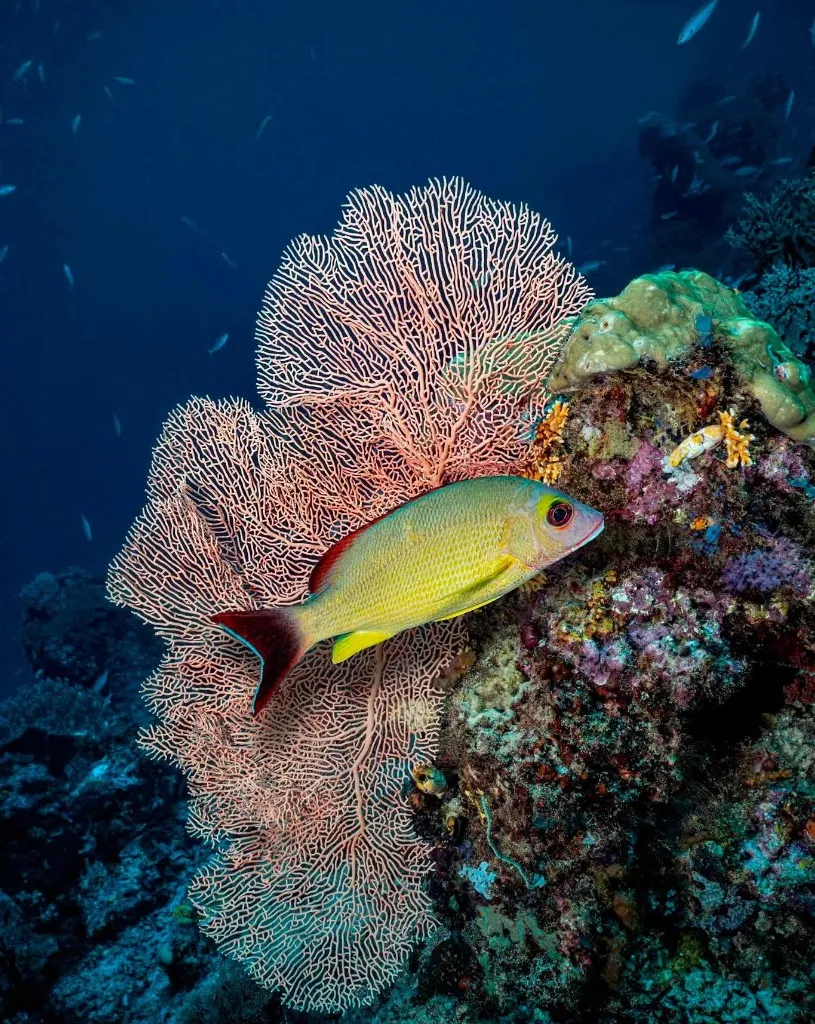
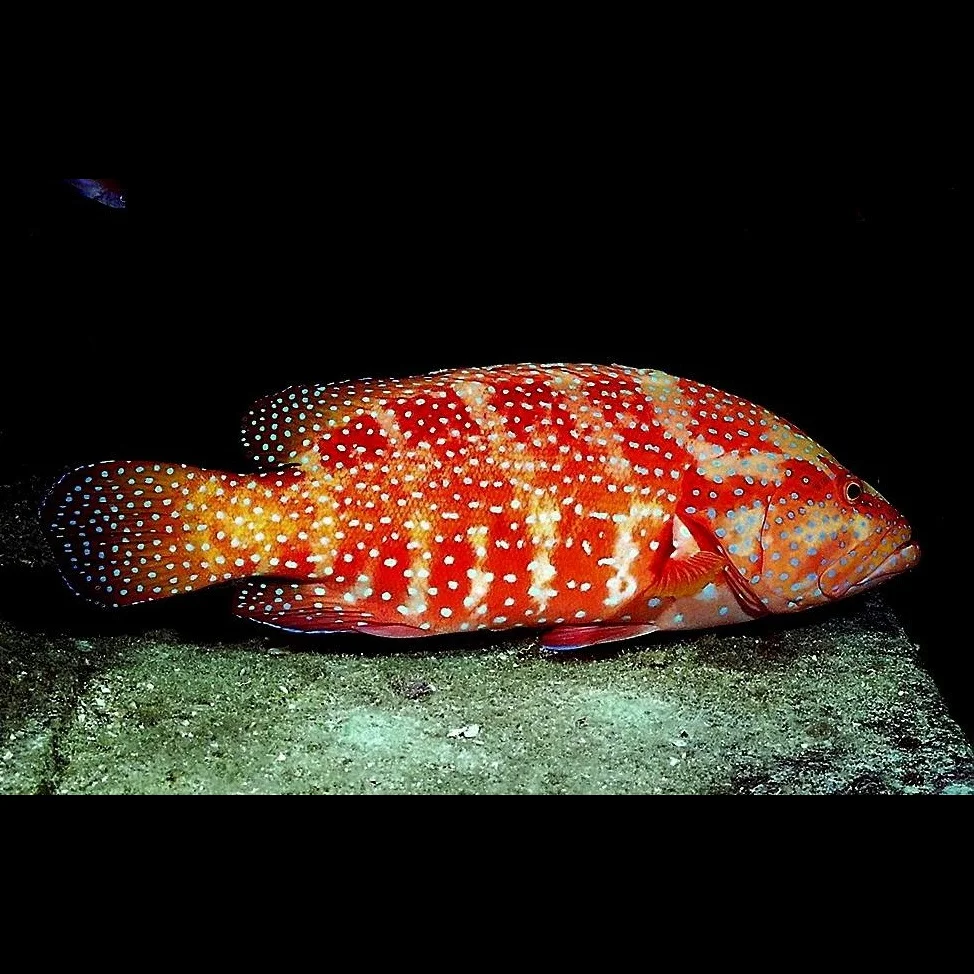
A vibrant ecosystem has developed around Bendickson Reef’s Tank #7, drawing a spectrum of marine creatures to its metallic structures. As divers explore the M-60 tanks and reef balls, observe grouper sheltering within crevices and snapper schooling around larger sections.
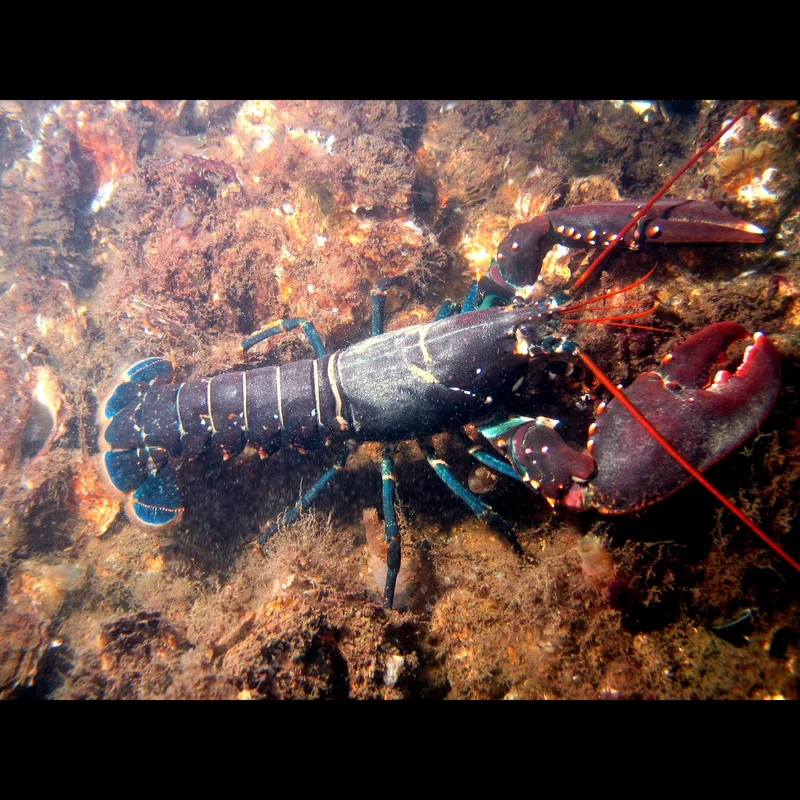
Flounder often camouflage themselves on the surrounding sandy bottom; spadefish might be seen congregating closer to tank perimeters. Look for lobster tucked away in the darker recesses of the wrecks.
Mangos, a local term for specific fish, are also frequently reported, suggesting a robust population utilizing the reef. This transformation of tanks into vibrant artificial reefs underscores their value as ecological anchors.

Dive Centers Near Bendickson Reef - Tank #7
Today: 11:00 - 19:00
Nearest Airports
Nearest airports to help plan travel to this dive area.
Search Flights
Check available flights and routes on Expedia, using the nearby airports listed in this section.
Search Flights on ExpediaFrequently Asked Questions
What types of tanks make up Bendickson Reef?
Composed primarily of Vietnam-era M-60 military tanks, the artificial reef also includes some World War II-era tanks and reef balls. Tanks were specifically prepared by having their engines removed and hatches opened.
What is the typical depth at Bendickson Reef - Tank #7?
Depths at the site generally range from 7.5 to 11.5 meters (25 to 38 feet). Such depths make it well within recreational diving limits for most certified divers. It's considered a relatively shallow dive.
Is there a mooring system available at the site?
Mooring lines are typically found attached to buoys anchored to the bottom. Such a system simplifies boat positioning, helping prevent anchor damage to the artificial reef and making access more convenient.
What kind of marine life can I expect to see?
Divers often observe grouper, snapper, spadefish, and flounder around the tanks. Lobster and other crustaceans commonly inhabit the structures' nooks and crannies. Such formations provide excellent shelter and foraging grounds for various fish.
How far is Bendickson Reef from the coast?
Bendickson Reef is located approximately 29 kilometers (18 miles) west of Hernando Beach. It's an offshore site requiring boat access. Planning for this travel distance is important.
What are the common conditions like?
Surface conditions can vary, but wave heights generally remain below 1 meter (3.3 feet) throughout the year. Visibility in the Gulf can fluctuate based on weather and currents. While specific water temperatures aren't consistently reported, air temperatures are warmest from June to September.
Is Bendickson Reef also used for fishing?
Yes, the reef is a popular spot for fishing, known for species like grouper and snapper. Divers should be aware of this dual usage and exercise caution around any fishing lines or active fishing boats. It signifies the reef's success in attracting marine life.
Planning to dive Bendickson Reef - Tank #7?
Send one inquiry and receive offers directly from the best verified local dive operators.
Conditions are Moderate
High Wind Advisory (40km/h). Unsafe surface.
Current conditions near Bendickson Reef - Tank #7 show 27° air, 30° sea temperature, 0.7 m waves, and 40 km/h wind. Forecast data is refreshed regularly to ensure accuracy.