
Diving at Buckeye Reef ADDITION-2013-CENTER Patch (United States)
Planning a dive to Buckeye Reef Addition-2013-Center Patch immerses divers in an effort to enhance local reef ecosystems. This site invites exploration of a relatively new artificial reef structure designed to support marine life. Divers can expect a blend of natural processes and constructed habitats, offering a unique perspective on reef development. It represents a tangible commitment to marine conservation, making each descent meaningful.
Tonight's objective overview for Buckeye Reef ADDITION-2013-CENTER Patch shows an air temperature of 26.5°C. The measured surface conditions include wave heights around 0.4 m. This environmental data is logged for the close of the day.
Dive Site Location & Key Facts
Dive Site Overview
Exploring Buckeye Reef Addition-2013-Center Patch reveals a structured underwater landscape built upon principles of habitat enhancement. Established in 2013, this artificial reef system likely features a deliberate arrangement of concrete modules or other stable, robust materials.
These structures were strategically placed to foster coral growth and create shelter for a diverse array of fish. Designed to complement existing natural patch reef formations, the addition contributes to a more resilient local marine environment. Divers can explore sections down to a maximum depth typically ranging from 6-15 m (20-50 ft), keeping it well within recreational limits and accessible for various certification levels.
Between the constructed elements, divers will observe stretches of sandy bottom, providing varied substrate that caters to different organisms. This integration of artificial structures with natural seafloor aims to accelerate ecological development, transforming the area into a vibrant habitat.
Since its establishment, the reef has continued to evolve, offering a dynamic environment where divers can witness the ongoing process of marine life colonization and growth. These sites significantly contribute to the broader ecosystem, drawing in marine species seeking refuge, foraging grounds, and breeding areas within the protected structures.
Conditions are Good
07:00 - 14:00
Optimal conditions expected
Current conditions near Buckeye Reef ADDITION-2013-CENTER Patch show 27° air, 30° sea temperature, 0.2 m waves, and 24 km/h wind. Forecast data is refreshed regularly to ensure accuracy.
Best Time to Dive
Optimal diving at Buckeye Reef Addition-2013-Center Patch is generally observed from May through August, when conditions are most favorable for underwater visibility and comfort. During these months, average air temperatures range from 24.5°C (76°F) to 29°C (84°F), contributing to a pleasant surface interval. Rainfall during this peak season tends to be higher, with August averaging 6.5 mm (0.26 in), which can occasionally affect surface conditions but usually doesn't impact deeper visibility significantly. Conversely, the cooler months from December to March still offer good diving, with air temperatures between 12.5°C (54°F) and 18°C (64°F) and typically lower rainfall, potentially leading to clearer waters. Water temperature data is not consistently reported for this specific site but generally mirrors the air temperature trends for the region, remaining mild to warm year-round.
PEAK SEASON SCORE
Scores combine air & water temps, waves, wind & rainfall for overall conditions.
BEST MONTHS TO DIVE
Monthly records compiled from satellite and marine observation nodes over the last 3 years. Data provided by Open-Meteo and MET Norway.
Dive Experience & Conditions
Descending into the waters of Buckeye Reef Addition-2013-Center Patch, divers will find a generally gentle environment suitable for various experience levels. Water clarity varies depending on recent weather patterns and tidal movements, but often provides good visibility, especially in calmer conditions. Currents at this patch reef location are typically mild, but can strengthen with tidal changes or strong winds, requiring divers to remain aware of their positioning. The site's shallower sections are ideal for extended bottom times and photography, offering ample natural light penetration. Deeper parts of the reef addition may present slightly cooler temperatures, though dramatic thermoclines are not commonly reported for similar depths in this region. Overall, the experience is usually relaxed, allowing for thorough exploration of the established structures.
Dive Difficulty & Safety Guidelines
Prioritizing diver safety at Buckeye Reef Addition-2013-Center Patch means being aware of standard reef diving practices. There are no specific hazards reported for this site in the available data; however, all divers should exercise caution regarding boat traffic in the vicinity, especially when surfacing. Maintaining proper buoyancy control is essential to prevent accidental contact with the artificial structures and any developing coral growth.
Always dive within your certification limits. Dive with a buddy and carry a surface marker buoy for visibility to passing vessels.
Regularly check weather forecasts, as wind and wave conditions can affect the ease of entry and exit, particularly in open water locations.
Recommended Equipment
- Dive Computer
This gear list is based on verified equipment signals for Buckeye Reef ADDITION-2013-CENTER Patch, United States. Always confirm final gear choices with your dive operator, guide, or liveaboard.
Recommended Dive Suit
Divers planning deeper dives may feel cooler than those staying in shallower areas.
Many divers find that dive skin or rash guard offers a comfortable balance between warmth and mobility. A hood or vest is suggested for sensitive divers due to surface winds. Conditions in the coming days are expected to stay within a similar temperature range.
Current temperature readings suggest that the water at Buckeye Reef ADDITION-2013-CENTER Patch is around 30°C (86°F). Surface air temperatures are resting at 27°C (80°F).
Emergency & Medical Support
Essential information to help you plan your dive trip to Buckeye Reef Addition-2013-Center Patch.

Hyperbaric chambers are a critical part of dive safety infrastructure. Availability varies significantly by region, and not all dive areas have immediate access.
Before diving, it's recommended to:
- confirm nearest medical facilities
- check emergency procedures with local dive operators
- ensure dive insurance covers evacuation if required
Divers Alert Network
Diving emergency assistance available through DAN World.
+1-919-684-9111- 24/7 emergency hotline
- Diving medical assistance
- Evacuation coordination
Emergency contacts are provided for reference. Always verify local emergency services before diving.
Marine Life at Buckeye Reef ADDITION-2013-CENTER Patch
Beneath the surface of Buckeye Reef Addition-2013-Center Patch, the underwater landscape supports a variety of typical Florida Keys reef inhabitants. Expect to encounter numerous species of colorful reef fish, which often utilize the structured environment for shelter and feeding.
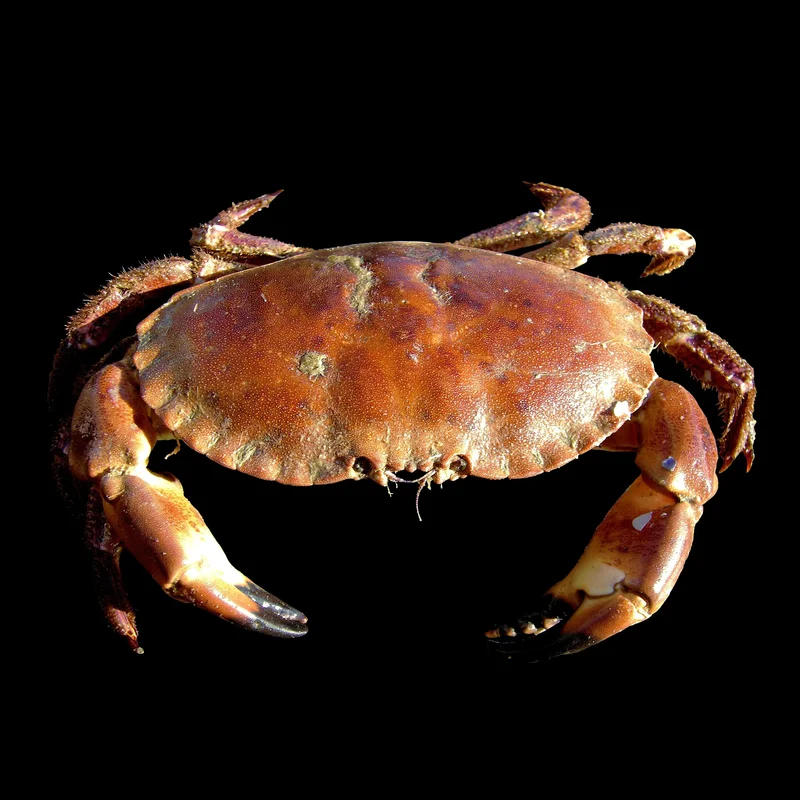
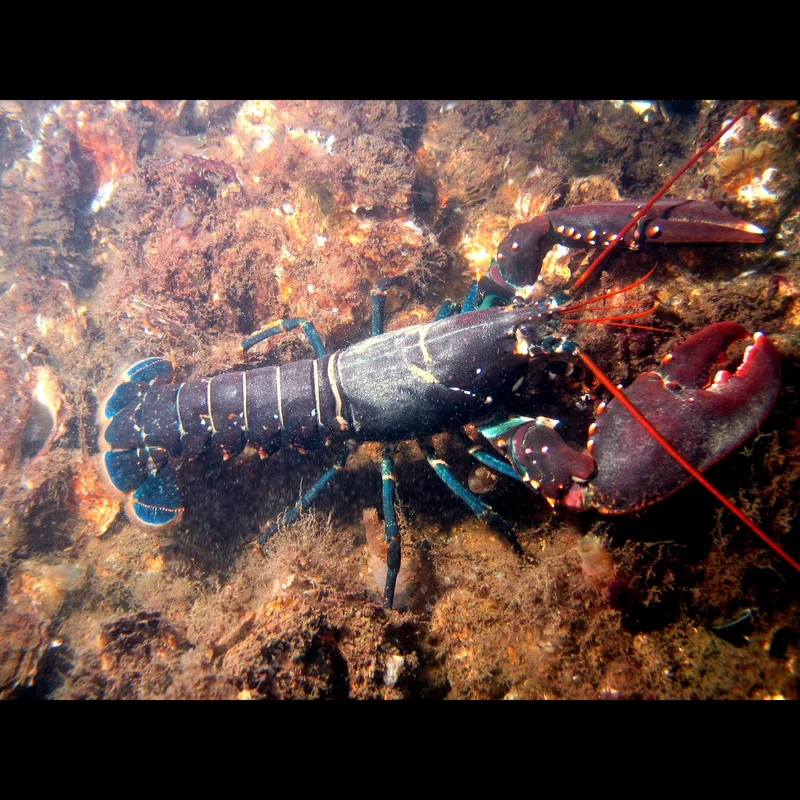
Small schooling fish frequently congregate around the additions, attracting larger predators. Divers might observe various invertebrates, including crabs and lobsters, nestled within the crevices of the artificial structures.
The presence of these marine species demonstrates the success of the reef addition in fostering a thriving ecosystem.
Dive Centers Near Buckeye Reef ADDITION-2013-CENTER Patch
No Dive Centers Local To Buckeye Reef ADDITION-2013-CENTER Patch
Are you a dive center visiting this location? Get listed to reach divers.
Nearest Airports
Nearest airports to help plan travel to this dive area.
Search Flights
Check available flights and routes on Expedia, using the nearby airports listed in this section.
Search Flights on ExpediaFrequently Asked Questions
What kind of dive experience is Buckeye Reef Addition-2013-Center Patch best suited for?
This site is generally suitable for divers of all certification levels, including beginners. Its recreational depth range and typically mild conditions make it an accessible and enjoyable dive.
Are there natural reef formations nearby or is it solely artificial?
As a 'Reef Addition,' it's designed to augment or create new habitats. It often blends with existing natural patch reef systems or serves as a starting point for new ecological growth.
What is the typical visibility at this dive site?
Visibility varies with weather and currents. However, it's generally good for the region, often exceeding 15 m (50 ft) on calm days. Heavy rainfall or strong winds can temporarily reduce clarity.
What kind of marine life can I expect to see?
Typical encounters include various reef fish, small schooling fish, and invertebrates like crabs and lobsters seeking shelter. The site is intended to attract and support a diverse array of local marine species.
Is boat traffic a concern at Buckeye Reef Addition-2013-Center Patch?
As with many open water dive sites, boat traffic can occur. Divers should always deploy a surface marker buoy (SMB) upon surfacing to alert passing vessels to their presence.
What is the water temperature like throughout the year?
Specific water temperature data for this exact site is not consistently reported. However, water temperatures in this region generally range from comfortable to warm, reflecting the seasonal air temperature trends.
Planning to dive Buckeye Reef ADDITION-2013-CENTER Patch?
Send one inquiry and receive offers directly from the best verified local dive operators.
Conditions are Good
07:00 - 14:00
Optimal conditions expected
Current conditions near Buckeye Reef ADDITION-2013-CENTER Patch show 27° air, 30° sea temperature, 0.2 m waves, and 24 km/h wind. Forecast data is refreshed regularly to ensure accuracy.