
Diving at Bull Shoals (United States)
Bull Shoals Lake presents remarkably clear freshwater conditions, supporting year-round diving where the water never freezes. Visibility typically ranges from 6 to 12 meters / 20 to 40 feet, though it can fluctuate seasonally. Stretching across parts of Missouri and Arkansas, the expansive man-made reservoir offers diverse submerged landscapes, from dramatic rock walls and historical remnants to intricate underwater forests, appealing to a wide range of certified divers. Its reputation for clarity and variety makes it a notable inland dive destination.
At Bull Shoals, the ambient air temperature is currently recorded at 31.5°C. This dive site in United States is operating under normal seasonal weather patterns. Familiarize yourself with the local topography prior to navigating.
Dive Site Location & Key Facts
Dive Site Overview
Originally a river valley, Bull Shoals Lake was formed by the construction of a dam in 1947, which submerged the surrounding settlements and farms. This process created a unique underwater landscape for divers to explore.
Descending into its depths, one can encounter remnants of this past, including sections of old farm equipment, the skeletal structures of oak and hickory forests, and more than 15 unique mapped diving sites. Its extensive 1,000 miles of shoreline conceal a variety of features, from dramatic rock walls plunging over 60 meters / 200 feet, often pockmarked with small caverns and overhangs, to long gravel points that serve as natural fish aggregation areas.
Beyond natural and historical sites, divers might also discover numerous man-made brush piles, strategically placed to enhance fish habitats. Among the more intriguing targets are several shipwrecks, including a sailboat, a destroyer escort, and various U.S. military boats, adding a layer of historical mystery to the freshwater environment.
Diverse underwater structures and historical artifacts offer unique exploration opportunities. Bull Shoals Lake is a true adventure across a landscape preserved by water, catering to a spectrum of experience levels, from beginners practicing skills near shore bluffs to experienced technical divers navigating deeper wrecks.
Conditions are Excellent
07:00 - 14:00
Optimal conditions expected
Current conditions near Bull Shoals show 31° air, --° sea temperature, N/A waves, and 12 km/h wind. Forecast data is refreshed regularly to ensure accuracy.
Best Time to Dive
Year-round diving is possible at Bull Shoals Lake, as its waters never freeze, but the experience varies significantly with the seasons. Summer, typically June through August, sees the warmest surface water temperatures, reaching into the low 30s°C / low 90s°F, with air temperatures averaging 25-26.5°C / 77-80°F. During this period, though, visibility may decrease to about 3 to 6 meters as the lake warms, and rain averages around 2.1-4.2 mm. Spring (March-May) and Fall (September-November) often present optimal conditions. Spring water temperatures are in the 20s°C / 70s°F, and visibility can be excellent, often reaching 9 to 12 meters. Air temperatures during these transitional months range from 12.5-20°C / 54-68°F in spring, and 11.5-22.5°C / 53-72°F in fall. Rain is moderate, ranging from 2.1-5.2 mm in spring and 1.4-3.1 mm in fall. Winter diving (December-February) offers consistent 10-15°C / 50s°F water temperatures and generally good visibility, alongside cooler air temperatures (1-7°C / 34-45°F) and low rain (1.6-2.8 mm), appealing to drysuit divers or those seeking less crowded conditions.
PEAK SEASON SCORE
Scores combine air & water temps, waves, wind & rainfall for overall conditions.
BEST MONTHS TO DIVE
Monthly records compiled from satellite and marine observation nodes over the last 3 years. Data provided by Open-Meteo and MET Norway.
Dive Experience & Conditions
Descending into Bull Shoals Lake, divers are immediately struck by the freshwater clarity, which provides a vivid sensory experience different from ocean diving. Water often carries a pleasant coolness, even on the surface, transitioning to more significant chills below a thermocline, especially during warmer months. Distinct thermal layers develop, making a suitable wetsuit or drysuit essential. Gliding past enormous sunken oak and hickory trees, their branches reaching silently upwards, feels like exploring a forgotten world. While generally peaceful with minimal boat traffic, occasional wind can introduce slight surface chop. Visibility varies, often delivering impressive long-distance views across the underwater landscape, though it can become more limited during the peak summer algal blooms. Exploring the intricate rock walls and hidden caverns offers a constant sense of discovery, as if uncovering secrets of a submerged past.
Dive Difficulty & Safety Guidelines
Divers approaching Bull Shoals Lake should prioritize being appropriately certified for the planned dive depths and conditions. While many areas are accessible for beginner practice near shorelines and bluffs, deeper sites like wrecks or extensive wall dives require advanced skills and experience. Thermoclines necessitate proper thermal protection; even in summer, deeper sections can be quite cold.
Always dive with a buddy and ensure your equipment is well-maintained, especially given the freshwater environment. Navigation in large, structurally complex lakes can be challenging, so carrying a reliable compass and understanding your dive plan is crucial.
Although boat traffic is generally minimal and the lake feels peaceful, surface markers are advisable to enhance visibility for any passing vessels, particularly during ascent and descent. Awareness of surroundings and conservative dive profiles are key for an enjoyable experience.
Recommended Equipment
- Dive Computer
- DSMB
This gear list is based on verified equipment signals for Bull Shoals, United States. Always confirm final gear choices with your dive operator, guide, or liveaboard.
Recommended Dive Suit
Based on regional estimates and current weather, the likely required exposure protection is light protection (dive skin or 3mm shorty). Note that local currents and upwellings can alter this.
Because recent water temperature readings are not available for Bull Shoals, the guidance below is based mainly on current air conditions and seasonal expectations. Current surface air temperatures are roughly 31°C (89°F).
Due to unpredictable weather patterns, conditions may change rapidly. A significant temperature drop is forecast; strongly suggest bringing a backup warmer suit option. Having a second exposure option available is often a good precaution.
Emergency & Medical Support
Essential information to help you plan your dive trip to Bull Shoals.

Hyperbaric chambers are a critical part of dive safety infrastructure. Availability varies significantly by region, and not all dive areas have immediate access.
Before diving, it's recommended to:
- confirm nearest medical facilities
- check emergency procedures with local dive operators
- ensure dive insurance covers evacuation if required
Divers Alert Network
Diving emergency assistance available through DAN World.
+1-919-684-9111- 24/7 emergency hotline
- Diving medical assistance
- Evacuation coordination
Emergency contacts are provided for reference. Always verify local emergency services before diving.
Marine Life at Bull Shoals
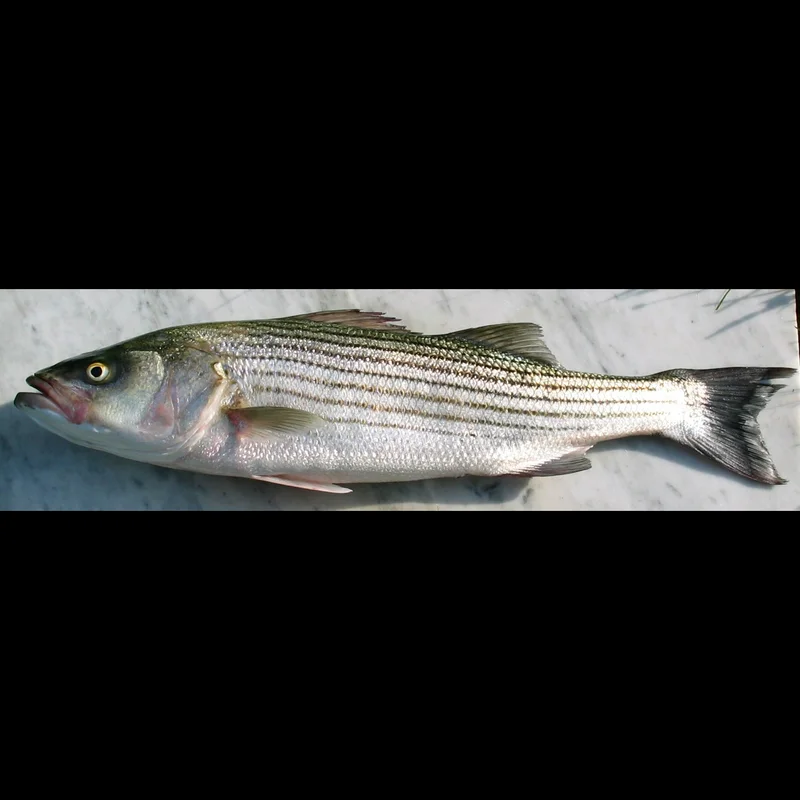
Underwater topography in Bull Shoals Lake supports a surprising array of freshwater marine life, often congregating around its unique structures. Divers frequently encounter schools of largemouth and smallmouth bass darting among the branches of submerged oak and hickory forests.
Crappie and walleye often lurk near the long gravel points and numerous man-made brush piles, using these as shelter and hunting grounds. Blue gills and blue eared sunfish are common sights in shallower, sunnier areas, adding flashes of color.
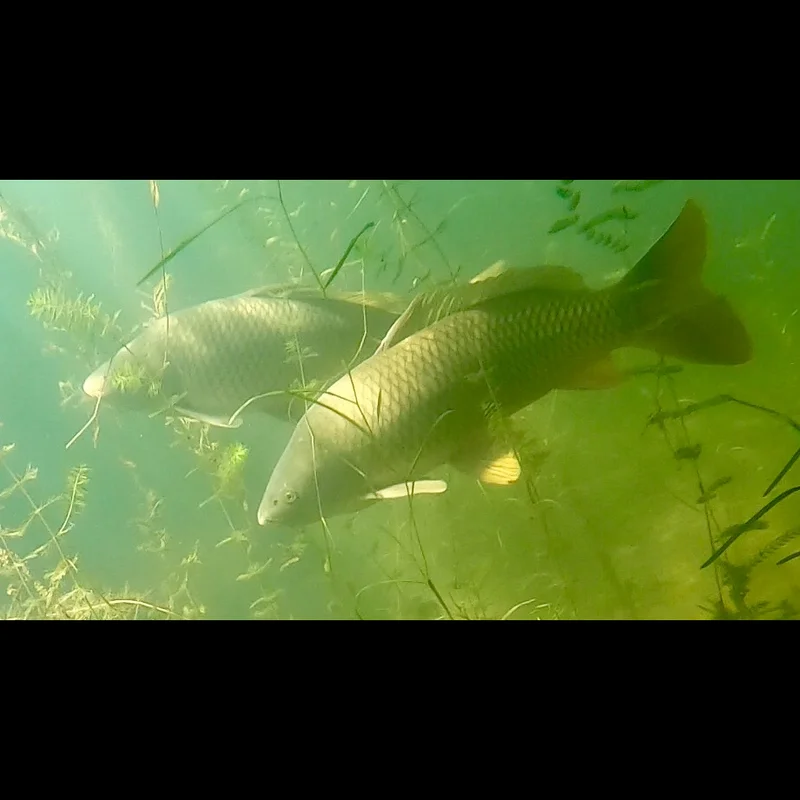
Species like gar, carp, and drum can also be spotted navigating deeper sections or patrolling along impressive rock walls, creating dynamic encounters within this freshwater ecosystem.

Dive Sites Near Bull Shoals
View all dive sites in United StatesDiscover more underwater gems in this area.
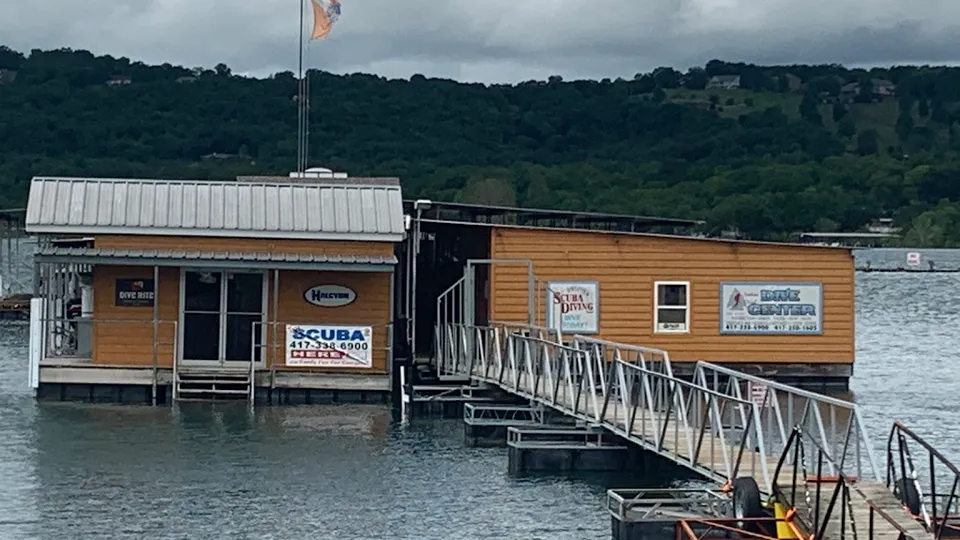
Dive Centers Near Bull Shoals
Today: 10:00 - 17:00
Nearest Airports
Nearest airports to help plan travel to this dive area.
Search Flights
Check available flights and routes on Expedia, using the nearby airports listed in this section.
Search Flights on Expedia
Plan Your Stay
Looking for a place to stay for your dive trip? Explore hotels, stays, and vacation rentals for dive groups near Bull Shoals.
Dive Navigator may earn a commission from these links at no extra cost to you.
Frequently Asked Questions
Is Bull Shoals Lake suitable for beginner divers?
Yes, Bull Shoals Lake accommodates various skill levels. Beginners can safely practice skills by exploring rock outcroppings and underwater bluffs near the shoreline, and PADI certification courses are available.
What is the typical visibility in Bull Shoals Lake?
Visibility is generally good, often ranging from 6 to 12 meters, though it can drop to about 3 to 6 meters as the lake warms during peak summer months.
Can I dive year-round at Bull Shoals Lake?
Absolutely. The water in Bull Shoals Lake never freezes, making it a year-round diving destination. Seasonal conditions, particularly water temperature and visibility, vary significantly.
What kind of underwater sites can be explored?
Divers can explore a wide variety of sites, including submerged oak and hickory forests, rock walls plunging to 60 meters with caverns, sunken farm implements, and several shipwrecks, alongside numerous man-made brush piles.
Are there PADI certification courses available at Bull Shoals?
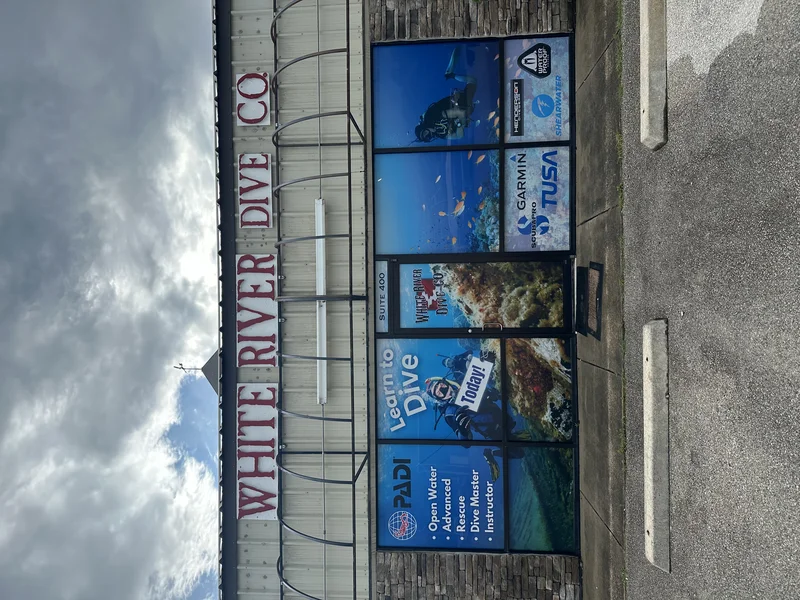
Yes, PADI certification and instruction, from Open Water through Divemaster specialties, are offered by local dive shops and operators, such as the Bull Shoals Lake Boat Dock.
What are the water temperatures like in Bull Shoals Lake?
Water temperatures range from 10-15°C / 50s°F in winter, warm to 21-26°C / 70s°F in spring, and can reach up to 26-32°C / 80s-low 90s°F on the surface in summer. Deeper sections often remain considerably cooler due to thermoclines.
Is spearfishing allowed in Bull Shoals Lake?
Yes, spearfishing is permitted. There's a nine-month season for walleye, crappie, and catfish (June 15 - March 15), with year-round spearfishing for gar, carp, and drum.
Planning to dive Bull Shoals?
Send one inquiry and receive offers directly from the best verified local dive operators.
Conditions are Excellent
07:00 - 14:00
Optimal conditions expected
Current conditions near Bull Shoals show 31° air, --° sea temperature, N/A waves, and 12 km/h wind. Forecast data is refreshed regularly to ensure accuracy.