
Diving at Bull Shoals Lake (United States)
Bull Shoals Lake, a sprawling freshwater reservoir, extends across southern Missouri and northern Arkansas. This man-made lake boasts over 1,000 miles of shoreline, characterized by numerous coves, bays, and arms. Its long, thin structure creates a peaceful environment, rarely feeling overcrowded even on busier weekends. The lake's unique topography, formed by a dam built in 1947, hides submerged landscapes from former settlements.
At Bull Shoals Lake, the ambient air temperature is currently recorded at 27°C. This dive site in United States is operating under normal seasonal weather patterns. Familiarize yourself with the local topography prior to navigating.
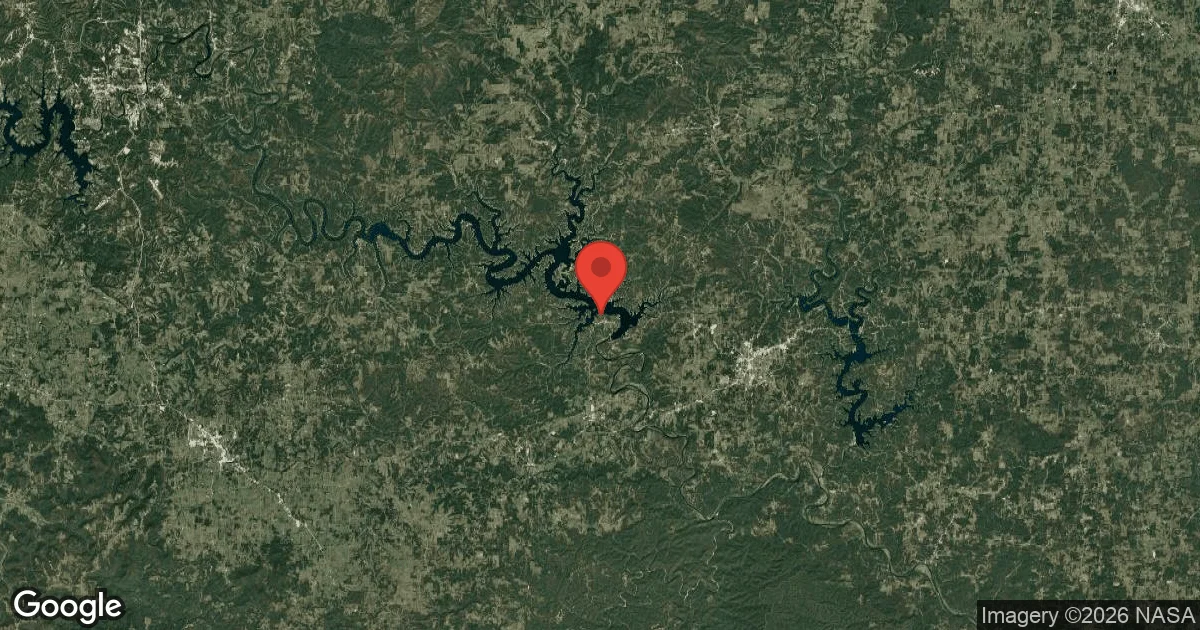
Dive Site Location & Key Facts
Dive Site Overview
Exploring this freshwater lake offers a compelling journey into a submerged history. Beneath its typically clear surface, divers navigate through unique underwater forests of oak and hickory, revealing remnants of flooded settlements and various sunken farm implements.
The lake’s man-made origins mean there are several distinct wreck sites, including a sailboat, a destroyer escort, and other U.S. military boats, which collectively enhance its 15 distinct mapped dive sites. These sites range from shallow, easily accessible areas to more challenging depths. The lake supports year-round diving, primarily due to its consistent water temperatures and reliably good visibility.
Divers frequently encounter conditions where visibility ranges from 6 to 12 meters / 20 to 40 feet, though it can occasionally exceed these figures depending on the season and specific location. This consistent clarity, combined with the diverse underwater topography, makes for a captivating dive experience at any time.
Whether seeking historical artifacts or natural submerged landscapes, the range of available sites caters to various interests and skill levels, providing ample opportunities for exploration and discovery.
Conditions are Excellent
07:00 - 14:00
Optimal conditions expected
Current conditions near Bull Shoals Lake show 27° air, --° sea temperature, N/A waves, and 13 km/h wind. Forecast data is refreshed regularly to ensure accuracy.
Best Time to Dive
Planning a dive here means considering the seasonal shifts in both air and water temperatures, though year-round immersion is feasible. Conditions vary throughout the year; winter water temperatures average 10-15°C / 50s°F, gradually warming to approximately 21°C / 70s°F by spring. During the summer months, water temperatures reach their peak, typically between 26-29°C / 80s°F. Air temperatures show a more dramatic contrast, with January averages around 1°C / 34°F and relatively low rainfall at 2.7 mm. By July, air temperatures often peak near 27°C / 81°F, also accompanied by comparatively low rainfall (2.6 mm). For divers prioritizing the warmest and most comfortable conditions, the period from late spring through early autumn generally presents the optimal window. However, with appropriate thermal protection, the lake’s temperate waters ensure that diving remains an enjoyable activity across all seasons, making it a flexible destination for year-round adventurers.
PEAK SEASON SCORE
Scores combine air & water temps, waves, wind & rainfall for overall conditions.
BEST MONTHS TO DIVE
Monthly records compiled from satellite and marine observation nodes over the last 3 years. Data provided by Open-Meteo and MET Norway.
Dive Experience & Conditions
Divers will encounter a broad spectrum of experiences, from straightforward recreational dives to more advanced technical explorations. Visibility within the lake is notably consistent and often excellent, frequently allowing views beyond 6 to 12 meters / 20 to 40 feet. Novice divers can comfortably hone their skills in calmer, shallower areas, exploring the numerous rock outcroppings and underwater bluffs that extend near the shoreline. These sites are typically straightforward to access and navigate. For those with more experience or technical certifications, the challenge intensifies with deeper wrecks and expansive rock walls. These impressive walls can plunge up to 60 meters / 200 feet, often featuring intriguing pockmarks, small caverns, and ledges that invite detailed investigation. Regardless of skill level, the diverse underwater terrain provides engaging opportunities for exploration, ensuring every dive can be tailored to individual preferences and training.
Dive Difficulty & Safety Guidelines
Approaching Bull Shoals Lake requires divers to be properly certified, especially for guided tours where PADI certification is generally mandatory. Given the lake's substantial size and varied dive sites, from deep walls to sunken structures, thorough dive planning is essential. Divers should be aware of the environment, especially around boat traffic, though the lake's vastness helps maintain spacious conditions.
Always dive within your training limits and consider local conditions; while no specific inherent hazards are consistently reported, preparedness for a freshwater lake environment is key.
Recommended Equipment
- Dive Computer
- DSMB
- Pointer / Muck Stick
This gear list is based on verified equipment signals for Bull Shoals Lake, United States. Always confirm final gear choices with your dive operator, guide, or liveaboard.
Recommended Dive Suit
With water temperatures around 27°C (81°F), many divers find a a 3mm wetsuit provides comfortable protection.
Divers performing multiple dives may appreciate slightly warmer protection later in the day.
Weather patterns are currently shifting, so expect some variability in conditions. A significant temperature drop is forecast; strongly suggest bringing a backup warmer suit option. A warmer option can provide additional comfort if conditions shift.
Emergency & Medical Support
Essential information to help you plan your dive trip to Bull Shoals Lake.

Hyperbaric chambers are a critical part of dive safety infrastructure. Availability varies significantly by region, and not all dive areas have immediate access.
Before diving, it's recommended to:
- confirm nearest medical facilities
- check emergency procedures with local dive operators
- ensure dive insurance covers evacuation if required
Divers Alert Network
Diving emergency assistance available through DAN World.
+1-919-684-9111- 24/7 emergency hotline
- Diving medical assistance
- Evacuation coordination
Emergency contacts are provided for reference. Always verify local emergency services before diving.
Marine Life at Bull Shoals Lake
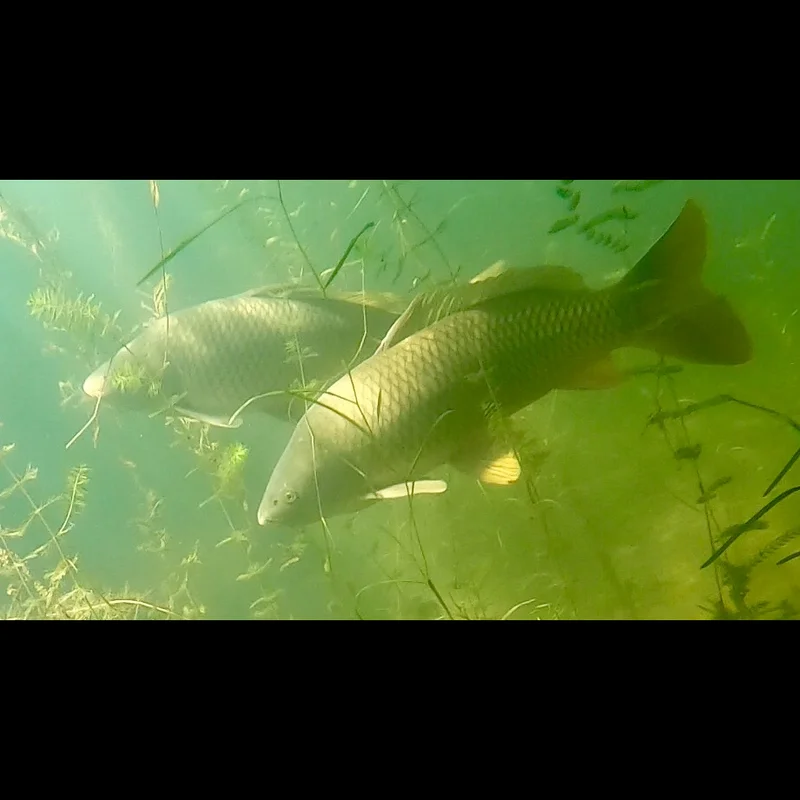
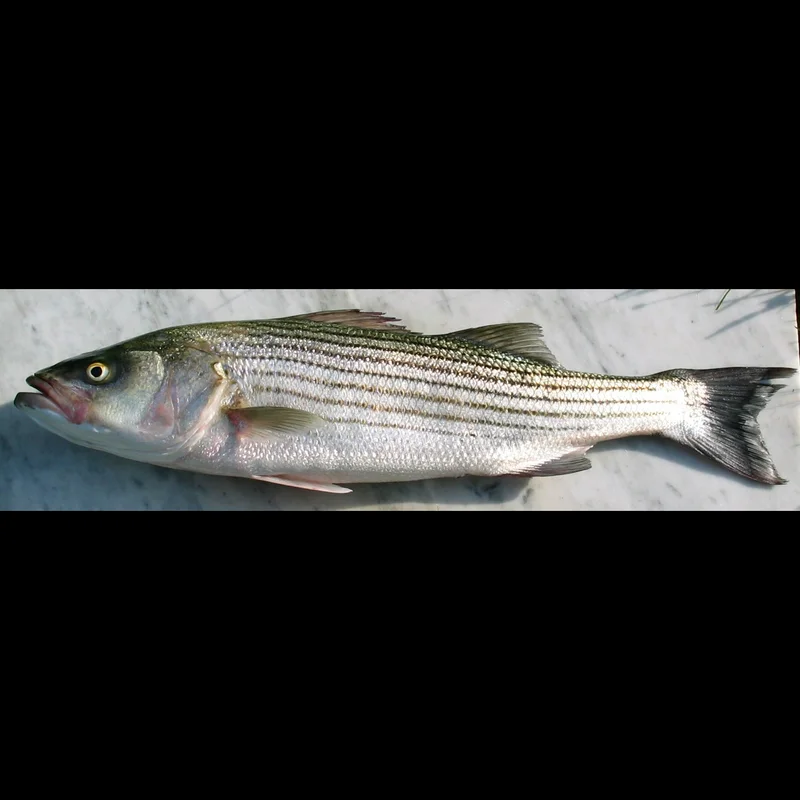
Bull Shoals Lake, recognized as a fishing destination, offers divers encounters with a variety of aquatic life amidst its diverse underwater landscape. Divers frequently observe largemouth and smallmouth bass, crappie, walleye, and blue gills.
These fish often congregate around the hundreds of man-made brush piles, long gravel points, and extensive underwater forests, creating dynamic viewing opportunities. Gar, carp, and drum are also present, adding to the lake's fish diversity.

Dive Sites Near Bull Shoals Lake
View all dive sites in United StatesDiscover more underwater gems in this area.
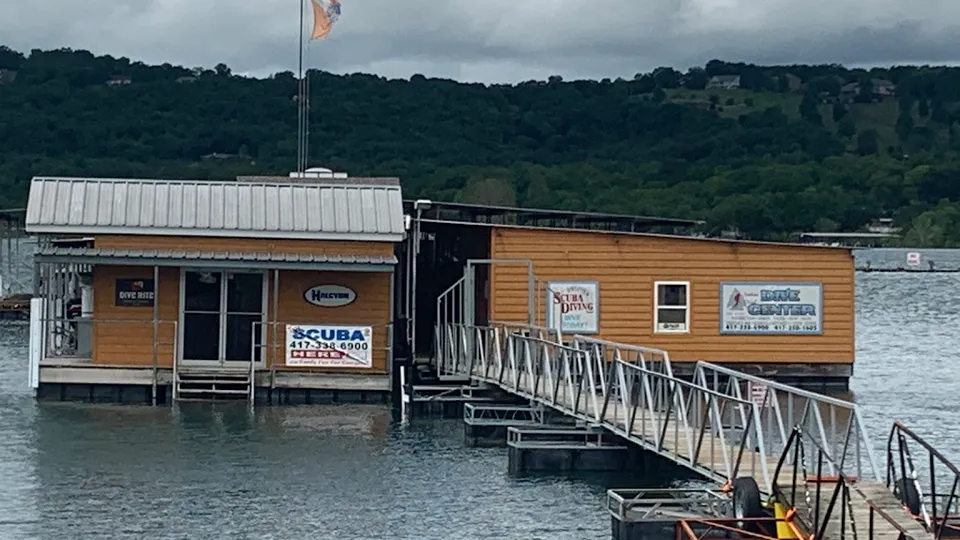
Dive Centers Near Bull Shoals Lake
Today: 10:00 - 17:00
Nearest Airports
Nearest airports to help plan travel to this dive area.
Search Flights
Check available flights and routes on Expedia, using the nearby airports listed in this section.
Search Flights on Expedia
Plan Your Stay
Looking for a place to stay for your dive trip? Explore hotels, stays, and vacation rentals for dive groups near Bull Shoals.
Dive Navigator may earn a commission from these links at no extra cost to you.
Frequently Asked Questions
Can I dive in Bull Shoals Lake year-round?
Yes, Bull Shoals Lake is suitable for year-round diving as the water never freezes over. Winter water temperatures average in the 10-15°C / 50s°F range, while summer temperatures climb to 26-29°C / 80s°F.
What kind of visibility can I expect?
Visibility in Bull Shoals Lake is generally excellent, typically ranging from 6 to 12 meters / 20 to 40 feet minimum. This clear water allows for good exploration of the various dive sites.
Are there dive shops or guided tours available?
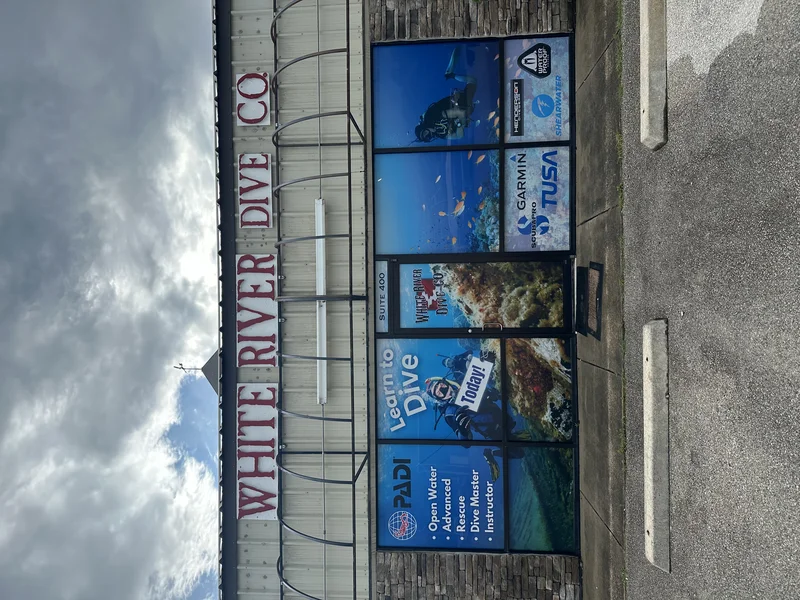
Yes, there are dive shops that offer tank refills, gear rental, and PADI certification courses. Guided day and night tours are also available, often requiring proof of PADI certification.
What types of underwater sites can be explored?
Divers can explore 15 unique mapped sites, including 60-meter / 200-foot rock walls with caverns, extensive underwater forests of oak and hickory, and long gravel points. There are also sunken farm implements and several shipwrecks, such as a sailboat and military boats.
Is spearfishing permitted in Bull Shoals Lake?
Yes, spearfishing is permitted. There is a nine-month season for walleye, crappie, and catfish, with year-round spearfishing allowed for gar, carp, and drum.
What certifications are needed for diving?
A PADI certification is generally required for joining guided diving tours. Obtaining an open water certification also allows divers to explore the lake independently and prepares them for future dive trips.
Planning to dive Bull Shoals Lake?
Send one inquiry and receive offers directly from the best verified local dive operators.
Conditions are Excellent
07:00 - 14:00
Optimal conditions expected
Current conditions near Bull Shoals Lake show 27° air, --° sea temperature, N/A waves, and 13 km/h wind. Forecast data is refreshed regularly to ensure accuracy.