
Diving at Capt Bill Fite Memorial Reef (United States)
A tribute beneath the waves, the Capt Bill Fite Memorial Reef serves as an enduring artificial habitat for marine life off the Florida coast. Built from meticulously placed pyramids, the site offers a structured environment for divers seeking a purposeful underwater experience. It's designed to promote biodiversity and provide a unique exploration within the local artificial reef network.
Evening condition tracking at Capt Bill Fite Memorial Reef features an air temperature of 24.5°C. We have recorded wave heights measuring 0.7 m during this period. These figures outline the environmental parameters currently present.
Dive Site Location & Key Facts
Dive Site Overview
Deployed with purpose, Capt Bill Fite Memorial Reef was meticulously established on June 3, 1999, to honor the late Capt Bill Fite and create a vibrant underwater habitat. A significant artificial reef project, it utilized 22 ARI (Artificial Reef Institute) Pyramids, incorporating small, medium, and large units to engineer a complex and varied environment.
These structures rapidly accumulate marine growth, forming crucial substrata that attract and shelter a wide array of fish species. The pyramids contribute substantially to enhancing the local underwater ecosystem, providing both ecological benefits and recreational value for divers. Its presence reflects a strong community commitment to ocean health, offering an engaging dive destination that boosts marine life populations along this coastline.
Divers will find a structured environment for exploration, contrasting with natural reef formations.
Conditions are Good
07:00 - 14:00
Optimal conditions expected
Current conditions near Capt Bill Fite Memorial Reef show 25° air, 30° sea temperature, 0.3 m waves, and 22 km/h wind. Forecast data is refreshed regularly to ensure accuracy.
Best Time to Dive
Considering optimal conditions, diving at Capt Bill Fite Memorial Reef is favorable across many months, though peak comfort generally aligns with warmer air temperatures. Air temperatures range from a cooler 11°C (52°F) in January to a balmy 28°C (82°F) in August, suggesting wetsuit preferences will shift seasonally. Water temperatures aren't consistently reported, but often follow air temperature patterns, remaining generally comfortable for diving during the warmer months. Rainfall tends to be lowest in October and November, which often correlates with better underwater visibility due to less runoff. Wave heights are typically lower during summer and early fall, particularly from July through September, making for calmer boat rides and easier entries. Wind speeds also exhibit a tendency to be lower during these months, further contributing to more stable surface conditions.
PEAK SEASON SCORE
Scores combine air & water temps, waves, wind & rainfall for overall conditions.
BEST MONTHS TO DIVE
Monthly records compiled from satellite and marine observation nodes over the last 3 years. Data provided by Open-Meteo and MET Norway.
Dive Experience & Conditions
Diving the Capt Bill Fite Memorial Reef involves exploring a landscape of purpose-built artificial structures. While specific depths can vary across the site, it generally resides within common recreational dive limits, providing opportunities for divers of various experience levels. The deployed pyramids create a dynamic vertical profile from the seabed, offering numerous nooks and ledges for exploration. Divers should anticipate navigating around these structures, which may present moderate currents depending on tidal flow. Good buoyancy control becomes essential when moving through the intricate pyramid formations. Visibility varies depending on plankton blooms and weather conditions but is often good enough to appreciate the scale and design of the artificial reef structures.
Dive Difficulty & Safety Guidelines
Approaching the Capt Bill Fite Memorial Reef demands attention to standard diving safety protocols, especially given its artificial structure. Divers must maintain excellent buoyancy control to avoid contact with the reef structures and minimize disturbance to marine life. Effective navigation skills are beneficial for exploring the pyramid formations and ensuring a safe return to the ascent point.
Awareness of boat traffic overhead is always prudent when diving offshore, so deploying a surface marker buoy (SMB) is recommended. There are no specific hazards consistently reported for this site, but like any artificial reef, potential snags from fishing lines or debris can occur.
Always dive within your certification limits and plan your dive to account for depth and bottom time.
Recommended Equipment
- Dive Computer
This gear list is based on verified equipment signals for Capt Bill Fite Memorial Reef, United States. Always confirm final gear choices with your dive operator, guide, or liveaboard.
Recommended Dive Suit
For many recreational divers, dive skin or rash guard provides a practical level of insulation in these conditions. Consider warmer surface protection (like a boat coat) due to brisk winds. Divers who tend to get cold easily may prefer slightly thicker exposure protection.
At the moment, divers exploring Capt Bill Fite Memorial Reef will likely experience water temperatures near 30°C (86°F). Surface air temperatures are resting at 25°C (76°F).
The next few days appear likely to bring similar environmental conditions.
Due to technical issues with our weather providers, live updates are temporarily delayed. The data above reflects the conditions at the time of the last successful fetch.
Emergency & Medical Support
Essential information to help you plan your dive trip to Capt Bill Fite Memorial Reef.

Hyperbaric chambers are a critical part of dive safety infrastructure. Availability varies significantly by region, and not all dive areas have immediate access.
Before diving, it's recommended to:
- confirm nearest medical facilities
- check emergency procedures with local dive operators
- ensure dive insurance covers evacuation if required
Divers Alert Network
Diving emergency assistance available through DAN World.
+1-919-684-9111- 24/7 emergency hotline
- Diving medical assistance
- Evacuation coordination
Emergency contacts are provided for reference. Always verify local emergency services before diving.
Marine Life at Capt Bill Fite Memorial Reef
Marine life flourishes around the Capt Bill Fite Memorial Reef's pyramids, creating a dynamic ecosystem beneath the waves. The artificial structures provide essential shelter and feeding grounds, attracting a diverse range of species.
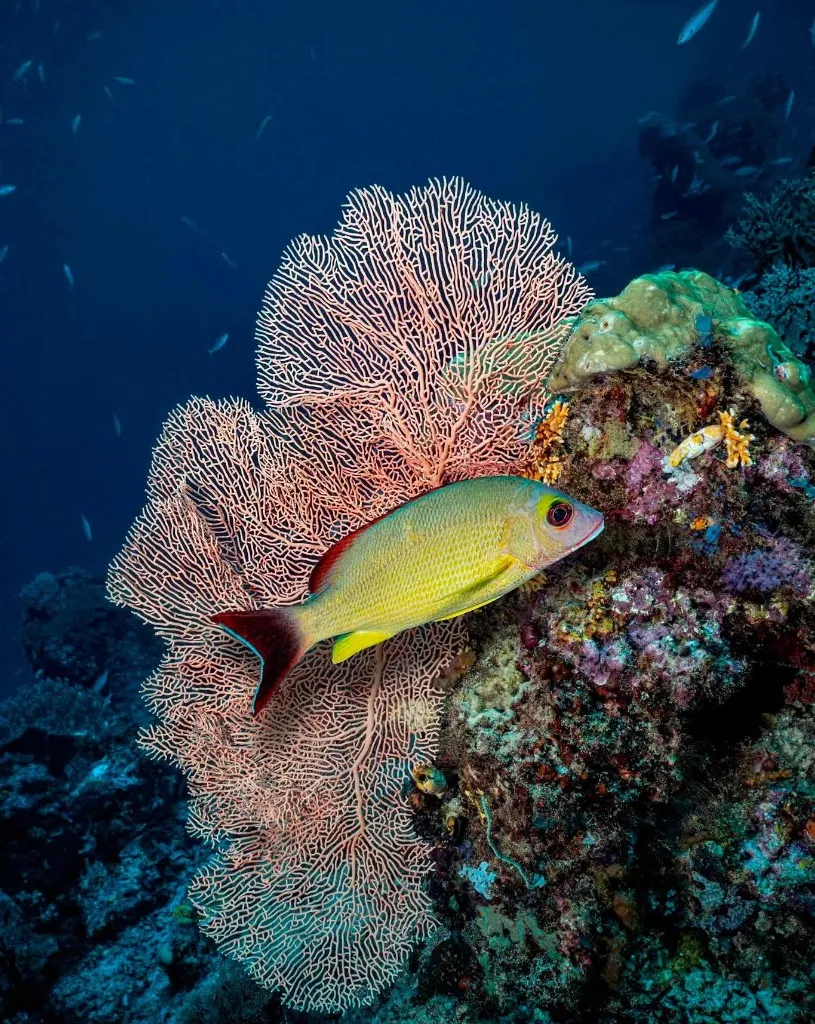
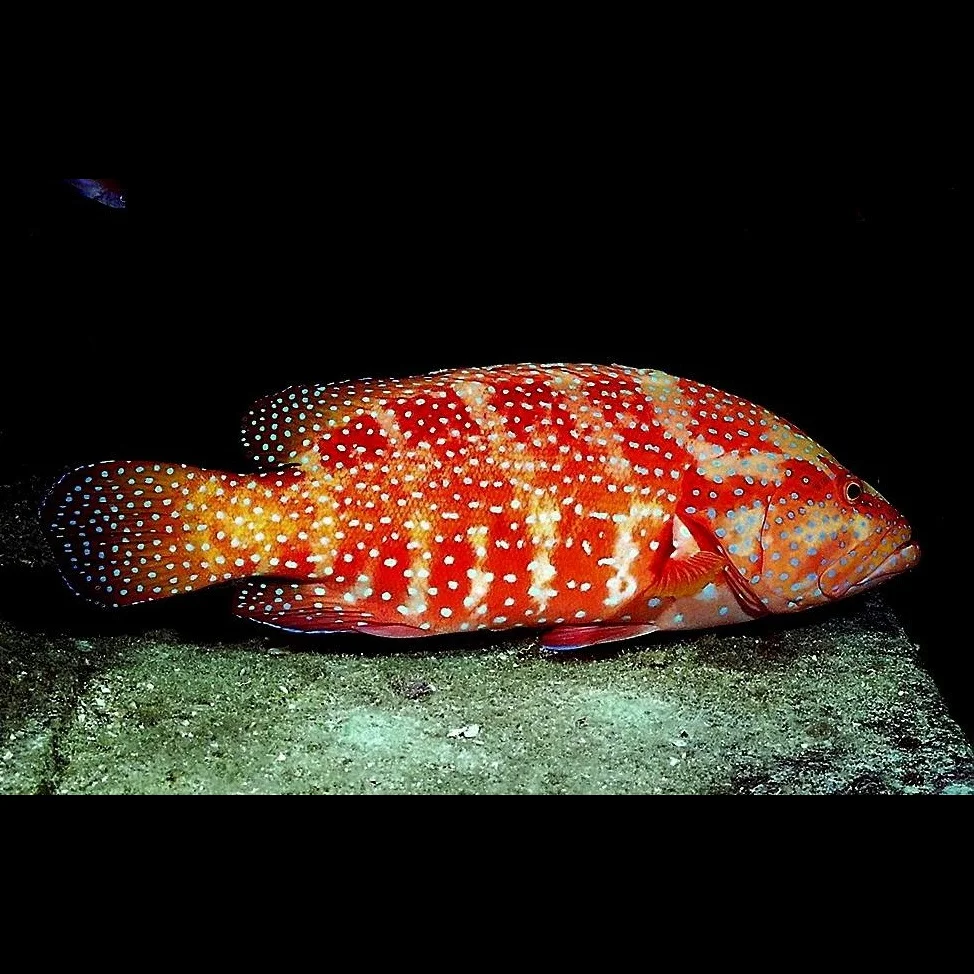
Divers often observe various reef fish, including snappers and groupers, utilizing crevices for protection. Surfaces of the pyramids become encrusted with corals and sponges, offering further habitat.
Schools of baitfish frequently congregate around the structures, creating dynamic scenes for underwater observation. This site functions as an important refuge, contributing to local fish populations and enhancing the overall biodiversity of the area.
Dive Centers Near Capt Bill Fite Memorial Reef
Today: 09:00 - 16:00
Nearest Airports
Nearest airports to help plan travel to this dive area.
Search Flights
Check available flights and routes on Expedia, using the nearby airports listed in this section.
Search Flights on Expedia
Plan Your Stay
Looking for a place to stay for your dive trip? Explore hotels, stays, and vacation rentals for dive groups near Mexico Beach.
Dive Navigator may earn a commission from these links at no extra cost to you.
Frequently Asked Questions
What is the primary purpose of the Capt Bill Fite Memorial Reef?
The reef was established as a tribute to Capt Bill Fite, designed to create an artificial habitat. Its primary purpose is to enhance local marine biodiversity and provide a structured environment for recreational diving. It functions as a key part of the region's artificial reef network.
What kind of structures make up the reef?
The Capt Bill Fite Memorial Reef is constructed from 22 ARI (Artificial Reef Institute) Pyramids. These include a mix of small, medium, and large units, strategically placed to create diverse habitats and complex underwater landscapes for marine life and divers.
What is the typical depth range for diving this site?
While specific depths vary across the site's footprint, the Capt Bill Fite Memorial Reef generally falls within common recreational dive limits. Divers can expect to explore structures from the seabed up, staying within typical no-decompression limits.
What marine life can divers expect to see?
Divers frequently encounter various reef fish, such as snappers and groupers, finding shelter within the pyramid structures. Schools of baitfish are also attracted to the reef, and the pyramids themselves become colonized by corals and sponges, fostering a rich ecosystem.
Are there any specific safety considerations for this artificial reef?
Maintaining excellent buoyancy control is crucial to avoid contact with the artificial structures and minimize disturbance. Good navigation skills are beneficial, and deploying a surface marker buoy (SMB) is recommended due to its offshore location and potential for boat traffic.
When is the best time of year to dive the Capt Bill Fite Memorial Reef?
Diving is favorable across many months. Warmer air and water temperatures from summer through early fall, typically July through September, often provide the most comfortable conditions. Lower rainfall in October and November can also lead to improved visibility.
Planning to dive Capt Bill Fite Memorial Reef?
Send one inquiry and receive offers directly from the best verified local dive operators.
Conditions are Good
07:00 - 14:00
Optimal conditions expected
Current conditions near Capt Bill Fite Memorial Reef show 25° air, 30° sea temperature, 0.3 m waves, and 22 km/h wind. Forecast data is refreshed regularly to ensure accuracy.