
Diving at Captain Charlie Poor Reef (United States)
While many dive sites engage divers with vibrant, shallow coral gardens, Captain Charlie Poor Reef presents a different, more temperate marine exploration opportunity in the United States. It's a structured submerged environment that often appeals to those seeking an experience away from tropical clichés. Understanding its conditions and likely inhabitants helps divers prepare for a rewarding visit.
Early observations for Captain Charlie Poor Reef report a surface air temperature of 29.5°C. The water surface is currently presenting wave heights of 0.3 m. Consider these environmental metrics before beginning your descent.
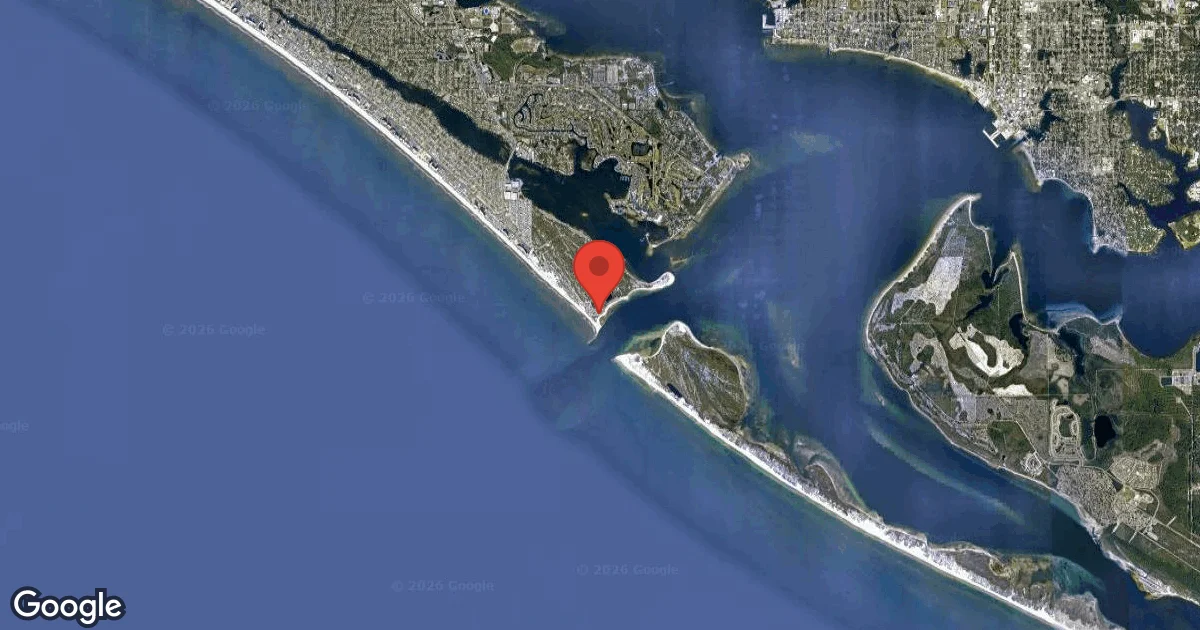
Dive Site Location & Key Facts
Dive Site Overview
Captain Charlie Poor Reef presents a structured submerged environment, characteristic of temperate artificial or natural reef formations designed to attract marine life. While its exact configuration isn't consistently reported, divers can expect varied depths for exploration.
Such structures commonly provide crevices and overhangs that serve as shelter for diverse species. Maximum depths at similar temperate reef sites often extend to recreational limits, potentially reaching 30 m (100 ft). Dive plans should account for a gradual descent, allowing for thorough observation of the reef's surfaces and the organisms colonizing them.
This approach helps divers appreciate the subtle ecological processes at play. Expect to navigate formations ranging from scattered rubble fields to more substantial ledges, creating a dynamic underwater landscape.
A critical habitat, the reef system itself fosters a micro-ecosystem, offering much for divers to observe closely. As you explore, pay attention to subtle changes in elevation and how marine growth adheres to these structures.
Water temperatures here are not consistently reported, but based on regional data, they tend to be cooler than tropical sites, often requiring appropriate thermal protection for extended dives. Visibility will vary with current conditions and recent weather, impacting how far you can view the reef's expanse at any given moment. Recreational divers can comfortably explore much of the site, making it accessible for varying experience levels.
Planning for a multi-level dive is often effective, allowing for deeper exploration followed by shallower safety stops amidst upper reef sections. A dive here encourages slower, more deliberate observation, allowing divers to uncover the less obvious inhabitants and intricate details of the habitat.
Conditions are Excellent
07:00 - 14:00
Optimal conditions expected
Current conditions near Captain Charlie Poor Reef show 29° air, 30° sea temperature, 0.3 m waves, and 18 km/h wind. Forecast data is refreshed regularly to ensure accuracy.
Best Time to Dive
Optimizing visibility for a dive at Captain Charlie Poor Reef often aligns with periods of settled weather and calmer seas. The best conditions generally occur from July through November, when dive scores are consistently high (8 out of 10). During these months, wave heights are typically lower, averaging around 0.6-0.8 meters. Air temperatures range comfortably from 28.5°C (83°F) in July to 18°C (64°F) in November. Rainfall is also comparatively low in October, at just 1.3 mm, contributing to better underwater clarity. While specific water temperature data isn't available, warmer air temperatures during these months usually indicate more comfortable ocean conditions, though thermal protection is always recommended.
PEAK SEASON SCORE
Scores combine air & water temps, waves, wind & rainfall for overall conditions.
BEST MONTHS TO DIVE
Monthly records compiled from satellite and marine observation nodes over the last 3 years. Data provided by Open-Meteo and MET Norway.
Dive Experience & Conditions
Exploring Captain Charlie Poor Reef typically involves navigating depths within the recreational range, offering various exploration levels. Divers can anticipate conditions influenced by seasonal weather patterns, where current strength may vary. On calm days, the reef can be a relaxing drift, but stronger currents are possible, particularly during changing tides or after weather systems. Water temperatures are not consistently reported, however, based on regional patterns and air temperatures, divers should prepare for cooler conditions outside of peak summer months. Visibility here varies depending on recent weather and tidal flushing, sometimes offering clear views while other times presenting more limited range. Planning your dive around slack tide can often mitigate stronger currents, enhancing the overall experience.
Dive Difficulty & Safety Guidelines
As with any open water environment, understanding potential hazards is central to a safe dive experience at Captain Charlie Poor Reef. Divers should always plan for variable currents, which can shift in strength and direction, especially near coastal inlets or after strong weather. Boat traffic in the area requires divers to use surface marker buoys both during ascent and while at the surface, ensuring visibility to passing vessels.
Maintain strict adherence to your dive computer's limits and conduct safety stops. Always dive with a buddy, staying within sight and reach throughout the dive.
Regular equipment checks are also critical before entering the water, ensuring all gear is functioning correctly.
Recommended Equipment
- Dive Computer
This gear list is based on verified equipment signals for Captain Charlie Poor Reef, United States. Always confirm final gear choices with your dive operator, guide, or liveaboard.
Recommended Dive Suit
Comfort levels can also depend on how active a diver is during the dive.
Environmental readings suggest that the waters surrounding Captain Charlie Poor Reef are about 30°C (86°F) at the moment. Surface air temperatures are resting at 29°C (85°F). When water temperatures fall within this range, many divers dive comfortably with dive skin or rash guard.
Weather models indicate a small drop in surface temperatures later this week. Cooler days are ahead; you might want a warmer option for later in the week. A thicker wetsuit may be worth considering for extended dives.
Emergency & Medical Support
Essential information to help you plan your dive trip to Captain Charlie Poor Reef.

Hyperbaric chambers are a critical part of dive safety infrastructure. Availability varies significantly by region, and not all dive areas have immediate access.
Before diving, it's recommended to:
- confirm nearest medical facilities
- check emergency procedures with local dive operators
- ensure dive insurance covers evacuation if required
Divers Alert Network
Diving emergency assistance available through DAN World.
+1-919-684-9111- 24/7 emergency hotline
- Diving medical assistance
- Evacuation coordination
Emergency contacts are provided for reference. Always verify local emergency services before diving.
Marine Life at Captain Charlie Poor Reef
Upon descending at Captain Charlie Poor Reef, divers may first observe the structural elements of the reef itself, which provide foundational habitats. As a temperate site, you might encounter diverse species commonly found in these environments, rather than large tropical fish.
Depending on the season and specific conditions, smaller reef fish, various crustaceans, and bottom-dwelling invertebrates are often present. Keep an eye out for potential resident species seeking shelter within the reef's nooks and crannies. Observing the ecosystem here reveals the subtle interplay of life adapted to temperate waters.
Dive Sites Near Captain Charlie Poor Reef
View all dive sites in United StatesDiscover more underwater gems in this area.
Dive Centers Near Captain Charlie Poor Reef
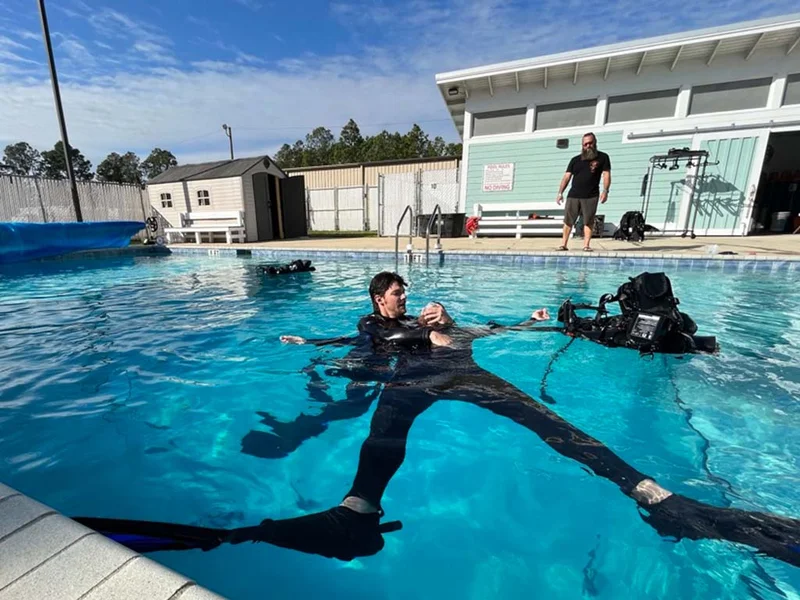
Today: 09:00 - 16:00
Nearest Airports
Nearest airports to help plan travel to this dive area.
Search Flights
Check available flights and routes on Expedia, using the nearby airports listed in this section.
Search Flights on Expedia
Plan Your Stay
Looking for a place to stay for your dive trip? Explore hotels, stays, and vacation rentals for dive groups near Panama City Beach.
Dive Navigator may earn a commission from these links at no extra cost to you.
Frequently Asked Questions
What is Captain Charlie Poor Reef like underwater?
It's a structured temperate reef environment, either artificial or natural, featuring various depths. Divers can expect crevices, overhangs, and formations from rubble to ledges, providing shelter for marine life.
What is the maximum depth at Captain Charlie Poor Reef?
The reef extends to recreational limits, potentially reaching 30 m (100 ft). Divers can plan for a gradual descent, exploring various sections of the structure.
When is the best time to dive Captain Charlie Poor Reef?
The best conditions for diving are generally from July through November, offering lower wave heights and higher dive scores. October also has comparatively low rainfall, which often aids visibility.
What are the typical water conditions?
Water temperatures are not consistently reported but tend to be cooler than tropical sites, necessitating proper thermal protection. Visibility varies with recent weather and tidal flushing; currents can be variable, particularly during changing tides.
What kind of marine life can I expect to see?
As a temperate site, divers may encounter smaller reef fish, various crustaceans, and bottom-dwelling invertebrates. Look for species seeking shelter within the reef's structural elements and on its surfaces.
Are there any specific safety guidelines for this reef?
Divers should plan for variable currents and use surface marker buoys due to potential boat traffic. Always dive with a buddy, adhere to dive computer limits, and conduct safety stops.
What equipment should I consider bringing?
Given the potential for cooler water temperatures and variable currents, appropriate thermal protection is recommended. A reliable signaling device is also advisable for surface visibility and safety.
Planning to dive Captain Charlie Poor Reef?
Send one inquiry and receive offers directly from the best verified local dive operators.
Conditions are Excellent
07:00 - 14:00
Optimal conditions expected
Current conditions near Captain Charlie Poor Reef show 29° air, 30° sea temperature, 0.3 m waves, and 18 km/h wind. Forecast data is refreshed regularly to ensure accuracy.