
Diving at Captain Mike Neal's Reef #1 (United States)
Captain Mike Neal's Reef #1 consists of a deliberate collection of concrete reefballs resting on the seafloor. This artificial structure serves as a dedicated habitat, purposefully designed to create an underwater landscape for marine life. Divers approaching this site will find a series of robust, man-made formations. It provides a distinct contrast to natural coral environments, forming a focal point for exploration and observation in an otherwise featureless expanse.
Evening condition tracking at Captain Mike Neal's Reef #1 features an air temperature of 26°C. We have recorded wave heights measuring 0.4 m during this period. These figures outline the environmental parameters currently present.
Dive Site Location & Key Facts
Dive Site Overview
Exploring Captain Mike Neal's Reef #1 reveals an artificial habitat meticulously placed to foster marine ecosystems. This site, created with concrete reefballs, represents a foundational structure for local aquatic life, reaching a maximum depth of approximately 41 meters (135 ft).
Deployed on October 28, 1997, it was funded and deployed by MBARA, the Mexico Beach Artificial Reef Association, underscoring a community effort to enhance local diving and fishing opportunities. Diving here offers the chance to witness how man-made structures integrate into the marine environment, attracting a variety of species that seek shelter and foraging grounds. The reef serves as a critical aggregation point, even if classified as a "weak artificial" reef, indicating it may still be developing or is less robust than some other sites.
Its specific composition of five reefball modules creates distinct nooks and crannies for exploration. Divers should prepare for a submerged environment focused on the structural elements and the life they attract.
Conditions are Excellent
07:00 - 14:00
Optimal conditions expected
Current conditions near Captain Mike Neal's Reef #1 show 26° air, 30° sea temperature, 0.3 m waves, and 20 km/h wind. Forecast data is refreshed regularly to ensure accuracy.
Best Time to Dive
Planning a dive at Captain Mike Neal's Reef #1 hinges on optimizing for comfortable conditions and better visibility. While specific water temperature data for this site isn't consistently reported, regional patterns suggest warmer conditions from May through October, aligning with average air temperatures peaking around 28°C (82°F) in July and August. These months also frequently exhibit lower wave heights, typically around 0.6-0.8 meters (2-2.6 ft), which generally contribute to improved underwater clarity. Conversely, the cooler months, such as January and February, see air temperatures drop to 11-14°C (52-57°F) with slightly higher wave activity and wind speeds. Although dive scores remain consistently good throughout the year, factors like wind speeds, which average 14-20 km/h (9-12 mph), can influence surface conditions and, by extension, visibility during descent and ascent.
PEAK SEASON SCORE
Scores combine air & water temps, waves, wind & rainfall for overall conditions.
BEST MONTHS TO DIVE
Monthly records compiled from satellite and marine observation nodes over the last 3 years. Data provided by Open-Meteo and MET Norway.
Dive Experience & Conditions
Descending to Captain Mike Neal's Reef #1, divers will approach the distinct formations of concrete reefballs. The site bottom sits at around 41 meters (135 ft), placing it firmly within recreational depth limits but requiring careful dive planning. These artificial structures themselves provide immediate points of interest and welcome relief from the surrounding sandy bottom. Water conditions vary; however, calmer seas typically offer the best opportunities for observing the reefball modules and their resident inhabitants. Expect to navigate closely around these structures, which create numerous crevices and ledges suitable for marine life. Current can be present, and divers should be prepared to adjust their dive plan accordingly, potentially using negative entry or drift techniques. This deeper artificial reef effectively serves as a concentrated hub for marine activity within an otherwise open, sandy expanse.
Dive Difficulty & Safety Guidelines
Diving at Captain Mike Neal's Reef #1 requires adherence to established safety protocols, given its maximum depth of 41 meters (135 ft). Proper dive planning, including gas management and decompression limits, is paramount. Always monitor your gauges and maintain situational awareness.
Because it is an artificial reef, entanglement hazards from fishing lines or debris, though not specifically reported for this site, are always a possibility on such structures. Buoyancy control becomes crucial, especially around the reefballs, to prevent accidental contact and to protect both the diver and the habitat. Never attempt to exceed your certification limits, and always dive with a buddy.
Recommended Equipment
- Dive Computer
This gear list is based on verified equipment signals for Captain Mike Neal's Reef #1, United States. Always confirm final gear choices with your dive operator, guide, or liveaboard.
Recommended Dive Suit
Dive skin or rash guard is widely used for recreational dives in waters of this temperature. A hood or vest is suggested for sensitive divers due to surface winds. For divers entering the water at Captain Mike Neal's Reef #1, temperatures are currently hovering around 30°C (86°F). Surface air temperatures are resting at 26°C (79°F).
Short-term weather patterns suggest stable conditions for divers visiting the area.
Water temperatures can occasionally shift throughout the day depending on currents and depth layers.
Emergency & Medical Support
Essential information to help you plan your dive trip to Captain Mike Neal's Reef #1.

Hyperbaric chambers are a critical part of dive safety infrastructure. Availability varies significantly by region, and not all dive areas have immediate access.
Before diving, it's recommended to:
- confirm nearest medical facilities
- check emergency procedures with local dive operators
- ensure dive insurance covers evacuation if required
Divers Alert Network
Diving emergency assistance available through DAN World.
+1-919-684-9111- 24/7 emergency hotline
- Diving medical assistance
- Evacuation coordination
Emergency contacts are provided for reference. Always verify local emergency services before diving.
Marine Life at Captain Mike Neal's Reef #1
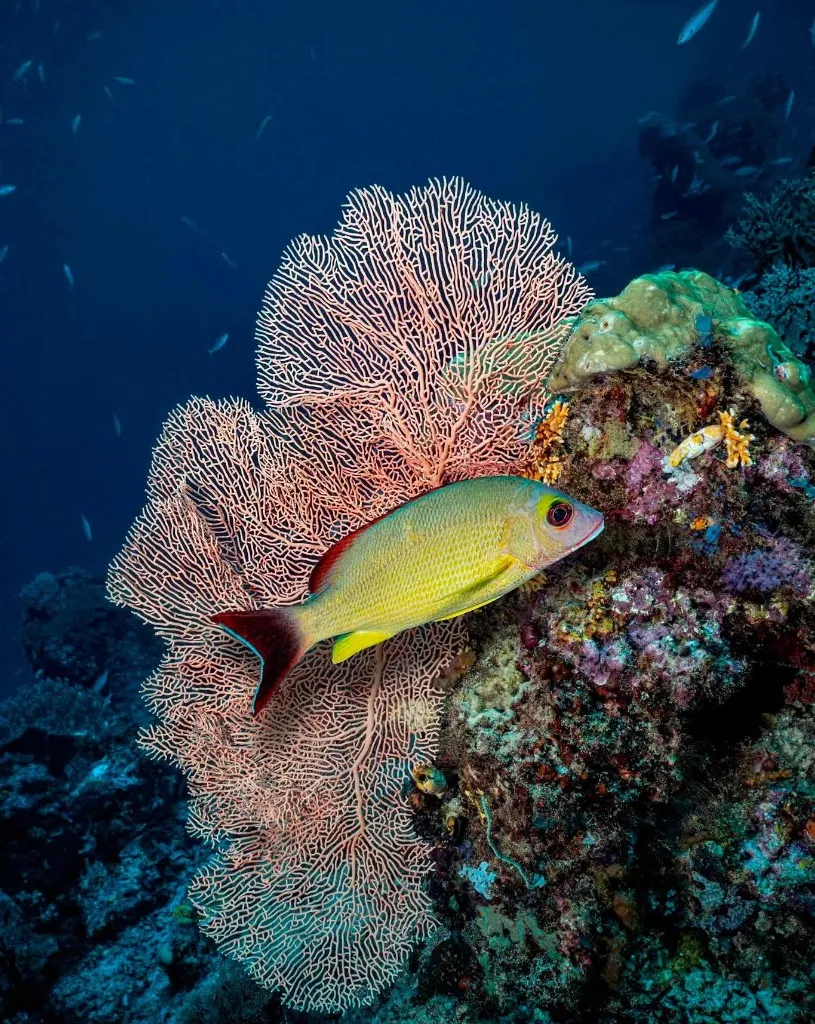
While Captain Mike Neal's Reef #1 is an artificial structure, similar reefball deployments in the region support a range of marine life. Divers might encounter various species of grouper, including Goliath groupers, which have been observed ranging from under 1 meter (3 ft) to over 1.5 meters (5 ft) on nearby reefs.
Smaller reef residents, like regal demoiselles, often measuring only 1-5 cm (0.5-2 inches), provide flashes of color among the concrete structures.
Additionally, juvenile lane and vermillion snappers are known to congregate near the top of similar reefs. Lesser electric rays might also be spotted near the sandy periphery, indicating the reef’s role in supporting a broader ecosystem.

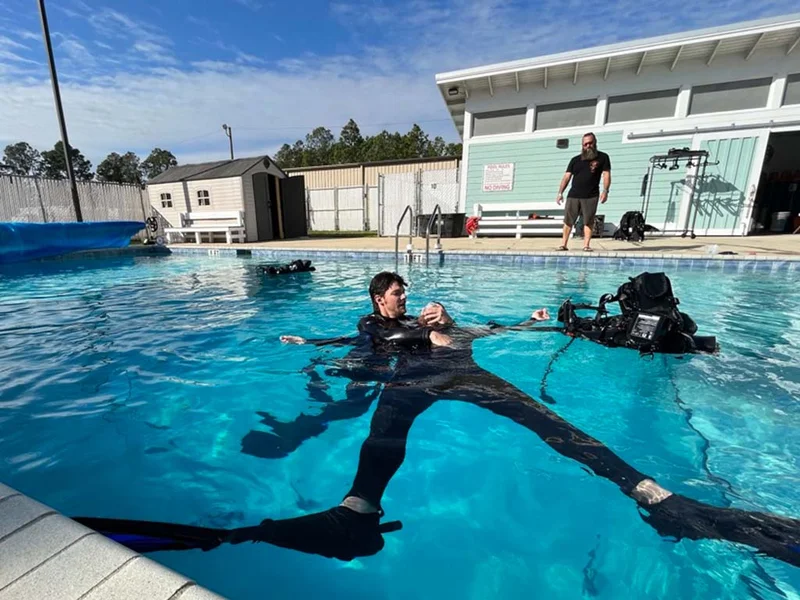
Dive Centers Near Captain Mike Neal's Reef #1
Today: 09:00 - 16:00
Nearest Airports
Nearest airports to help plan travel to this dive area.
Search Flights
Check available flights and routes on Expedia, using the nearby airports listed in this section.
Search Flights on Expedia
Plan Your Stay
Looking for a place to stay for your dive trip? Explore hotels, stays, and vacation rentals for dive groups near Mexico Beach.
Dive Navigator may earn a commission from these links at no extra cost to you.
Frequently Asked Questions
What kind of reef is Captain Mike Neal's Reef #1?
It's an artificial reef constructed from five concrete reefball modules. These structures were specifically deployed to create an underwater habitat for marine life.
How deep is Captain Mike Neal's Reef #1?
The reef sits at a maximum depth of approximately 41 meters (135 ft). This depth categorizes it as a deeper recreational dive, requiring appropriate training and experience.
When was this reef deployed?
Captain Mike Neal's Reef #1 was deployed on October 28, 1997. It was part of a broader effort by the Mexico Beach Artificial Reef Association (MBARA) to establish artificial habitats.
What kind of marine life can be seen at this site?
While specific sightings for this reef vary, similar artificial reefs in the area attract Goliath groupers, various juvenile snappers, and smaller creatures like regal demoiselles. Divers might also spot lesser electric rays near the sandy bottom.
What are the typical water conditions?
Specific water temperature data is not consistently reported for this exact site. However, regional trends suggest warmer waters from late spring through early fall. Wave height and wind speed, which influence surface conditions and underwater visibility, tend to be lower during these months.
Are there any specific hazards to be aware of?
No specific hazards have been reported for Captain Mike Neal's Reef #1. However, as with any artificial reef, divers should be aware of potential entanglement from discarded fishing gear and practice excellent buoyancy control to avoid damaging the structures or stirring up sediment.
Planning to dive Captain Mike Neal's Reef #1?
Send one inquiry and receive offers directly from the best verified local dive operators.
Conditions are Excellent
07:00 - 14:00
Optimal conditions expected
Current conditions near Captain Mike Neal's Reef #1 show 26° air, 30° sea temperature, 0.3 m waves, and 20 km/h wind. Forecast data is refreshed regularly to ensure accuracy.