
Diving at Causeway Reef #6 (United States)
Causeway Reef #6 offers an accessible artificial reef experience suitable for certified divers aiming to explore the thriving Gulf Coast underwater environment. While many of the artificial reefs in the region cater to advanced divers with deeper profiles, Causeway Reef #6 is generally considered a recreational dive. This site serves as a prime example of successful reef deployment, attracting a diverse range of marine life to its structure.
Tonight's objective overview for Causeway Reef #6 shows an air temperature of 27°C. The measured surface conditions include wave heights around 0.1 m. This environmental data is logged for the close of the day.
Dive Site Location & Key Facts
Dive Site Overview
Its distinct appeal stems from its role within a comprehensive artificial reef program designed to enhance the marine ecosystem of the Gulf waters. These deliberately deployed structures, often repurposed materials like bridge spans or vessels, rapidly transform into vibrant habitats.
Early colonization by barnacles, algae, and urchins quickly creates a foundation for a broader array of reef fish and invertebrates, as seen on sites like the RMS Atlantis which showed significant growth within a year of deployment. Unlike entirely natural formations, these artificial reefs provide a predictable, yet evolving, underwater landscape.
Divers often find themselves navigating through structures that were once part of the surface world, now teeming with marine activity. The commitment to mapping these resources, making GPS waypoints available, ensures divers can reliably locate and explore these dynamic artificial habitats.
Panama City Beach's artificial reef program ensures a continually updated series of dive sites, with Causeway Reef #6 being one component of this expansive network.
Conditions are Good
Optimal conditions expected
Current conditions near Causeway Reef #6 show 27° air, 31° sea temperature, 0.3 m waves, and 23 km/h wind. Forecast data is refreshed regularly to ensure accuracy.
Best Time to Dive
Planning your dive to Causeway Reef #6 typically yields the most comfortable conditions during the warmer months, particularly May and July, which consistently receive "Excellent" dive scores. During May, divers can anticipate pleasant air temperatures averaging around 26°C (79°F) with relatively calm waves, averaging 0.5 meters (1.6 feet), and minimal rainfall, approximately 2 mm (0.08 inches). July presents even warmer air temperatures, reaching about 28°C (82°F), coupled with the calmest average wave heights at 0.3 meters (1.0 feet). While these months offer peak conditions, diving remains "Good" throughout most of the year. Even in cooler periods like January, air temperatures hover around 17°C (63°F), indicating mild conditions above the surface. Visibility can fluctuate with localized weather patterns, but generally, calmer seas correlate with better clarity.
PEAK SEASON SCORE
Scores combine air & water temps, waves, wind & rainfall for overall conditions.
BEST MONTHS TO DIVE
Monthly records compiled from satellite and marine observation nodes over the last 3 years. Data provided by Open-Meteo and MET Norway.
Dive Experience & Conditions
Diving at Causeway Reef #6 involves exploring an artificial structure where conditions can vary, influenced by local currents and recent weather events. These artificial reefs are designed to provide interesting topography for marine life and divers. Depths around similar artificial reefs in the region can range significantly, from shallower sections around 4.5-9 meters (15-30 ft) for nearshore structures to deeper offshore sites that drop to 30-33.5 meters (100-110 ft) to the sand, with the structure often beginning around 21 meters (70 ft). Therefore, understanding the specific depth profile of Causeway Reef #6 is important. Currents are typically mild but can intensify, particularly after tidal changes or during specific seasonal conditions. It's also important to remember that storms can sometimes shift the exact positioning of reef components over time, so recent GPS coordinates should always be consulted for precision.
Dive Difficulty & Safety Guidelines
Approaching Causeway Reef #6 safely requires adherence to standard dive practices, especially considering the potential for shifting reef components. While GPS coordinates for artificial reefs are usually provided, divers should be aware that significant weather events can alter their precise location. Always verify the latest available waypoint information before embarking on your trip.
For any offshore artificial reefs, particularly those exceeding recreational limits, an Advanced-Adventure certification and Nitrox are often prerequisites. A dive flag is a fundamental safety tool, especially when diving from a private vessel, to alert surface traffic to your presence.
Many local charters operating in the region are well-equipped, carrying essential safety gear like emergency oxygen, first aid kits, and AEDs, often with a divemaster on board. Planning your dive within your certification limits and consulting local experts regarding prevailing conditions is paramount.
Recommended Equipment
- Dive Computer
This gear list is based on verified equipment signals for Causeway Reef #6, United States. Always confirm final gear choices with your dive operator, guide, or liveaboard.
Recommended Dive Suit
With water temperatures around 31°C (87°F), many divers find a dive skin or rash guard provides comfortable protection.
Local conditions can vary slightly across different parts of the same dive site.
Conditions are expected to stay fairly consistent in the days ahead.
Emergency & Medical Support
Essential information to help you plan your dive trip to Causeway Reef #6.

Hyperbaric chambers are a critical part of dive safety infrastructure. Availability varies significantly by region, and not all dive areas have immediate access.
Before diving, it's recommended to:
- confirm nearest medical facilities
- check emergency procedures with local dive operators
- ensure dive insurance covers evacuation if required
Divers Alert Network
Diving emergency assistance available through DAN World.
+1-919-684-9111- 24/7 emergency hotline
- Diving medical assistance
- Evacuation coordination
Emergency contacts are provided for reference. Always verify local emergency services before diving.
Marine Life at Causeway Reef #6
The underwater landscape of Causeway Reef #6 thrives with marine life, a direct result of its artificial structure providing shelter and a substrate for growth. Divers can expect to observe a variety of reef fish that have quickly colonized the site.
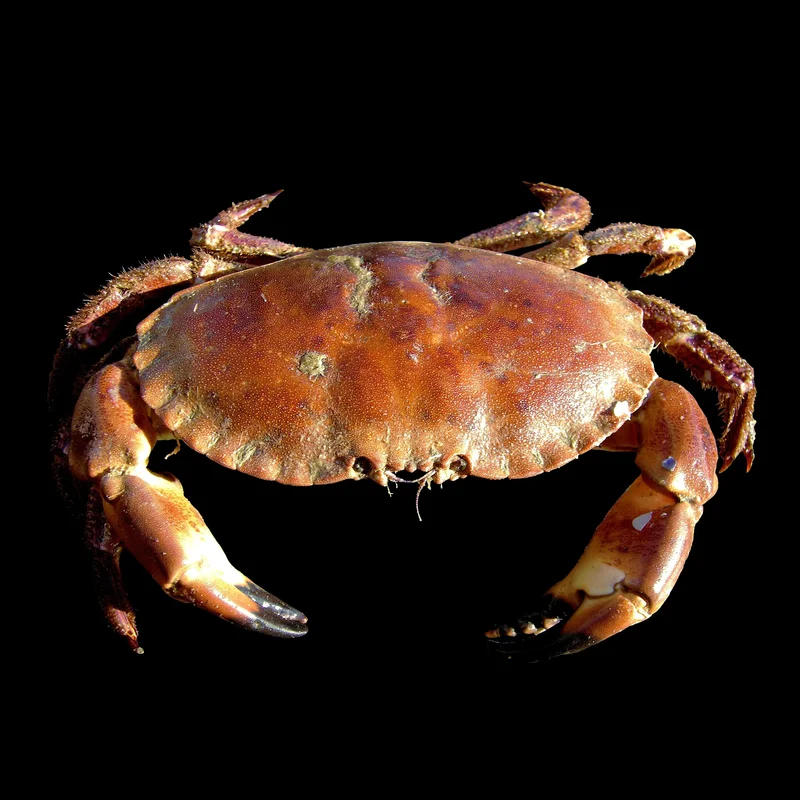
Smaller invertebrates, such as arrow crabs, often find refuge within the crevices of the reef. Barnacles, algae, and urchins are typically abundant, forming the foundational layer of the new ecosystem.
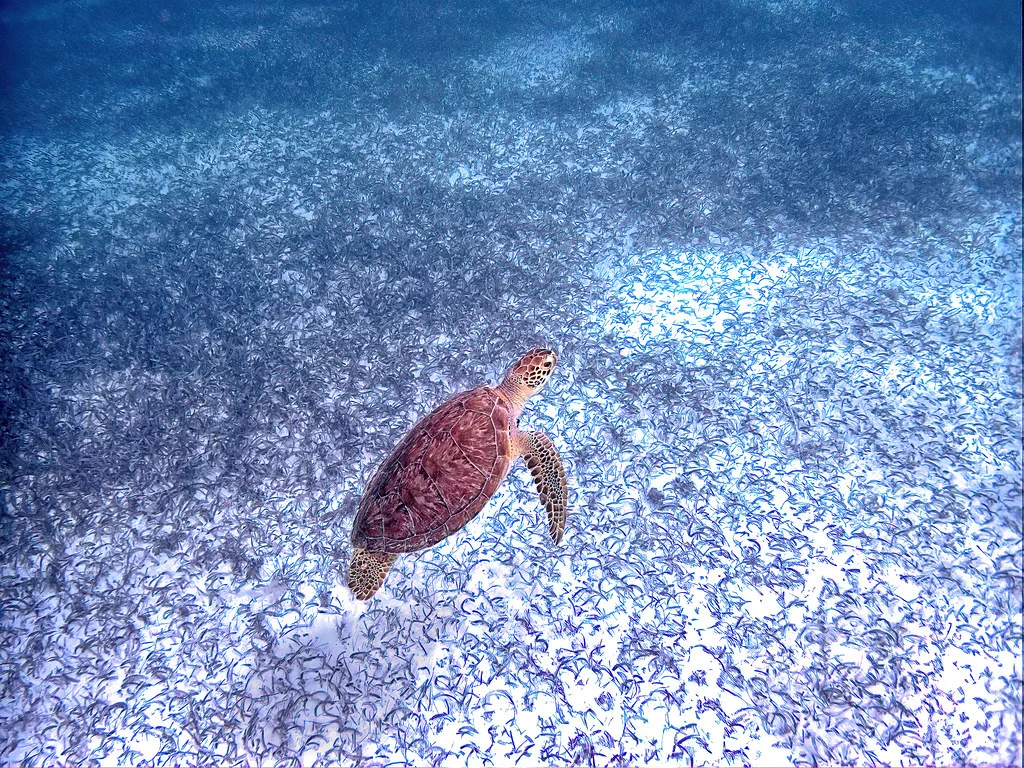
Depending on the season and prevailing currents, encounters with larger pelagic species or even loggerhead turtles, which are known to explore such reefs, are possible.

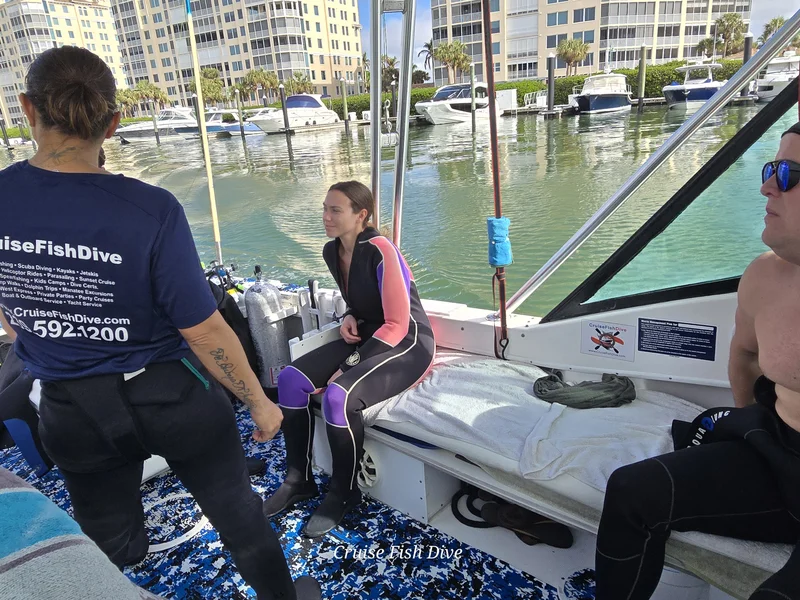
Dive Centers Near Causeway Reef #6
Today: 11:00 - 17:00
Nearest Airports
Nearest airports to help plan travel to this dive area.
Search Flights
Check available flights and routes on Expedia, using the nearby airports listed in this section.
Search Flights on Expedia
Plan Your Stay
Looking for a place to stay for your dive trip? Explore hotels, stays, and vacation rentals for dive groups near Sanibel.
Dive Navigator may earn a commission from these links at no extra cost to you.
Frequently Asked Questions
What type of dive site is Causeway Reef #6?
Causeway Reef #6 is part of an artificial reef system designed to create marine habitats. It typically consists of deployed structures that attract a variety of marine life. These sites are intentional efforts to enhance underwater biodiversity in the region.
What are the typical depths at Causeway Reef #6?
While specific depths for Causeway Reef #6 are not detailed, similar artificial reefs in the area generally range from shallower recreational depths to over 30 meters (100 ft) for offshore structures. Divers should confirm the specific depth profile for this site with local operators.
What kind of marine life can be seen at this reef?
Artificial reefs like Causeway Reef #6 attract various reef fish, crabs, and other invertebrates. Barnacles, algae, and urchins are common on the structures. Occasional sightings of loggerhead turtles or other larger species are also possible.
Is Causeway Reef #6 suitable for beginner divers?
Many artificial reefs in this region are accessible to recreational divers. However, some deeper offshore sites may require advanced certifications. It's best to consult with a local dive shop or charter to confirm the appropriate skill level for Causeway Reef #6.
How do I find Causeway Reef #6?
Artificial reefs are typically documented with GPS coordinates. Updated waypoint files are often provided by local authorities or dive operators. However, be aware that storms can occasionally shift reef components, so always use the most current information available.
What are the best months for diving Causeway Reef #6?
The best months for diving are typically May and July, which offer excellent conditions with warm air temperatures and calm seas. Conditions are generally good throughout most of the year, but these months stand out for optimal comfort and clarity.
Are there any specific safety considerations for this site?
Divers should always carry a surface marker buoy and consult current GPS coordinates, as reef locations can shift. For deeper dives on artificial structures, advanced certifications and possibly Nitrox might be recommended or required. Diving with a reputable local charter is always a good practice.
Planning to dive Causeway Reef #6?
Send one inquiry and receive offers directly from the best verified local dive operators.
Conditions are Good
Optimal conditions expected
Current conditions near Causeway Reef #6 show 27° air, 31° sea temperature, 0.3 m waves, and 23 km/h wind. Forecast data is refreshed regularly to ensure accuracy.