
Diving at Cedar Key Reef Site 3 (United States)
Divers approaching Cedar Key Reef Site 3 should be prepared for variable conditions, as evidenced by average wave heights ranging from 0.5 m (1.6 ft) in July to 0.9 m (3.0 ft) in January. Consistent wind speeds, often exceeding 25 km/h (15.5 mph) across much of the year, further influence surface conditions. While the artificial structures offer a compelling dive, prudent planning is essential to manage potential environmental factors effectively.
Tonight's objective overview for Cedar Key Reef Site 3 shows an air temperature of 27.5°C. The measured surface conditions include wave heights around 0.4 m. This environmental data is logged for the close of the day.
Dive Site Location & Key Facts
Dive Site Overview
This artificial reef site, Cedar Key Reef Site 3, provides a remarkable example of habitat creation through intentional deployment of human-made structures. It's composed of various concrete components, including 60 pieces of concrete culverts measuring between 18 and 40 inches.
Other segments of the site also feature pipes and slabs, with specific areas denoted as Cedar Key Reef Site 3b containing 36 pipes and 6 slabs, and further sections like 3c, 3d, 3e, and 3f adding numerous pipe deployments. These materials collectively form an underwater landscape designed to enhance marine life and recreational diving opportunities. While specific depth details for this exact site are not consistently reported, similar artificial reefs in Florida typically lie within recreational diving limits, often found in the range of 6-12 m (20-40 ft).
Artificial reefs contribute significantly to local coastal communities, increasing reef fish habitat and mitigating the loss of natural hard bottom ecosystems. This site supports a vibrant local ecology by providing shelter and foraging grounds for various species.
Conditions are Excellent
07:00 - 14:00
Optimal conditions expected
Current conditions near Cedar Key Reef Site 3 show 28° air, 30° sea temperature, 0.4 m waves, and 21 km/h wind. Forecast data is refreshed regularly to ensure accuracy.
Best Time to Dive
Planning a dive to Cedar Key Reef Site 3 is generally best during months offering stable weather patterns and comfortable surface conditions. The dive score is consistently rated 'Good' throughout the year, but the spring and fall seasons often present a favorable balance. Air temperatures are pleasant from March to May, averaging 18-25°C (64-77°F), with moderate rainfall and calmer wave conditions, particularly in May which sees average wave heights of 0.6 m (2.0 ft). Early summer, around June and July, also brings warm air temperatures peaking at 27-29°C (81-84°F) and the lowest average wave heights, around 0.5-0.7 m (1.6-2.3 ft), despite a slight increase in rainfall. Avoiding peak hurricane season, which can bring unpredictable weather, is always a wise consideration for any dive in this region.
PEAK SEASON SCORE
Scores combine air & water temps, waves, wind & rainfall for overall conditions.
BEST MONTHS TO DIVE
Monthly records compiled from satellite and marine observation nodes over the last 3 years. Data provided by Open-Meteo and MET Norway.
Dive Experience & Conditions
Navigating Cedar Key Reef Site 3 involves exploring a diverse terrain shaped by its varied concrete and pipe structures. These elements create numerous nooks and crannies for marine life, forming an intricate submerged environment. Divers typically encounter depths within recreational limits, allowing for extended bottom times to observe the developing ecosystem. Conditions in coastal artificial reef environments can vary, with visibility influenced by tidal movements and recent weather events. Currents, while not explicitly detailed, tend to be manageable but can increase with stronger winds or tidal flows. The site's structural complexity provides sheltered areas where divers can observe resident species that have made these artificial habitats their home. Always be mindful of your buoyancy around the structures to avoid accidental contact.
Dive Difficulty & Safety Guidelines
Diving at Cedar Key Reef Site 3 requires a sound understanding of basic safety protocols for artificial reef environments. Since this is an engineered site, divers should exercise caution around the various culverts, pipes, and slabs to prevent entanglement or accidental damage to the structures or themselves.
It's prudent to maintain appropriate spacing from these elements. Divers should plan their dives within no-decompression limits, particularly given that specific depths for each component of Site 3 are not always detailed.
Proper buoyancy control is key to protecting the artificial reef and minimizing disturbances. Always dive with a buddy and ensure your equipment is in good working order.
Local regulations regarding fishing or spearfishing at artificial reef sites should be confirmed prior to any dive.
Recommended Equipment
- Dive Computer
This gear list is based on verified equipment signals for Cedar Key Reef Site 3, United States. Always confirm final gear choices with your dive operator, guide, or liveaboard.
Recommended Dive Suit
Water temperatures at Cedar Key Reef Site 3 are currently estimated to be around 30°C (86°F), shaping the overall diving conditions for today. Surface air temperatures are resting at 28°C (82°F).
Dive skin or rash guard generally offers enough warmth for most dives under these conditions. A hood or vest is suggested for sensitive divers due to surface winds.
Forecast trends indicate little change in overall diving conditions during the next few days.
Emergency & Medical Support
Essential information to help you plan your dive trip to Cedar Key Reef Site 3.

Hyperbaric chambers are a critical part of dive safety infrastructure. Availability varies significantly by region, and not all dive areas have immediate access.
Before diving, it's recommended to:
- confirm nearest medical facilities
- check emergency procedures with local dive operators
- ensure dive insurance covers evacuation if required
Divers Alert Network
Diving emergency assistance available through DAN World.
+1-919-684-9111- 24/7 emergency hotline
- Diving medical assistance
- Evacuation coordination
Emergency contacts are provided for reference. Always verify local emergency services before diving.
Marine Life at Cedar Key Reef Site 3
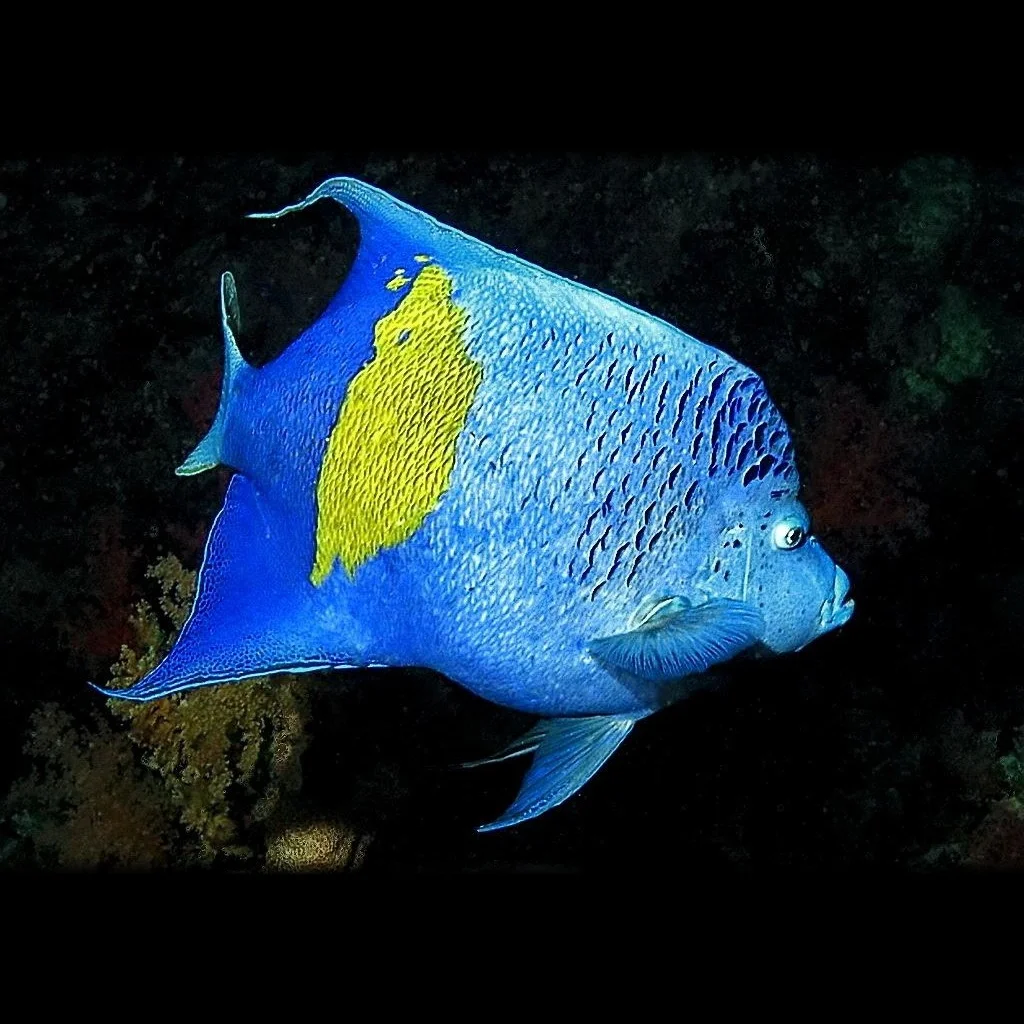
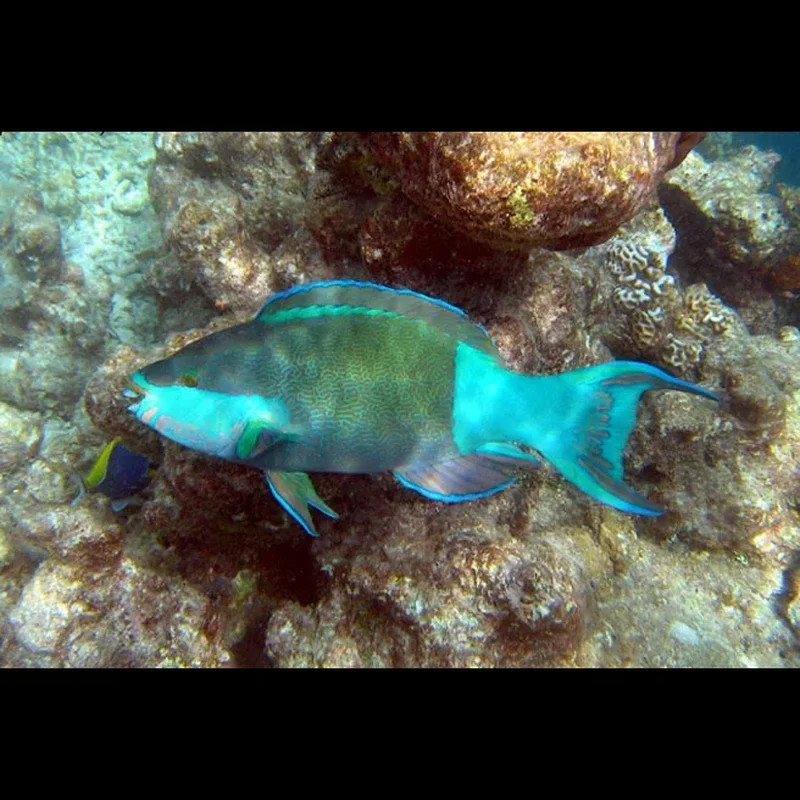
The artificial reef structures at Cedar Key Reef Site 3 actively attract a range of marine species, establishing a productive habitat in an otherwise less complex seafloor. Divers commonly observe various fish species that colonize these sites, such as parrotfish, angelfish, and sergeant majors.
You might spot rays gliding along the sandy perimeter or discover an octopus tucked within the pipes. Starfish and other invertebrates can also be found adhering to the concrete and pipe surfaces, contributing to the developing ecosystem.
The structures provide essential shelter and feeding opportunities, making the site a focus for smaller reef fish and their predators.

Dive Centers Near Cedar Key Reef Site 3
Today: 10:00 - 17:00
Nearest Airports
Nearest airports to help plan travel to this dive area.
Search Flights
Check available flights and routes on Expedia, using the nearby airports listed in this section.
Search Flights on ExpediaFrequently Asked Questions
What types of structures make up Cedar Key Reef Site 3?
Cedar Key Reef Site 3 is an artificial reef primarily constructed from various concrete components. It includes numerous pieces of concrete culverts, ranging from 18 to 40 inches, alongside pipes and slabs. Specific sections of the site feature distinct deployments of these materials, creating a varied and complex underwater environment.
What are the primary benefits of artificial reefs like Cedar Key Reef Site 3?
Artificial reefs serve multiple ecological and recreational purposes. They enhance recreational diving opportunities, provide crucial habitat for marine life, and offer socio-economic benefits to local coastal communities. These structures also function as mitigation reefs, replacing natural hard bottom habitats lost due to human activities or natural damage.
Can private citizens build their own artificial reefs in Florida?
No, private citizens are generally not permitted to build their own artificial reefs in Florida. Artificial reef construction can only be completed by state or local coastal governments in authorized, permitted areas. Placing materials outside these areas may constitute illegal ocean dumping, carrying significant federal penalties.
What are the typical diving conditions at artificial reefs in this region?
Diving conditions at artificial reefs in this region, including Cedar Key Reef Site 3, can vary. Depths typically fall within recreational limits. While water temperatures are not consistently reported for this specific site, surface conditions often involve average wave heights between 0.5 m (1.6 ft) and 0.9 m (3.0 ft) and consistent winds, impacting visibility and surface chop.
When is the best time of year to dive Cedar Key Reef Site 3?
The spring (March-May) and fall months generally offer the most favorable diving conditions at Cedar Key. These periods provide pleasant air temperatures and more moderate wave heights. While the dive score remains 'Good' year-round, these seasons often present calmer surface conditions, enhancing the overall dive experience.
What kind of marine life might divers encounter at Cedar Key Reef Site 3?
Divers at Cedar Key Reef Site 3 can expect to encounter a variety of marine life attracted to the artificial structures. Common sightings include various fish species such as parrotfish, angelfish, and sergeant majors. Rays, octopus, and different invertebrates like starfish also frequently inhabit these constructed underwater environments.
Planning to dive Cedar Key Reef Site 3?
Send one inquiry and receive offers directly from the best verified local dive operators.
Conditions are Excellent
07:00 - 14:00
Optimal conditions expected
Current conditions near Cedar Key Reef Site 3 show 28° air, 30° sea temperature, 0.4 m waves, and 21 km/h wind. Forecast data is refreshed regularly to ensure accuracy.