
Diving at Chickasaw Tug (United States)
Chickasaw Tug rests offshore, functioning as an artificial reef. Positioned at a reported depth of 21.3 m (70 ft), a 30.5 m (100 ft) former tugboat provides a tangible wreck exploration experience within recreational diving limits. Divers encounter a distinct profile, exploring submerged history and its evolution into a marine habitat.
Current morning readings from Chickasaw Tug indicate an air temperature of 32.5°C. Surface wave heights are averaging around 0.4 m at this time. These local measurements provide a baseline for your daily dive planning.
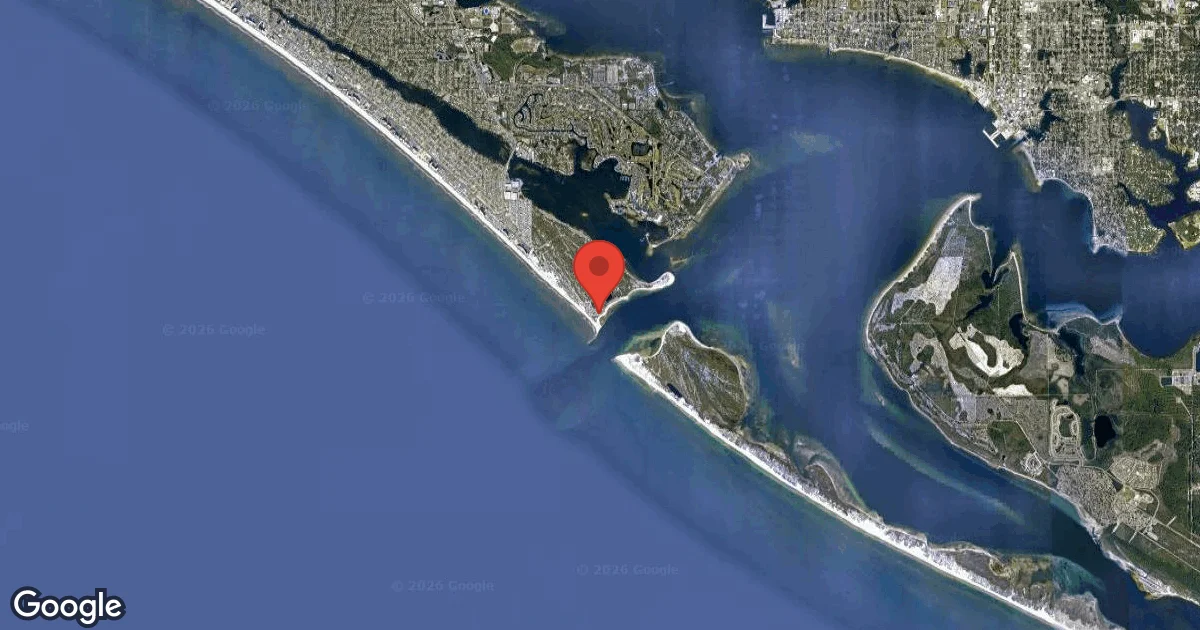
Dive Site Location & Key Facts
Dive Site Overview
Experiencing the Chickasaw presents an accessible wreck exploration opportunity off Panama City Beach, a region known for its extensive artificial reef system. A 30.5 m (100 ft) historic tugboat, it was intentionally sunk, transforming into a vibrant underwater landmark.
Divers navigate its remarkably intact structure, discovering distinct features across the bow, midship, and stern sections. Exploring the tug often reveals various points of interest, including the intact superstructure and deck areas. Appropriately trained divers might consider an optional penetration into the engine compartment, providing a closer look at internal machinery and construction details.
Offshore placement makes it a frequent stop for local dive charters, ensuring regular access. Functioning as a key component of the 'Wreck Capital of the South,' the tug contributes to a diverse underwater landscape that includes various historic wrecks and artificial structures.
It provides varied exploration opportunities, appealing to a range of diver skill levels. Site development exemplifies the region's commitment to creating and sustaining rich subaquatic environments, blending historical interest with ecological benefit.
Conditions are Excellent
07:00 - 14:00
Optimal conditions expected
Current conditions near Chickasaw Tug show 32° air, 30° sea temperature, 0.3 m waves, and 19 km/h wind. Forecast data is refreshed regularly to ensure accuracy.
Best Time to Dive
Planning a dive at the Chickasaw Tug is generally most favorable from May through November, when overall dive conditions are rated 'Good'. October and November stand out as particularly opportune months, showing the highest 'Good' scores. During these periods, air temperatures average between 19.5-29°C (67-84°F), offering comfortable surface intervals. While summer months like July and September see slightly higher rainfall, averaging 4.91 mm and 7.46 mm respectively, the milder conditions of autumn, with rain as low as 1.55 mm in October, often provide clearer waters. Conversely, the cooler air temperatures of January, averaging 12.5°C (54°F), may necessitate additional thermal protection, making diving a more moderate experience.
PEAK SEASON SCORE
Scores combine air & water temps, waves, wind & rainfall for overall conditions.
BEST MONTHS TO DIVE
Monthly records compiled from satellite and marine observation nodes over the last 3 years. Data provided by Open-Meteo and MET Norway.
Dive Experience & Conditions
Located at approximately 21.3 m (70 ft), the Chickasaw Tug presents conditions that can vary; factors like current strength and underwater visibility fluctuate depending on local weather patterns and seasonal changes. Upon reaching the tug, divers can begin exploring the exterior of the 30.5 m (100 ft) vessel. For those with appropriate training, the engine compartment offers an optional penetration experience, adding another layer to the wreck exploration. Closer inspection of the tug’s interior machinery and structure is possible, providing a detailed view of its past working life.
Dive Difficulty & Safety Guidelines
Divers at the Chickasaw Tug must be aware of certain key hazards. A primary concern is the overhead environment inherent in wreck diving, requiring careful navigation and awareness. Boat traffic in the vicinity is also a consideration, so proper surface signaling and dive flag deployment are essential.
Penetration into the engine compartment is explicitly suitable only for divers with specialized training in overhead environments. Adhering to these guidelines ensures a safer dive, especially when exploring deeper sections or contemplating entry into the wreck's interior.
Recommended Equipment
- Dive Computer
This gear list is based on verified equipment signals for Chickasaw Tug, United States. Always confirm final gear choices with your dive operator, guide, or liveaboard.
Recommended Dive Suit
Thermal protection such as dive skin or rash guard is commonly used for water temperatures in this range.
Divers entering the water at Chickasaw Tug today can expect temperatures near 30°C (86°F) beneath the surface. Surface air temperatures are resting at 32°C (90°F).
Environmental conditions may feel slightly cooler as the week progresses. A significant temperature drop is forecast; strongly suggest bringing a backup warmer suit option. Having a second exposure option available is often a good precaution.
Emergency & Medical Support
Essential information to help you plan your dive trip to Chickasaw Tug.

Hyperbaric chambers are a critical part of dive safety infrastructure. Availability varies significantly by region, and not all dive areas have immediate access.
Before diving, it's recommended to:
- confirm nearest medical facilities
- check emergency procedures with local dive operators
- ensure dive insurance covers evacuation if required
Divers Alert Network
Diving emergency assistance available through DAN World.
+1-919-684-9111- 24/7 emergency hotline
- Diving medical assistance
- Evacuation coordination
Emergency contacts are provided for reference. Always verify local emergency services before diving.
Marine Life at Chickasaw Tug
Wrecks like the Chickasaw Tug serve as artificial reefs, attracting a variety of marine life divers often notice immediately. Similar wreck sites frequently host schools of fish, such as yellowtail, congregating around the bow and superstructure.
Various eels commonly seek shelter within the wreck's stern sections and crevices. Small corals and colorful sponges also attach to the structure, adding texture and habitat for smaller invertebrates. A localized ecosystem forms around the tug, making it a focal point for aquatic observations.

Dive Sites Near Chickasaw Tug
View all dive sites in United StatesDiscover more underwater gems in this area.
Dive Centers Near Chickasaw Tug
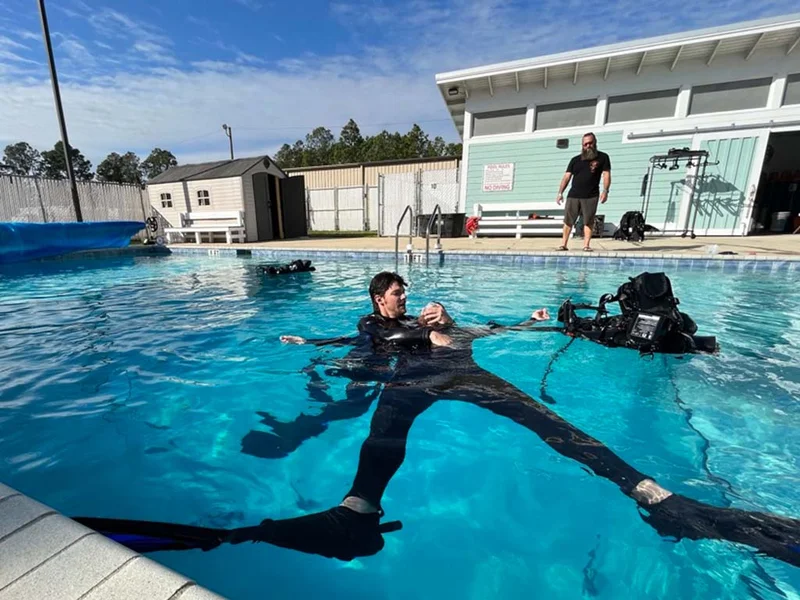
Today: 09:00 - 16:00
Nearest Airports
Nearest airports to help plan travel to this dive area.
Search Flights
Check available flights and routes on Expedia, using the nearby airports listed in this section.
Search Flights on Expedia
Plan Your Stay
Looking for a place to stay for your dive trip? Explore hotels, stays, and vacation rentals for dive groups near Lower Grand Lagoon.
Dive Navigator may earn a commission from these links at no extra cost to you.
Frequently Asked Questions
What is the maximum depth for diving the Chickasaw Tug?
Reported to lie in approximately 21.3 m (70 ft) of water, the Chickasaw Tug is accessible within recreational diving limits.
Is wreck penetration allowed on the Chickasaw Tug?
Yes, optional penetration into the engine compartment is possible. However, such activity is recommended only for divers who have received specific training for overhead environments.
What are the common hazards at this dive site?
Key hazards include the overhead environment of the wreck itself and potential boat traffic in the offshore area. Divers should be mindful of these conditions and plan accordingly.
What kind of marine life can be seen around the tug?
Wrecks typically attract various marine species. Divers may observe schools of yellowtail and other fish, as well as eels in the stern sections. Some corals and sponges also colonize the wreck.
When is the best time of year to dive the Chickasaw Tug?
Generally, the period from May through November offers 'Good' dive conditions, with October and November often providing the most favorable experience due to milder air temperatures and lower rainfall.
How long is the Chickasaw Tug?
A 30.5 m (100 ft) tugboat, the Chickasaw provides a substantial structure for underwater exploration.
Planning to dive Chickasaw Tug?
Send one inquiry and receive offers directly from the best verified local dive operators.
Conditions are Excellent
07:00 - 14:00
Optimal conditions expected
Current conditions near Chickasaw Tug show 32° air, 30° sea temperature, 0.3 m waves, and 19 km/h wind. Forecast data is refreshed regularly to ensure accuracy.