
Diving at Clearwater Reef (United States)
In the expansive Gulf of Mexico, Clearwater Reef serves as a key component of the region's prominent artificial reef network. Its positioning contributes significantly to the local marine ecosystem, creating structure where none naturally exists on the sandy seabed. Divers exploring this site encounter varied currents, which can shift depending on weather and tidal influences. These dynamics actively shape the marine life patterns observed throughout the reef.
Evening condition tracking at Clearwater Reef features an air temperature of 26.5°C. We have recorded wave heights measuring 0.5 m during this period. These figures outline the environmental parameters currently present.
Dive Site Location & Key Facts
Dive Site Overview
Clearwater Reef emerged as a foundational element within the ambitious artificial reef program in the Gulf of Mexico. This intentional deployment on a vast sandy bottom transforms an otherwise barren expanse into a thriving underwater ecosystem.
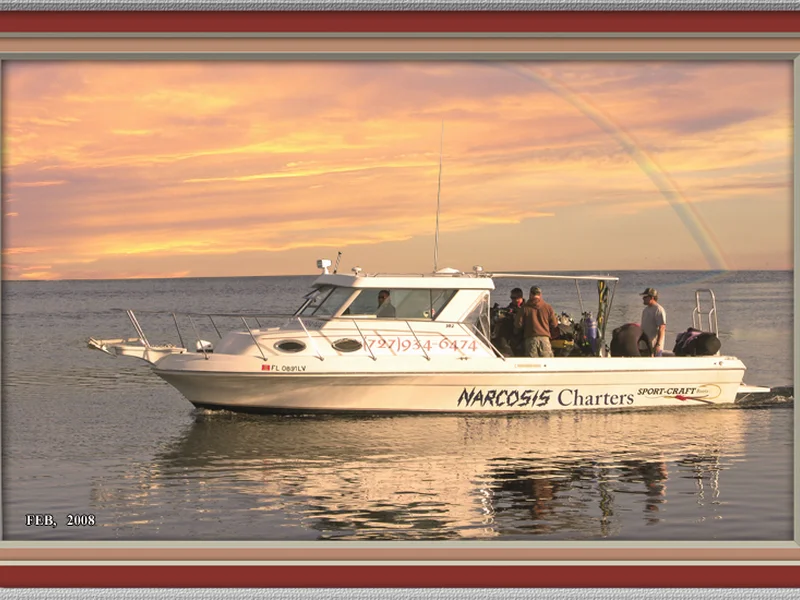
Its varied structures now attract a concentration of marine life, acting as a magnet for species ranging from large pelagics to intricate reef dwellers that utilize the new environment for shelter and feeding. Divers typically find themselves navigating these formations, observing the dynamic interplay between the structures and their inhabitants. Daily operations include recreational 2-tank trips, readily accessible to certified divers keen to explore the diverse formations down to recreational depth limits.
For those seeking a more intensive experience, specialized 3-tank Sheridan dive trips target advanced or higher certified individuals, often pushing towards deeper sections of the reef. These longer excursions necessitate recent diving experience, specifically within the last 12 months, ensuring divers are well-prepared for varying conditions that might include moderate currents.
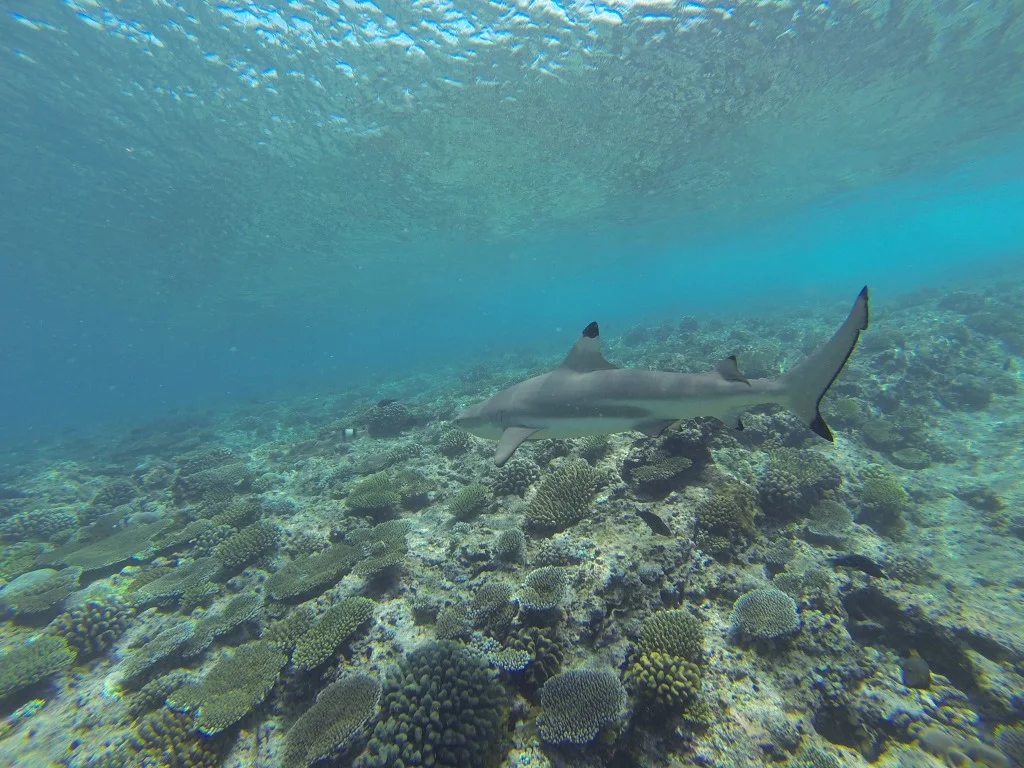
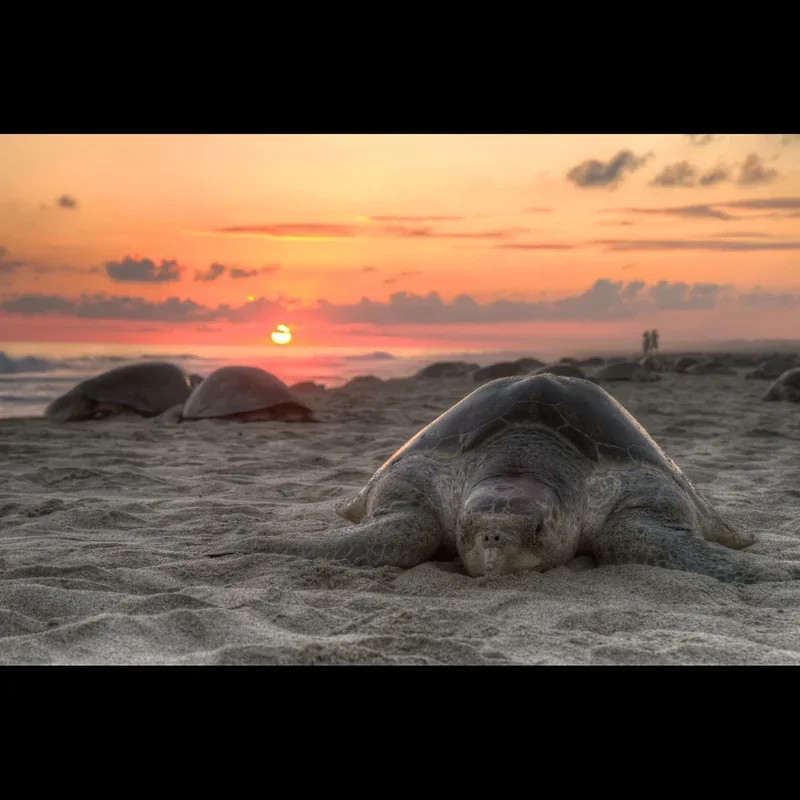
Encounters with an assortment of sharks, sea turtles, and impressive Goliath groupers are common occurrences, making each exploration distinct and rewarding. This site actively showcases Florida's commitment to marine habitat enhancement, providing essential structure and demonstrating the tangible benefits of well-managed artificial reef initiatives in a large body of water like the Gulf.
Conditions are Good
Optimal conditions expected
Current conditions near Clearwater Reef show 27° air, 31° sea temperature, 0.4 m waves, and 34 km/h wind. Forecast data is refreshed regularly to ensure accuracy.
Best Time to Dive
Planning a dive to Clearwater Reef involves considering the seasonal shifts that influence overall conditions. The period from May through September generally offers warmer air temperatures, ranging from 26°C (79°F) to 28°C (82°F), contributing to more comfortable surface conditions. July often stands out with an 'Excellent' dive score, indicating favorable overall factors, despite higher rainfall averages of 5.9 mm (0.23 in) during this month. Conversely, the cooler months, such as January through March, present air temperatures between 14.5°C (58°F) and 20°C (68°F). Rain is less frequent in these cooler periods, with averages around 2.4 mm (0.09 in). Wave heights remain relatively consistent throughout the year, typically below 1 meter (3 feet), suggesting stable surface conditions are often encountered. Wind speeds vary, but generally fall within manageable ranges for dive operations.
PEAK SEASON SCORE
Scores combine air & water temps, waves, wind & rainfall for overall conditions.
BEST MONTHS TO DIVE
Monthly records compiled from satellite and marine observation nodes over the last 3 years. Data provided by Open-Meteo and MET Norway.
Dive Experience & Conditions
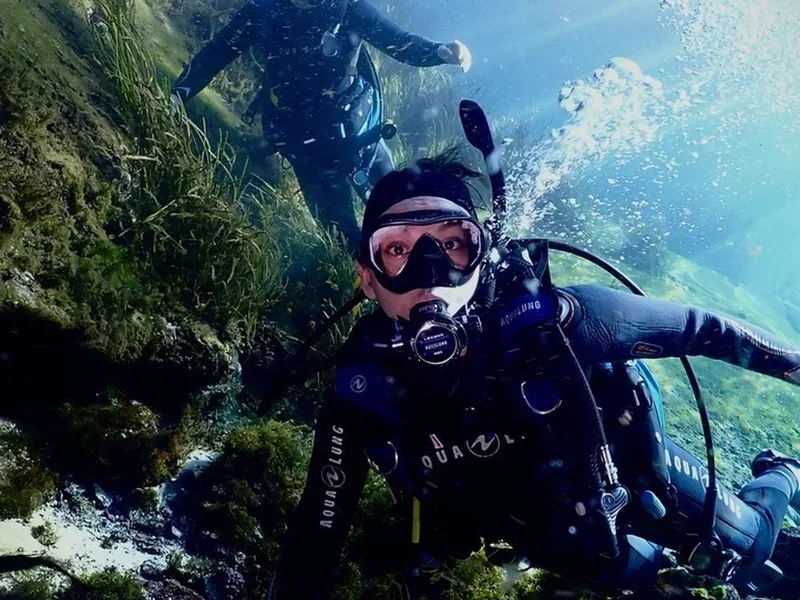
Exploring Clearwater Reef presents divers with varied underwater topography created by its artificial structures. Specific depth information for this site is not consistently reported, but some trips are designated for advanced or higher certification divers, implying potential for deeper recreational depths. Water temperatures are not consistently reported for this specific location; however, given the Gulf of Mexico context, they typically vary seasonally. Divers should be prepared for potential currents, which are common in the Gulf and can impact navigation around the reef structures. Visibility can vary significantly depending on local weather, surge, and particulate matter in the water column. The dive typically focuses on traversing the artificial structures and observing the marine life they attract, offering a dynamic underwater environment.
Dive Difficulty & Safety Guidelines
Proper preparation and certification levels are critical for diving Clearwater Reef, especially for certain excursions. For instance, the 3-tank Sheridan dive trips are specifically designated for advanced or higher certification divers. All divers must also demonstrate recent activity, having been diving in the past 12 months, to participate in these more demanding trips.
Divers who do not meet these advanced requirements, or those who have experienced a period of inactivity (especially if they have 25 or fewer logged dives), are strongly encouraged to complete a refresher program. Dive operators can conduct these refreshers, often on the day of your trip, ensuring everyone is comfortable and proficient before entering the water. Always follow your dive guide's instructions and maintain awareness of your dive profile.
Recommended Equipment
- Dive Computer
This gear list is based on verified equipment signals for Clearwater Reef, United States. Always confirm final gear choices with your dive operator, guide, or liveaboard.
Recommended Dive Suit
With water temperatures around 31°C (87°F), many divers find a dive skin or rash guard provides comfortable protection.
Being prepared with flexible exposure options is a common approach among experienced divers.
Current forecasts indicate relatively stable conditions for the coming days.
Due to technical issues with our weather providers, live updates are temporarily delayed. The data above reflects the conditions at the time of the last successful fetch.
Emergency & Medical Support
Essential information to help you plan your dive trip to Clearwater Reef.

Hyperbaric chambers are a critical part of dive safety infrastructure. Availability varies significantly by region, and not all dive areas have immediate access.
Before diving, it's recommended to:
- confirm nearest medical facilities
- check emergency procedures with local dive operators
- ensure dive insurance covers evacuation if required
Divers Alert Network
Diving emergency assistance available through DAN World.
+1-919-684-9111- 24/7 emergency hotline
- Diving medical assistance
- Evacuation coordination
Emergency contacts are provided for reference. Always verify local emergency services before diving.
Marine Life at Clearwater Reef
The artificial structures of Clearwater Reef create thriving habitats, attracting a notable array of marine life. Divers frequently encounter a variety of species, from larger pelagics to resident reef dwellers.
Observations often include sharks, majestic sea turtles, and distinctive hogfish navigating the reef. Goliath groupers, impressive in size, are also a highlight for many visitors.
Additionally, swirling schools of baitfish frequently congregate around the structures, providing a vibrant and dynamic display against the backdrop of the reef.

Dive Centers Near Clearwater Reef
Today: 11:00 - 19:00
Nearest Airports
Nearest airports to help plan travel to this dive area.
Search Flights
Check available flights and routes on Expedia, using the nearby airports listed in this section.
Search Flights on Expedia
Plan Your Stay
Looking for a place to stay for your dive trip? Explore hotels, stays, and vacation rentals for dive groups near Clearwater.
Dive Navigator may earn a commission from these links at no extra cost to you.
Frequently Asked Questions
What certification level is required for diving Clearwater Reef?
Recreational 2-tank trips are generally open to certified divers. However, specialized 3-tank Sheridan trips require advanced or higher certification due to their nature and potential for deeper profiles.
Are there any recent dive requirements?
Yes, for the advanced 3-tank Sheridan trips, divers must have been diving in the past 12 months. This ensures participants maintain current skills for the more challenging dive profiles.
What if I haven't dived recently?
If you've had a period of inactivity, especially if you have 25 or fewer logged dives, a refresher program is recommended. Many dive operators offer these refreshers, which can often be completed on the day of your trip.
What kind of marine life can I expect to see?
Clearwater Reef attracts a diverse range of marine creatures. Common sightings include various sharks, sea turtles, hogfish, and impressive Goliath groupers. You might also encounter large, swirling schools of baitfish.
What is the cost of a dive trip?
Dive trips are priced at $175 per diver. Your payment generally covers the charter fee for either 2-tank recreational or 3-tank advanced dives.
Is Clearwater Reef part of an artificial reef program?
Yes, Clearwater Reef is an integral part of one of the country's largest artificial reef programs. These structures are intentionally deployed to create and enhance marine habitats in the Gulf of Mexico.
Planning to dive Clearwater Reef?
Send one inquiry and receive offers directly from the best verified local dive operators.
Conditions are Good
Optimal conditions expected
Current conditions near Clearwater Reef show 27° air, 31° sea temperature, 0.4 m waves, and 34 km/h wind. Forecast data is refreshed regularly to ensure accuracy.