
Diving at Clearwater Reef Site M (United States)
Clearwater Reef Site M represents a segment of the extensive artificial reef system off Florida's Gulf Coast. Submerged structures, often composed of various materials like concrete and rubble, were intentionally deployed to foster marine habitats. They create complex environments for diverse aquatic life, transitioning the flat sandy seafloor into a thriving ecosystem. Divers here navigate these man-made formations, experiencing a landscape engineered for biological enrichment.
Tonight's objective overview for Clearwater Reef Site M shows an air temperature of 25.5°C. The measured surface conditions include wave heights around 0.3 m. This environmental data is logged for the close of the day.
Dive Site Location & Key Facts
Dive Site Overview
The Clearwater area's dive sites, including locations like Reef Site M, largely owe their existence to decades of artificial reef development. Beginning as early as the mid-1960s with programs like the Indian Shores Artificial Reef, various initiatives aimed to enhance marine ecosystems in Pinellas County.
Initial deployments often involved simple materials such as pillboxes and metal pipes, gradually expanding to include concrete slabs, culverts, and even repurposed structures. Continuing this effort, materials from old causeways and bridges were strategically sunk to form new diveable sites. This ongoing transformation of the Gulf floor has created complex structures, attracting a wide array of fish species and encouraging coral growth over time.
Divers exploring these sites are interacting with a living testament to long-term conservation and habitat creation, rather than purely natural formations. Many Clearwater dive locations are found within an hour or so offshore, making them accessible while still providing that distinct blue water experience away from the coast. Depths at these sites vary, designed to accommodate a range of certification levels.
Conditions are Good
Optimal conditions expected
Current conditions near Clearwater Reef Site M show 25° air, 30° sea temperature, 0.2 m waves, and 23 km/h wind. Forecast data is refreshed regularly to ensure accuracy.
Best Time to Dive
For divers planning a trip to Clearwater Reef Site M, conditions generally support year-round diving, though certain months offer more favorable experiences. Water surface temperatures are warmest during summer, averaging between 22-29°C (73-85°F), aligning with air temperatures over 28°C (82°F) in July and August. These summer months also see some of the lowest average wave heights, around 0.4-0.6 m (1.3-2.0 ft), and lighter winds, typically around 14-17 km/h (9-11 mph), contributing to calmer surface conditions. Summer also brings increased rainfall, particularly in July and August, which can reach over 5.8 mm (0.23 inches) per day. Conversely, cooler water and air temperatures are present from December through March, with January often being the coldest. Rainfall during the winter months is significantly lower, sometimes less than 1 mm (0.04 inches) per day in November. Visibility, which typically ranges from 7-27 meters (25-90 feet), varies depending on localized weather patterns and plankton blooms throughout the year.
PEAK SEASON SCORE
Scores combine air & water temps, waves, wind & rainfall for overall conditions.
BEST MONTHS TO DIVE
Monthly records compiled from satellite and marine observation nodes over the last 3 years. Data provided by Open-Meteo and MET Norway.
Dive Experience & Conditions
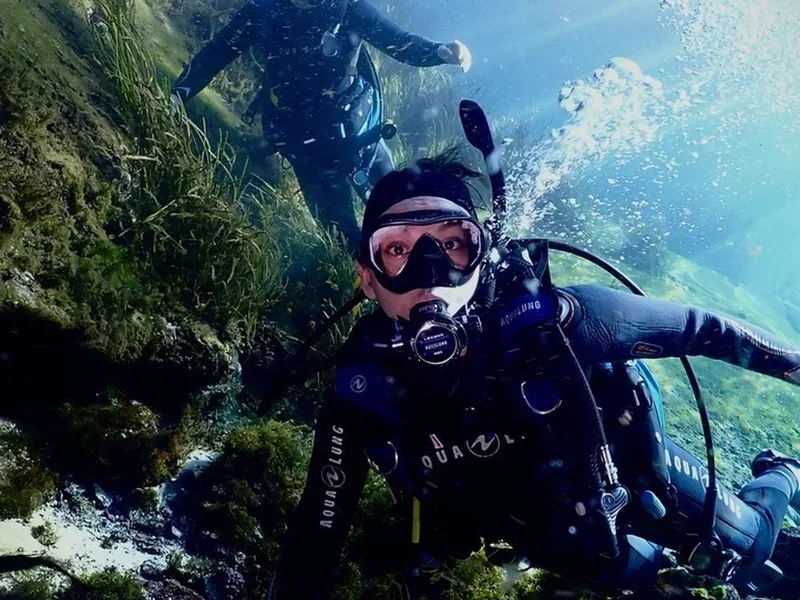
Diving at Clearwater Reef Site M brings a sense of exploration among deliberately constructed underwater landscapes. Offshore positioning means the water often maintains a clear, blue hue, a notable contrast to greener inshore waters. Divers can expect visibility ranging from 7 to 27 meters (25 to 90 feet), though this can vary with localized currents or plankton activity. Water surface temperatures generally fall between 22-29°C (73-85°F), creating comfortable conditions for most of the year, although thermoclines might be present at deeper sections. These sites typically offer recreational depth ranges; many Clearwater reefs are suitable for Open Water certified divers, while deeper structures might require advanced training. Navigating the varied terrain of concrete blocks, rubble, and other sunken materials reveals numerous hiding spots for marine life, encouraging close observation.
Dive Difficulty & Safety Guidelines
Diving Clearwater Reef Site M, like any offshore location, requires careful planning and adherence to best practices. It's essential to always dive within your certification level and current experience; depths vary across the Clearwater reef system. Before entering the water, consult with local Clearwater dive centers for the most current safety information, specific site conditions, and any required certifications.
They can provide up-to-date guidance on weather, currents, and entry procedures for particular reef sections. Never dive without a buddy and ensure all equipment is in good working order.
Pay attention to buoyancy control, especially around artificial structures, to avoid accidental contact and protect both the diver and the delicate marine environment that has developed on the reef. A yellow or black buoy may mark some sites, aiding surface navigation.
Recommended Equipment
- Dive Computer
This gear list is based on verified equipment signals for Clearwater Reef Site M, United States. Always confirm final gear choices with your dive operator, guide, or liveaboard.
Recommended Dive Suit
According to recent observations, water temperatures near Clearwater Reef Site M are approximately 30°C (87°F). Surface air temperatures are resting at 25°C (78°F).
Conditions are expected to stay fairly consistent in the days ahead.
Most divers would typically feel comfortable using dive skin or rash guard in these conditions. Dive depth and duration can significantly affect perceived warmth.
Emergency & Medical Support
Essential information to help you plan your dive trip to Clearwater Reef Site M.

Hyperbaric chambers are a critical part of dive safety infrastructure. Availability varies significantly by region, and not all dive areas have immediate access.
Before diving, it's recommended to:
- confirm nearest medical facilities
- check emergency procedures with local dive operators
- ensure dive insurance covers evacuation if required
Divers Alert Network
Diving emergency assistance available through DAN World.
+1-919-684-9111- 24/7 emergency hotline
- Diving medical assistance
- Evacuation coordination
Emergency contacts are provided for reference. Always verify local emergency services before diving.
Marine Life at Clearwater Reef Site M
Artificial structures of Clearwater Reef Site M provide an underwater landscape rich in congregating marine life. Divers frequently encounter a variety of attractive fish species, including colorful angel fish, curious triggerfish, and hogfish, which utilize the nooks and crannies of the concrete and rubble.
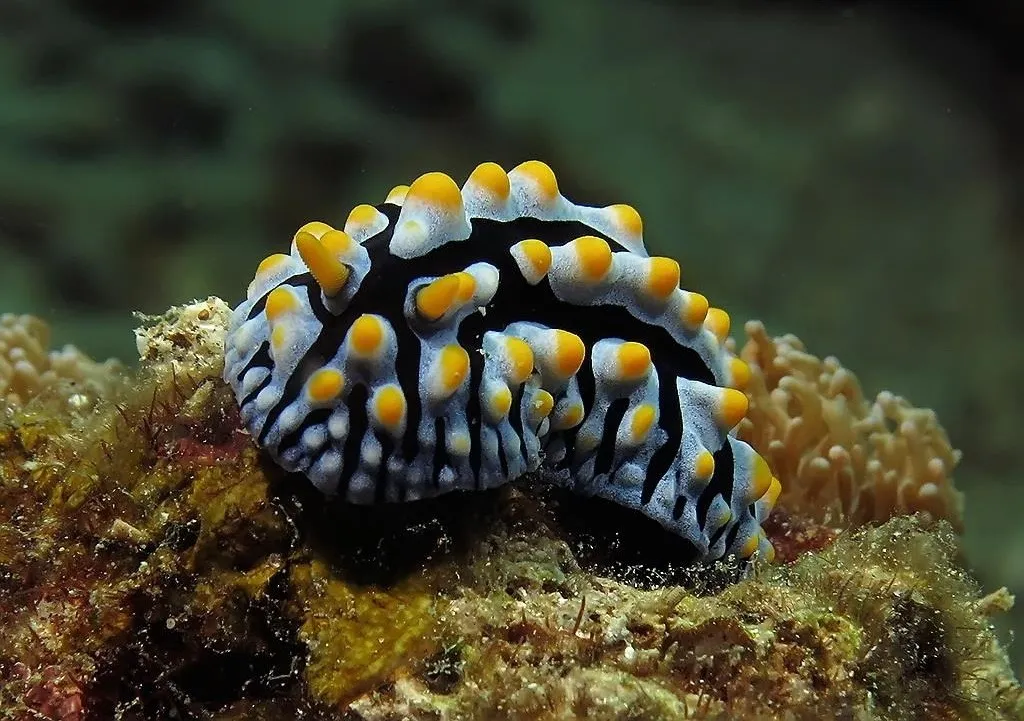
Expect to see spiny lobster tucked away, alongside starfish and substantial nudibranchs moving across surfaces. Larger residents like goliath grouper often patrol the deeper sections or larger structures.
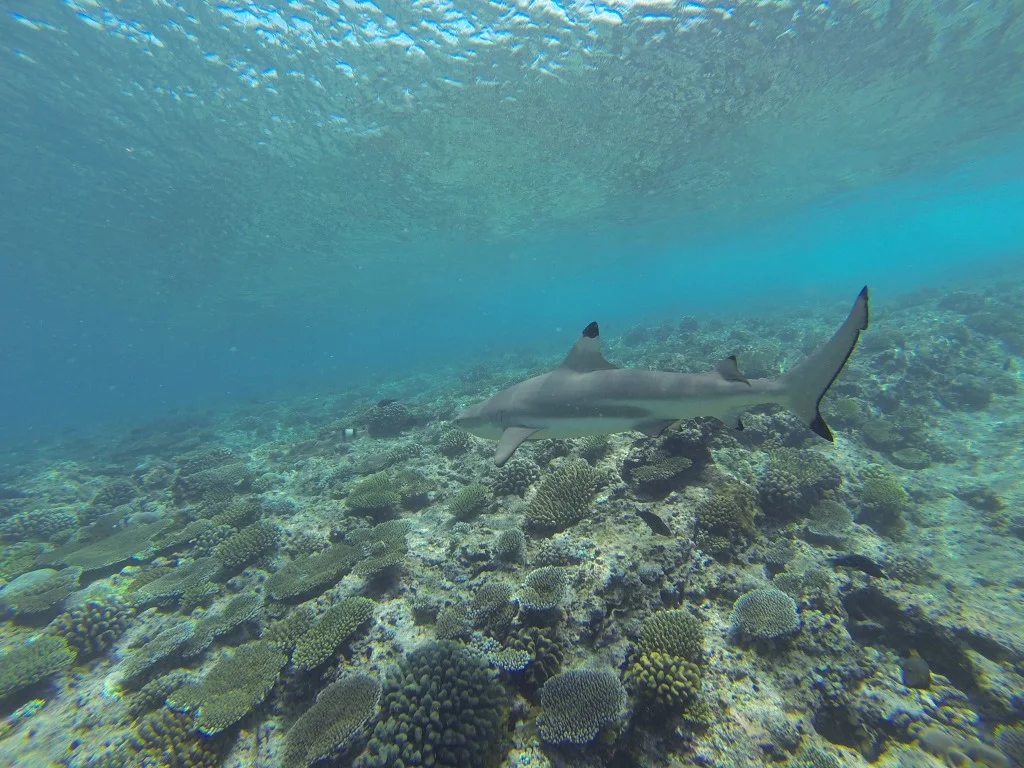
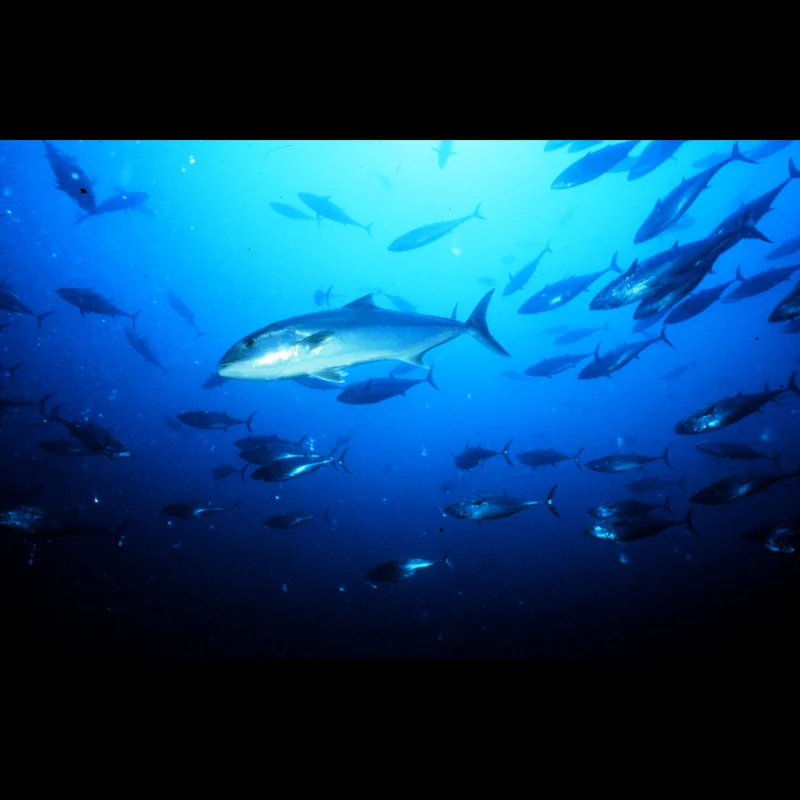
Amberjacks can be observed schooling, and flounder camouflage themselves on the surrounding sand. While less common, an occasional shark or ray might be spotted traversing the area, adding to the dynamic environment.

Dive Centers Near Clearwater Reef Site M
Today: 11:00 - 19:00
Nearest Airports
Nearest airports to help plan travel to this dive area.
Search Flights
Check available flights and routes on Expedia, using the nearby airports listed in this section.
Search Flights on Expedia
Plan Your Stay
Looking for a place to stay for your dive trip? Explore hotels, stays, and vacation rentals for dive groups near Clearwater.
Dive Navigator may earn a commission from these links at no extra cost to you.
Frequently Asked Questions
What types of structures can be found at Clearwater Reef Site M?
Clearwater Reef Site M, as part of the broader artificial reef system, is composed of various intentionally sunk materials. These often include concrete blocks, rubble, and repurposed structures designed to create complex habitats for marine life.
What is the typical water temperature when diving in Clearwater?
Water surface temperatures in Clearwater generally range between 22°C and 29°C (73°F and 85°F) throughout the year. The warmest conditions typically occur in August, while January is usually the coldest month.
What is the average visibility at Clearwater dive sites?
Visibility at Clearwater dive sites can vary, typically ranging between 7 and 27 meters (25 and 90 feet). Conditions depend on factors like weather, currents, and seasonal plankton blooms.
Can I dive Clearwater Reef Site M year-round?
Yes, diving in Clearwater is possible throughout the entire year. While conditions vary seasonally, including air and water temperatures, the area generally remains accessible for diving.
What kind of marine life might I see at this site?
Clearwater Reef Site M attracts a variety of marine life. Divers commonly encounter angel fish, triggerfish, hogfish, spiny lobster, and starfish. Larger species such as goliath grouper, amberjacks, and occasional sharks or rays can also be observed.
What are the typical depths for diving at Clearwater Reef Site M?
Depths across the Clearwater reef system, including sites like Reef Site M, vary to suit different diver levels. Many sections are within recreational depth limits for Open Water certified divers, while deeper areas may require advanced training.
Is Clearwater Reef Site M marked?
Many artificial reef sites in the Clearwater area are marked with surface buoys, which can be yellow or black. Consulting with local dive centers before your dive will provide specific details for Reef Site M's marking.
Planning to dive Clearwater Reef Site M?
Send one inquiry and receive offers directly from the best verified local dive operators.
Conditions are Good
Optimal conditions expected
Current conditions near Clearwater Reef Site M show 25° air, 30° sea temperature, 0.2 m waves, and 23 km/h wind. Forecast data is refreshed regularly to ensure accuracy.