
Diving at County Site #1 -Reef-Ex #3 (United States)
Reef-Ex #3 offers divers a varied depth profile, encompassing both accessible shallow areas and deeper offshore structures. Many U.S. reefs, whether natural or artificial, support diverse marine ecosystems within a recreational depth range. Dive sites commonly start at around 4.5-6 m (15-20 ft) and can extend down to 27 m (90 ft), with some artificial reefs placed at greater depths.
Evening condition tracking at County Site #1 -Reef-Ex #3 features an air temperature of 24°C. We have recorded wave heights measuring 0.6 m during this period. These figures outline the environmental parameters currently present.
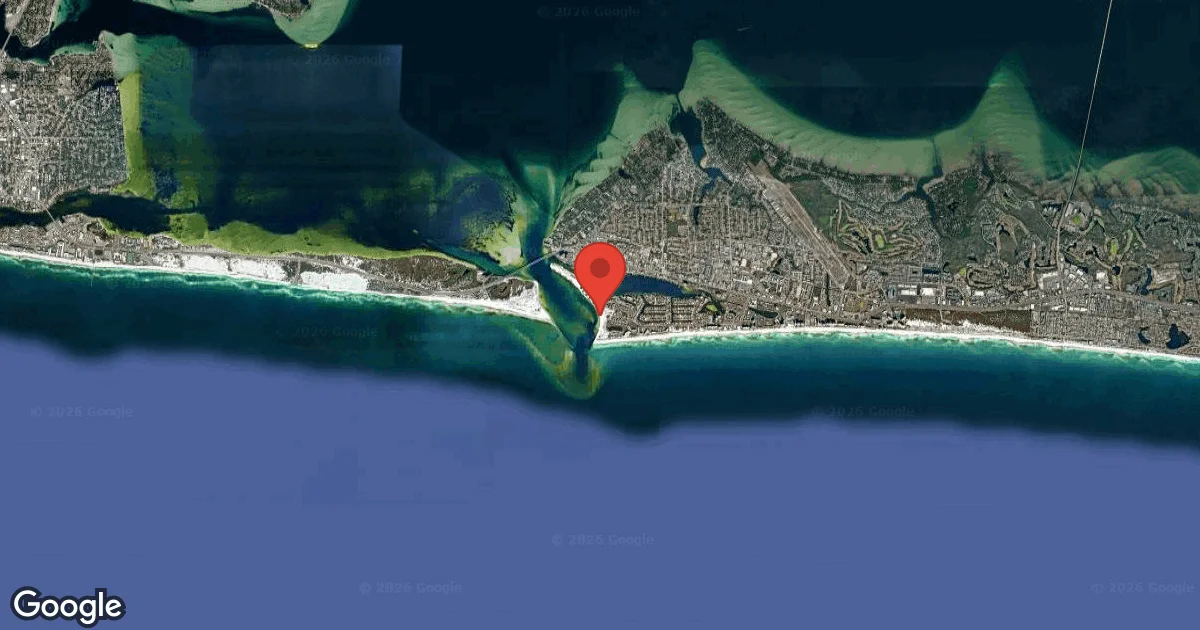
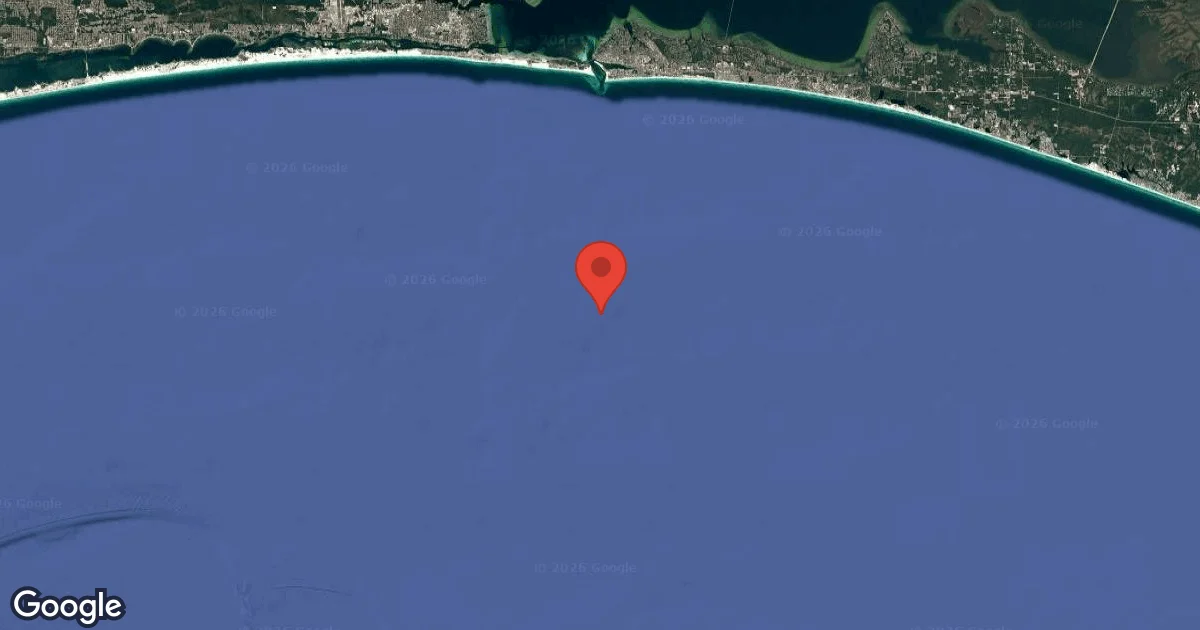
Dive Site Location & Key Facts
Dive Site Overview
The general topography of dive sites across the U.S. often features a mix of natural reef formations and strategically deployed artificial structures. These can range from natural rock walls and coral patches to materials like bridge components, barges, and scattered concrete, all intentionally placed to enhance marine habitats.
Depths vary considerably, with many popular areas such as those along the Florida coast, providing opportunities in the 4.5-9 m (15-30 ft) range, while others extend further to 21-27 m (70-90 ft) on second or third reef lines. Visibility is not consistently reported and can fluctuate significantly, sometimes ranging from a challenging 1.5 m (5 ft) to a clear 15 m (50 ft) or more depending on local conditions and weather patterns. These sites are designed to create new reef habitat, supporting a variety of marine life for divers to observe.
Conditions are Excellent
07:00 - 14:00
Optimal conditions expected
Current conditions near County Site #1 -Reef-Ex #3 show 24° air, 30° sea temperature, 0.4 m waves, and 18 km/h wind. Forecast data is refreshed regularly to ensure accuracy.
Best Time to Dive
Planning a dive at Reef-Ex #3 involves considering the distinct seasonal shifts, which influence both air and water temperatures. The warmer months, generally from May to October, offer average air temperatures peaking around 29°C (84°F) in August, making surface intervals more comfortable. During this period, local water temperatures, particularly in southern regions like Florida, can be quite pleasant, often reaching 30-31°C (86-88°F). Conversely, the cooler months, from December to March, see average air temperatures drop to around 12-15°C (54-59°F), and water temperatures may dip to 21-22°C (70-72°F). Rainfall is generally moderate year-round, with September seeing slightly higher averages, but it rarely impacts diveability significantly. While conditions are favorable for diving across many months, the calmer seas and warmer waters of late spring through early autumn often present the most consistent dive scores.
PEAK SEASON SCORE
Scores combine air & water temps, waves, wind & rainfall for overall conditions.
BEST MONTHS TO DIVE
Monthly records compiled from satellite and marine observation nodes over the last 3 years. Data provided by Open-Meteo and MET Norway.
Dive Experience & Conditions
Entering the water at many U.S. reef sites often involves a shore entry, particularly for shallower dives, where managing gear through surf or along a beach can be the initial challenge. Other sites require boat access. Currents are a significant factor at several popular locations, especially near inlets or channels, and divers should consult local dive operators or tide charts to plan dives around slack high tide to mitigate strong flows. Under the surface, visibility can be highly variable; a calm day might offer 9-15 m (30-50 ft) or more, while previous weather events can reduce it to just a few meters. The underwater topography often includes structures with a 'swiss cheese' appearance, offering numerous nooks and crannies to explore. Recreational divers can enjoy easy shallow reef dives, or choose to venture deeper to explore additional reef lines.
Dive Difficulty & Safety Guidelines
Approaching any U.S. reef site demands a strong emphasis on current awareness. Strong, potentially wicked currents are a common hazard, especially near inlets and in areas with significant tidal exchanges. Divers must plan their entry and exit points carefully, often timing dives for slack tide to avoid strenuous conditions.
Monitoring the wind and wave forecast is crucial, particularly for shore entries where challenging surf can complicate getting in and out of the water. Given that some reefs are artificial and their components can shift over time due to storms, maintaining situational awareness and consulting updated site information is advisable. Always dive with a buddy, and carry appropriate signaling devices.
Recommended Equipment
- Dive Computer
This gear list is based on verified equipment signals for County Site #1 -Reef-Ex #3, United States. Always confirm final gear choices with your dive operator, guide, or liveaboard.
Recommended Dive Suit
Weather models currently point toward consistent diving conditions over the next several days.
For typical recreational dives, dive skin or rash guard generally provides comfortable insulation. A hood or vest is suggested for sensitive divers due to surface winds.
At County Site #1 -Reef-Ex #3, the water is currently sitting around 30°C (86°F). Surface air temperatures are resting at 24°C (75°F).
Emergency & Medical Support
Essential information to help you plan your dive trip to County Site #1 -Reef-Ex #3.

Hyperbaric chambers are a critical part of dive safety infrastructure. Availability varies significantly by region, and not all dive areas have immediate access.
Before diving, it's recommended to:
- confirm nearest medical facilities
- check emergency procedures with local dive operators
- ensure dive insurance covers evacuation if required
Divers Alert Network
Diving emergency assistance available through DAN World.
+1-919-684-9111- 24/7 emergency hotline
- Diving medical assistance
- Evacuation coordination
Emergency contacts are provided for reference. Always verify local emergency services before diving.
Marine Life at County Site #1 -Reef-Ex #3
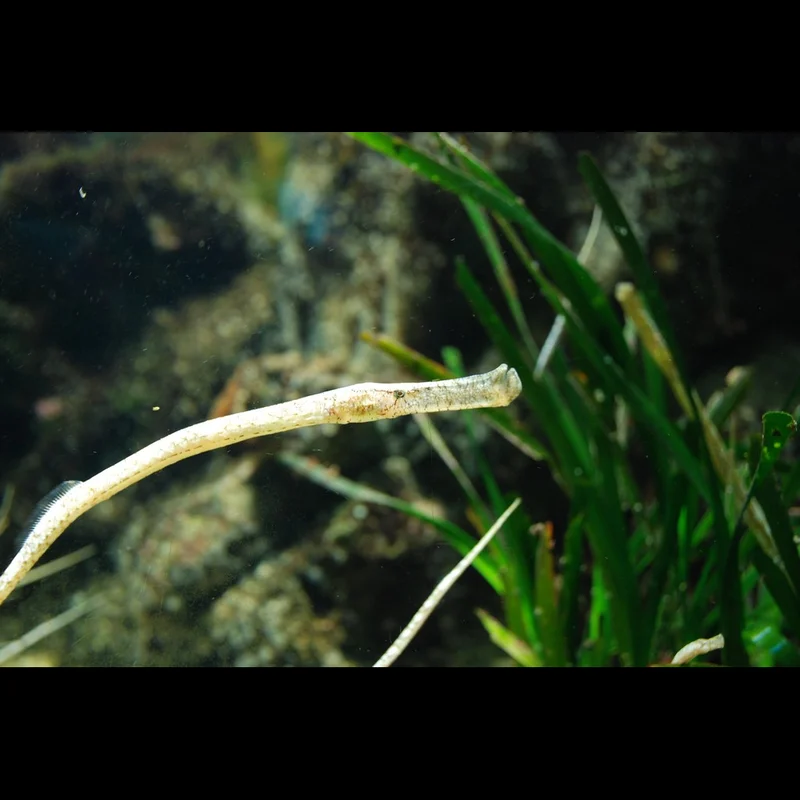
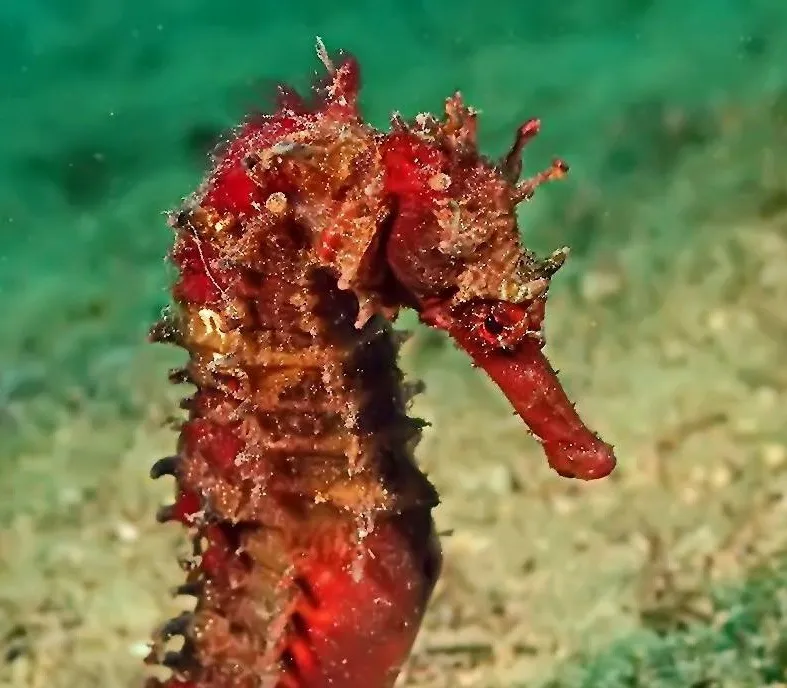
The diverse U.S. reef environments are home to an impressive array of marine species. Shallow muck dives, like some found in South Florida, frequently reveal elusive creatures such as squid, octopus, seahorses, pipefish, and various blennies.
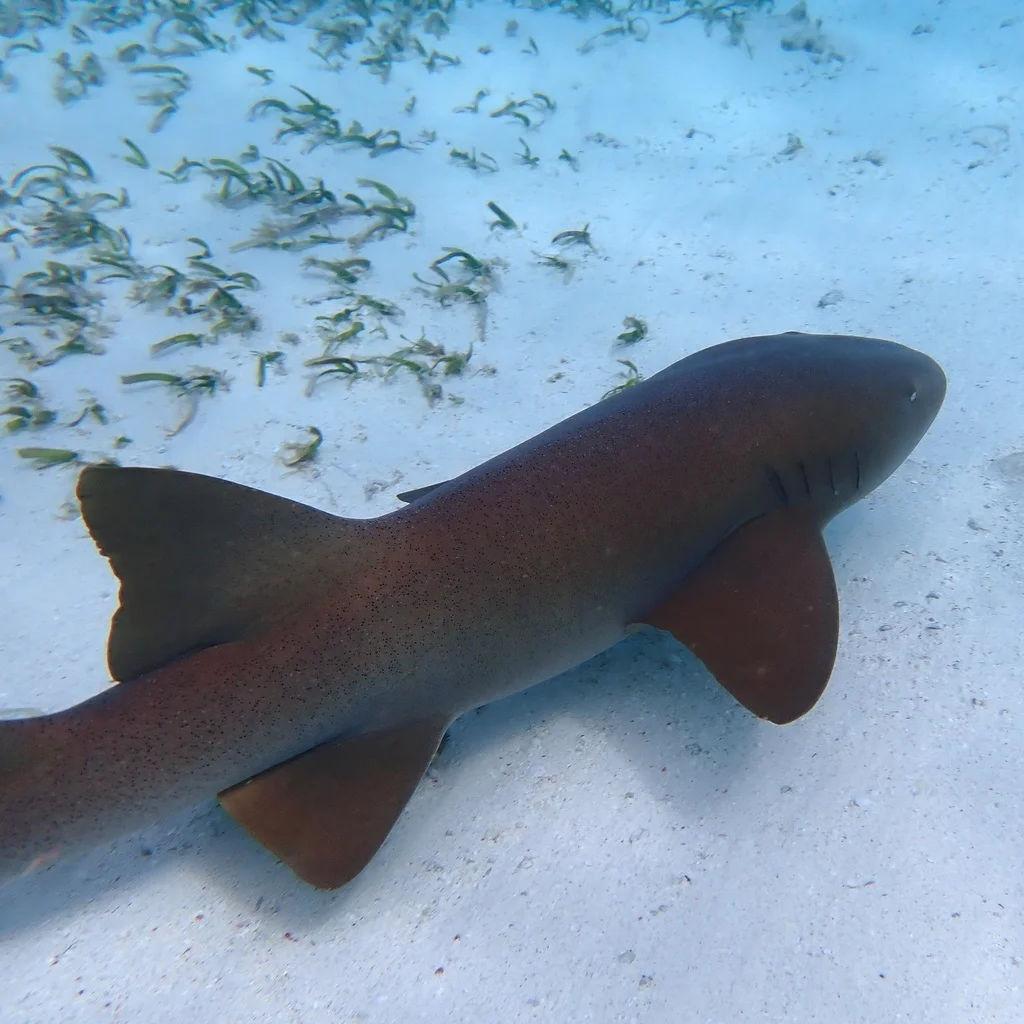
Deeper reef lines and artificial structures attract larger fauna, including nurse sharks and large rays, often observed resting within the reef's natural contours. Cornet fish are a common sight, gracefully navigating the reef.
Additionally, many sites provide excellent opportunities for macro enthusiasts, with abundant small organisms and interesting discoveries nestled among bricks, concrete, and coral formations. Expect to see a nice selection of shells too.

Dive Sites Near County Site #1 -Reef-Ex #3
View all dive sites in United StatesDiscover more underwater gems in this area.
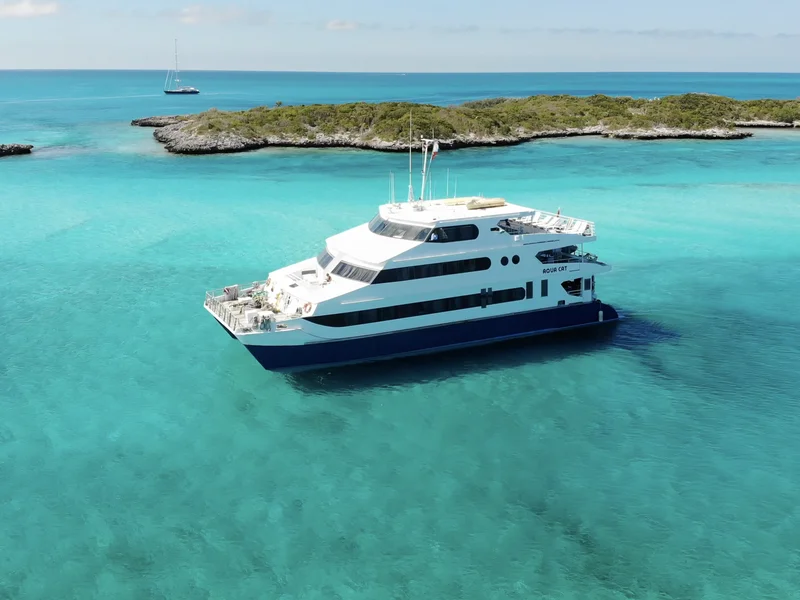
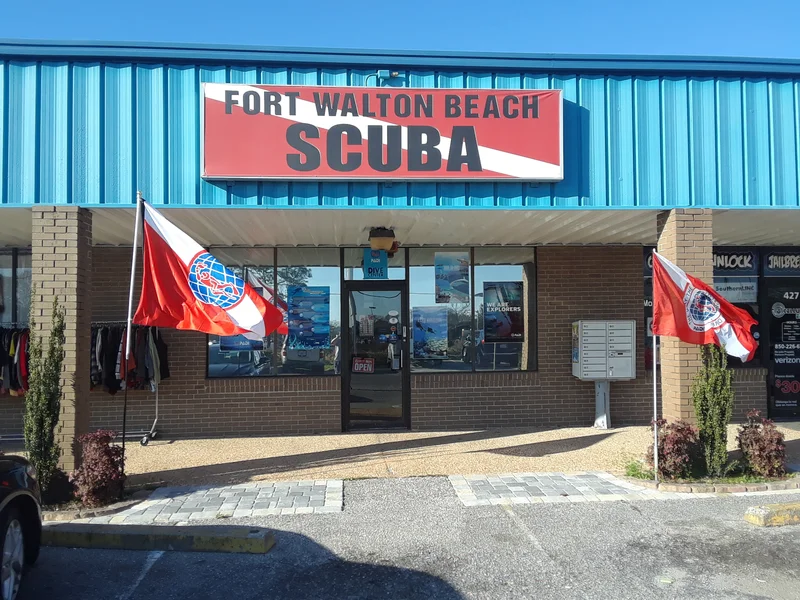
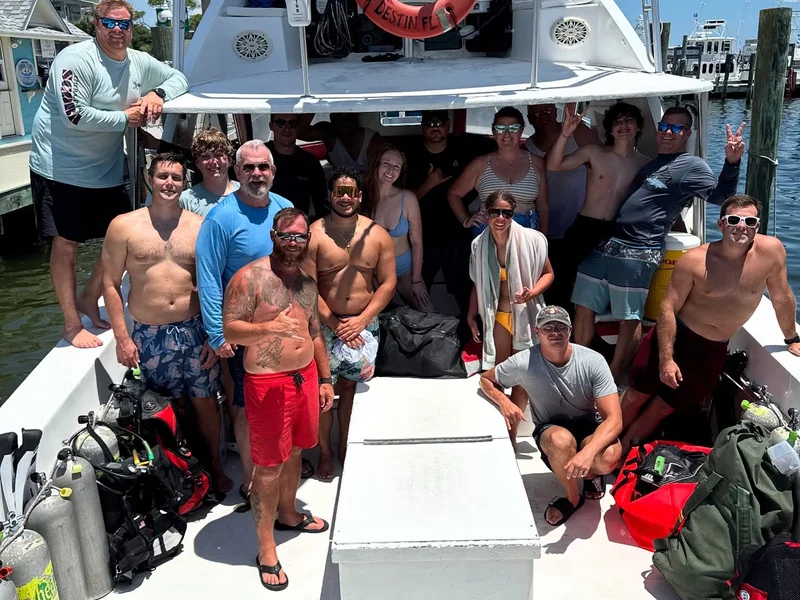
Dive Centers Near County Site #1 -Reef-Ex #3
Today: 08:00 - 17:00
Nearest Airports
Nearest airports to help plan travel to this dive area.
Search Flights
Check available flights and routes on Expedia, using the nearby airports listed in this section.
Search Flights on Expedia
Plan Your Stay
Looking for a place to stay for your dive trip? Explore hotels, stays, and vacation rentals for dive groups near Fort Walton Beach.
Dive Navigator may earn a commission from these links at no extra cost to you.
Frequently Asked Questions
What is the typical depth range for diving at U.S. reef sites?
Dive depths at U.S. reef sites vary considerably. You'll find shallow areas perfect for beginner divers at 4.5-6 m (15-20 ft), while more experienced divers can explore deeper sections, sometimes down to 27 m (90 ft) or more on artificial structures.
How variable is the underwater visibility?
Visibility at these sites can be quite unpredictable, ranging from poor conditions of 1.5 m (5 ft) to excellent clarity of 15 m (50 ft) or better. Local weather, tides, and recent storm activity all play a role in how clear the water will be.
Are there strong currents to be aware of?
Yes, currents can be a significant factor, especially near inlets and bays where water flows in and out. It's often recommended to dive at slack high tide to minimize current risk and ensure a safer dive.
What kind of marine life can I expect to see?
Reefs here support diverse marine life, from macro creatures like seahorses, pipefish, and blennies to larger animals such as nurse sharks and various rays. You might also spot squid, octopus, and cornet fish, depending on the specific site.
What are the water temperatures like throughout the year?
Water temperatures can range from around 21-22°C (70-72°F) in cooler months (January/February) to a warm 30-31°C (86-88°F) during the peak of summer (August). These ranges are typical for southern U.S. coastal waters.
Are most of these dives shore or boat dives?
Many popular reef sites, particularly the shallower ones, are accessible via shore entry, offering convenience. However, some deeper or offshore reefs require boat access. Confirm the entry method for your chosen site in advance.
Planning to dive County Site #1 -Reef-Ex #3?
Send one inquiry and receive offers directly from the best verified local dive operators.
Conditions are Excellent
07:00 - 14:00
Optimal conditions expected
Current conditions near County Site #1 -Reef-Ex #3 show 24° air, 30° sea temperature, 0.4 m waves, and 18 km/h wind. Forecast data is refreshed regularly to ensure accuracy.