
Diving at County Site #2 (United States)
County Site #2 offers divers a diverse depth profile, catering to both recreational and more advanced explorations. Depths vary significantly across its different sections, with shallower areas accessible for entry-level divers, typically in the 5-9 m (15-30 ft) range. Deeper sections extend down to approximately 27-30 m (90-100 ft), or even beyond, depending on the specific features being explored. This variability allows for progressive diving experiences within the same general location.
As evening covers County Site #2, the local air temperature is measured at 27°C. The current wave height at the surface is recorded at 0.6 m. These late-day readings characterize the surface conditions for the night.
Dive Site Location & Key Facts
Dive Site Overview
County Site #2 presents a varied underwater topography, reflective of many coastal dive opportunities found across the US. Divers here can expect a mix of natural rock formations, potentially resembling a significant rock wall, alongside artificial structures.
These structures might include submerged pilings or remnants of human activity, which often provide shelter for marine life and act as focal points for exploration. In some areas, the bottom composition could be silty, a common characteristic in sheltered coastal regions, contrasting with harder reef structures found elsewhere.
The site's layout often shifts from shallow, gently sloping seabeds, ideal for leisurely exploration at recreational depths, to more dramatic drop-offs or extensive wall systems that invite deeper dives. Divers exploring different zones within County Site #2 may discover varied structural elements, from potential wreck fragments or older outfall structures, to natural reef formations described as having a "swiss cheese look" in places.
These topographical shifts contribute to the dynamic feel of a dive here, requiring divers to adapt their approach based on the specific features encountered. This diverse environment ensures that even frequent visitors will find new details or perspectives. Some sections might also feature submerged logs, adding to the structural complexity.
Conditions are Good
Optimal conditions expected
Current conditions near County Site #2 show 27° air, 30° sea temperature, 0.4 m waves, and 28 km/h wind. Forecast data is refreshed regularly to ensure accuracy.
Best Time to Dive
Choosing the ideal time to dive at County Site #2 depends on personal preference for surface conditions and local aquatic warmth. While the site generally offers good diving conditions year-round, distinct seasonal patterns emerge. Air temperatures are pleasant for much of the year, ranging from 14-29°C (57-84°F), with the warmest months typically from June through September. During these peak summer months, average wave heights are generally lower, often around 0.5-0.7 m (1.6-2.3 ft), and wind speeds tend to be calmer, averaging around 21-26 km/h (13-16 mph), which can make for smoother boat rides or shore entries. Rainfall is typically low, though August experiences a slight increase in precipitation. Water temperatures are not consistently reported for this specific location, but based on regional trends, divers should anticipate a range from 21-31°C (70-88°F), varying significantly by season and specific area within the United States. Fall and spring months (March-May, September-November) also present excellent opportunities, often balancing comfortable air temperatures, around 19-27°C (66-81°F), with moderate wind and wave conditions. These shoulder seasons can sometimes offer clearer visibility.
PEAK SEASON SCORE
Scores combine air & water temps, waves, wind & rainfall for overall conditions.
BEST MONTHS TO DIVE
Monthly records compiled from satellite and marine observation nodes over the last 3 years. Data provided by Open-Meteo and MET Norway.
Dive Experience & Conditions
Approaching County Site #2, divers will find the entry experience can vary from straightforward shore access to boat-dependent entry points. Some sections feature good beaches, allowing for comfortable walk-in and walk-out access, making it suitable for divers who prefer shore-based operations. However, like many coastal areas, conditions such as wind and wave forecasts should be monitored carefully before planning an entry or exit, as these can influence ease and safety. While certain areas are noted as not being particularly current-sensitive, other sections, especially those near inlets or tidal channels, may experience strong currents. In these instances, timing dives around slack high tide is a common recommendation to minimize current risk and maximize underwater enjoyment. Visibility can fluctuate widely, varying from 1.5 m (5 ft) in less ideal conditions to over 15 m (50 ft) on clearer days. The overall experience is one of adaptability, as conditions can change, offering both calm, easy dives and more challenging currents.
Dive Difficulty & Safety Guidelines
Diving at County Site #2 requires adherence to standard safety protocols and local guidelines. A primary consideration is the potential for currents, particularly in sections influenced by tidal flow or near inlets. Divers should plan dives during slack high tide when possible, especially in areas where "wicked" currents have been reported.
Always dive with a buddy; this universal safety practice is particularly relevant when navigating variable conditions. Surface conditions, including wind and wave forecasts, must be checked prior to entry and exit from any shore-based locations.
Navigation near active marine traffic or ferry docks should be done with extreme caution, respecting any established exclusion zones, such as the 45 m (150 ft) around specific ferry operations. Contacting local authorities, like the Coast Guard, on appropriate channels before entering or exiting the water might be necessary in some locations, particularly near navigational hazards or busy waterways. Overcrowding at popular spots can also detract from the experience and increase interaction risks.
Recommended Equipment
- Dive Computer
This gear list is based on verified equipment signals for County Site #2, United States. Always confirm final gear choices with your dive operator, guide, or liveaboard.
Recommended Dive Suit
Divers visiting County Site #2 today can expect water conditions around 30°C (86°F). Surface air temperatures are resting at 27°C (81°F).
Dive skin or rash guard is generally considered suitable for water temperatures like this. Consider warmer surface protection (like a boat coat) due to brisk winds.
Forecast trends indicate similar diving conditions over the next few days.
Emergency & Medical Support
Essential information to help you plan your dive trip to County Site #2.

Hyperbaric chambers are a critical part of dive safety infrastructure. Availability varies significantly by region, and not all dive areas have immediate access.
Before diving, it's recommended to:
- confirm nearest medical facilities
- check emergency procedures with local dive operators
- ensure dive insurance covers evacuation if required
Divers Alert Network
Diving emergency assistance available through DAN World.
+1-919-684-9111- 24/7 emergency hotline
- Diving medical assistance
- Evacuation coordination
Emergency contacts are provided for reference. Always verify local emergency services before diving.
Marine Life at County Site #2
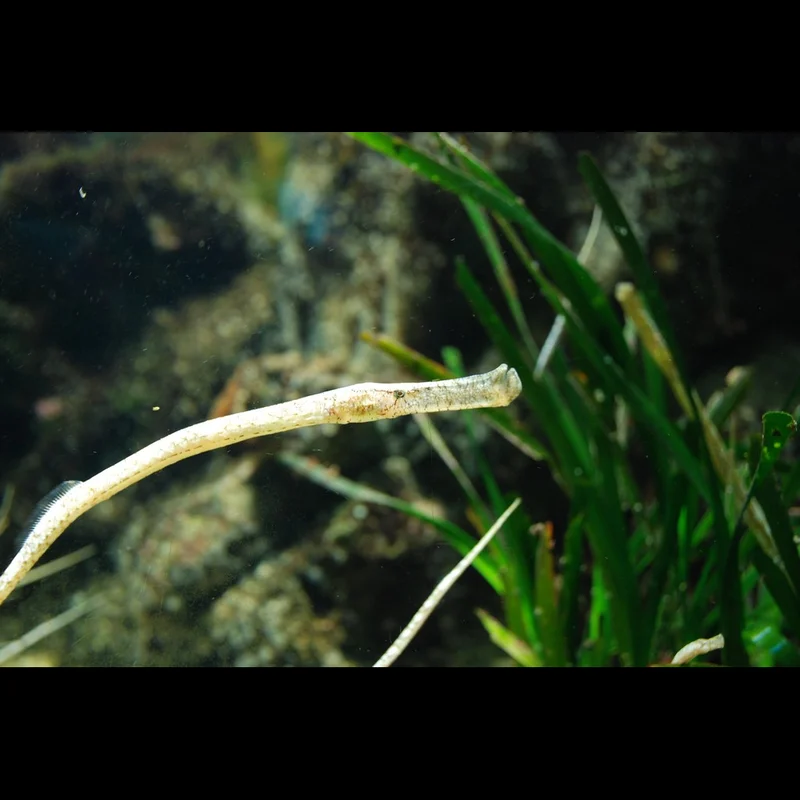
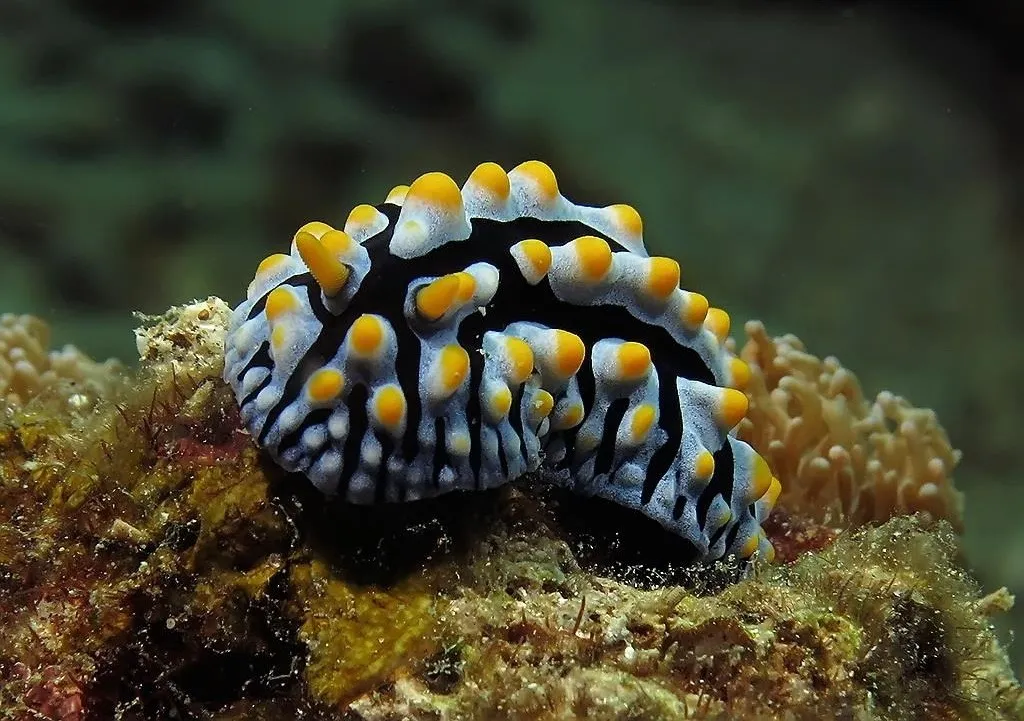
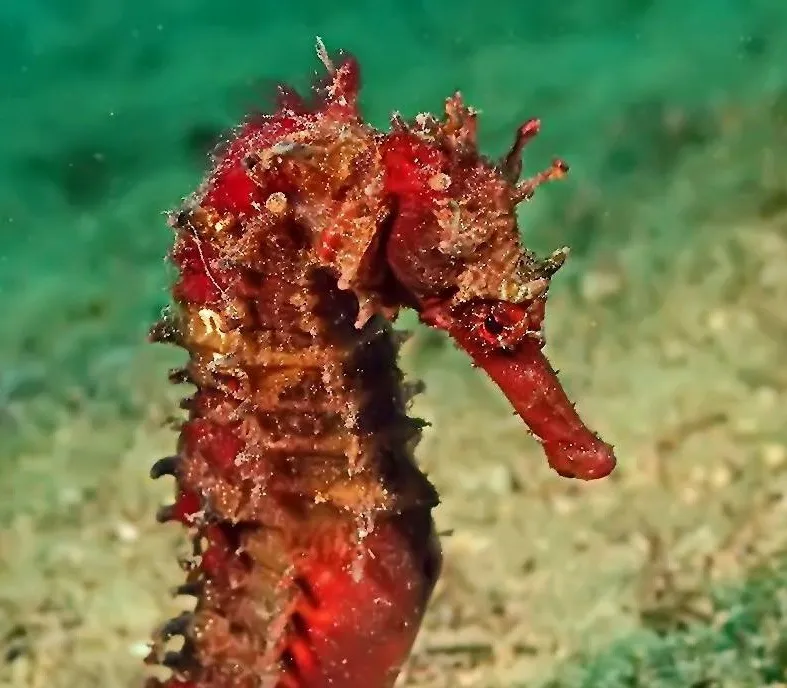
Upon descending into County Site #2, divers are often immediately struck by the diversity of marine life that thrives within its varied habitats. Macro enthusiasts can expect to find a wide array of smaller creatures, including nudibranchs, sea horses, pipefish, and blennies, particularly in areas with abundant sponges or artificial structures like old outfall pipes.
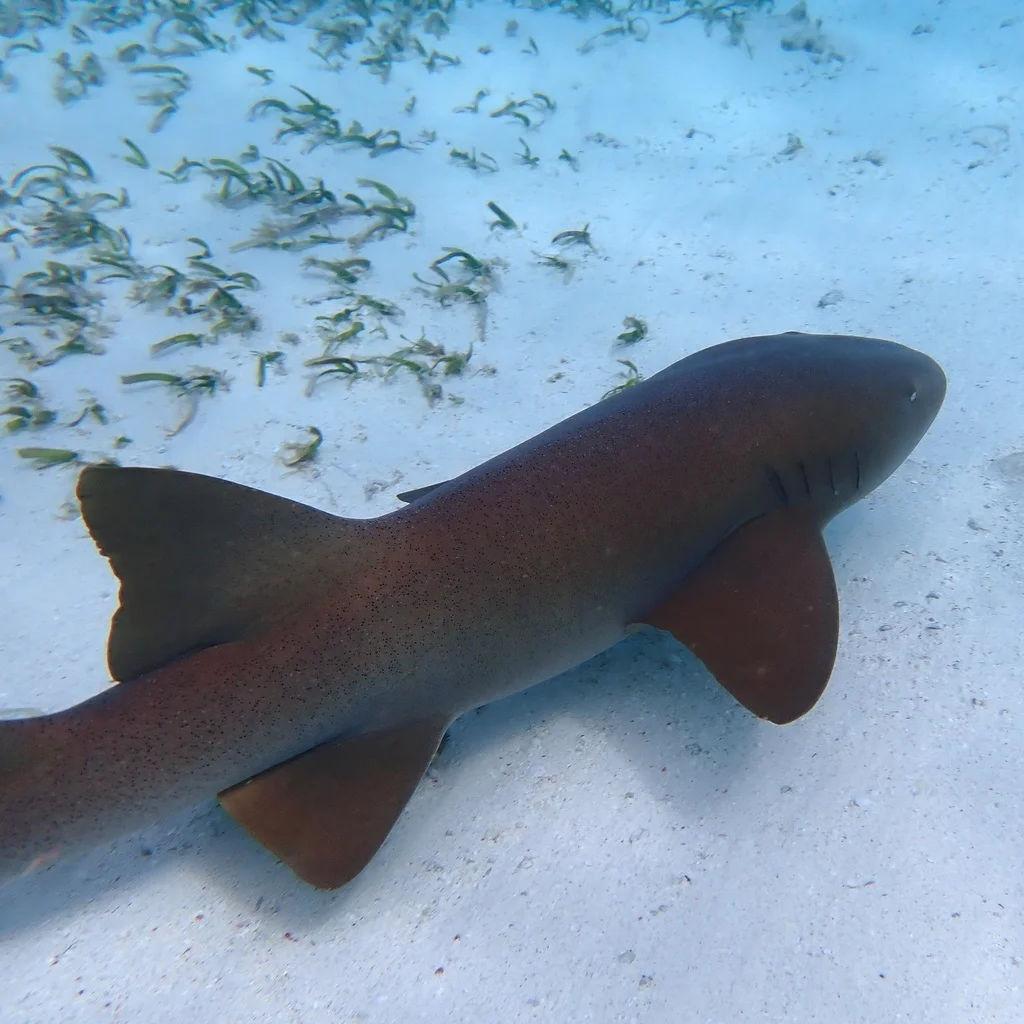
Larger inhabitants also make appearances, with sightings of nurse sharks, various rays, and cornet fish not uncommon. In deeper or more structurally complex sections, divers might encounter giant Pacific octopus or wolf eels tucked into crevices.
The site’s blend of rocky walls and reef structures creates an ideal environment for a rich ecosystem, ensuring that observation of both the grand and the minute is part of nearly every dive.

Dive Centers Near County Site #2
Today: 10:00 - 17:00
Nearest Airports
Nearest airports to help plan travel to this dive area.
Search Flights
Check available flights and routes on Expedia, using the nearby airports listed in this section.
Search Flights on ExpediaFrequently Asked Questions
What is the typical depth range at County Site #2?
The site offers a diverse depth profile, ranging from shallower sections around 5-9 m (15-30 ft) suitable for new divers. More advanced areas can extend down to 27-30 m (90-100 ft) or even deeper in specific zones. This variety allows for different dive plans.
What are the water temperature expectations?
Specific water temperatures for County Site #2 are not consistently reported. However, based on broader regional trends, divers should anticipate water temperatures generally ranging from 21-31°C (70-88°F), varying significantly with the season and exact location.
How is the visibility generally at this site?
Visibility at County Site #2 can be quite variable, depending heavily on recent weather patterns and tidal conditions. It might range from as low as 1.5 m (5 ft) on less ideal days to exceeding 15 m (50 ft) during optimal periods. Checking local reports before diving is always advisable.
Are there currents to be aware of?
Yes, currents can be a significant factor at County Site #2, particularly in areas near inlets or channels. It's highly recommended to plan dives during slack high tide to minimize current strength. Some sections are less current-sensitive, but vigilance is always necessary.
What kind of marine life can I expect to see?
County Site #2 is home to a good variety of marine life, appealing to both macro and wide-angle enthusiasts. Expect to observe smaller creatures like nudibranchs, sea horses, and blennies, alongside larger species such as nurse sharks, various rays, and potentially even giant Pacific octopus or wolf eels.
Is this site suitable for beginners?
Yes, certain shallower sections of County Site #2, particularly those with easy beach access and minimal currents, are suitable for beginner divers. However, due to variable conditions and deeper areas, beginners should always dive with an experienced buddy or guide, and choose their specific dive plan carefully to match their certification level.
Planning to dive County Site #2?
Send one inquiry and receive offers directly from the best verified local dive operators.
Conditions are Good
Optimal conditions expected
Current conditions near County Site #2 show 27° air, 30° sea temperature, 0.4 m waves, and 28 km/h wind. Forecast data is refreshed regularly to ensure accuracy.