
Diving at County Site #2 (United States)
Underwater topography around dive sites often includes prominent rock walls and varied reef structures, shaping the diving experience. These formations range from accessible beach entries, like the rock wall at Fort Wetherill in Rhode Island, to more complex reef systems further offshore. Many sites feature a mix of natural rock and artificial structures, providing diverse environments. While some areas are quite shallow, other walls extend beyond 30 m (100 ft) in depth.
Evening condition tracking at County Site #2 features an air temperature of 30.5°C. We have recorded wave heights measuring 0.8 m during this period. These figures outline the environmental parameters currently present.
Dive Site Location & Key Facts
Dive Site Overview
Diving in the waters of County Site #2 provides a spectrum of experiences, from tranquil muck dives to exploration of extensive reef lines and shipwrecks. Entry points frequently accommodate shore diving, often featuring convenient beach access.
Recreational depths typically range from 5 to 40 m (15 to 130 ft), allowing for dives suitable for various certification levels. Expect variable underwater visibility, which can swing from a limited 1.5 m (5 ft) to an expansive 15 m (50 ft) or more, depending significantly on local conditions and recent weather patterns. Water temperatures generally stay comfortable for much of the year, usually between 21-31°C (70-88°F).
However, currents vary significantly by location; many coastal sites, especially those near inlets or bays, often require precise timing to coincide with slack tide for safe and enjoyable diving. Areas not subject to strong tidal flows may offer more relaxed conditions, such as those found around specific wall dives.
Conditions are Good
07:00 - 14:00
Optimal conditions expected
Current conditions near County Site #2 show 31° air, 31° sea temperature, 0.4 m waves, and 31 km/h wind. Forecast data is refreshed regularly to ensure accuracy.
Best Time to Dive
Determining the best time to dive often hinges on maximizing underwater visibility and enjoying favorable surface conditions. Months from May through July, along with November, typically present good to excellent dive scores, indicating more pleasant overall conditions. During July, the average wave height is at its lowest, around 0.5 m (1.6 ft), which generally contributes to better visibility and calmer entry/exit conditions. Air temperatures are warmest from July to September, averaging 27-29°C (81-84°F). Rainfall is comparatively lower in April and November, around 0.6-1.3 mm, potentially leading to clearer water. While conditions can vary, aiming for periods with lower wave action and minimal recent rainfall offers the highest probability for clearer sightlines, even though visibility is not consistently reported and can fluctuate day by day.
PEAK SEASON SCORE
Scores combine air & water temps, waves, wind & rainfall for overall conditions.
BEST MONTHS TO DIVE
Monthly records compiled from satellite and marine observation nodes over the last 3 years. Data provided by Open-Meteo and MET Norway.
Dive Experience & Conditions
Exploring the varying depths at County Site #2 reveals distinct dive experiences across different sites. Divers can encounter shallow muck dives, sometimes as modest as 4.5-6 m (15-20 ft), where macro life thrives. Alternatively, many reef dives begin in the 6-9 m (20-30 ft) range, often featuring multiple reef lines that extend further offshore to depths of 18-27 m (60-90 ft). Specific wreck sites might start in shallower waters around 9 m (30 ft) and descend significantly, reaching down to 35 m (115 ft). The water temperature shows a notable seasonal range, commonly reported between a low of 21-22°C (70-72°F) in cooler months and a high of 29-31°C (85-88°F) during warmer periods. Currents present a significant factor at many locations, frequently necessitating dives to be planned around slack high tide, particularly in inlet areas where water movement can be substantial.
Dive Difficulty & Safety Guidelines
Navigating the underwater environment at County Site #2 requires adherence to standard diving safety protocols and awareness of local conditions. Diving with a buddy is always recommended, enhancing both safety and enjoyment. Many sites with strong tidal flows, such as inlets or channels, demand meticulous planning to dive only during slack tide to mitigate potent currents.
Specific locations may have unique regulations, including mandatory contact with local authorities, like the Coast Guard, via Channel 16 when divers are in the water near certain wreck sites.
Additionally, divers should be mindful of any exclusion zones around active ferry docks or other infrastructure. Monitoring weather forecasts, especially for wind and waves, is crucial for safe entries and exits, particularly for shore dives.
Recommended Equipment
- Dive Computer
This gear list is based on verified equipment signals for County Site #2, United States. Always confirm final gear choices with your dive operator, guide, or liveaboard.
Recommended Dive Suit
Recent conditions suggest the water at County Site #2 remains near 31°C (87°F), offering typical conditions for the area. Surface air temperatures are resting at 31°C (87°F).
Weather models indicate a small drop in surface temperatures later this week. Cooler days are ahead; you might want a warmer option for later in the week. A neoprene vest or hood can add flexibility if temperatures feel cooler underwater.
Most divers would typically feel comfortable using dive skin or rash guard in these conditions. Consider warmer surface protection (like a boat coat) due to brisk winds. Dive depth and duration can significantly affect perceived warmth. Stronger winds may also make surface intervals feel cooler than usual. Divers planning trips later in the week may want to consider bringing a slightly warmer suit.
Due to technical issues with our weather providers, live updates are temporarily delayed. The data above reflects the conditions at the time of the last successful fetch.
Emergency & Medical Support
Essential information to help you plan your dive trip to County Site #2.

Hyperbaric chambers are a critical part of dive safety infrastructure. Availability varies significantly by region, and not all dive areas have immediate access.
Before diving, it's recommended to:
- confirm nearest medical facilities
- check emergency procedures with local dive operators
- ensure dive insurance covers evacuation if required
Divers Alert Network
Diving emergency assistance available through DAN World.
+1-919-684-9111- 24/7 emergency hotline
- Diving medical assistance
- Evacuation coordination
Emergency contacts are provided for reference. Always verify local emergency services before diving.
Marine Life at County Site #2
The diverse underwater landscapes here provide a habitat for a wide array of marine species, often found around the structural elements. Submerged logs, pilings, and sunken boats serve as artificial reefs, becoming adorned with Pacific Northwest marine life in some regions.
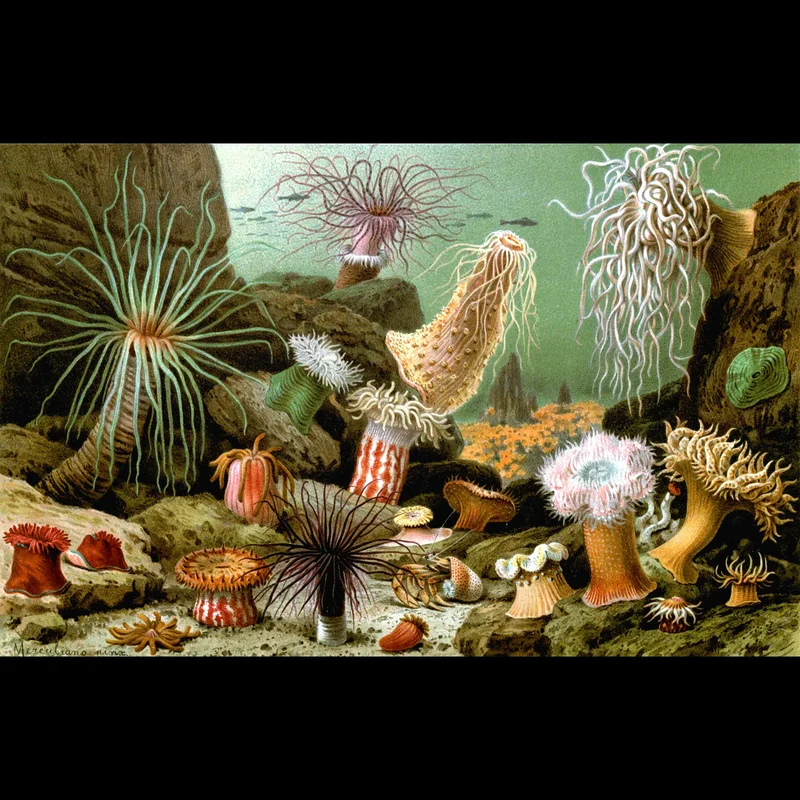
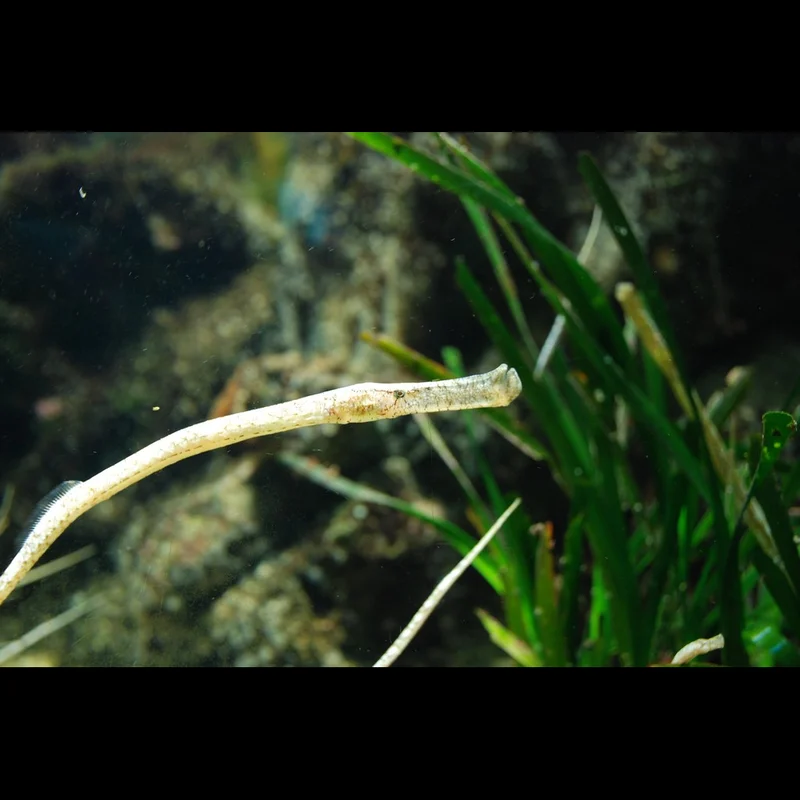
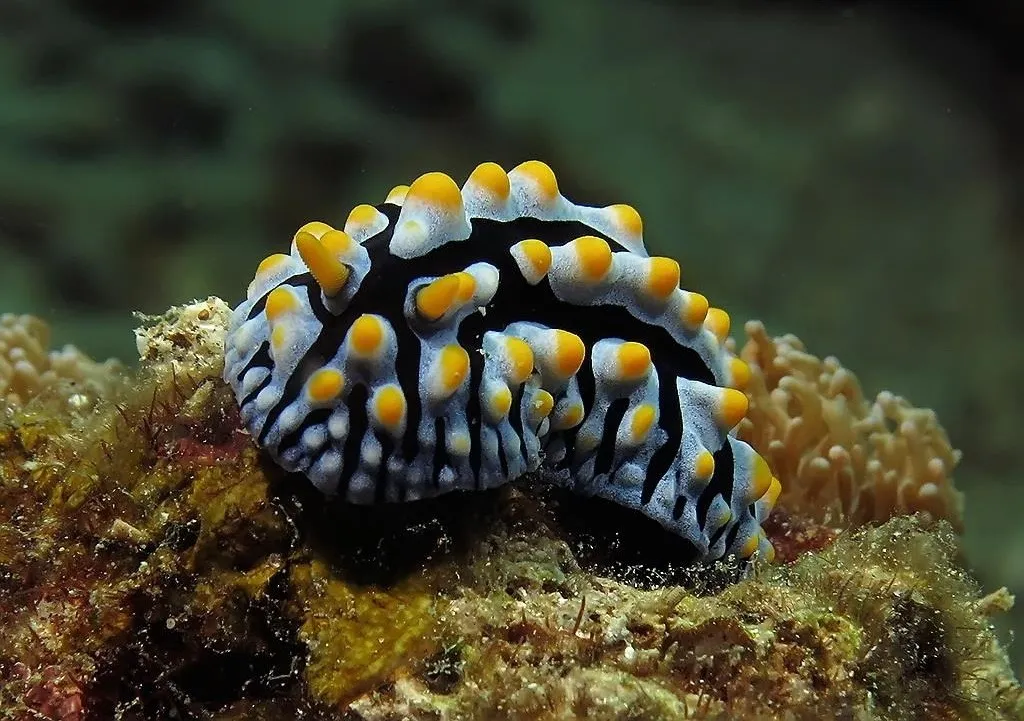
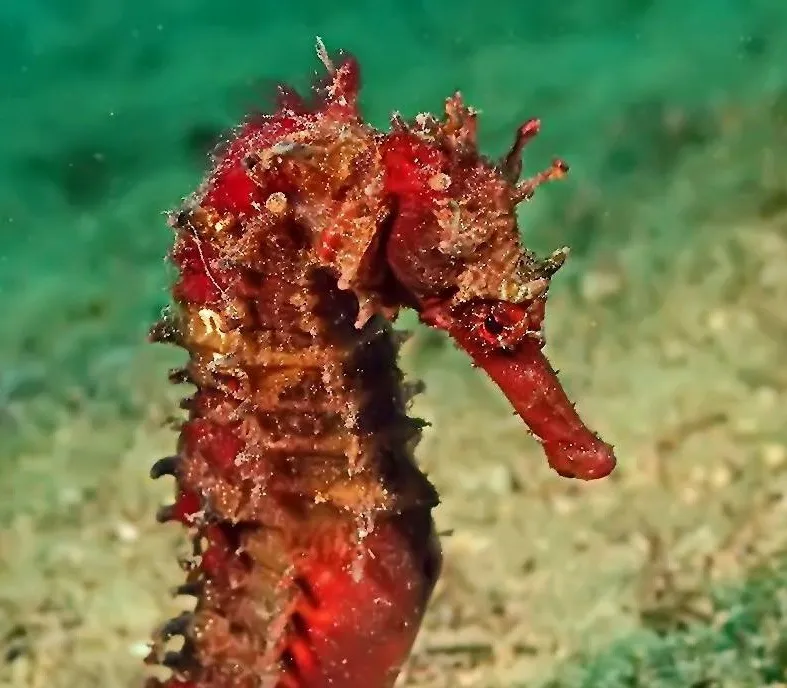
These structures attract larger creatures like Lingcod, Giant Pacific Octopus, and Wolf Eels. Throughout various sites, divers may encounter a rich macro environment, featuring nudibranchs, anemones, sea cucumbers, sea horses, pipefish, and blennies.
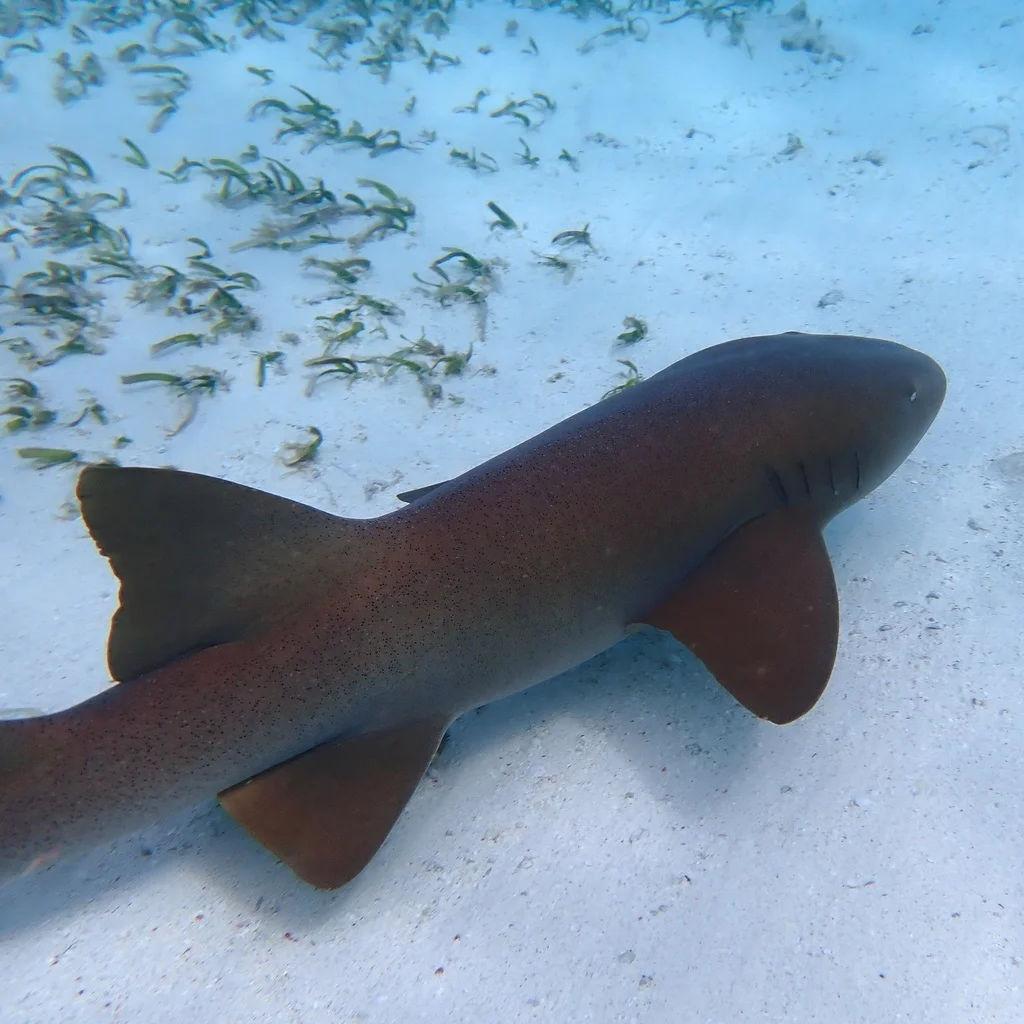
Additionally, sightings can include nurse sharks, large rays, squid, and cornet fish, particularly around the deeper reef lines or 'swiss cheese' formations.
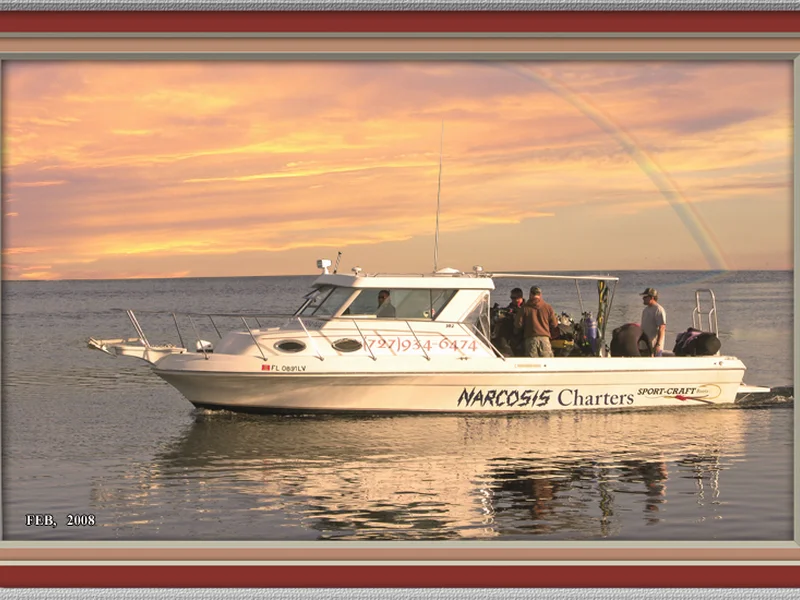
Dive Centers Near County Site #2
Today: 11:00 - 19:00
Nearest Airports
Nearest airports to help plan travel to this dive area.
Search Flights
Check available flights and routes on Expedia, using the nearby airports listed in this section.
Search Flights on ExpediaFrequently Asked Questions
What are the typical depths for diving?
Dive depths generally span from shallow muck dives at 4.5-6 m (15-20 ft) to reef lines and wreck sites that can extend to 40 m (130 ft). This range accommodates both novice and experienced divers, depending on the specific site.
How clear is the water usually?
Underwater visibility is highly variable, often ranging from 1.5 m (5 ft) to 15 m (50 ft) or more. Conditions are influenced by recent weather, wave action, and local currents, so it's advisable to check current reports.
What kind of marine life can I expect to see?
Divers may encounter a variety of life, including Lingcod, Giant Pacific Octopus, and Wolf Eels, alongside smaller species such as nudibranchs, sea horses, pipefish, and blennies. Reefs and wrecks also host nurse sharks, large rays, and cornet fish.
Are there strong currents to be aware of?
Yes, currents can be significant, especially in inlets and channels. Many sites require diving at slack tide, preferably high tide, to avoid strong water movement. Some open water sites are less current-sensitive.
What are the water temperatures like throughout the year?
Water temperatures range from approximately 21-22°C (70-72°F) in cooler periods to 29-31°C (85-88°F) during the warmer months. These temperatures make a 5mm wetsuit a generally suitable choice for thermal protection.
Is shore diving a common option here?
Many dive sites offer convenient shore entry, often with accessible beaches. This makes them popular for divers who prefer not to use boat charters. However, some deeper sites may still require boat access.
Planning to dive County Site #2?
Send one inquiry and receive offers directly from the best verified local dive operators.
Conditions are Good
07:00 - 14:00
Optimal conditions expected
Current conditions near County Site #2 show 31° air, 31° sea temperature, 0.4 m waves, and 31 km/h wind. Forecast data is refreshed regularly to ensure accuracy.