
Diving at CSX Rubble (United States)
CSX Rubble presents a fascinating challenge for divers interested in artificial reef ecosystems off the coast of Florida. This site is composed of various man-made structures, including concrete bridge sections and potentially barge components, designed to attract marine life. Navigating the diverse structures requires attentive buoyancy control and situational awareness. It offers a rewarding experience for those prepared to explore a developing underwater habitat.
Current morning readings from CSX Rubble indicate an air temperature of 30.5°C. Surface wave heights are averaging around 1.3 m at this time. These local measurements provide a baseline for your daily dive planning.
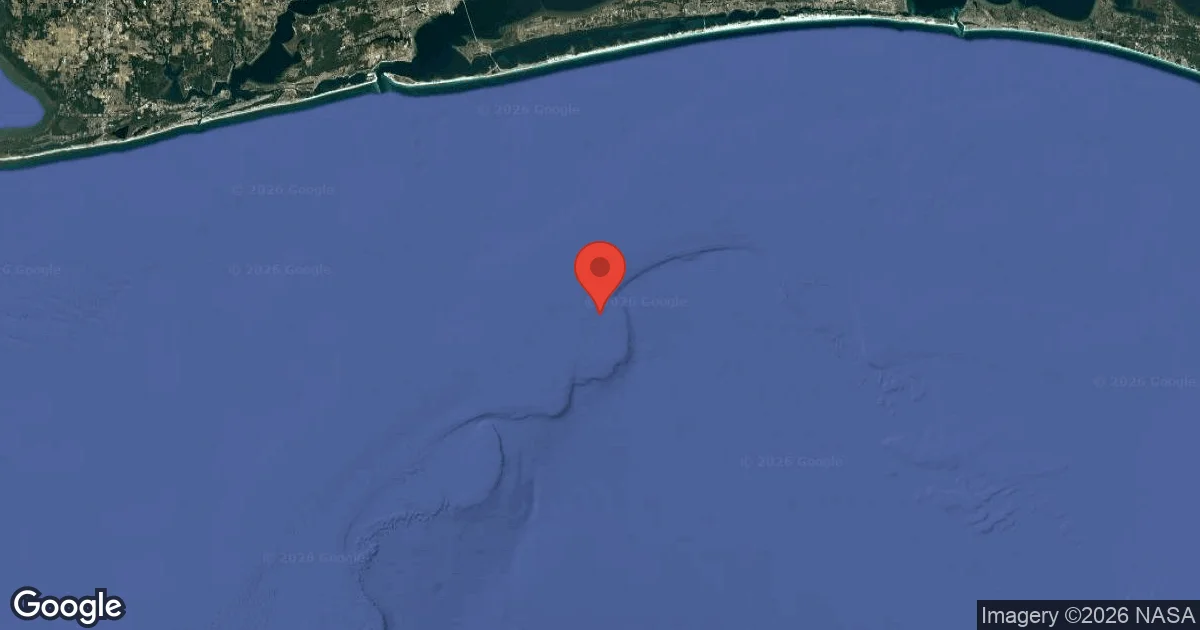
Dive Site Location & Key Facts
Dive Site Overview
Descend into the waters surrounding CSX Rubble and discover an evolving artificial reef environment. This site, comprising concrete bridge sections and potentially larger structures like steel barges, rests at depths typically ranging from 12 m (40 ft) to around 27 m (90 ft).
Divers encounter a rugged topography, where the varied rubble forms intricate nooks and crannies for exploration. The structures are quickly becoming encrusted with growth, transforming into vibrant habitats for local marine species. Visibility here can fluctuate significantly throughout the year.
During cooler winter months, from November to April, conditions are often clearest, reaching 12-15 m (40-50 ft). However, warmer summer waters, from May to October, may reduce visibility to 3 m (10 ft) or less due to increased algae growth.
Surface water temperatures range from a cooler 10-15°C (low-50s°F) in winter to a warmer 29-30°C (mid-80s°F) in summer. Below the thermocline, water can be 5-8°C (10-15°F) cooler, but never drops below 10°C (50°F), especially noticeable at deeper sections.
Advanced open water divers comfortable with potential limited visibility and navigating structural environments will find this site rewarding.
Conditions are Excellent
07:00 - 14:00
Optimal conditions expected
Current conditions near CSX Rubble show 31° air, 30° sea temperature, 0.5 m waves, and 18 km/h wind. Forecast data is refreshed regularly to ensure accuracy.
Best Time to Dive
Optimizing visibility is key when planning a dive to CSX Rubble, making the cooler winter months the preferred period. From November to April, surface visibility frequently extends to 12-15 meters, providing clearer views of the reef structures. During these months, average air temperatures range from 13.5°C (56°F) in January to 21°C (70°F) in April, typically feeling moderate on the surface. Rainfall tends to be lower and more consistent, averaging between 2.65 mm (0.10 in) and 4.58 mm (0.18 in) monthly. As temperatures rise from May to October, reaching average air temperatures of 24.5°C (76°F) to 29°C (84°F), warmer surface waters stimulate algal blooms, which can decrease visibility to 3 meters or less. While the warmer water might be comfortable, the reduced clarity significantly impacts the dive experience. Dive scores generally rate "Good" from May to September, primarily due to calmer seas and higher air temperatures, but "Moderate" during other months, often influenced by increased wave heights and cooler conditions.
PEAK SEASON SCORE
Scores combine air & water temps, waves, wind & rainfall for overall conditions.
BEST MONTHS TO DIVE
Monthly records compiled from satellite and marine observation nodes over the last 3 years. Data provided by Open-Meteo and MET Norway.
Dive Experience & Conditions
A descent at CSX Rubble immediately reveals a collection of artificial structures, primarily concrete bridge sections that form the core of this reef. As divers drop through the water column, they encounter the varied relief of these components, which are positioned between recreational depths and deeper sections. The maximum depth for some barge or wreck components can reach about 27 m (90 ft). General rubble sections might be shallower, around 12 meters. Expect thermoclines, especially during summer, where temperatures can drop noticeably at 21-24 meters and deeper, reaching depths of 30 meters. Surface water temperatures vary from 10-15°C (low-50s°F) in winter to 29-30°C (mid-80s°F) in summer. Divers should be proficient in buoyancy control to avoid stirring up sediment, which can quickly reduce visibility on these structures. Current conditions are not consistently reported but can vary, requiring divers to remain attentive to their surroundings.
Dive Difficulty & Safety Guidelines
Diving at CSX Rubble requires a proactive approach to safety due to its nature as an artificial reef and shared water space. Entanglement is a significant concern; fishing is popular in the area, meaning old trotlines and monofilament line are often present. Always carry a dive knife to address potential snags from submerged brush, trees, and discarded fishing gear.
Being a popular boating area, remaining close to your dive flag is crucial. Boaters must stay at least 30 meters clear, observing the 100-foot rule from a displayed red and white dive flag.
Utilize the buddy system, and never dive beyond the capabilities of the least experienced diver in the group. If exploring any cave or karst features that might be nearby, ensure you possess appropriate training and certification. Avoid designated boat mooring, docking, or harbor areas, as these are restricted for diving.
Recommended Equipment
- Dive Computer
This gear list is based on verified equipment signals for CSX Rubble, United States. Always confirm final gear choices with your dive operator, guide, or liveaboard.
Recommended Dive Suit
Current diving conditions indicate water temperatures around 30°C (87°F) at CSX Rubble. Surface air temperatures are resting at 31°C (87°F).
Environmental conditions may feel slightly cooler as the week progresses. Cooler days are ahead; you might want a warmer option for later in the week. A neoprene vest or hood can add flexibility if temperatures feel cooler underwater.
Most divers would typically feel comfortable using dive skin or rash guard in these conditions. Consider warmer surface protection (like a boat coat) due to brisk winds. Dive depth and duration can significantly affect perceived warmth. Stronger winds may also make surface intervals feel cooler than usual.
Due to technical issues with our weather providers, data hasn't been fetched for over 48 hours. The data above reflects the conditions at the time of the last successful fetch.
Emergency & Medical Support
Essential information to help you plan your dive trip to CSX Rubble.

Hyperbaric chambers are a critical part of dive safety infrastructure. Availability varies significantly by region, and not all dive areas have immediate access.
Before diving, it's recommended to:
- confirm nearest medical facilities
- check emergency procedures with local dive operators
- ensure dive insurance covers evacuation if required
Divers Alert Network
Diving emergency assistance available through DAN World.
+1-919-684-9111- 24/7 emergency hotline
- Diving medical assistance
- Evacuation coordination
Emergency contacts are provided for reference. Always verify local emergency services before diving.
Marine Life at CSX Rubble
The artificial structures of CSX Rubble provide a foundational habitat for developing marine ecosystems. As you explore the concrete bridge sections and potential barge components, you'll observe fish species adapting to these newly formed reefs.
While specific detailed reports are limited, artificial reefs generally attract various species. Expect to encounter common coastal fish that seek shelter and foraging opportunities within the rubble, such as snook and sheepshead.
Manatees and dolphins are sometimes seen in the broader area, though direct sightings at the rubble site itself are not consistently reported. The site's evolving nature means that, over time, a diverse array of invertebrates and smaller reef fish will colonize the surfaces.

Dive Sites Near CSX Rubble
View all dive sites in United StatesDiscover more underwater gems in this area.
Dive Centers Near CSX Rubble
Today: 10:00 - 18:00
Nearest Airports
Nearest airports to help plan travel to this dive area.
Search Flights
Check available flights and routes on Expedia, using the nearby airports listed in this section.
Search Flights on ExpediaFrequently Asked Questions
What is the typical depth range for diving at CSX Rubble?
Depths at CSX Rubble generally range from approximately 12 meters for some rubble sections up to about 27 meters where larger structures like steel barges might be found. The site covers a good recreational depth range.
How does visibility change throughout the year?
Visibility at CSX Rubble varies significantly. During the cooler winter months (November to April), it can be quite clear, reaching 12-15 meters. In contrast, warmer summer months (May to October) often see reduced visibility, sometimes dropping to 3 meters or less due to increased algae growth.
Are there any specific hazards to be aware of?
Divers should be mindful of potential entanglement hazards from discarded fishing lines and trotlines, which are common on artificial reefs. Boating traffic is also present, so always display a dive flag and stay close to it.
What are the water temperatures like?
Surface water temperatures fluctuate from 10-15°C (low-50s°F) in winter to 29-30°C (mid-80s°F) in summer. Be prepared for colder temperatures below thermoclines, which can be 5-8°C (10-15°F) cooler than the surface, especially at depths greater than 21 meters.
What kind of marine life can I expect to see?
The artificial structures attract various fish seeking shelter and food, including species like snook and sheepshead. While specific populations vary, the site generally supports developing marine ecosystems. Manatees and dolphins are occasionally sighted in the broader region.
Is special training required for this dive site?
CSX Rubble is suitable for certified advanced open water divers who are comfortable navigating structural environments and managing variable visibility. If encountering any cave-like features, specialized cave diving certification is mandatory.
Planning to dive CSX Rubble?
Send one inquiry and receive offers directly from the best verified local dive operators.
Conditions are Excellent
07:00 - 14:00
Optimal conditions expected
Current conditions near CSX Rubble show 31° air, 30° sea temperature, 0.5 m waves, and 18 km/h wind. Forecast data is refreshed regularly to ensure accuracy.