
Diving at DEP-1 (United States)
DEP-1 presents a varied depth profile, accommodating a range of diver certifications. While shallower sections might reach recreational depths suitable for beginners, deeper areas could extend to 30 m (100 ft) or more, catering to advanced divers. This allows for diverse dive planning, whether targeting an easy shallow exploration or a more extended bottom time at greater depths. Understanding the specific site's contour is essential for optimal gas planning.
Evening condition tracking at DEP-1 features an air temperature of 27.5°C. We have recorded wave heights measuring 0.8 m during this period. These figures outline the environmental parameters currently present.
Dive Site Location & Key Facts
Dive Site Overview
Underwater topography at DEP-1, particularly in coastal areas like those found around Long Island, often features a mix of natural formations and potential artificial structures. Where natural contours exist, divers might encounter rocky ledges, sandy expanses, and occasional scattered reef patches.
Such features create varied habitats and provide shelter for marine organisms. If located near known shipping lanes or historical activity, the site may also include wreck diving opportunities, as hinted by local dive shops mentioning "Wreck Dives" on Long Island. Artificial structures introduce complex environments, with debris fields, intact sections, and penetration possibilities, each demanding specific training and careful navigation.
Geological makeup can vary significantly even within short distances, presenting different challenges and points of interest. Some areas might have gentle slopes, while others could drop off sharply, influencing current patterns and light penetration.
Planning a dive here involves considering the specific section's features, whether it's the structural complexity of a wreck or the more open nature of a natural bottom. Divers should confirm the exact topography for their chosen dive site beforehand to prepare adequately.
Conditions are Good
Optimal conditions expected
Current conditions near DEP-1 show 27° air, 31° sea temperature, 0.2 m waves, and 18 km/h wind. Forecast data is refreshed regularly to ensure accuracy.
Best Time to Dive
Fluctuating visibility at DEP-1 is often influenced by seasonal weather patterns and marine activity, making timing crucial for optimal conditions. Climate data indicates warmer air temperatures from May through October, peaking at 29°C (84°F) in August, generally aligning with more favorable surface conditions. During these months, average rainfall is moderate, ranging from 1.2 mm (0.05 in) in October to 6.5 mm (0.26 in) in August, suggesting less runoff impacting nearshore visibility. Wind speeds are lowest in July at 23.0 km/h (14.3 mph), which can correlate with calmer waters and improved clarity. Conversely, wave heights are lowest in July at 0.5 m (1.6 ft), tending to reduce sediment disturbance. While specific water temperatures aren't consistently reported, the general improvement in surface conditions during late spring to early autumn typically supports better underwater visibility. December to April experiences cooler air temperatures, from 12.5°C (54°F) to 21°C (70°F), with moderate rain, potentially leading to more variable visibility. May to August are generally rated as 'Good' for diving, providing a reliable window for planning.
PEAK SEASON SCORE
Scores combine air & water temps, waves, wind & rainfall for overall conditions.
BEST MONTHS TO DIVE
Monthly records compiled from satellite and marine observation nodes over the last 3 years. Data provided by Open-Meteo and MET Norway.
Dive Experience & Conditions
Diving at DEP-1 offers varied experiences depending on the specific location and time of year. Without consistently reported water temperatures, divers should anticipate conditions aligning with coastal US waters, potentially requiring different exposure protection from cooler temperate to warmer summer temperatures. Currents can vary from gentle to strong, particularly around any structures or during tidal exchanges, requiring good buoyancy control and situational awareness. Average wave heights, usually between 0.5 m (1.6 ft) and 0.9 m (3.0 ft), indicate mostly manageable surface conditions, though localized factors might increase chop. Wind speeds averaging 23-32 km/h (14-20 mph) also contribute to surface conditions, impacting boat rides and entry/exit points. Divers should be prepared for varying underwater environments, from open sandy bottoms to the more complex layouts of potential wrecks. Overall dive score ratings, predominantly "Good," suggest a generally pleasant experience, especially outside of peak wind or wave periods.
Dive Difficulty & Safety Guidelines
Safe diving at DEP-1 starts with thorough preparation and an understanding of the conditions. While specific site hazards aren't reported, general diving safety protocols apply. Divers should always plan their dive within their certification limits, especially when considering deeper sections or potential wreck penetration if applicable.
Currents, which can be present in coastal areas, demand careful attention to entry and exit points and maintaining a dive plan accounting for drift. Boat traffic remains a consideration in populated coastal regions, necessitating the use of a dive flag and surface marker buoy.
Always dive with a buddy, check equipment thoroughly before entry, and monitor gas supply and bottom time diligently. Familiarization with local emergency procedures and carrying appropriate safety equipment like a whistle or signaling device is also advisable. Stay aware of changing weather patterns, as wind and wave conditions can shift quickly.
Recommended Equipment
- Dive Computer
This gear list is based on verified equipment signals for DEP-1, United States. Always confirm final gear choices with your dive operator, guide, or liveaboard.
Recommended Dive Suit
Dive skin or rash guard is widely used for recreational dives in waters of this temperature. Consider warmer surface protection (like a boat coat) due to brisk winds. For divers entering the water at DEP-1, temperatures are currently hovering around 31°C (87°F). Surface air temperatures are resting at 27°C (81°F).
Short-term weather patterns suggest stable conditions for divers visiting the area.
Water temperatures can occasionally shift throughout the day depending on currents and depth layers.
Due to technical issues with our weather providers, data hasn't been fetched for over 48 hours. The data above reflects the conditions at the time of the last successful fetch.
Emergency & Medical Support
Essential information to help you plan your dive trip to DEP-1.

Hyperbaric chambers are a critical part of dive safety infrastructure. Availability varies significantly by region, and not all dive areas have immediate access.
Before diving, it's recommended to:
- confirm nearest medical facilities
- check emergency procedures with local dive operators
- ensure dive insurance covers evacuation if required
Divers Alert Network
Diving emergency assistance available through DAN World.
+1-919-684-9111- 24/7 emergency hotline
- Diving medical assistance
- Evacuation coordination
Emergency contacts are provided for reference. Always verify local emergency services before diving.
Marine Life at DEP-1
Specific marine life highlights for DEP-1 are not consistently reported, meaning divers should approach each dive with an open mind. General coastal environments of the United States might typically present various temperate water species.
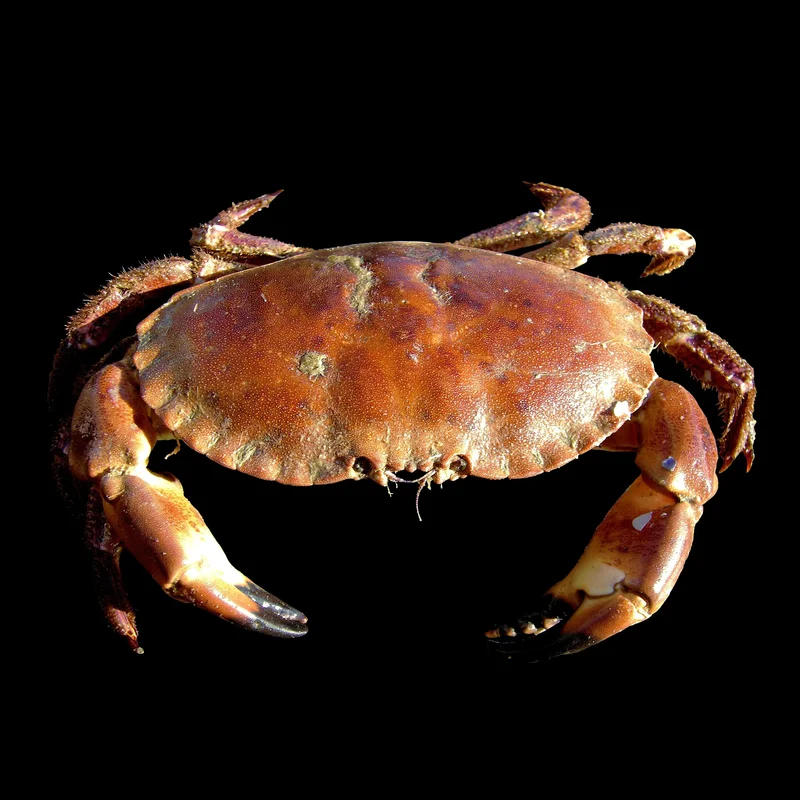
Bottom-dwellers, such as crabs and small fish, are often seen along sandy or rocky substrates. Near any submerged structures, including potential wrecks or natural reefs, a greater diversity of schooling fish or invertebrate life could be present.
Exact species encountered will depend heavily on the specific location's ecological characteristics, prevailing water conditions, and time of year. Without specific data, divers are encouraged to observe the general ecosystem rather than expect particular marquee species.
Dive Centers Near DEP-1
No Dive Centers Local To DEP-1
Are you a dive center visiting this location? Get listed to reach divers.
Nearest Airports
Nearest airports to help plan travel to this dive area.
Search Flights
Check available flights and routes on Expedia, using the nearby airports listed in this section.
Search Flights on ExpediaFrequently Asked Questions
What is the typical depth range for recreational diving at DEP-1?
DEP-1 offers a varied depth profile. Recreational dives can explore shallower sections, while more advanced divers may reach depths up to 30 m (100 ft). Always plan your dive within your certification limits.
Are there any specific currents to be aware of?
Currents can vary depending on the specific dive site within DEP-1 and tidal influences. Divers should always be mindful of potential currents, especially around structures or during strong tides, and plan their dive accordingly. Good buoyancy control is essential.
What kind of underwater visibility can I expect?
Visibility at DEP-1 can fluctuate with weather and marine conditions. Generally, calmer periods from late spring to early autumn tend to offer better clarity. However, local factors like runoff or sediment disturbance can affect it.
What is the average water temperature?
Specific water temperatures for DEP-1 are not consistently reported. As a general guide for coastal US waters, temperatures can vary significantly by season, from cooler temperate during winter to warmer in summer. Divers should plan their exposure protection based on the anticipated seasonal range.
Is DEP-1 suitable for beginner divers?
Portions of DEP-1 with shallower depths and minimal current may be suitable for beginner divers. However, some areas could present more challenging conditions or greater depths. Always consult with local dive operators about specific site suitability for your experience level.
What types of marine life might I see?
While specific marine life highlights for DEP-1 are not consistently reported, coastal US waters typically host various temperate species. You might observe bottom-dwelling crabs, diverse fish, and invertebrates, especially around any natural or artificial structures present.
Are there wreck diving opportunities at DEP-1?
Depending on the specific location within DEP-1, especially if it aligns with coastal areas like those off Long Island, wreck diving opportunities may exist. Local dive shops often mention "Wreck Dives," suggesting such sites are available in the broader region. Divers interested in wrecks should seek specific site information and proper training.
Planning to dive DEP-1?
Send one inquiry and receive offers directly from the best verified local dive operators.
Conditions are Good
Optimal conditions expected
Current conditions near DEP-1 show 27° air, 31° sea temperature, 0.2 m waves, and 18 km/h wind. Forecast data is refreshed regularly to ensure accuracy.