
Diving at Dr. Bart Carey Reef (United States)
Navigating Dr. Bart Carey Reef, an artificial structure intentionally placed to foster marine ecosystems, demands careful attention. While generally a manageable recreational dive, strong currents can occasionally sweep through the Carrabelle 10 Mile Reef System, making precise buoyancy control critical. Divers must be mindful of the numerous reef modules and their irregular shapes, avoiding entanglement or accidental contact. This site, sitting at a max depth of 15 m (50 ft), offers substantial habitat but requires good awareness around its structures.
As evening covers Dr. Bart Carey Reef, the local air temperature is measured at 26.5°C. The current wave height at the surface is recorded at 0.7 m. These late-day readings characterize the surface conditions for the night.
Dive Site Location & Key Facts
Dive Site Overview
Representing a concerted effort to enhance the Big Bend marine environment, Dr. Bart Carey Reef was deployed as part of the Carrabelle 10 Mile Reef System. Its creation involved strategic planning and significant funding from the Sportfish Restoration Act, initiated through a partnership between the Organization for Artificial Reefs (OAR), Coastal Conservation Association (CCA), and FWC.
Around July 25th, over 336 tons of material formed a series of patch reefs. Forty-six prefabricated reef modules comprise the site, including five 15-foot tall "Super Reefs"—one featuring a memorial plaque honoring Dr. Carey—and forty-one 8-foot tall "Florida Special" modules. Walter Marine designed these structures to mimic natural habitats, aiming to attract a diverse array of marine life from algae to bottom-dwelling fish like grouper and snapper.
Serving as a productive marine habitat, the reef also supports angler education, outdoor ethics, and conservation, increasing public understanding of aquatic resources. Lying within easy striking distance of local marinas and boat ramps, it enhances the local coastal economy.
This artificial reef system contributes significantly to the region's aquatic biodiversity and offers a compelling dive experience for those exploring its meticulously placed structures.
Conditions are Good
07:00 - 14:00
Optimal conditions expected
Current conditions near Dr. Bart Carey Reef show 27° air, 30° sea temperature, 0.9 m waves, and 25 km/h wind. Forecast data is refreshed regularly to ensure accuracy.
Best Time to Dive
Optimal diving conditions at Dr. Bart Carey Reef typically align with the warmer months, especially from May through August. During this period, air temperatures are at their highest, ranging from 24.5-29°C (76-84°F), providing comfortable surface intervals. Wave heights tend to be lower, generally around 0.6-0.7 meters, and wind speeds are also less intense, typically between 22-27 km/h (14-17 mph), which can contribute to calmer seas and better boat access. While August sees the highest average rainfall at 5.61 mm, other summer months experience moderate precipitation. Dive scores during these months consistently rate "Good," indicating favorable overall conditions. Conversely, winter months, from December to March, present cooler air temperatures of 13-17.5°C (55-64°F) and higher average wave heights (0.8-0.9 meters) and wind speeds (28-32 km/h or 17-20 mph). Though dive scores remain "Good" year-round, the warmer periods offer a more comfortable experience both in and out of the water.
PEAK SEASON SCORE
Scores combine air & water temps, waves, wind & rainfall for overall conditions.
BEST MONTHS TO DIVE
Monthly records compiled from satellite and marine observation nodes over the last 3 years. Data provided by Open-Meteo and MET Norway.
Dive Experience & Conditions
Upon entering the water and commencing the descent to Dr. Bart Carey Reef, divers will quickly reach its maximum depth of 15 m (50 ft). This makes it an accessible site for recreational divers, typically allowing for extended bottom times. The artificial reef is composed of multiple prefabricated modules, including 15-foot and 8-foot tall structures that create varied profiles to explore. Good visibility often allows the full scope of these modules to come into view as you approach the bottom, though conditions can vary based on local currents and recent weather. Cruising around the numerous reef modules, divers will notice how these structures mimic natural habitat, providing ample hiding spots and surfaces for marine growth. While specific current reports aren't consistently available, tidal influences can affect the site, potentially leading to stronger drifts that demand proficient finning techniques. Staying aware of your surroundings and practicing good buoyancy control are essential for safely navigating this intentional underwater landscape.
Dive Difficulty & Safety Guidelines
Diving Dr. Bart Carey Reef is generally suitable for certified open water divers, given its manageable maximum depth of 15 m (50 ft).
However, good buoyancy control is paramount when exploring artificial reef structures. The presence of numerous modules, some with intricate shapes, means divers must exercise caution to avoid accidental contact or potential entanglement.
While no specific hazards are consistently reported for this site, conditions, including currents and visibility, can fluctuate. Divers should always assess current conditions before and during the dive, adjusting their plan as needed.
Staying hydrated, planning your gas consumption, and adhering to no-decompression limits are standard practices here. Diving with a buddy is strongly recommended, and maintaining appropriate distances from the reef structures helps preserve both the diver's safety and the developing ecosystem.
Recommended Equipment
- Dive Computer
This gear list is based on verified equipment signals for Dr. Bart Carey Reef, United States. Always confirm final gear choices with your dive operator, guide, or liveaboard.
Recommended Dive Suit
Subtle variations in currents or depth can sometimes influence perceived water temperature.
Dive skin or rash guard tends to perform well in water temperatures like those currently observed here. A hood or vest is suggested for sensitive divers due to surface winds. Short-term weather patterns suggest stable conditions for divers visiting the area.
Divers heading to Dr. Bart Carey Reef today should expect water temperatures around 30°C (86°F). Surface air temperatures are resting at 27°C (80°F).
Emergency & Medical Support
Essential information to help you plan your dive trip to Dr. Bart Carey Reef.

Hyperbaric chambers are a critical part of dive safety infrastructure. Availability varies significantly by region, and not all dive areas have immediate access.
Before diving, it's recommended to:
- confirm nearest medical facilities
- check emergency procedures with local dive operators
- ensure dive insurance covers evacuation if required
Divers Alert Network
Diving emergency assistance available through DAN World.
+1-919-684-9111- 24/7 emergency hotline
- Diving medical assistance
- Evacuation coordination
Emergency contacts are provided for reference. Always verify local emergency services before diving.
Marine Life at Dr. Bart Carey Reef
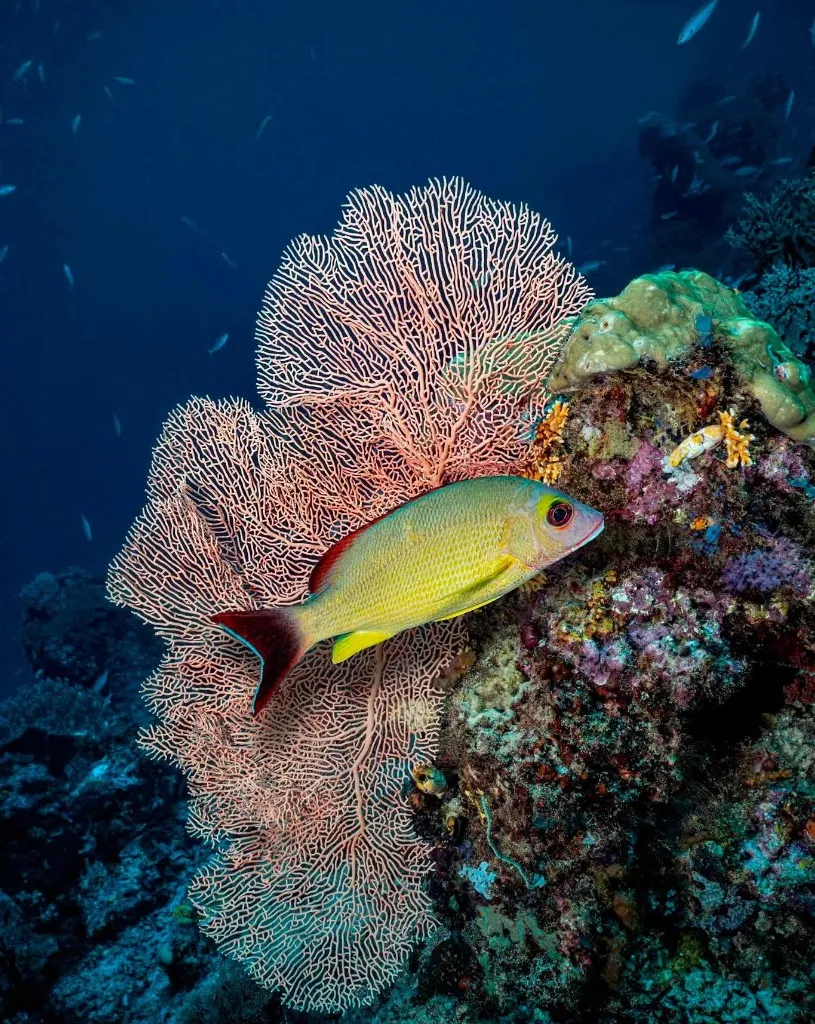
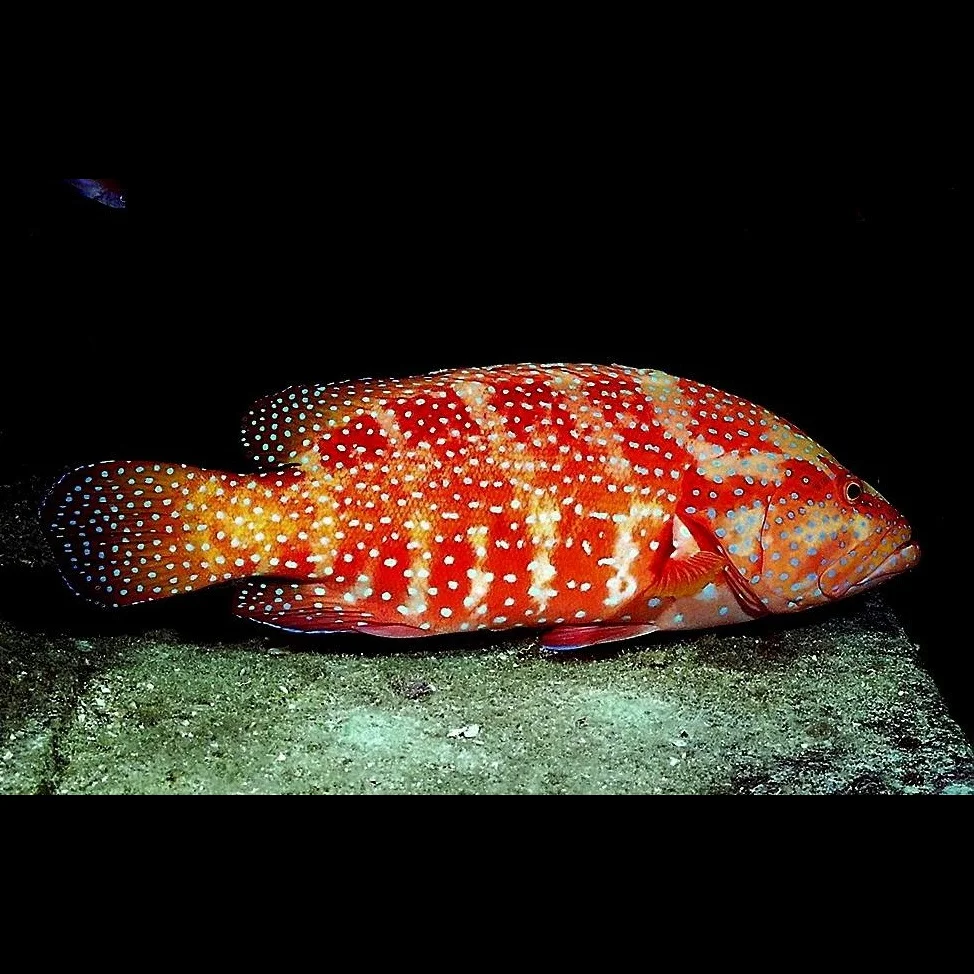
The varied underwater landscape of Dr. Bart Carey Reef, with its diverse array of "Super Reef" and "Florida Special" modules, provides an intentional habitat for a wide variety of sea organisms. This artificial environment is specifically designed to attract and support bottom-dwelling fish, such as grouper and snapper, which seek shelter and foraging opportunities within its crevices.
Divers can expect to observe marine algae colonizing the surfaces, forming the base of a developing food web. While specific reports for Dr. Bart Carey are limited, the goal is to foster a thriving ecosystem.
Keep an eye out for smaller reef fish darting between the structures, and perhaps larger pelagics making occasional passes, drawn by the aggregation of life the reef supports.
Dive Centers Near Dr. Bart Carey Reef
Today: 09:00 - 16:00
Nearest Airports
Nearest airports to help plan travel to this dive area.
Search Flights
Check available flights and routes on Expedia, using the nearby airports listed in this section.
Search Flights on ExpediaFrequently Asked Questions
What is Dr. Bart Carey Reef?
It's an artificial reef system within the Carrabelle 10 Mile Reef System, south of Franklin County, Florida. It was created through a collaborative effort to enhance marine habitat and support aquatic resource education.
How deep is the Dr. Bart Carey Reef?
The reef sits in a maximum depth of 15 m (50 ft). It's an accessible dive for most certified recreational divers.
What kind of structures make up the reef?
The reef consists of 46 prefabricated modules, including five 15-foot tall "Super Reefs" and forty-one 8-foot tall "Florida Special" modules. These structures are designed to mimic natural habitats.
What marine life can divers expect to see?
The reef is intended to attract a diverse array of marine organisms, from algae to bottom-dwelling fish such as grouper and snapper. These species utilize the structures for shelter and foraging.
When is the best time to dive this site?
The months from May through August typically offer the most favorable conditions, with warmer air temperatures, lower wave heights, and reduced wind speeds. Dive scores are consistently rated "Good" throughout the year, but summer provides peak comfort.
Are there strong currents at Dr. Bart Carey Reef?
Current conditions can vary depending on local tides and weather patterns. While not consistently reported, divers should be prepared for potential drifts and exercise good buoyancy control, especially around the reef structures.
Who developed the Dr. Bart Carey Reef?
The reef was a joint project by the Organization for Artificial Reefs (OAR), the Coastal Conservation Association (CCA), and the FWC (Florida Fish and Wildlife Conservation Commission). Walter Marine designed and constructed the reef modules.
Is Dr. Bart Carey Reef suitable for new divers?
Yes, its recreational depth range makes it generally suitable for certified open water divers. However, good buoyancy control is advised due to the artificial structures.
Planning to dive Dr. Bart Carey Reef?
Send one inquiry and receive offers directly from the best verified local dive operators.
Conditions are Good
07:00 - 14:00
Optimal conditions expected
Current conditions near Dr. Bart Carey Reef show 27° air, 30° sea temperature, 0.9 m waves, and 25 km/h wind. Forecast data is refreshed regularly to ensure accuracy.