
Diving at Dunedin - J Site (United States)
For divers seeking a structured underwater environment, Dunedin's J Site provides an engaging experience centered around its artificial reef. This site is particularly appealing for those who appreciate exploring created habitats, offering numerous nooks and crannies to investigate. It's a relaxed dive within recreational limits, perfect for observing smaller marine life taking refuge among the man-made structures.
Evening condition tracking at Dunedin - J Site features an air temperature of 25°C. We have recorded wave heights measuring 0.4 m during this period. These figures outline the environmental parameters currently present.
Dive Site Location & Key Facts
Dive Site Overview
The J Site near Dunedin presents a distinctive artificial reef, purpose-built with various concrete structures to attract and sustain marine life. Its northern part features a collection of robust concrete culverts and sturdy pilings, which create numerous intricate, sheltered spaces for smaller organisms.
As divers journey towards the southern section, they encounter a series of concrete pyramids, each specifically designed with internal holes and crevices that serve as ideal hideaways for larger fish and crustaceans. These deliberately placed formations rest in approximately 30 feet (9 m) of water, making it an exceptionally accessible dive for a wide range of certification levels. The site's design explicitly aims to foster a localized ecosystem, offering a unique habitat where a diverse array of aquatic species can establish and thrive.
Exploring these man-made structures allows for close observation of how a new reef environment evolves, providing engaging visual interest throughout the dive.
Conditions are Good
Optimal conditions expected
Current conditions near Dunedin - J Site show 25° air, 30° sea temperature, 0.3 m waves, and 29 km/h wind. Forecast data is refreshed regularly to ensure accuracy.
Best Time to Dive
Optimal visibility often coincides with periods of calmer weather, making July a strong candidate for an excellent dive with minimal wave heights, averaging 0.4 m (1.3 ft), and lower wind speeds of 14.7 km/h (9.1 mph). Generally good conditions, indicated by 'Good' dive scores, extend through much of the year, particularly from April to September when average wave heights typically remain below 0.7 m (2.3 ft) and wind speeds are generally lower. Air temperatures during these months are comfortably warm, ranging from 23-28°C (73-82°F), enhancing the overall experience. Water temperatures are not consistently reported for this specific location, though they tend to align with regional air temperature trends, making the warmer months generally more comfortable. Rainfall is minimal in November, averaging 0.71 mm, offering another potential window for calm conditions.
PEAK SEASON SCORE
Scores combine air & water temps, waves, wind & rainfall for overall conditions.
BEST MONTHS TO DIVE
Monthly records compiled from satellite and marine observation nodes over the last 3 years. Data provided by Open-Meteo and MET Norway.
Dive Experience & Conditions
Navigating the J Site involves exploring the array of artificial structures. Divers typically find currents mild around these formations, though conditions can vary depending on tides and prevailing weather patterns. Descending to the maximum depth of around 30 feet (9 m), the dive offers ample time for exploration without significant depth-related challenges. Visibility is influenced by local weather and surge, but in favorable conditions, the clear waters allow for detailed observation of the reef's inhabitants. The distinct northern and southern sections, with their culverts and pyramids, offer varied terrain to explore during a single dive.
Dive Difficulty & Safety Guidelines
While J Site doesn't present inherent natural hazards, practicing careful buoyancy control is essential when exploring the concrete culverts and pyramids. Maintaining a safe distance from structures prevents accidental contact, protecting both the diver and the burgeoning artificial reef ecosystem. Given the enclosed nature of some structures, a dive light is highly recommended for thorough exploration and to reveal creatures hidden within.
Always dive within your certification limits and plan your dive to account for the shallow depths and the site's artificial reef layout.
Recommended Equipment
- Dive Computer
This gear list is based on verified equipment signals for Dunedin - J Site, United States. Always confirm final gear choices with your dive operator, guide, or liveaboard.
Recommended Dive Suit
Thermal protection such as dive skin or rash guard is commonly used for water temperatures in this range. Consider warmer surface protection (like a boat coat) due to brisk winds.
Divers planning a dive at Dunedin - J Site today will likely encounter water temperatures close to 30°C (86°F). Surface air temperatures are resting at 25°C (77°F).
Current forecasts indicate relatively stable conditions for the coming days.
Emergency & Medical Support
Essential information to help you plan your dive trip to Dunedin - J Site.

Hyperbaric chambers are a critical part of dive safety infrastructure. Availability varies significantly by region, and not all dive areas have immediate access.
Before diving, it's recommended to:
- confirm nearest medical facilities
- check emergency procedures with local dive operators
- ensure dive insurance covers evacuation if required
Divers Alert Network
Diving emergency assistance available through DAN World.
+1-919-684-9111- 24/7 emergency hotline
- Diving medical assistance
- Evacuation coordination
Emergency contacts are provided for reference. Always verify local emergency services before diving.
Marine Life at Dunedin - J Site
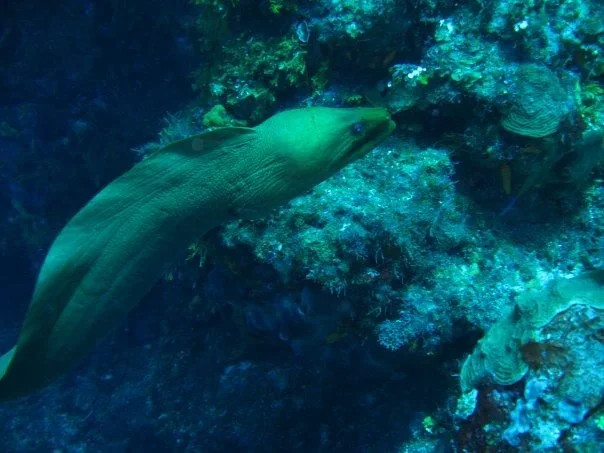
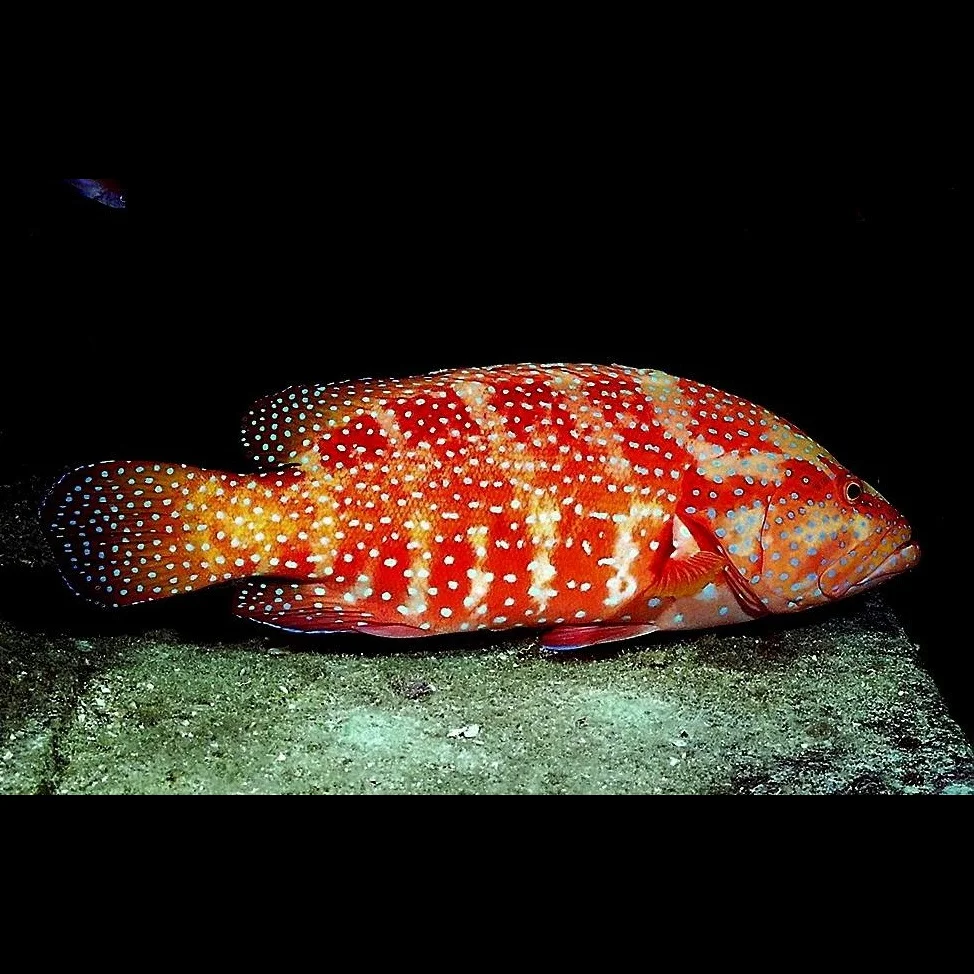
Approaching the structures, divers typically encounter a multitude of smaller fish, which utilize the culverts and pilings for shelter. Within the deeper crevices and larger openings of the concrete pyramids, patience may reveal larger inhabitants like grouper or the occasional moray eel, which find ideal hiding habitats here. Observing the diverse array of organisms that colonize these artificial structures offers insight into how new ecosystems establish and thrive.
Dive Centers Near Dunedin - J Site
Today: 11:00 - 19:00
Nearest Airports
Nearest airports to help plan travel to this dive area.
Search Flights
Check available flights and routes on Expedia, using the nearby airports listed in this section.
Search Flights on Expedia
Plan Your Stay
Looking for a place to stay for your dive trip? Explore hotels, stays, and vacation rentals for dive groups near Dunedin.
Dive Navigator may earn a commission from these links at no extra cost to you.
Frequently Asked Questions
What kind of structures are at Dunedin - J Site?
Dunedin's J Site features an artificial reef made up of concrete culverts and pilings in its northern part, while the southern section consists of concrete pyramids that include various holes and openings.
How deep is the J Site dive?
The dive site is relatively shallow, with a maximum depth generally around 30 feet (9 meters), making it suitable for divers of various experience levels.
What marine life can I expect to see?
Divers commonly observe many smaller fish utilizing the structures for shelter. Grouper and moray eels are also frequently spotted hiding within the larger openings and crevices of the artificial reef.
Is a dive light necessary for J Site?
Yes, a dive light is highly recommended. It helps illuminate the interior of the concrete culverts and the holes in the pyramids, allowing for better visibility of hidden marine life and structural details.
What are the typical water conditions?
Currents at J Site are generally mild, though they can fluctuate with tides. Visibility is typically good during calm weather, but water temperatures are not consistently reported and will vary seasonally.
Which months offer the best diving conditions?
July typically offers excellent conditions with low waves and wind, along with comfortable air temperatures. Many other months, particularly from April to September, also provide good diving opportunities with favorable weather patterns.
Planning to dive Dunedin - J Site?
Send one inquiry and receive offers directly from the best verified local dive operators.
Conditions are Good
Optimal conditions expected
Current conditions near Dunedin - J Site show 25° air, 30° sea temperature, 0.3 m waves, and 29 km/h wind. Forecast data is refreshed regularly to ensure accuracy.