Marine Life

What Divers Should Know About Moray Eel

Learn all about the Moray Eel, including dynamic specs, encounter highlights, habitats, and the best dive sites to find them.
Moray Eel
Scientific Name

/

Size

/

Depth

/

Habitat

/

Conservation

Not Evaluated

Danger Level

/

About the Moray Eel

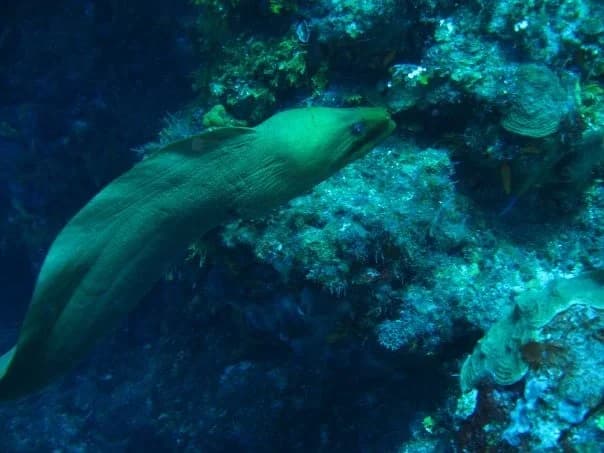
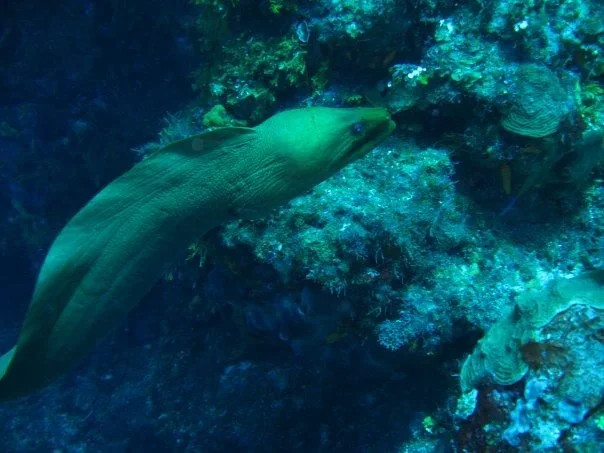
Moray eels, a family encompassing approximately 200 species, are found worldwide across marine, brackish, and even some freshwater environments. The vast majority thrive in saltwater, predominantly in tropical or subtropical oceans, though a few species inhabit temperate seas. Recreational divers will most often encounter morays in these warm saltwater settings, where they inhabit shallow nearshore areas, continental slopes, and shelves. Look for them tucked away in shelters like dead patch reefs and coral rubble rocks, as they less frequently occupy live coral formations.

These fascinating eels primarily rely on a highly developed sense of smell to locate prey, typically remaining concealed within their chosen shelter, ready to ambush. Their bodies are generally patterned, often extending to the interior of their wide jaws. Most species possess large, sharp teeth suited for grasping slippery prey or tearing flesh, although some, like the snowflake or zebra moray, have blunt, molar-like teeth for crushing crustaceans. When observing a moray, you'll notice a constant gaping motion; this is a natural necessity for respiration, not a sign of aggression, as their small gills are positioned far behind the mouth. Morays also secrete a unique, thick mucus over their scaleless skin, which in some species is toxic and can even help sand-dwelling morays reinforce their burrows.

Where You Can See Moray Eel

Detailed regional distribution data for Moray Eel is not available yet. This species may still appear on related dive site pages when local sightings or habitat information are available.

Dive Sites with Moray Eel

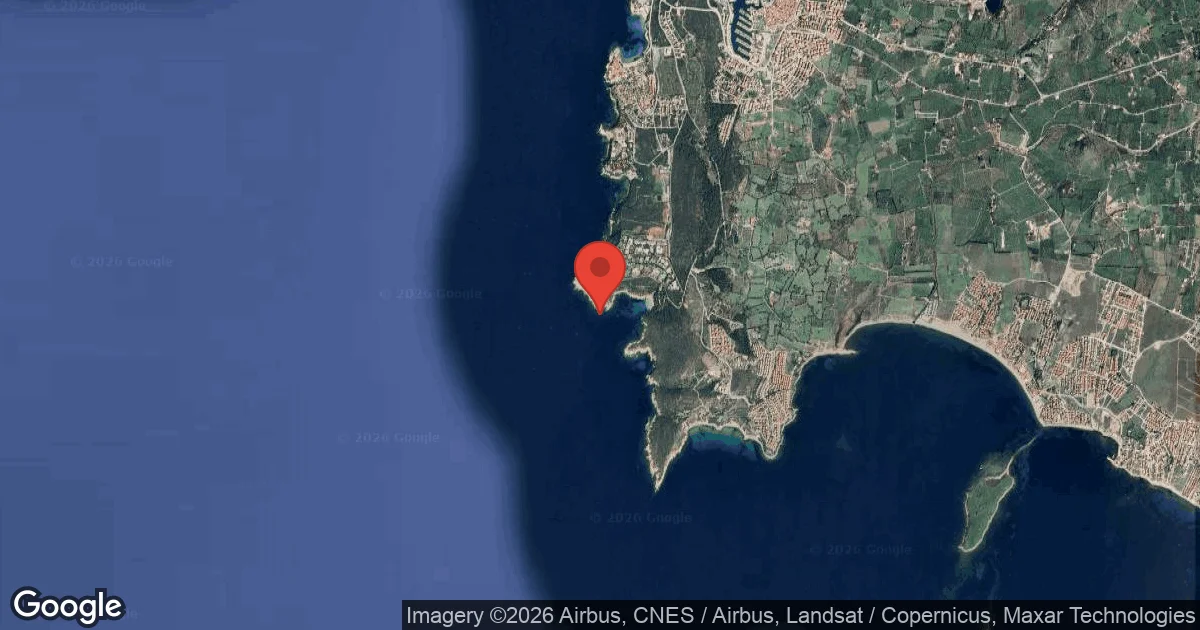
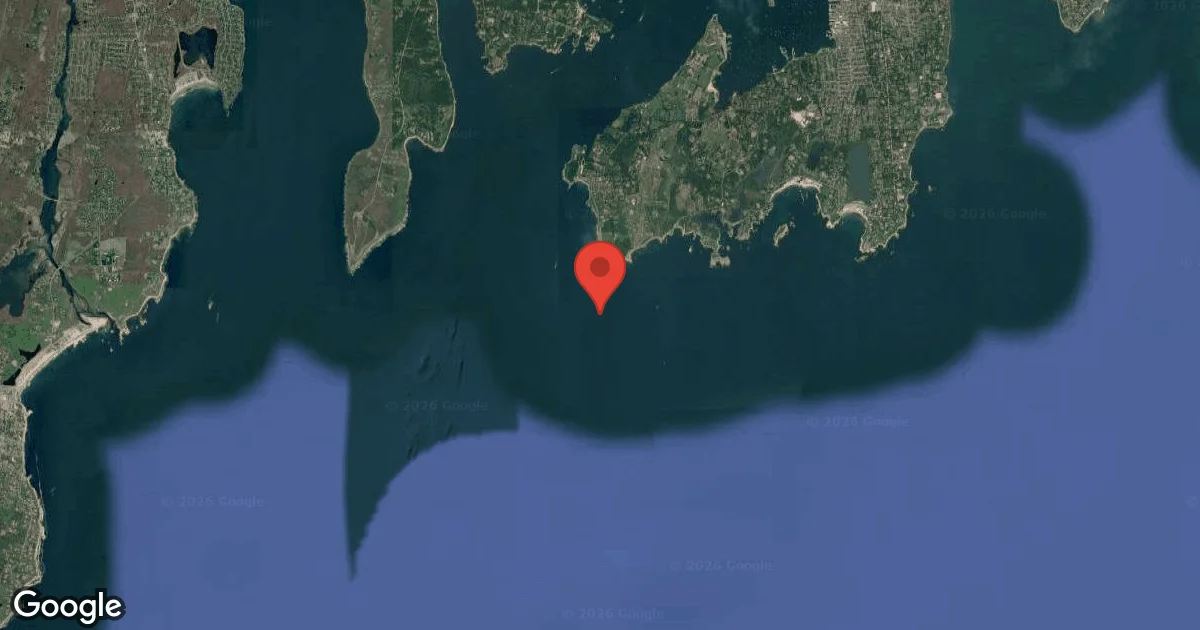
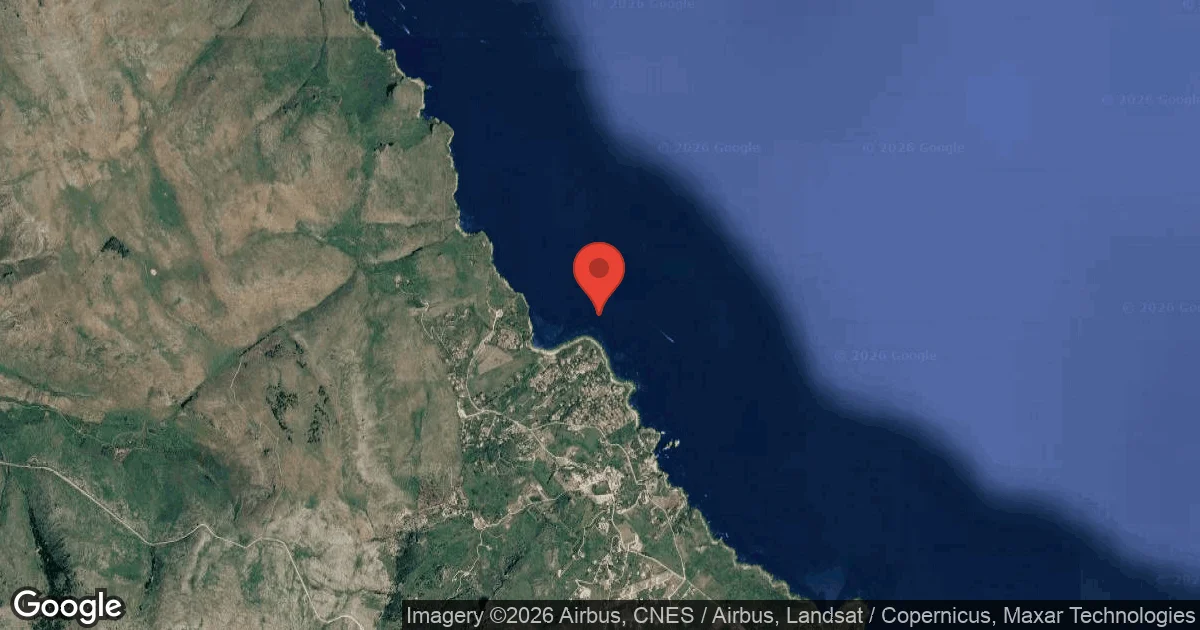
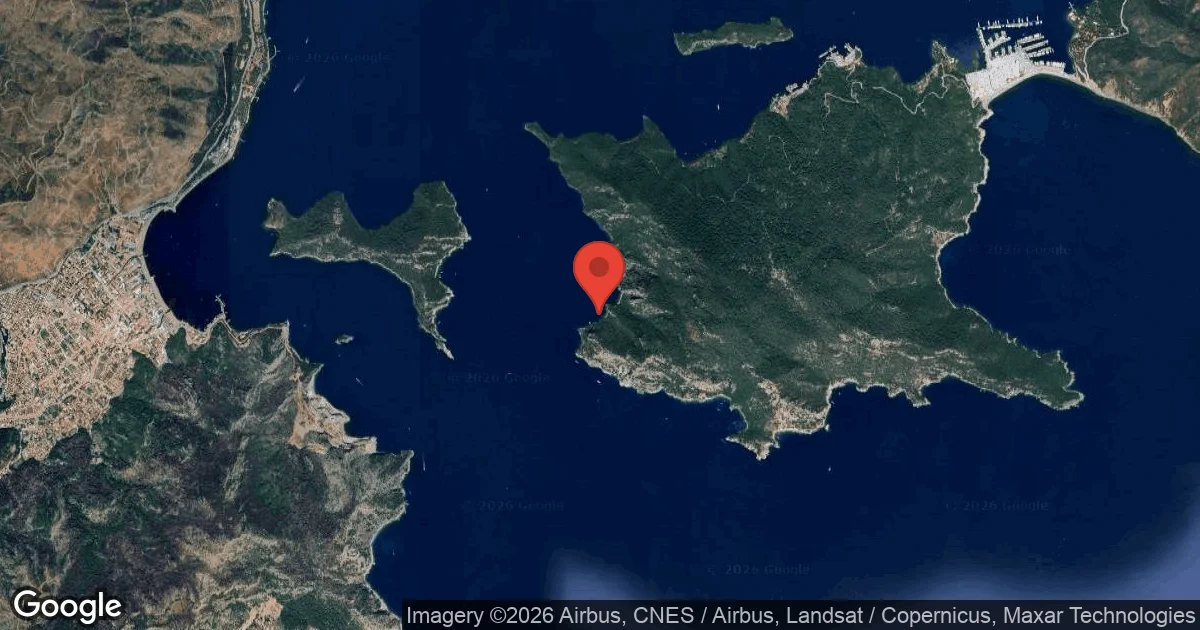
Discover 12 of 1101 breathtaking locations where you can encounter this species.
Related Marine Life

Explore other incredible species you can encounter on your diving adventures.