
Diving at ESERS005 (United States)
The USS Oriskany, an Essex-class aircraft carrier affectionately known as the "Mighty O," concluded its military service in the Korean and Vietnam Wars. Instead of the scrapyard, this formidable vessel embarked on a new mission. In 2006, the Oriskany was purposefully sunk 22 miles off the coast of Pensacola, Florida, transforming into the world's largest artificial reef and a legacy for divers.
Tonight's objective overview for ESERS005 shows an air temperature of 27.5°C. The measured surface conditions include wave heights around 0.8 m. This environmental data is logged for the close of the day.
Dive Site Location & Key Facts
Dive Site Overview
An unparalleled dive experience awaits on this iconic wreck, recognized globally as the world's largest artificial reef. Resting in the Gulf of Mexico, the Oriskany, a 277-metre (911-foot) long Essex-class aircraft carrier, now draws a diverse community of marine life, underwater photographers, recreational, and technical divers.
Divers first encounter the ship's massive tower at around 25 metres (80 feet), making its upper sections, including the officers' quarters and bridge, highly accessible for recreational exploration. While the main wreck reaches a maximum depth of 67 metres (220 feet), many intriguing areas below the flight deck, from the hangar bay to the deepest compartments, are reserved for those with advanced or technical diving certifications.
Exploring the USS Oriskany feels like a journey into an expansive underwater city. Divers often report that even multiple visits barely scratch the surface of its vast structure, given its size and complexity.
Countless discovery opportunities exist across its myriad decks and cavernous sections, ensuring no two dives feel exactly alike.
Conditions are Excellent
07:00 - 14:00
Optimal conditions expected
Current conditions near ESERS005 show 28° air, 30° sea temperature, 0.5 m waves, and 22 km/h wind. Forecast data is refreshed regularly to ensure accuracy.
Best Time to Dive
Planning a dive to the USS Oriskany is often most comfortable and offers the best conditions during the warmer months, specifically from May through October, which consistently show "Good" dive scores. Air temperatures during these prime months range from a pleasant 24.5°C (76°F) in May, peaking around 29°C (84°F) in August, then gently cooling to 23.5°C (74°F) by October. Rainfall remains relatively low throughout this period, typically ranging from 3.5 to 4.7 mm per month, minimizing surface disturbance. Lower wave heights, particularly in July and August with averages around 0.6 metres, often coincide with lighter winds, creating calmer seas for boat travel and entry. February also presents "Good" scores, with average air temperatures of 15.5°C (60°F) and lower rain, but overall conditions tend to be more moderate outside the summer and early autumn window.
PEAK SEASON SCORE
Scores combine air & water temps, waves, wind & rainfall for overall conditions.
BEST MONTHS TO DIVE
Monthly records compiled from satellite and marine observation nodes over the last 3 years. Data provided by Open-Meteo and MET Norway.
Dive Experience & Conditions
Exclusively a boat entry experience, diving the USS Oriskany requires careful planning due to its offshore location. Its enormous scale demands multiple dives to fully appreciate the structure and inhabitant marine life. While top sections, including the tower, are within recreational depth limits starting around 25 metres (80 feet), the full wreck descends to 67 metres (220 feet). Water temperatures are not consistently reported but generally vary with seasonal air temperatures, typically warming in summer months, often reaching 22-27°C (72-81°F). Visibility around the wreck can vary depending on currents and plankton blooms, though it's frequently excellent, sometimes exceeding 30 m (100 ft). Currents are typically mild but can intensify, particularly near deeper sections, influencing dive planning and entry points. Divers explore a meticulously prepared artificial reef, a compelling contrast to natural coral formations.
Dive Difficulty & Safety Guidelines
Diving the USS Oriskany requires careful adherence to safety protocols, especially given its depth and the complexity of a wreck environment. Recreational divers can explore the upper sections like the tower, officer's quarters, and bridge at around 25 metres (80 feet).
However, accessing areas below the flight deck and reaching the full depth of 67 metres (220 feet) mandates advanced or technical diving certifications. Courses like PADI Advanced Open Water Diver, Deep Diver, and Wreck Diver are highly recommended for enhanced safety and enjoyment, as they prepare divers for navigation, penetration, and managing deeper exposures.
Divers should always be mindful of potential entanglement hazards and the overhead environment inherent in wreck diving. Planning is essential; always dive within your certification limits and with a qualified guide.
Recommended Equipment
- Dive Computer
This gear list is based on verified equipment signals for ESERS005, United States. Always confirm final gear choices with your dive operator, guide, or liveaboard.
Recommended Dive Suit
With water temperatures around 30°C (86°F), many divers find a dive skin or rash guard provides comfortable protection.
Local conditions can vary slightly across different parts of the same dive site.
Weather projections show fairly stable environmental conditions ahead.
Emergency & Medical Support
Essential information to help you plan your dive trip to ESERS005.

Hyperbaric chambers are a critical part of dive safety infrastructure. Availability varies significantly by region, and not all dive areas have immediate access.
Before diving, it's recommended to:
- confirm nearest medical facilities
- check emergency procedures with local dive operators
- ensure dive insurance covers evacuation if required
Divers Alert Network
Diving emergency assistance available through DAN World.
+1-919-684-9111- 24/7 emergency hotline
- Diving medical assistance
- Evacuation coordination
Emergency contacts are provided for reference. Always verify local emergency services before diving.
Marine Life at ESERS005
As the world's largest artificial reef, the USS Oriskany teems with a remarkable variety of marine organisms. Divers frequently encounter pelagic fish, including large schools that congregate around the structure.
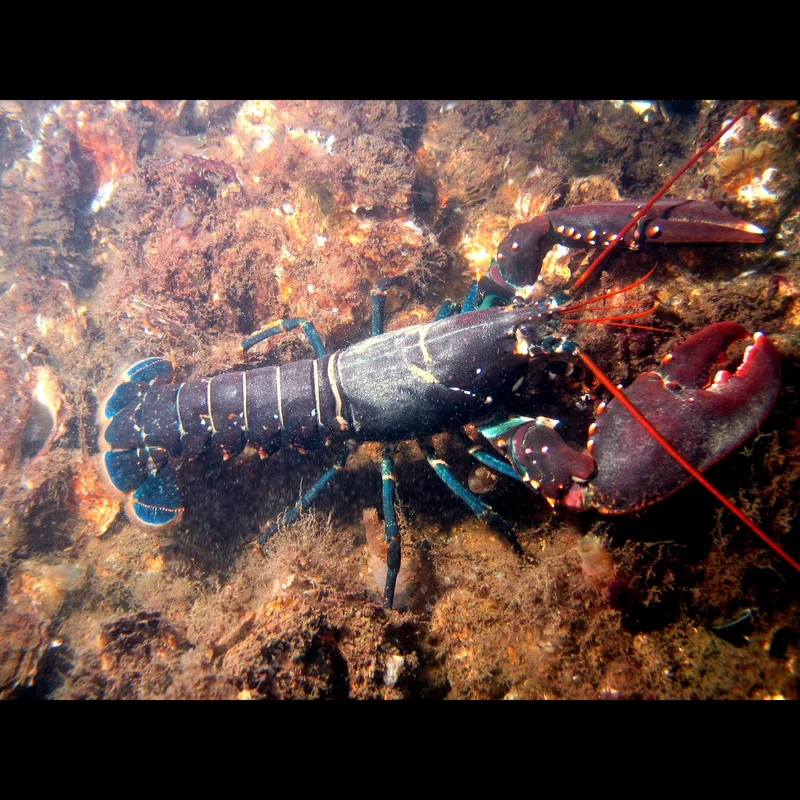
Common sightings also include reef fish, various species of sharks, and eels that have made the wreck their home. For those with keen eyes, octopus and lobster can often be spotted tucked into crevices.
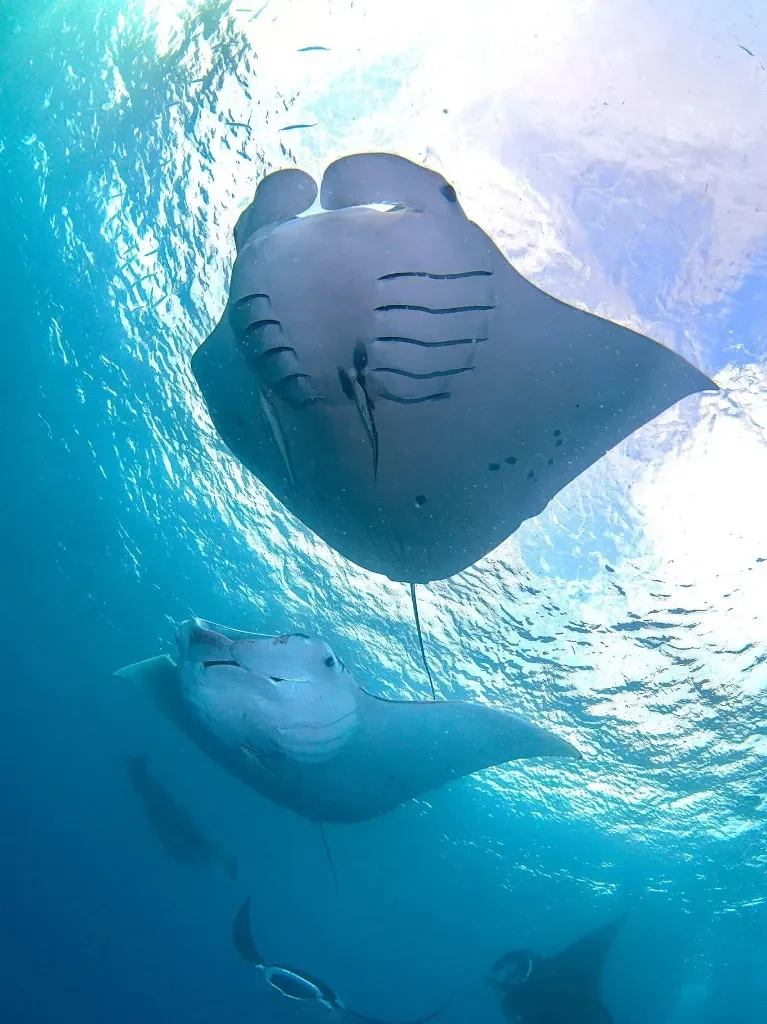
Occasionally, divers might encounter larger visitors such as whale sharks or manta rays, particularly during specific migratory periods. Its vibrant ecosystem showcases the success of artificial reef programs in fostering biodiversity and providing crucial habitat.

Dive Centers Near ESERS005
Today: 10:00 - 18:00
Nearest Airports
Nearest airports to help plan travel to this dive area.
Search Flights
Check available flights and routes on Expedia, using the nearby airports listed in this section.
Search Flights on Expedia
Plan Your Stay
Looking for a place to stay for your dive trip? Explore hotels, stays, and vacation rentals for dive groups near Gulf Breeze.
Dive Navigator may earn a commission from these links at no extra cost to you.
Frequently Asked Questions
What is the USS Oriskany?
The USS Oriskany, nicknamed the "Mighty O," is an Essex-class aircraft carrier that served in the Korean and Vietnam Wars. It was purposefully sunk in 2006 to become the world's largest artificial reef, located 22 miles off the coast of Pensacola, Florida.
What depths can I explore on the USS Oriskany?
Recreational divers can explore parts of the wreck, such as the tower, officers' quarters, and bridge, which begin around 25 metres (80 feet). The full wreck rests at 67 metres (220 feet), with deeper areas below the flight deck requiring advanced or technical diving certifications.
What certifications are recommended for diving the Oriskany?
While some areas are accessible to recreational divers, certifications such as PADI Advanced Open Water Diver, Deep Diver, Enriched Air Diver, and Wreck Diver are highly recommended. These help prepare divers for the site's depths and wreck exploration challenges.
What marine life is commonly seen at the Oriskany?
The Oriskany attracts a wide array of marine life. Divers frequently observe pelagic fish, various reef fish, sharks, eels, octopus, and lobster. Less common but possible sightings include whale sharks and manta rays.
Why was the USS Oriskany sunk?
The aircraft carrier was sunk as part of an artificial reef pilot program. This initiative aimed to create essential marine habitat, bolster fishing and diving tourism, and preserve the ship's legacy by giving it a second life as an underwater attraction.
What are the best months to dive the USS Oriskany?
The best time for diving is generally from May through October, which offers warmer air temperatures and calmer seas. February can also be good, but the summer and early autumn months typically provide the most comfortable conditions.
Planning to dive ESERS005?
Send one inquiry and receive offers directly from the best verified local dive operators.
Conditions are Excellent
07:00 - 14:00
Optimal conditions expected
Current conditions near ESERS005 show 28° air, 30° sea temperature, 0.5 m waves, and 22 km/h wind. Forecast data is refreshed regularly to ensure accuracy.