What Divers Should Know About Manta Ray
Learn all about the Manta Ray, including dynamic specs, encounter highlights, habitats, and the best dive sites to find them.
/
/
/
/
Not Evaluated
/
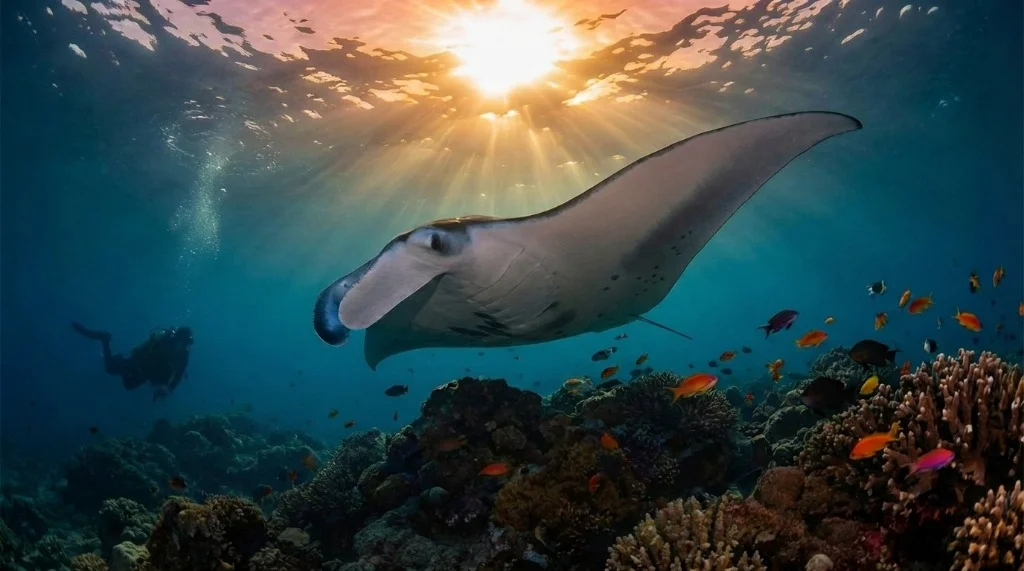
Imagine back-rolling into a midnight abyss, descending toward a high-wattage "campfire" that illuminates the deep blue. Suddenly, a massive, winged shadow sweeps inches above your head, a sentient being the size of a small car, performing a silent underwater ballet. This is the world of the manta ray, an encounter that fundamentally changes your perspective on the ocean.
As specialists, we can tell you these aren't just "gentle giants." They are among the most intelligent creatures in the sea, possessing the highest brain-to-body ratio of any cold-blooded fish and famously capable of passing the Mirror Self-Recognition (MSR) test. While we once viewed them as simple surface filter-feeders, a landmark 2016 study revealed a scientific "Scientific Reveal": up to 73% of a Giant Oceanic Manta's diet actually comes from mesopelagic sources, deep-sea fish found at depths of 200m to 1,000m (650 to 3,280 feet).
Identifying the Species: Know Your Ray
Before you hit the water, you need to know who you're swimming with. While they share the genus Mobula, the differences are distinct:
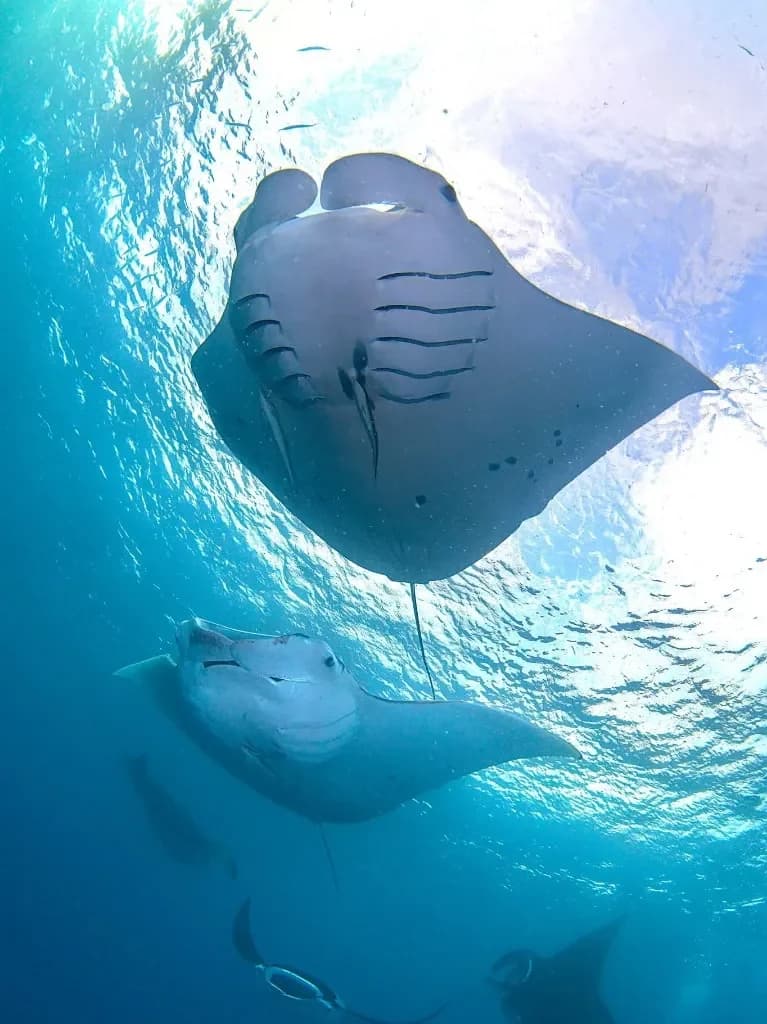
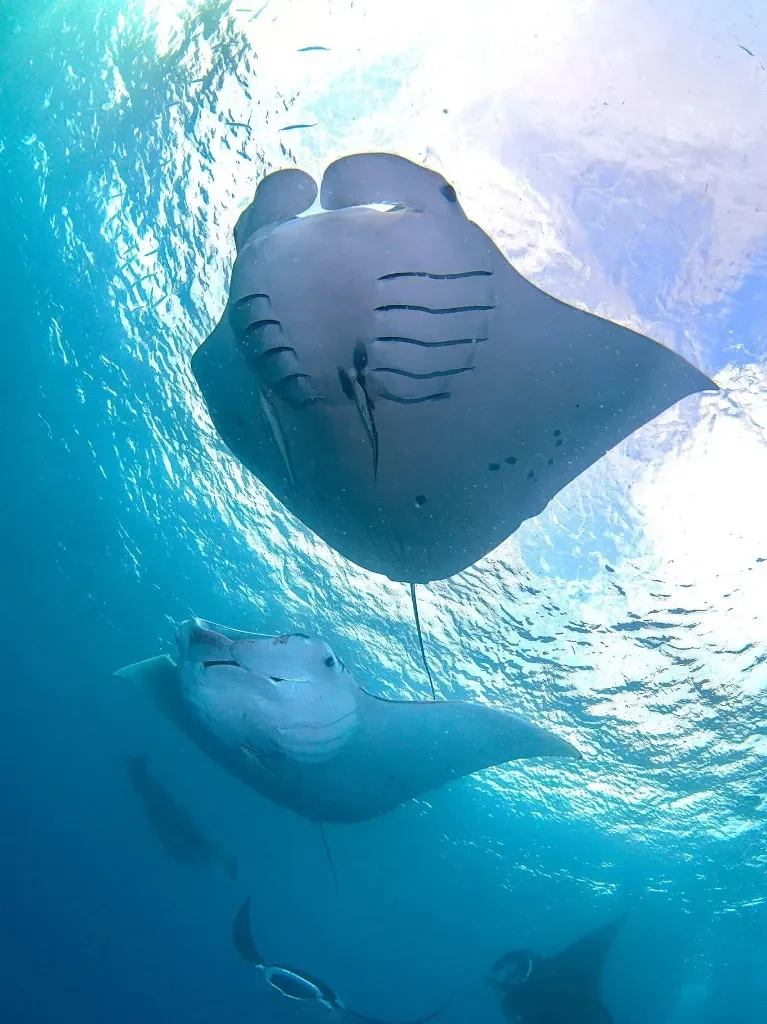
- ✦Giant Oceanic Manta (Mobula birostris): The pelagic king. Reaches wingspans of 7 meters (23 feet). Look for a T-shaped black pattern on the back, black coloring inside the cephalic fins, a forward-facing (terminal) mouth, and a unique knob-like bulge at the base of the tail.
- ✦Reef Manta (Mobula alfredi): The coastal resident. Averages 3–5.5 meters (10 to 18 feet). Identified by a Y-shaped dorsal pattern, pale/white coloring inside the cephalic fins, and a mouth that also faces forward. They lack the tail bulge of their oceanic cousins.
- ✦Devil Rays (Mobula species): Often mistaken for mantas, these are smaller (approx. 2m / 6.5 feet). Their mouths face downward rather than forward, and their tails possess a spine that mantas lack.
Where to See: Prime Destinations
Based on sighting reliability and sheer volume, these are the world's premier manta hotspots:
- Kona, Hawaii: The gold standard for reliability (85–90% success rate). Famous for its resident reef mantas at sites like Manta Village, Manta Heaven, and Garden Eel Cove.
- Maldives (Hanifaru Bay, Baa Atoll): The world's largest aggregations. You can witness 40 to 50+ individuals in a "feeding frenzy" within this UNESCO Biosphere Reserve.
- Indonesia (Raja Ampat & Komodo): The "Amazon of the Seas." One of the few places where you can reliably see both Reef and Oceanic species in high-energy current dives.
- Thailand & Myanmar: Prime territory for Oceanic mantas, specifically at Black Rock (Burma) and the Similan/Surin Islands (Thailand).
- Nusa Penida, Bali: Home to high-traffic cleaning stations where mantas congregate year-round.
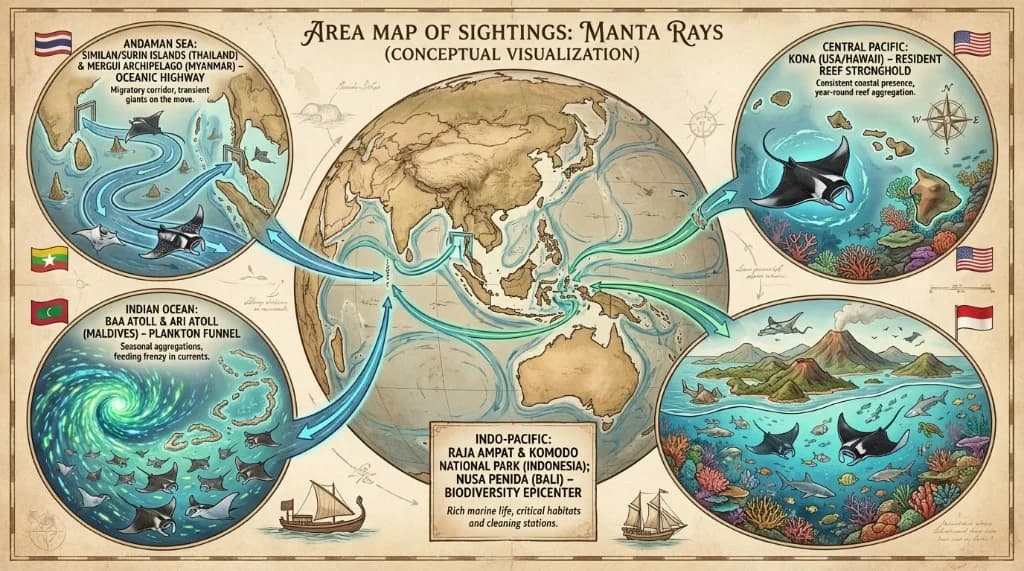
Map of Sightings
Click image to expand
- Central Pacific: Kona (USA/Hawaii) – The resident reef manta stronghold.
- Indian Ocean: Baa Atoll and Ari Atoll (Maldives) – The plankton funnel.
- Andaman Sea: Similan/Surin Islands (Thailand) and Mergui Archipelago (Myanmar) – The oceanic highway.
- Indo-Pacific: Raja Ampat and Komodo National Park (Indonesia); Nusa Penida (Bali) – The biodiversity epicenter.
Deep Dive: Top 3 Regions for Manta Encounters
Kona, Hawaii: The Night Buffet
Kona offers the most accessible manta interaction on Earth. Dive operators use high-powered lights to attract phytoplankton, which draws in the zooplankton, creating an "all-you-can-eat" buffet for the rays. At sites like Manta Heaven (north of Kona) and Manta Village (the original site to the south), divers settle into a "Campfire" circle on the sandy bottom at 7.5-14 meters (25 to 45 feet), while snorkelers view the action from the surface.
Hanifaru Bay, Maldives: The Plankton Kingdom
The unique funnel shape of Hanifaru Bay traps massive quantities of plankton during the Southwest Monsoon. This is a snorkeling-only zone; UNESCO and the Manta Trust established this rule because scuba bubbles can disrupt the complex social feeding patterns of the rays. This is the only place to witness "Cyclone Feeding," where dozens of rays spiral upward in a massive, living vortex.
Raja Ampat & Komodo, Indonesia: The Current Kings
For the experienced diver, this is the ultimate "Current Quest." In Raja Ampat, specialized techniques like "Negative Entries" are often required to reach the reef quickly in heavy water.
Pro tip: Look for "The Split" - the sweet spot on a submerged reef where the oncoming current breaks. By landing here, you can watch mantas hover effortlessly in the nutrient-rich flow.
Note: Reef hooks and gloves are strictly prohibited in Raja Ampat to protect the delicate ecosystem.
Best Time to See: A Seasonal Guide
| Region | Peak Season | Special Conditions |
|---|---|---|
| Kona, Hawaii | Year-round | Summer offers the highest counts (up to 36 individuals). |
| Maldives (Hanifaru) | May – Nov | July–October is the absolute peak for mass aggregations. |
| Indonesia (Komodo) | Apr – Nov | Dry season is best for the North; Jan–Mar for the South (Manta Alley). |
| Thailand/Myanmar | Nov – Apr | Top sites include Black Rock and Koh Tachai. |
Pro Note on Moon Cycles: While sightings happen throughout the month, a New Moon is often preferred for night dives in Kona; the lack of ambient moonlight creates a higher contrast with the "campfire" lights, making the plankton (and the mantas) even more visible.
Typical Depth & Conditions
- Depth: 0-3 meters (0 to 10 feet) for snorkelers; 7.5-14 meters (25 to 45 feet) for Kona night dives; and up to 30+ meters (100+ feet) for deep-water cleaning stations.
- Temperature: Usually tropical (above 20°C / 68°F).
- Visibility: 15 to 30 meters (49 to 98 feet). Be aware that the best manta action often happens in "soupy" water—high plankton counts mean lower visibility but sighting probability.
Manta Behavior: The Underwater Spa and Buffet
- Cleaning Stations: Underwater spas where small cleaner wrasse remove parasites. Mantas will hover for long periods if undisturbed.
- Feeding Styles: Watch for "Barrel Rolls" (flipping in place), "Chain Feeding" (swimming in a nose-to-tail line), and the rare "Cyclone Feeding."
- Breaching: Mantas occasionally leap entirely out of the water. Scientists theorize this is for parasite removal, communication, or gaming rituals.
Pro Diving Tips for Better Encounters
- Master the Passive Interaction: Chasing a manta will end the encounter in seconds. If you remain calm and still, their natural curiosity—fueled by that massive brain—will bring them to you.
- The "Two-Fingers" Rule: If you must stabilize yourself in current, use only two fingers on a piece of bare rock or sand. Never grab the reef.
- Bubbles Matter: Avoid swimming directly underneath a manta. Your bubbles can startle them and disrupt their cleaning or feeding behavior.
Safety & Interaction Guidelines (The Manta Trust Code)
To ensure these encounters are sustainable, follow the 10-Step Guide distilled from scientific research:
- Enter Quietly: Slide into the water; no jumping or splashing. Entry must be at least 10 meters (33 feet) from the ray.
- Keep Fins Down: Splashing on the surface can scare them away.
- Maintain 3-Meter Distance: Do not approach closer than 3 meters (10 feet). Let the manta control the interaction.
- Approach from the Side: Give them a clear path of escape.
- Do Not Chase: You cannot outswim a manta; chasing only causes stress.
- Do Not Touch: Touching strips away their protective mucus layer, leading to infections. It also carries heavy legal fines in many regions.
- Stay Off the Station: Divers should remain at the side of cleaning stations; never swim into the center.
- Stay Low: Hover close to the seabed to remain unobtrusive, but avoid damaging the reef.
- Do Not Block the Path: If a manta swims toward you, stay still. Do not "duck-dive" or block its overhead path.
Where You Can See Manta Ray
Detailed regional distribution data for Manta Ray is not available yet. This species may still appear on related dive site pages when local sightings or habitat information are available.
Encounter Highlights
Peaceful and curious, Manta Ray offer some of the most awe-inspiring encounters in the ocean.
Behavior
/
Best Time
/
Best Conditions
/
What to Expect
/
Dive Sites with Manta Ray
Discover 12 of 218 breathtaking locations where you can encounter this species.
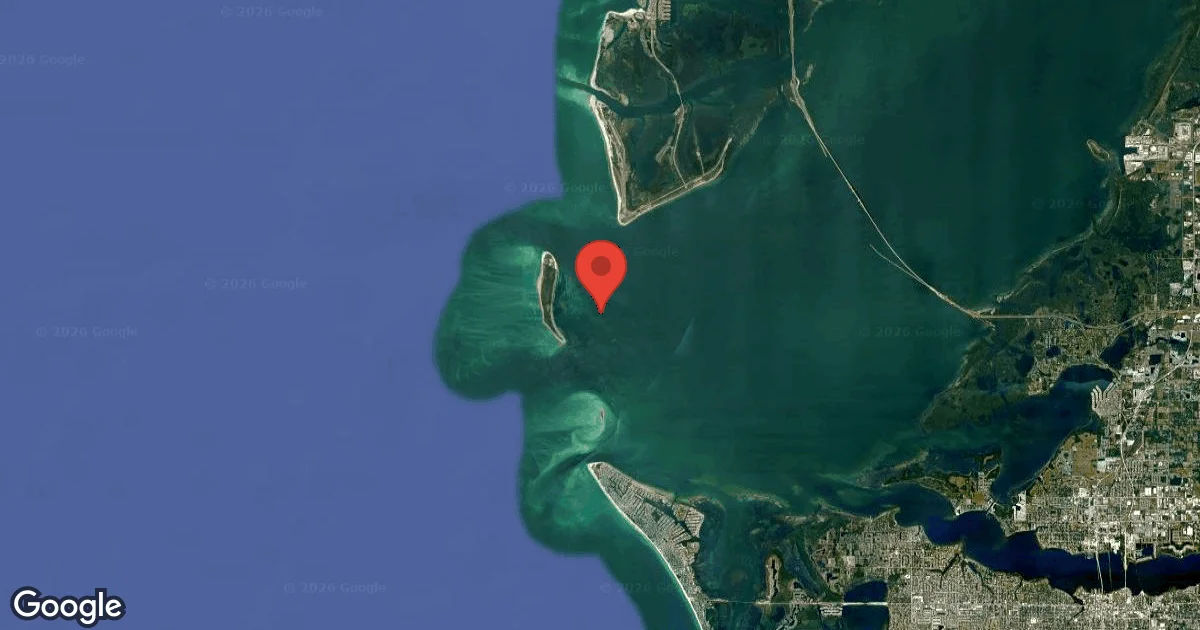
Egmont Key Reef (Bay), #14
Horseshoe Beach Reef Site E1
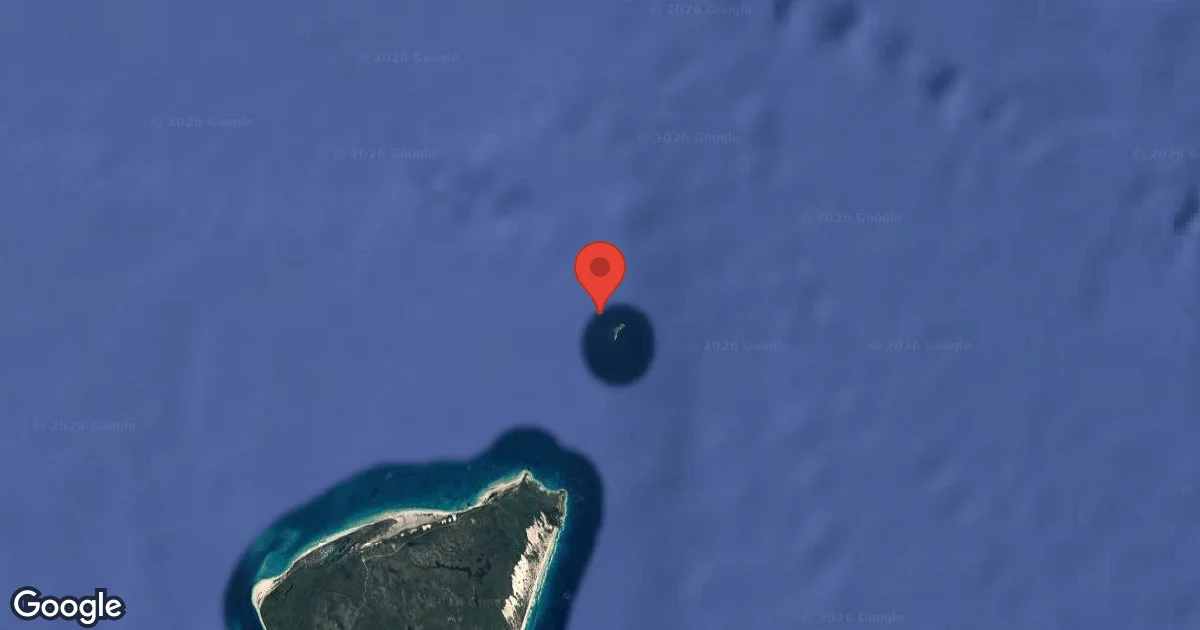
Flinders Reef
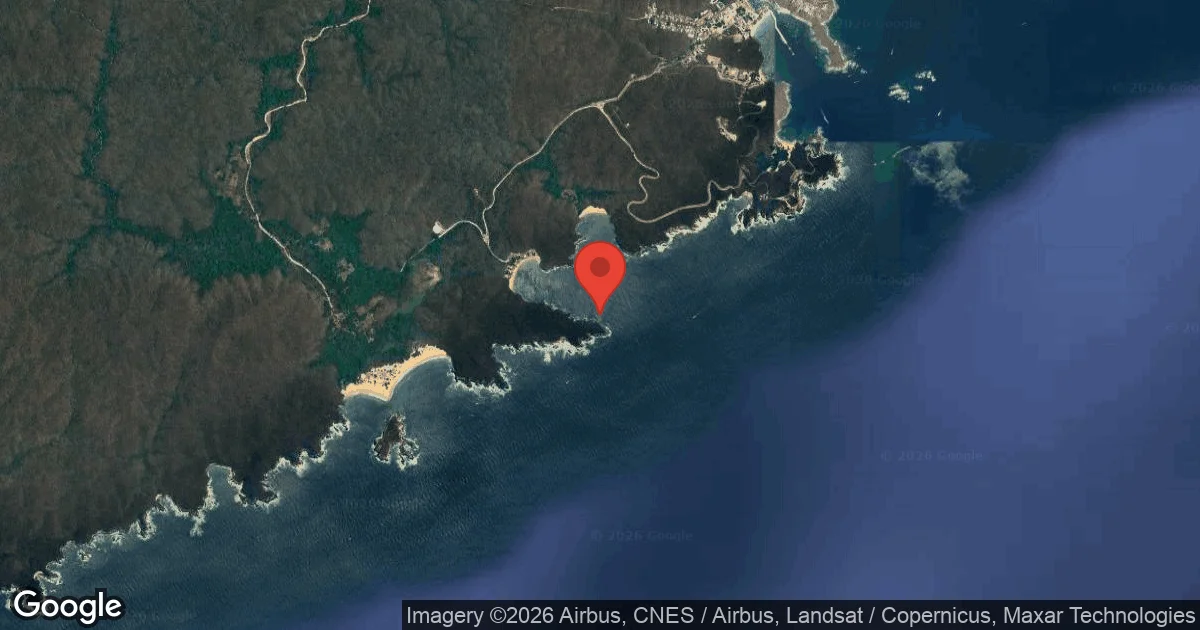
Morros Maguey
WM-LB-13
AH Richardson
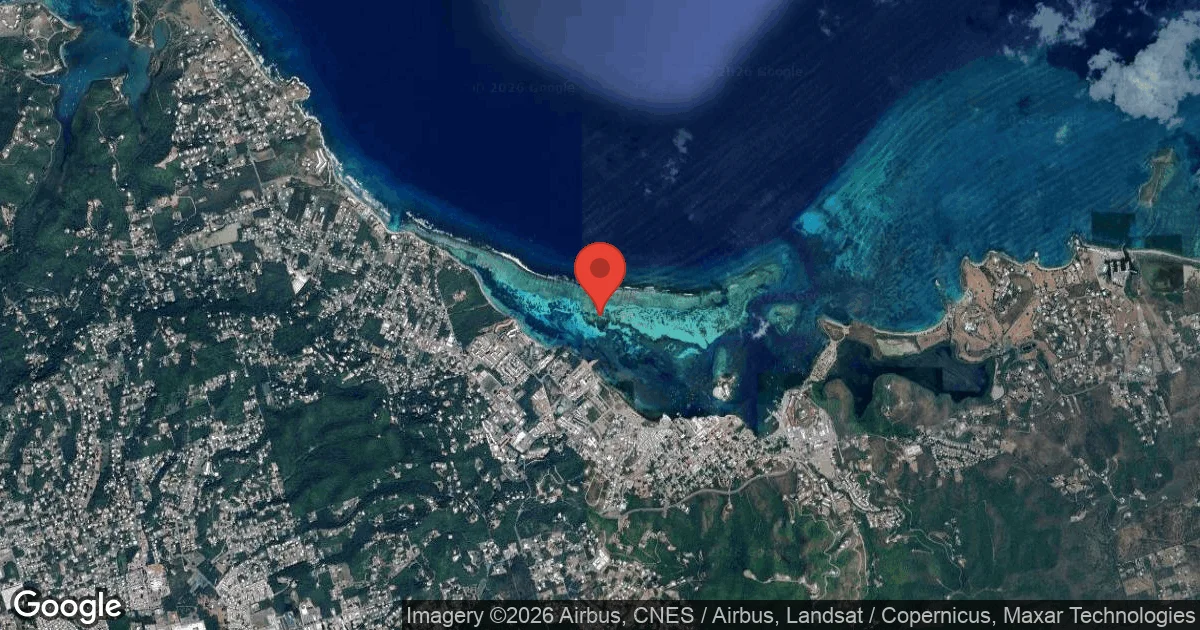
Wapa Reef, St Croix
Maison Verte
Western Shoals
Outer Rock
Tarzan Cave
Punta del Ferro
Related Marine Life
Explore other incredible species you can encounter on your diving adventures.