
Diving at ESERS023 (United States)
This particular dive site in the United States offers varying underwater landscapes. While specific structural details for ESERS023 aren't consistently reported, many dive locations in the region feature a blend of reef and ocean environments. Depths vary considerably depending on the exact location, catering to a wide range of recreational diving certifications.
Early observations for ESERS023 report a surface air temperature of 28°C. The water surface is currently presenting wave heights of 1.1 m. Consider these environmental metrics before beginning your descent.
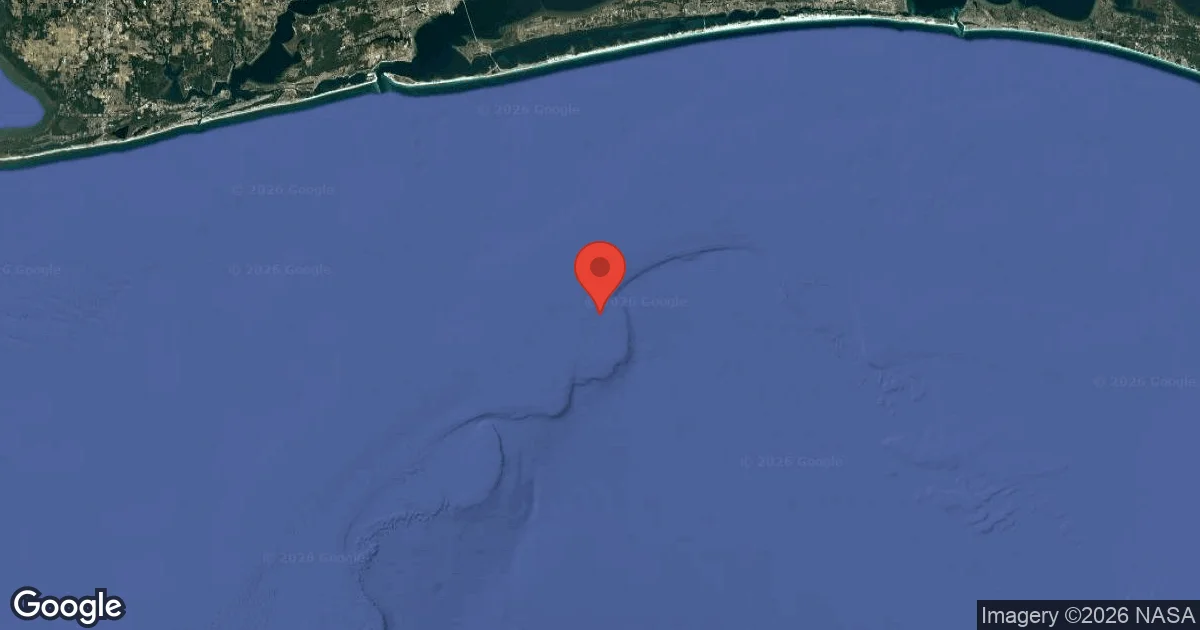
Dive Site Location & Key Facts
Dive Site Overview
Exploring the underwater realm at ESERS023 reveals a varied aquatic tapestry, representative of many dive sites within the United States. While precise historical data for this particular location isn't available, general expectations for American dive sites frequently involve navigating both natural formations and artificial structures.
Divers often encounter different geological features, including rocky outcrops, expansive sandy plains, and more structured reef areas that provide diverse environments for discovery. These underwater topographies can range from shallower recreational depths to more profound sections, often extending beyond 30 m (100 ft) in certain regional sites. Planning a dive in this region often requires adapting to these prevalent underwater features.
A descent might lead divers into a gently sloping sandy bottom or along the edge of an underwater canyon, depending on the specific coordinates. Each expedition is an interaction with the prevailing local marine ecology, where the layout of the seabed directly influences the species encountered across these varied habitats.
Conditions are Excellent
07:00 - 14:00
Optimal conditions expected
Current conditions near ESERS023 show 28° air, 30° sea temperature, 0.5 m waves, and 17 km/h wind. Forecast data is refreshed regularly to ensure accuracy.
Best Time to Dive
Seasonal patterns significantly influence the diving conditions, making certain months more favorable. From May through October, the dive score is generally good, reflecting more stable conditions. During these months, average air temperatures range from 24.5°C (76°F) in May, peaking around 29°C (84°F) in August, and gradually dropping to 23.5°C (74°F) by October. Rainfall during this period remains relatively low, ranging from 3.58 mm (0.14 in) in June to 4.78 mm (0.19 in) in September. Conversely, late fall and winter months, such as January, March, April, and November, show a moderate dive score due to cooler air temperatures and slightly higher wave activity.
PEAK SEASON SCORE
Scores combine air & water temps, waves, wind & rainfall for overall conditions.
BEST MONTHS TO DIVE
Monthly records compiled from satellite and marine observation nodes over the last 3 years. Data provided by Open-Meteo and MET Norway.
Dive Experience & Conditions
Underwater conditions around this site can fluctuate, reflecting the dynamic nature of coastal environments. Specific water temperature data for ESERS023 is not consistently reported, but seasonal air temperature averages suggest warmer conditions during summer months. Visibility can vary significantly based on local weather, currents, and recent rainfall, often ranging from moderate to good on calm days. Surface chop and surge are influenced by wind speed, which tends to be lighter in the summer, averaging around 23-26 km/h (14-16 mph) from July to September. Divers should expect these conditions to influence navigation and overall dive comfort.
Dive Difficulty & Safety Guidelines
Ensuring a safe dive always begins with proper planning and adherence to established protocols. For any diving in the United States, current certification is required, and understanding local regulations is crucial. No specific hazards are reported for ESERS023, but divers should always be aware of potential changing currents, boat traffic, and weather conditions.
Always dive within your training limits and with a buddy. Familiarize yourself with emergency procedures and local dive support options before entering the water. Carrying appropriate safety signaling devices is a sensible precaution.
Recommended Equipment
- Dive Computer
This gear list is based on verified equipment signals for ESERS023, United States. Always confirm final gear choices with your dive operator, guide, or liveaboard.
Recommended Dive Suit
Forecast conditions over the next few days suggest temperatures will remain relatively stable.
Divers who prefer a balanced level of warmth often select dive skin or rash guard in water temperatures like this. Consider warmer surface protection (like a boat coat) due to brisk winds.
At ESERS023, the water is currently sitting around 30°C (87°F). Surface air temperatures are resting at 28°C (82°F).
Due to technical issues with our weather providers, data hasn't been fetched for over 48 hours. The data above reflects the conditions at the time of the last successful fetch.
Emergency & Medical Support
Essential information to help you plan your dive trip to ESERS023.

Hyperbaric chambers are a critical part of dive safety infrastructure. Availability varies significantly by region, and not all dive areas have immediate access.
Before diving, it's recommended to:
- confirm nearest medical facilities
- check emergency procedures with local dive operators
- ensure dive insurance covers evacuation if required
Divers Alert Network
Diving emergency assistance available through DAN World.
+1-919-684-9111- 24/7 emergency hotline
- Diving medical assistance
- Evacuation coordination
Emergency contacts are provided for reference. Always verify local emergency services before diving.
Marine Life at ESERS023
The marine ecosystems here typically host a range of coastal species common to United States waters, depending on the specific site's characteristics. While detailed marine life highlights for ESERS023 are not consistently reported, divers can generally expect to observe reef fish, various invertebrates, and possibly migratory species.
Exploring different dive sites can reveal distinct communities, from smaller crustaceans camouflaged on the seabed to schools of pelagic fish in open water sections. Observing these patterns provides a rewarding experience.
Dive Sites Near ESERS023
View all dive sites in United StatesDiscover more underwater gems in this area.
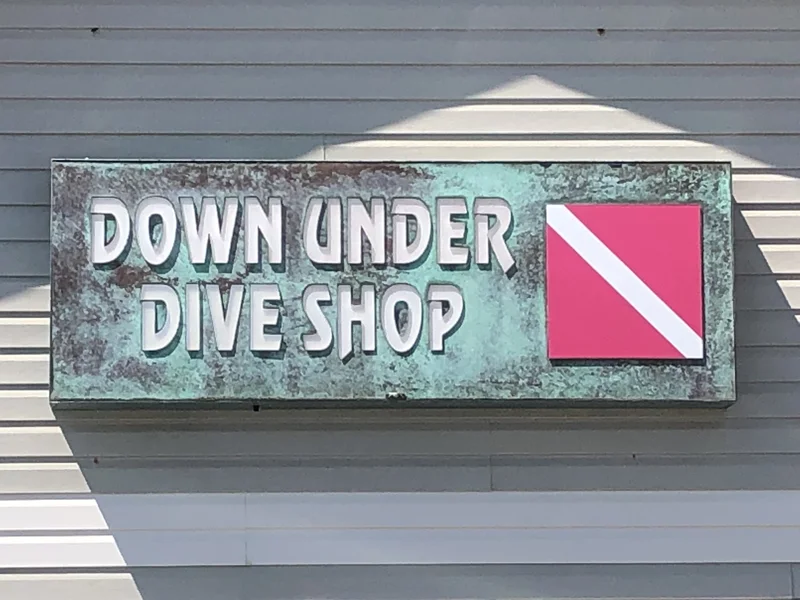
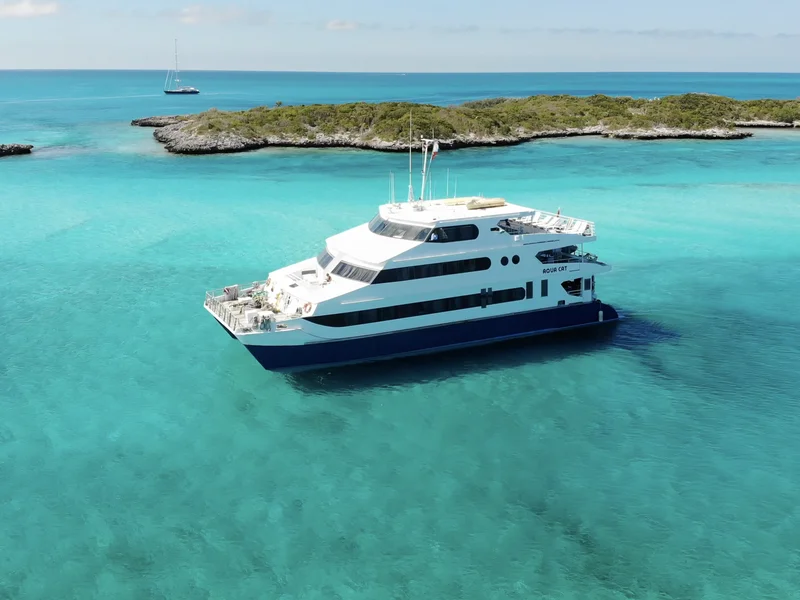
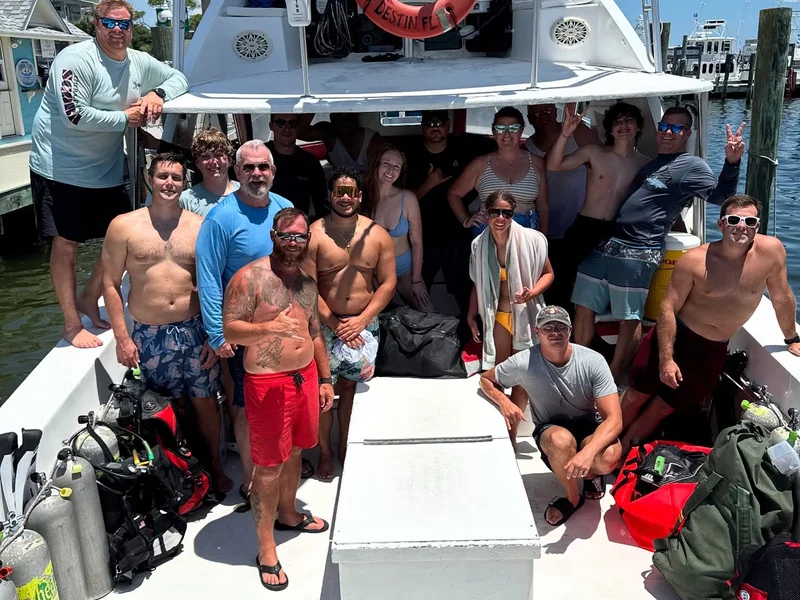
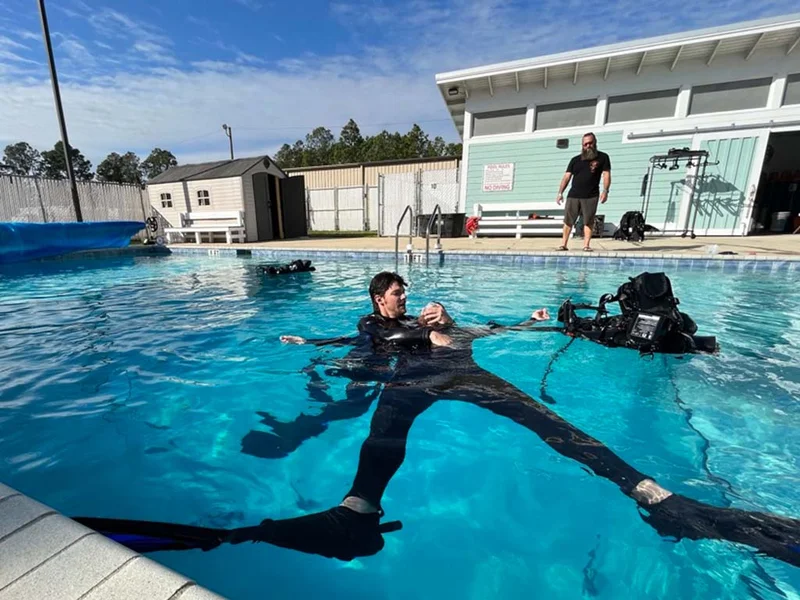
Dive Centers Near ESERS023
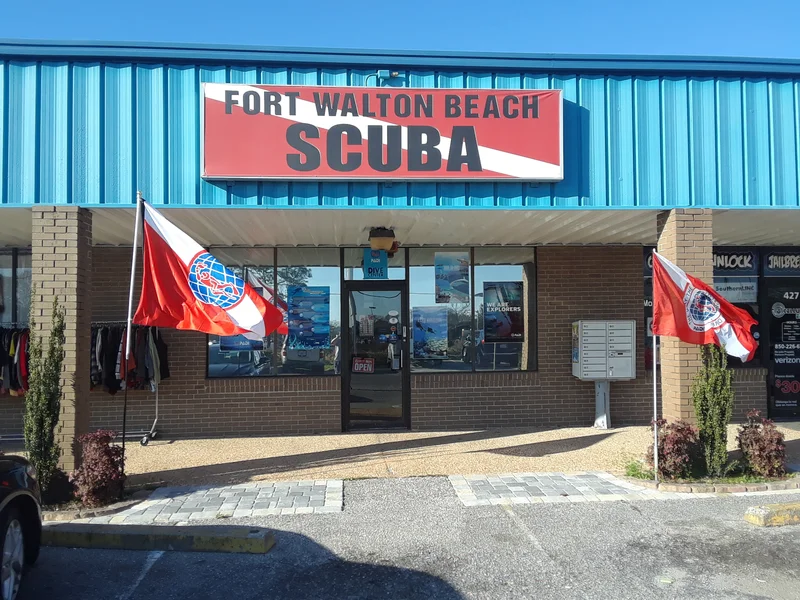
Today: 10:00 - 14:00
Nearest Airports
Nearest airports to help plan travel to this dive area.
Search Flights
Check available flights and routes on Expedia, using the nearby airports listed in this section.
Search Flights on Expedia
Plan Your Stay
Looking for a place to stay for your dive trip? Explore hotels, stays, and vacation rentals for dive groups near Gulf Breeze.
Dive Navigator may earn a commission from these links at no extra cost to you.
Frequently Asked Questions
What skill level is required for diving at ESERS023?
The required skill level can vary by specific dive site. Many locations in the United States offer options for Open Water divers, while deeper or more challenging sites may require Advanced Open Water or specialty certifications. Always check with local dive operators for specific site requirements.
Is drift diving common in this area?
Drift diving conditions depend on local currents, which are not consistently reported for this specific site. However, some ocean dives in the US do experience currents that may necessitate drift diving techniques. Consult with dive professionals for real-time current assessments.
Are guided dives available for ESERS023?
Yes, guided dives are commonly available through local dive centers throughout the United States. Booking with a local guide is recommended, especially when exploring a new or unfamiliar dive location like ESERS023, as they provide valuable local knowledge and ensure safety.
What kind of marine flora can be expected?
The marine flora will depend on the site's exact location and depth. Generally, various types of algae, seagrasses, and soft corals can be found in different habitats across US dive sites. Reefs typically host a greater diversity of sessile life.
Is night diving an option?
Night diving can be an exciting experience, often revealing different marine behaviors and nocturnal species. Whether night diving is offered at ESERS023 would depend on specific local operators and site conditions. Inquire directly with local dive centers.
How important is buoyancy control at this site?
Excellent buoyancy control is always essential for safe and responsible diving, regardless of the site. It helps protect delicate underwater environments, conserves air, and allows for better observation of marine life. Practicing good buoyancy is crucial for any diver.
Planning to dive ESERS023?
Send one inquiry and receive offers directly from the best verified local dive operators.
Conditions are Excellent
07:00 - 14:00
Optimal conditions expected
Current conditions near ESERS023 show 28° air, 30° sea temperature, 0.5 m waves, and 17 km/h wind. Forecast data is refreshed regularly to ensure accuracy.