
Diving at ESERS551 (United States)
Approaching the USS Oriskany means recalibrating your understanding of wreck diving. Its sheer scale transforms what you expect from submerged structures, setting a new benchmark for significant wreck sites. Prepare for an immense dive that will challenge your perspectives and add a formidable entry to your logbook.
Early observations for ESERS551 report a surface air temperature of 28.5°C. The water surface is currently presenting wave heights of 1.1 m. Consider these environmental metrics before beginning your descent.
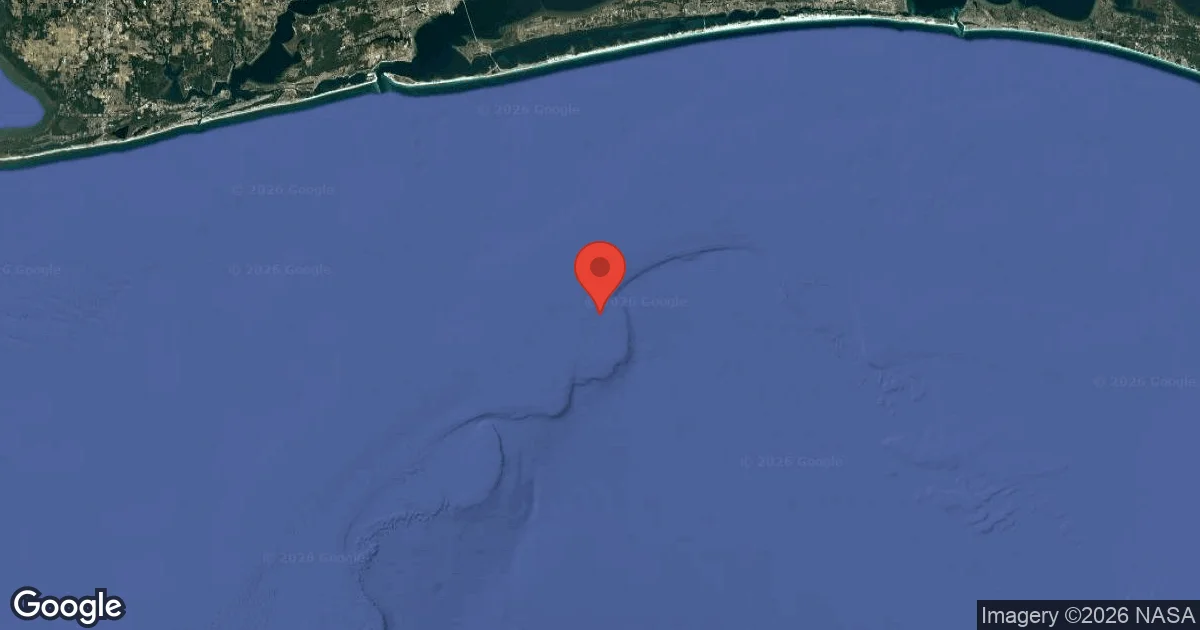
Dive Site Location & Key Facts
Dive Site Overview
Diving the USS Oriskany, affectionately known as “The Mighty O,” is an experience that resonates long after the dive. An impressive aircraft carrier, resting off the coast of Florida, it's not merely a wreck; it's a milestone in artificial reef creation, intentionally sunk to become the world's largest.
Imagine descending into what feels like an entire city submerged underwater, its massive structure gradually emerging from the Gulf's blue depths. The sense of scale is immediate and profound, fundamentally changing how divers perceive large wrecks. You'll encounter clean descent lines guiding exploration along dramatic structural elements, from the immense flight deck starting around 43 m (140 ft) to the formidable island structure.
This offers an undeniable realization: divers are truly exploring one of the world's most iconic underwater sites. Exploration here caters to those who appreciate substantial steel structures and the satisfaction of navigating a truly unforgettable wreck.
Its sheer size allows for multiple dives, each revealing new perspectives and details of this colossal vessel.
Conditions are Good
07:00 - 14:00
Optimal conditions expected
Current conditions near ESERS551 show 28° air, 30° sea temperature, 0.5 m waves, and 24 km/h wind. Forecast data is refreshed regularly to ensure accuracy.
Best Time to Dive
Planning a dive to the USS Oriskany is often best timed between February and October, periods consistently rated 'Good' for diving conditions. During these months, air temperatures are considerably warmer, ranging from approximately 15.5°C (60°F) in February to a peak of 29°C (84°F) in August. Rainfall is generally moderate, with monthly averages typically between 2.6 mm and 4.8 mm, minimizing potential run-off that could affect nearshore clarity. Wave heights tend to be lower during this optimal window, averaging between 0.6 m (2.0 ft) and 1.0 m (3.3 ft), which usually contributes to more stable diving platforms and potentially better visibility offshore. Water temperatures for this specific site are not consistently reported, but overall Gulf visibility tends to be clearer during calmer periods. From November through January, conditions are rated 'Moderate,' with cooler air temperatures from 13°C (55°F) to 20°C (68°F) and slightly higher average wave heights, making the experience potentially more challenging.
PEAK SEASON SCORE
Scores combine air & water temps, waves, wind & rainfall for overall conditions.
BEST MONTHS TO DIVE
Monthly records compiled from satellite and marine observation nodes over the last 3 years. Data provided by Open-Meteo and MET Norway.
Dive Experience & Conditions
Diving on the USS Oriskany begins with an immediate sense of immersion into a structure of colossal proportions. As you descend, the sheer size of this vessel starts to dominate the underwater panorama, often presenting clean descent lines that guide divers down. Visibility in the Gulf often allows for wide-angle views of the ship's dramatic structure, enhancing the sensation of exploring a massive, complex environment. The experience of settling onto this ship is uniquely impactful, confirming its reputation as an extraordinary dive. Conditions can vary, but the extensive structure offers numerous points of interest, from the flight deck to the deeper sections of the hull, allowing for multiple dives to truly appreciate its vastness within recreational depth limits. It's a dive that emphasizes the unique challenges and rewards of large wreck exploration.
Dive Difficulty & Safety Guidelines
Diving the USS Oriskany demands a respectful approach to its inherent challenges, primarily due to its significant size and depth. Divers should possess appropriate wreck diving certification and experience, particularly for navigating its expansive internal structures, though external exploration alone is extensive. Planning dives meticulously is crucial, considering no specific hazards are listed in available data, but the nature of a large, submerged wreck always implies potential for entanglement or disorientation.
Adhering to no-decompression limits is paramount, especially when exploring deeper sections of the ship. Always dive with a buddy, maintain situational awareness, and carry appropriate safety equipment, including lights and signaling devices. Respect the integrity of the wreck and its role as an artificial reef.
Recommended Equipment
- Dive Computer
This gear list is based on verified equipment signals for ESERS551, United States. Always confirm final gear choices with your dive operator, guide, or liveaboard.
Recommended Dive Suit
Environmental conditions are expected to remain consistent in the short-term outlook.
Even in warm destinations, extended dives can gradually draw heat away from the body. Stronger winds may also make surface intervals feel cooler than usual.
Exposure protection such as dive skin or rash guard is commonly used when diving in waters of this temperature. Consider warmer surface protection (like a boat coat) due to brisk winds. The latest environmental readings for ESERS551 suggest water temperatures around 30°C (86°F). Surface air temperatures are resting at 28°C (83°F).
Due to technical issues with our weather providers, live updates are temporarily delayed. The data above reflects the conditions at the time of the last successful fetch.
Emergency & Medical Support
Essential information to help you plan your dive trip to ESERS551.

Hyperbaric chambers are a critical part of dive safety infrastructure. Availability varies significantly by region, and not all dive areas have immediate access.
Before diving, it's recommended to:
- confirm nearest medical facilities
- check emergency procedures with local dive operators
- ensure dive insurance covers evacuation if required
Divers Alert Network
Diving emergency assistance available through DAN World.
+1-919-684-9111- 24/7 emergency hotline
- Diving medical assistance
- Evacuation coordination
Emergency contacts are provided for reference. Always verify local emergency services before diving.
Marine Life at ESERS551
The USS Oriskany, as a colossal artificial reef, provides an extensive and varied underwater landscape for marine life. Its myriad compartments, decks, and structural elements offer shelter and hunting grounds for a diverse array of Gulf inhabitants.
While specific species aren't consistently reported, the structure itself acts as a magnet for schools of fish, pelagic visitors, and various invertebrates common to the region's deeper wrecks. Divers can expect to observe how the marine ecosystem has adapted to and flourished around this sunken behemoth, transforming its steel framework into a vibrant habitat.
Dive Sites Near ESERS551
View all dive sites in United StatesDiscover more underwater gems in this area.
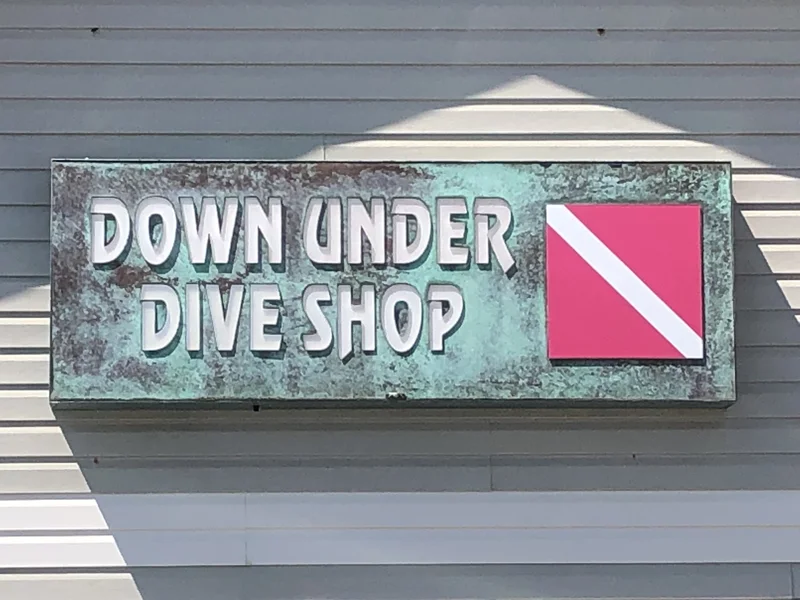
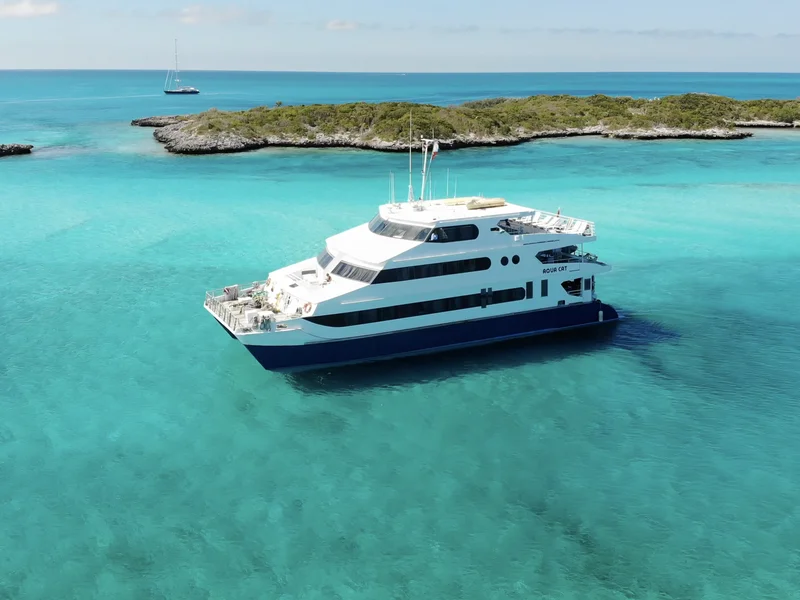
Dive Centers Near ESERS551
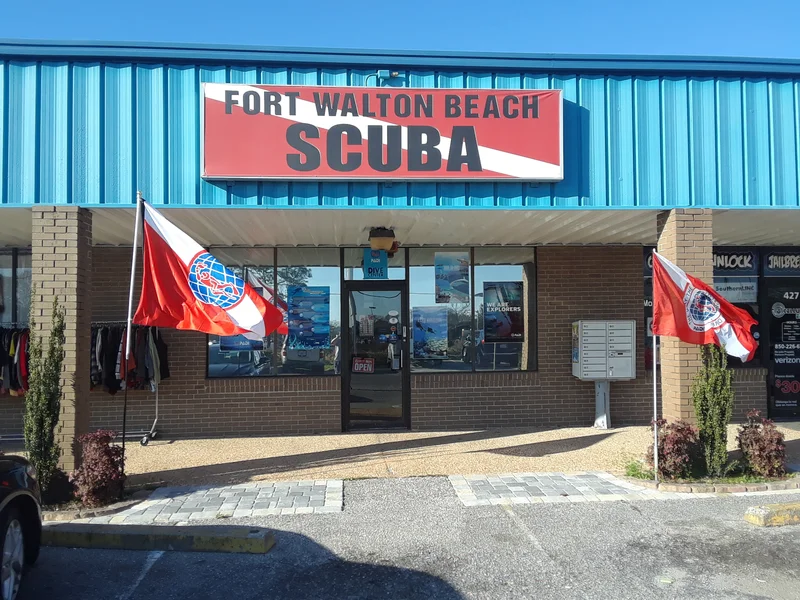
Today: 10:00 - 14:00
Nearest Airports
Nearest airports to help plan travel to this dive area.
Search Flights
Check available flights and routes on Expedia, using the nearby airports listed in this section.
Search Flights on Expedia
Plan Your Stay
Looking for a place to stay for your dive trip? Explore hotels, stays, and vacation rentals for dive groups near Gulf Breeze.
Dive Navigator may earn a commission from these links at no extra cost to you.
Frequently Asked Questions
What kind of dive experience is needed for the USS Oriskany?
Due to its size and potential depths, the USS Oriskany is best suited for certified wreck divers or those with advanced open water certification and significant experience. Specific wreck diving training is highly recommended for exploring internal sections safely.
What is the typical visibility at the USS Oriskany?
Visibility at the USS Oriskany is generally good, characteristic of offshore Gulf diving. However, conditions can vary depending on weather, currents, and seasonal factors, sometimes offering dramatic views of the entire ship.
Are there strong currents on the Oriskany?
Currents in the Gulf can vary. While not consistently reported as extreme, divers should be prepared for moderate currents, especially around exposed sections of the wreck. Dive briefings will provide the most current information.
Can divers penetrate the USS Oriskany?
The USS Oriskany offers opportunities for penetration, but this requires specialized training and equipment. Divers without overhead environment experience should restrict their exploration to the exterior of the wreck for safety.
What kind of marine life can be seen on the wreck?
As a large artificial reef, the Oriskany attracts various Gulf marine species. Divers typically observe schooling fish, occasional pelagic species, and a range of invertebrates that utilize the wreck for shelter and feeding. Specific sightings can vary by season.
What are the water temperatures like?
Specific water temperatures for the USS Oriskany site are not consistently reported in available data. However, as an offshore Gulf wreck, temperatures will generally follow regional patterns, being warmer in summer months and cooler in winter.
Planning to dive ESERS551?
Send one inquiry and receive offers directly from the best verified local dive operators.
Conditions are Good
07:00 - 14:00
Optimal conditions expected
Current conditions near ESERS551 show 28° air, 30° sea temperature, 0.5 m waves, and 24 km/h wind. Forecast data is refreshed regularly to ensure accuracy.