
Diving at FH14-08A (United States)
Coastal dive opportunities in this region, including FH14-08A, typically present dynamic underwater landscapes shaped by local geological features and prevailing water movements. Surface conditions across the year feature average air temperatures ranging from 12°C (54°F) in winter to 29°C (84°F) in summer. Wave heights generally remain below 1 meter (3 feet), contributing to overall accessibility, though variations occur seasonally.
Tonight's objective overview for FH14-08A shows an air temperature of 23.5°C. The measured surface conditions include wave heights around 0.8 m. This environmental data is logged for the close of the day.
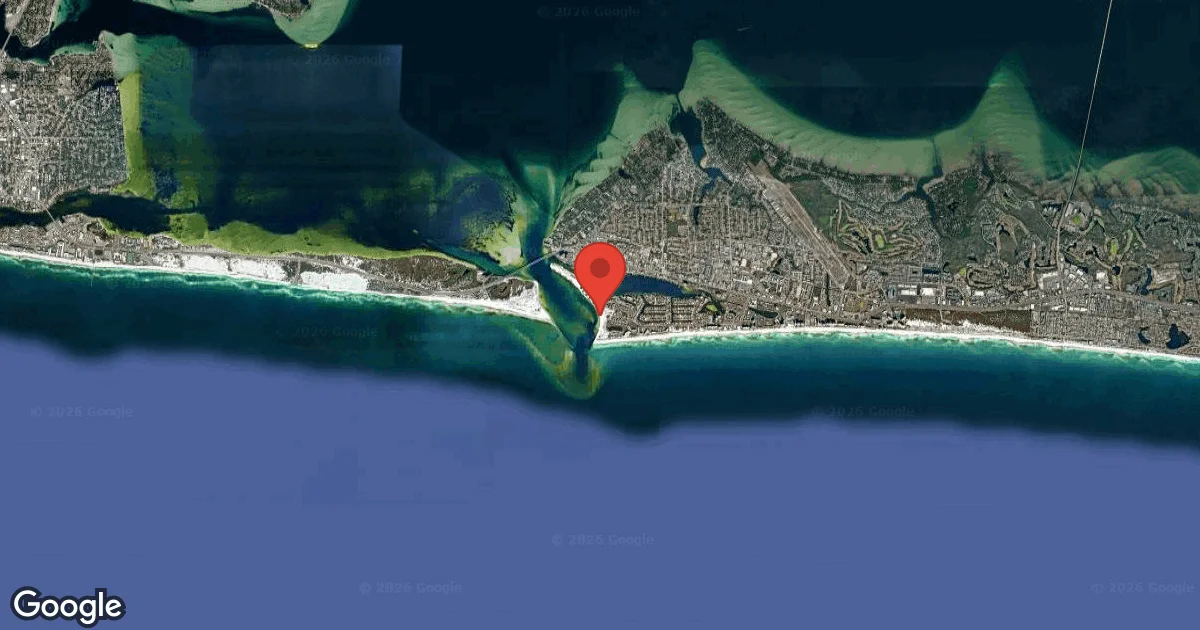
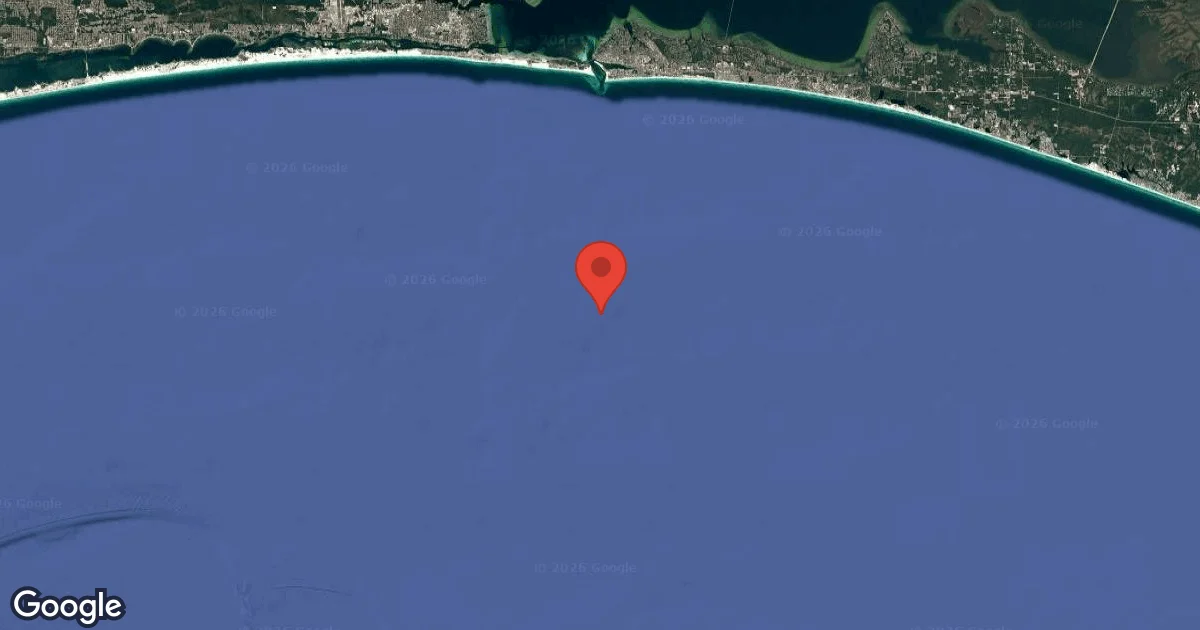
Dive Site Location & Key Facts
Dive Site Overview
Embarking on a dive at FH14-08A means preparing for conditions influenced by seasonal shifts, as direct underwater details for this site are not consistently reported. Divers should anticipate variations in wind and wave activity, which are factors in surface comfort and potential underwater visibility.
For example, January typically sees average wave heights near 0.9 m (3.0 ft) and winds around 30 km/h (19 mph). By contrast, August brings calmer conditions with waves averaging 0.6 m (2.0 ft) and winds around 23 km/h (14 mph). Rainfall is relatively low year-round, generally staying under 7 mm (0.3 inches) per month, which helps maintain dive viability.
While specific site features are not documented, understanding these atmospheric and surface water dynamics is key to planning a rewarding dive experience here. Consulting local reports just prior to diving is always recommended to capture the most current conditions.
Conditions are Good
Optimal conditions expected
Current conditions near FH14-08A show 24° air, 30° sea temperature, 0.4 m waves, and 21 km/h wind. Forecast data is refreshed regularly to ensure accuracy.
Best Time to Dive
Evaluating the optimal time for diving here highlights a contrast between the warmer, calmer summer months and the cooler, potentially windier periods. While July and August typically offer the highest average air temperatures, reaching around 28-29°C (83-84°F), and the lowest wave heights, averaging 0.5-0.6 m (1.6-2.0 ft), these months aren't exclusively rated as the "best" in terms of dive score, which remains consistently "Good" across the year. Winter months like January and March, despite cooler air temperatures of 12-17°C (54-63°F) and higher average wave heights of 0.9 m (3.0 ft), also maintain a "Good" dive score. This consistency suggests diving can be viable throughout the year, though surface comfort will vary. Divers prioritizing the calmest surface conditions may find late summer more appealing, while others might appreciate the overall steady dive scores in other seasons.
PEAK SEASON SCORE
Scores combine air & water temps, waves, wind & rainfall for overall conditions.
BEST MONTHS TO DIVE
Monthly records compiled from satellite and marine observation nodes over the last 3 years. Data provided by Open-Meteo and MET Norway.
Dive Experience & Conditions
Diving at FH14-08A would likely involve exploring depths within typical recreational limits; however, the specific maximum depth for this site is not available in current data. Water temperature is not consistently reported for this location, requiring divers to check current local conditions for appropriate thermal protection. Visibility will naturally vary with local weather patterns, especially wind and wave activity, which can stir sediments in shallower coastal sections. Deeper sections might offer more stable visibility, though without detailed bathymetry, this remains a general observation for coastal diving. Any currents present are not consistently reported, but often depend on local tidal movements and the specific underwater terrain. Divers should be prepared for typical coastal conditions where topography can influence water flow and clarity.
Dive Difficulty & Safety Guidelines
Approaching FH14-08A necessitates a careful review of general dive safety protocols, given the limited site-specific hazard reporting. Divers should prioritize consulting local dive operators or authorities for real-time conditions and potential hazards before entry. Always dive within your certification limits and ensure your equipment is well-maintained and functioning correctly.
If strong currents or surge are encountered, which can vary with tides and weather, understanding how to manage them is crucial. Surface markers and dive computers are essential tools for responsible diving here.
Maintaining buddy contact and having a clear emergency action plan are standard procedures that help mitigate unforeseen circumstances and ensure a safe dive.
Recommended Equipment
- Dive Computer
This gear list is based on verified equipment signals for FH14-08A, United States. Always confirm final gear choices with your dive operator, guide, or liveaboard.
Recommended Dive Suit
Water temperatures at FH14-08A are currently estimated to be around 30°C (86°F), shaping the overall diving conditions for today. Surface air temperatures are resting at 24°C (74°F).
For the majority of recreational dives here, dive skin or rash guard should provide suitable protection. Consider warmer surface protection (like a boat coat) due to brisk winds.
Weather models currently point toward consistent diving conditions over the next several days.
Due to technical issues with our weather providers, live updates are temporarily delayed. The data above reflects the conditions at the time of the last successful fetch.
Emergency & Medical Support
Essential information to help you plan your dive trip to FH14-08A.

Hyperbaric chambers are a critical part of dive safety infrastructure. Availability varies significantly by region, and not all dive areas have immediate access.
Before diving, it's recommended to:
- confirm nearest medical facilities
- check emergency procedures with local dive operators
- ensure dive insurance covers evacuation if required
Divers Alert Network
Diving emergency assistance available through DAN World.
+1-919-684-9111- 24/7 emergency hotline
- Diving medical assistance
- Evacuation coordination
Emergency contacts are provided for reference. Always verify local emergency services before diving.
Marine Life at FH14-08A
The underwater topography of FH14-08A is not specifically detailed, meaning any marine life observations would depend on the prevailing seabed and local ecological factors. Coastal regions in temperate zones often support a variety of fish species, crustaceans, and mollusks that utilize hard substrate like rocky reefs or softer sandy bottoms for habitat.
Divers might encounter species adapted to such environments, though specific highlights or abundant concentrations are not currently reported for this site. Observing marine life here requires patience and a keen eye, focusing on the general ecosystem rather than known, prominent attractions unique to FH14-08A.
Dive Sites Near FH14-08A
View all dive sites in United StatesDiscover more underwater gems in this area.
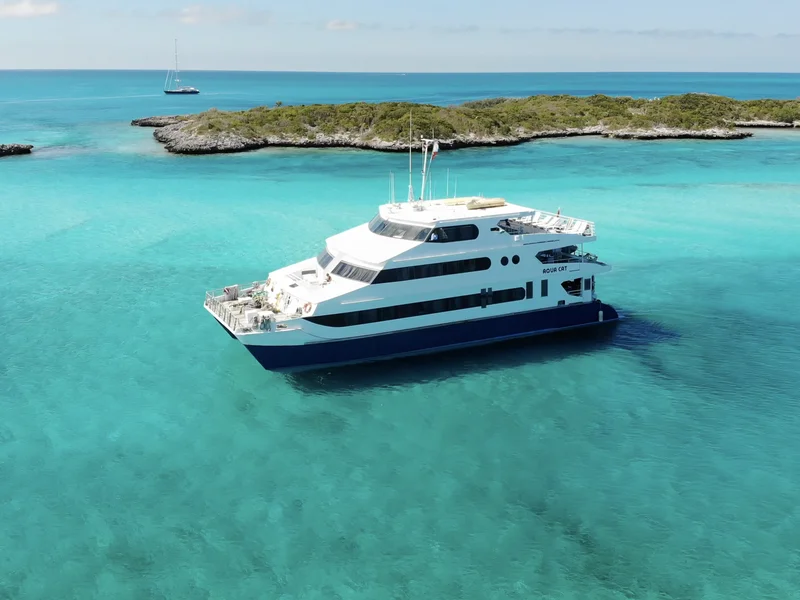
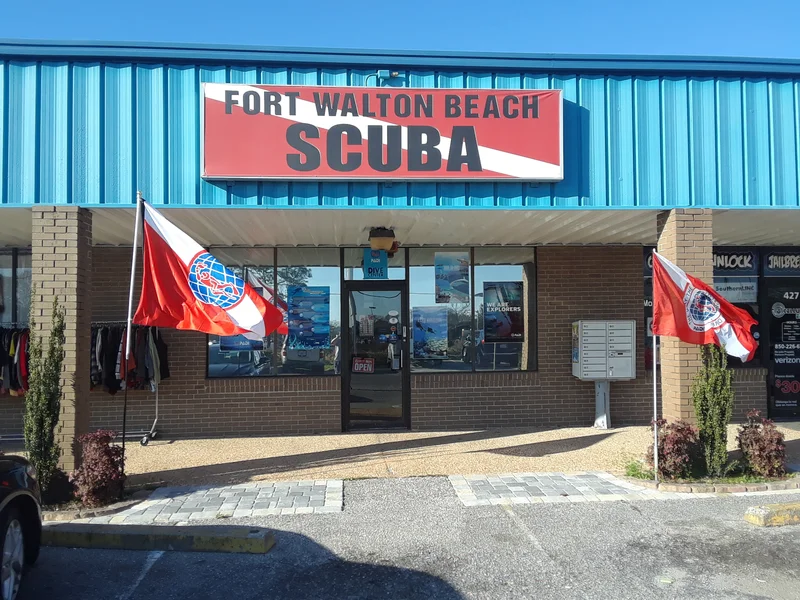
Dive Centers Near FH14-08A
Today: 08:00 - 17:00
Nearest Airports
Nearest airports to help plan travel to this dive area.
Search Flights
Check available flights and routes on Expedia, using the nearby airports listed in this section.
Search Flights on Expedia
Plan Your Stay
Looking for a place to stay for your dive trip? Explore hotels, stays, and vacation rentals for dive groups near Fort Walton Beach.
Dive Navigator may earn a commission from these links at no extra cost to you.
Frequently Asked Questions
What are the typical air temperatures for diving at FH14-08A?
Air temperatures at FH14-08A vary significantly throughout the year. They generally range from a cooler 12°C (54°F) in January to a warmer 29°C (84°F) during summer months like July and August. Divers should plan accordingly for surface conditions.
What is the best time of year to dive at FH14-08A?
While the site generally holds a 'Good' dive score year-round, late summer months like July and August typically offer the warmest air temperatures and calmest surface conditions with lower wave heights. Other seasons are also viable, depending on diver preference for air temperature and wave conditions.
Is the water temperature known for FH14-08A?
Specific water temperature data for FH14-08A is not consistently reported in available datasets. Divers planning to visit should consult local dive centers for up-to-date information on water temperatures to determine appropriate thermal protection.
What are the typical wave conditions at FH14-08A?
Wave heights generally average below 1 meter (3 feet) throughout the year. Winter months can see averages closer to 0.9 m (3.0 ft), while summer months, particularly July and August, experience calmer conditions with waves averaging around 0.5-0.6 m (1.6-2.0 ft).
Are there specific marine life highlights at FH14-08A?
Specific marine life highlights for FH14-08A are not consistently reported. Divers can expect to encounter species typical of temperate coastal environments, but there are no documented unique or particularly abundant marine populations noted for this site.
Are there any reported hazards at FH14-08A?
Site-specific hazards for FH14-08A are not detailed in current records. It is crucial for divers to conduct thorough pre-dive checks and consult local operators for any potential hazards like currents, surge, or navigation challenges that may be present.
What level of diving experience is recommended for FH14-08A?
Without specific site details, a general recommendation would be for certified divers to assess conditions and dive within their training and comfort levels. Beginners should prioritize diving with experienced local guides, especially when site information is limited.
Planning to dive FH14-08A?
Send one inquiry and receive offers directly from the best verified local dive operators.
Conditions are Good
Optimal conditions expected
Current conditions near FH14-08A show 24° air, 30° sea temperature, 0.4 m waves, and 21 km/h wind. Forecast data is refreshed regularly to ensure accuracy.