
Diving at Gerkin (Bay) (United States)
Gerkin (Bay) acts as a gateway to numerous significant dive sites along the US Gulf Coast, notable for its vibrant artificial reefs. These submerged structures, often historical wrecks, transform into thriving marine habitats over time. Divers frequently encounter robust pelagic species and impressive bottom dwellers. This region's underwater landscape sets the stage for diverse and abundant marine life.
As evening covers Gerkin (Bay), the local air temperature is measured at 28.5°C. The current wave height at the surface is recorded at 0.5 m. These late-day readings characterize the surface conditions for the night.
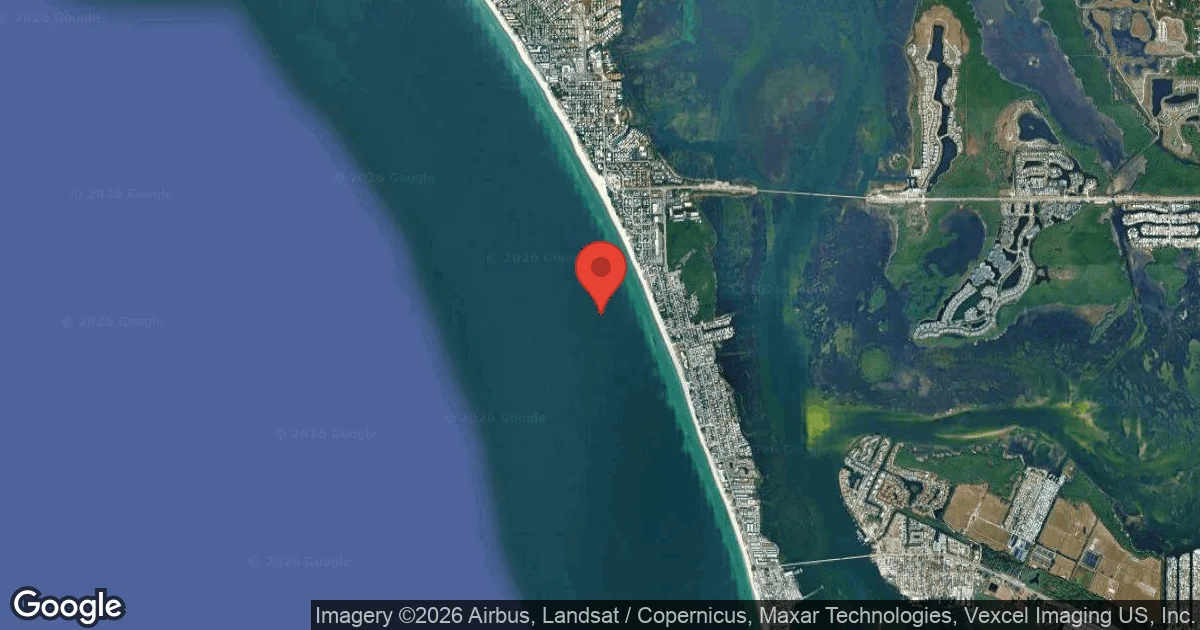
Dive Site Location & Key Facts
Dive Site Overview
Diving near Gerkin (Bay) offers an immersive journey into the Gulf Coast's artificial reef system, primarily characterized by purpose-sunk vessels and historical shipwrecks. Many of these sites, like the Oriskany aircraft carrier or the Hydro Atlantic, present options for both recreational and technical divers, with depths ranging from shallower deck sections to the maximum depth of 67 m (220 ft).
Exploring these wrecks can feel like stepping back in time, revealing intact structures and cargo in some deeper areas. Visibility typically ranges from 12 to 15 m (40 to 50 ft), though this can vary with local conditions. Water temperatures are often reported in the low 80s F (around 27-28°C), making for comfortable diving.
Whether navigating engine rooms filled with ambient light or traversing vast decks, the complexity and scale of these sites provide compelling exploration opportunities, with some wrecks stretching over 120 m (400 ft) in length.
Conditions are Good
Optimal conditions expected
Current conditions near Gerkin (Bay) show 29° air, 31° sea temperature, 0.2 m waves, and 23 km/h wind. Forecast data is refreshed regularly to ensure accuracy.
Best Time to Dive
Optimizing visibility is often a key consideration when planning dives in the Gerkin (Bay) area, with conditions generally improving during the dry season, specifically from December through June. While diving is possible year-round, these months tend to offer clearer water. Air temperatures vary significantly, ranging from 15-20°C (59-68°F) in colder months to a warmer 26-28°C (79-83°F) during summer. Rainfall is minimal in November, increasing to around 9 mm (0.35 in) in August, which can impact local runoff. Our dive score data indicates excellent conditions in May, June, July, and September, reflecting favorable overall weather, including lower wave heights and moderate winds. These periods typically provide calm surface conditions, enhancing boat travel to sites.
PEAK SEASON SCORE
Scores combine air & water temps, waves, wind & rainfall for overall conditions.
BEST MONTHS TO DIVE
Monthly records compiled from satellite and marine observation nodes over the last 3 years. Data provided by Open-Meteo and MET Norway.
Dive Experience & Conditions
Descending into the waters off Gerkin (Bay) introduces divers to a world where human history and marine biology intertwine. Water temperatures remain inviting, typically in the low 80s F (27-28°C) for much of the year, contributing to extended bottom times. Visibility generally holds between 12 to 15 m (40 to 50 ft), allowing for good structural appreciation of the wrecks. Divers can explore a vast range of depths, from recreational limits to deeper technical sections, often with the option for easy swim-throughs and penetrations depending on certification level. Some sites involve drift diving, where currents assist with site coverage or deco stops, making the experience dynamic. The structures themselves often present a 'wilder' feel compared to frequently visited artificial reefs, rewarding explorers with substantial relief and abundant marine growth.
Dive Difficulty & Safety Guidelines
Diving around Gerkin (Bay), particularly on its extensive wreck sites, necessitates adherence to specific safety protocols due to the varied depths and potential for penetrations. Proper certification is paramount; PADI Advanced Open Water Diver, Deep Diver, and Wreck Diver are highly recommended. For exploring the deeper sections and more complex interiors, technical certifications such as Enriched Air Diver, Helitrox, or Trimix are essential.
Divers should plan carefully for potential currents, as some sites are best experienced with drift decompression. Always carry a Surface Marker Buoy (SMB), especially when drift diving, to ensure clear communication with surface support.
While formal hazards aren't consistently reported, the nature of wreck diving demands thorough planning and conservative gas management.
Recommended Equipment
- Dive Computer
This gear list is based on verified equipment signals for Gerkin (Bay), United States. Always confirm final gear choices with your dive operator, guide, or liveaboard.
Recommended Dive Suit
Surface temperatures may decrease slightly later in the week. Cooler days are ahead; you might want a warmer option for later in the week. Divers planning multiple dives may appreciate having a warmer option available.
Factors such as dive duration, depth, and activity level can influence how warm a diver feels underwater. Stronger winds may also make surface intervals feel cooler than usual.
Dive skin or rash guard typically balances flexibility and thermal protection in these temperatures. Consider warmer surface protection (like a boat coat) due to brisk winds. The surrounding waters at Gerkin (Bay) are currently registering temperatures of roughly 31°C (88°F). Surface air temperatures are resting at 29°C (84°F).
Due to technical issues with our weather providers, live updates are temporarily delayed. The data above reflects the conditions at the time of the last successful fetch.
Emergency & Medical Support
Essential information to help you plan your dive trip to Gerkin (Bay).

Hyperbaric chambers are a critical part of dive safety infrastructure. Availability varies significantly by region, and not all dive areas have immediate access.
Before diving, it's recommended to:
- confirm nearest medical facilities
- check emergency procedures with local dive operators
- ensure dive insurance covers evacuation if required
Divers Alert Network
Diving emergency assistance available through DAN World.
+1-919-684-9111- 24/7 emergency hotline
- Diving medical assistance
- Evacuation coordination
Emergency contacts are provided for reference. Always verify local emergency services before diving.
Marine Life at Gerkin (Bay)
The underwater landscapes created by the wrecks near Gerkin (Bay) are rich ecosystems, attracting a wide array of marine life. Divers regularly encounter schools of pelagic fish circling above the structures.
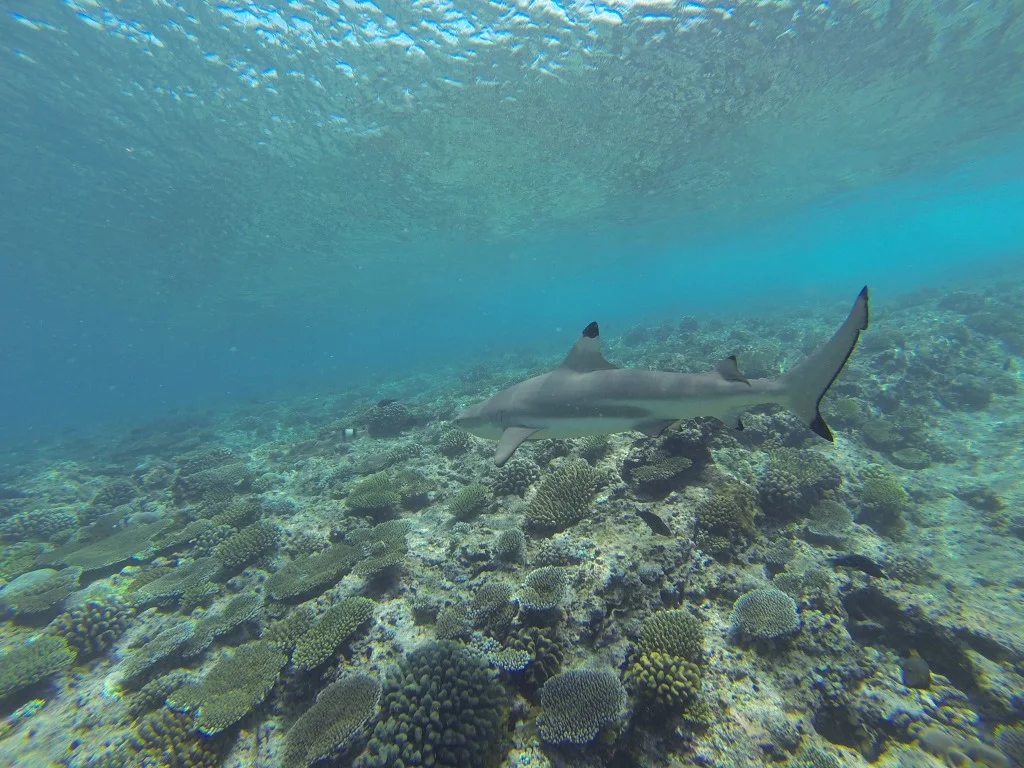
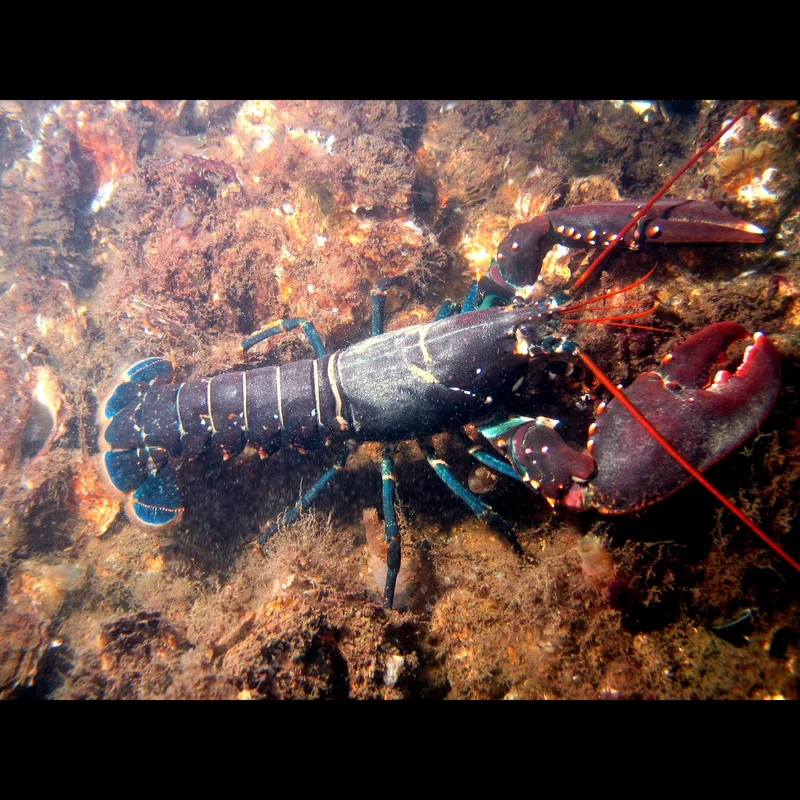
Larger inhabitants like goliath grouper often patrol the deeper sections and tunnels, especially near reef relief features. Various species of sharks are common sightings, along with eels, octopus, and lobster nestled within the wreck's nooks and crannies.
Corals have colonized many of these artificial reefs, adding vibrant colors and intricate textures to the steel structures. The blend of historical artifacts and natural habitats provides fascinating opportunities for observation and photography.

Dive Sites Near Gerkin (Bay)
View all dive sites in United StatesDiscover more underwater gems in this area.
Dive Centers Near Gerkin (Bay)
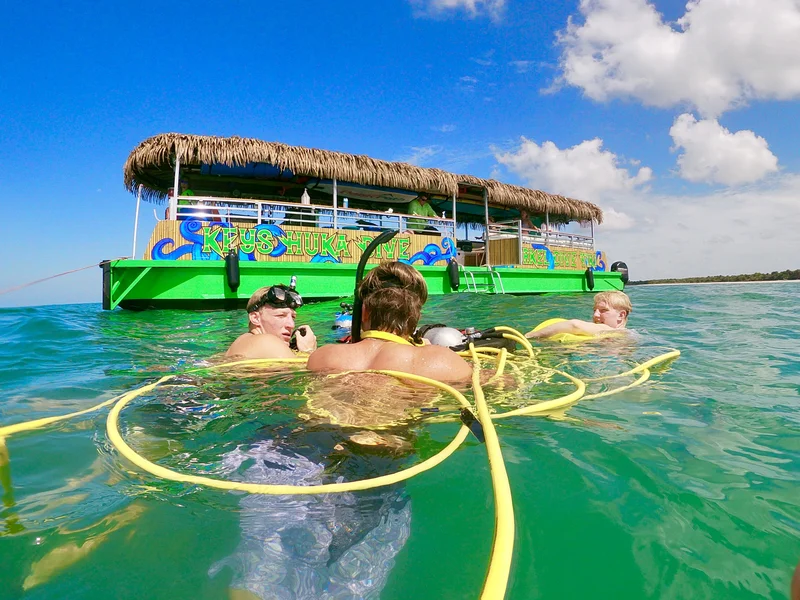
Today: 09:00 - 18:00
Nearest Airports
Nearest airports to help plan travel to this dive area.
Search Flights
Check available flights and routes on Expedia, using the nearby airports listed in this section.
Search Flights on Expedia
Plan Your Stay
Looking for a place to stay for your dive trip? Explore hotels, stays, and vacation rentals for dive groups near Sarasota.
Dive Navigator may earn a commission from these links at no extra cost to you.
Frequently Asked Questions
What types of dive sites can be explored near Gerkin (Bay)?
The area primarily features an extensive system of artificial reefs, including purpose-sunk vessels and historical shipwrecks. Many sites like the Oriskany aircraft carrier provide opportunities for both recreational and technical divers. It's a rich blend of history and thriving marine ecosystems.
What are the typical depths encountered at these dive sites?
Depths vary significantly, ranging from shallower deck sections suitable for recreational limits to maximum depths of 67 m (220 ft) on some wrecks. Divers can find options across a broad spectrum of experience levels, from introductory to advanced technical dives.
What are the general water temperatures and visibility conditions?
Water temperatures are often comfortable, typically in the low 80s F (27-28°C) for much of the year. Visibility generally ranges from 12 to 15 m (40 to 50 ft), though this can fluctuate with local conditions such as rainfall or currents.
When is the best time of year to dive around Gerkin (Bay)?
The dry season, from December through June, usually offers improved visibility. May, June, July, and September are indicated as excellent months due to favorable overall weather, including calmer surface conditions and lower wave heights. Diving is possible year-round, but conditions are often best during these periods.
What certifications are recommended for diving in this region?
A PADI Advanced Open Water Diver certification is a good starting point for many sites. For deeper sections or wreck penetrations, certifications like Deep Diver, Wreck Diver, Enriched Air Diver, Helitrox, or Trimix are highly recommended to ensure safety and competence.
Are currents a factor when diving near Gerkin (Bay)?
Yes, some dive sites may experience currents, and drift diving is sometimes utilized to cover sites or for decompression stops. Divers should plan for potential currents and always carry a Surface Marker Buoy (SMB) to ensure visibility to surface support.
What kind of marine life can divers expect to see?
The wrecks attract diverse life, including schools of pelagic fish and impressive goliath grouper patrolling the deeper areas. Various shark species are common sightings, along with eels, octopus, and lobster nestled within crevices. Corals have also colonized many artificial reefs, adding vibrant colors.
Planning to dive Gerkin (Bay)?
Send one inquiry and receive offers directly from the best verified local dive operators.
Conditions are Good
Optimal conditions expected
Current conditions near Gerkin (Bay) show 29° air, 31° sea temperature, 0.2 m waves, and 23 km/h wind. Forecast data is refreshed regularly to ensure accuracy.