
Diving at Glen Ayr (United States)
Glen Ayr offers a varied dive profile along the Hood Canal, catering to different skill levels with depths ranging from 6 m (20 ft) to approximately 40 m (130 ft). This site features distinct underwater topography, including deep walls and shallower rubble fields. Divers here can expect conditions characteristic of a Puget Sound fjord environment, making it suitable for both novice and experienced cold-water enthusiasts. The site provides shore and boat entry options.
The latest environmental reading at Glen Ayr indicates an air temperature of 11.5°C. The regional climate in United States is aligning with expected historical averages. Prepare your gear according to these specific local conditions.
Dive Site Location & Key Facts
Dive Site Overview
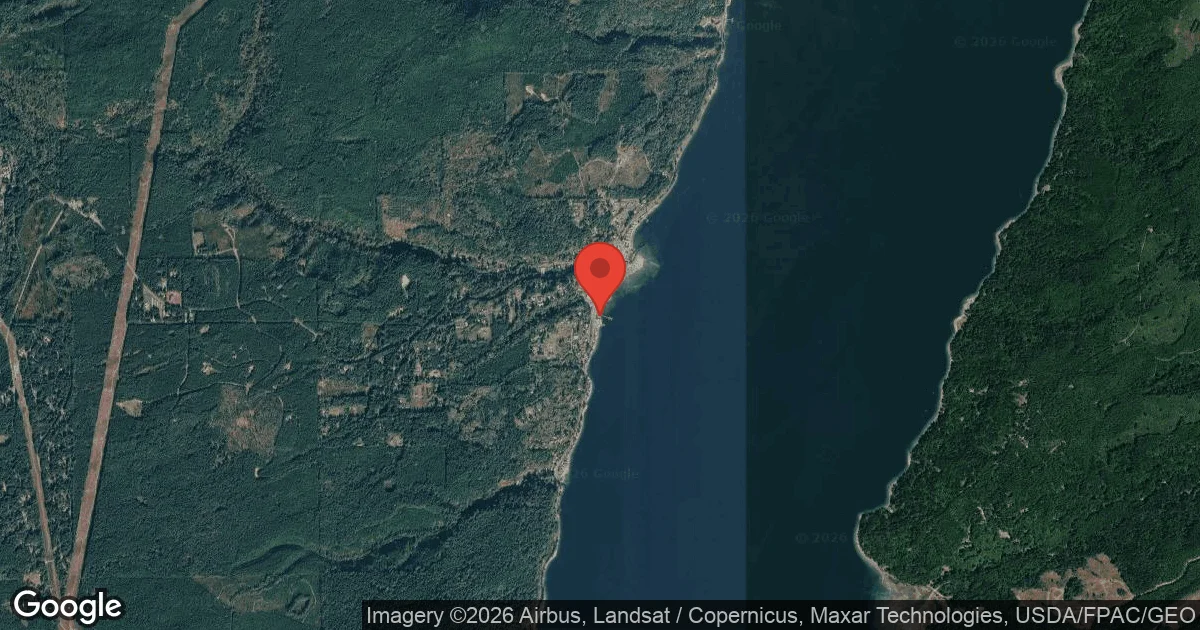
Glen Ayr's underwater landscape distinctly divides into two primary exploration zones, each offering a unique dive experience. North of the dock, divers will discover an impressive wall that descends sharply, reaching depths of 30 m (100 ft) or more.
This vertical face provides a challenging yet rewarding environment, particularly for advanced and technical divers keen on navigating deeper contours and exploring potential overhangs or crevices. Exploring its considerable length offers a sense of profound depth characteristic of the Hood Canal's fjord environment. Conversely, the areas immediately south of the dock transition into an expansive rubble field.
This shallower zone, generally remaining above 15 m (50 ft), is ideal for Open Water divers, offering ample opportunity for skill refinement and detailed observation. Its varied substrate—composed of rocks, shells, and detritus—creates numerous microhabitats perfect for macro photography enthusiasts searching for small, intricate marine life.
The site's inherent duality ensures a broad appeal; whether one seeks the thrill of a deep wall dive or the leisurely pace of a shallow critter hunt, Glen Ayr provides varied opportunities. Divers can easily spend a full day exploring both facets without feeling they've seen everything.
Conditions are Excellent
07:00 - 14:00
Optimal conditions expected
Current conditions near Glen Ayr show 12° air, --° sea temperature, N/A waves, and 15 km/h wind. Forecast data is refreshed regularly to ensure accuracy.
Best Time to Dive
Planning a dive at Glen Ayr benefits from understanding the seasonal climate patterns, particularly the warmer, drier summer months. July typically presents the most favorable conditions, with average air temperatures peaking around 20°C (68°F) and minimal rainfall, averaging just 0.17 mm. Spring and early autumn also offer good opportunities, as air temperatures remain pleasant, ranging from 9.5°C (49°F) in April to 16.5°C (62°F) in September. During these periods, rainfall is generally low, contributing to better visibility and a more comfortable topside experience. Winter months, while still rated as 'Good' for diving, see air temperatures drop to around 4.5-6.5°C (40-44°F) with significantly higher rainfall, reaching up to 11.26 mm in December.
PEAK SEASON SCORE
Scores combine air & water temps, waves, wind & rainfall for overall conditions.
BEST MONTHS TO DIVE
Monthly records compiled from satellite and marine observation nodes over the last 3 years. Data provided by Open-Meteo and MET Norway.
Dive Experience & Conditions
Accessing the water at Glen Ayr is convenient, with options for both shore and boat entry, allowing for flexible dive planning. Once submerged, divers will encounter conditions typical of a cold-water environment, which is not consistently reported but implied by recommended gear. The site caters to a wide range of certifications, from Open Water to Advanced. Shallower sections around 6 m (20 ft) are manageable for beginners, while the deeper wall to 40 m (130 ft) requires advanced training and proper cold-water equipment. Currents can vary, so assessing local conditions before entry is always advisable. Underwater visibility, like many fjord dives, depends on recent weather and marine activity.
Dive Difficulty & Safety Guidelines
Diving at Glen Ayr requires divers to possess an appropriate certification level for their intended depth, given the site's varied profile. Beginners can explore the shallower rubble fields, but those venturing to the 30 m (100 ft) wall sections should be Advanced Open Water certified or higher. It's important to monitor dive computer readings closely, especially when exploring deeper sections, to manage no-decompression limits.
While no specific site hazards are consistently reported in available data, divers should always practice safe diving protocols, including buddy system adherence and proper ascent rates. Keep an eye on local conditions, as currents can be present.
Recommended Equipment
Deep dive hazard. Increased narcosis and gas consumption risk.
- Dive Computer
- DSMB
- Primary & Backup Lights
This gear list is based on verified equipment signals for Glen Ayr, United States. Always confirm final gear choices with your dive operator, guide, or liveaboard.
Recommended Dive Suit
Forecast confidence is somewhat lower, with potential for varied conditions ahead.
Based on regional estimates and current weather, the likely required exposure protection is a thicker wetsuit or drysuit. Note that local currents and upwellings can alter this. Strong cold advisory: dress warmly immediately after exiting the water.
Because recent water temperature readings are not available for Glen Ayr, the guidance below is based mainly on current air conditions and seasonal expectations. Current surface air temperatures are roughly 12°C (53°F).
Due to technical issues with our weather providers, live updates are temporarily delayed. The data above reflects the conditions at the time of the last successful fetch.
Emergency & Medical Support
Essential information to help you plan your dive trip to Glen Ayr.

Hyperbaric chambers are a critical part of dive safety infrastructure. Availability varies significantly by region, and not all dive areas have immediate access.
Before diving, it's recommended to:
- confirm nearest medical facilities
- check emergency procedures with local dive operators
- ensure dive insurance covers evacuation if required
Divers Alert Network
Diving emergency assistance available through DAN World.
+1-919-684-9111- 24/7 emergency hotline
- Diving medical assistance
- Evacuation coordination
Emergency contacts are provided for reference. Always verify local emergency services before diving.
Marine Life at Glen Ayr
The underwater landscape at Glen Ayr provides diverse habitats, supporting a range of marine species across its different zones. Along the deeper walls, divers often encounter the impressive Giant Pacific Octopus, utilizing the rock formations as shelter.
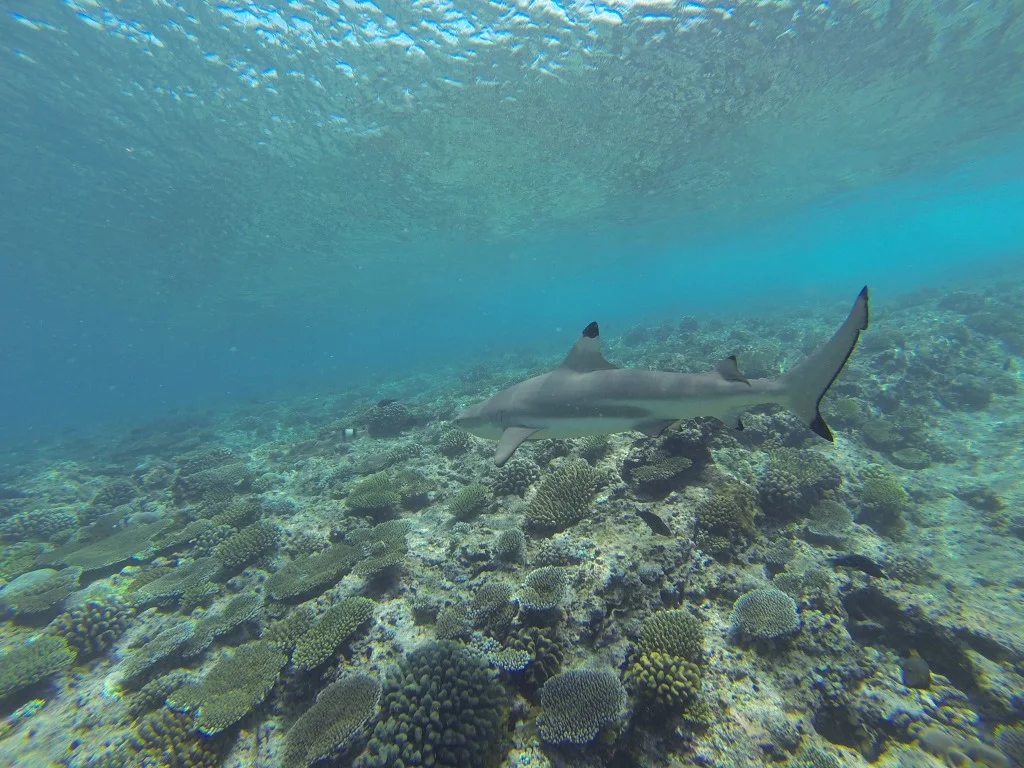
Moving towards the shallower rubble fields, macro photography enthusiasts will find ample subjects, with various smaller invertebrates and crustaceans inhabiting the substrate. While specific reports are limited, the fjord environment suggests potential sightings of local fish species and other characteristic Pacific Northwest marine life, including eels and certain shark species in deeper reaches.

Dive Sites Near Glen Ayr
View all dive sites in United StatesDiscover more underwater gems in this area.
Dive Centers Near Glen Ayr
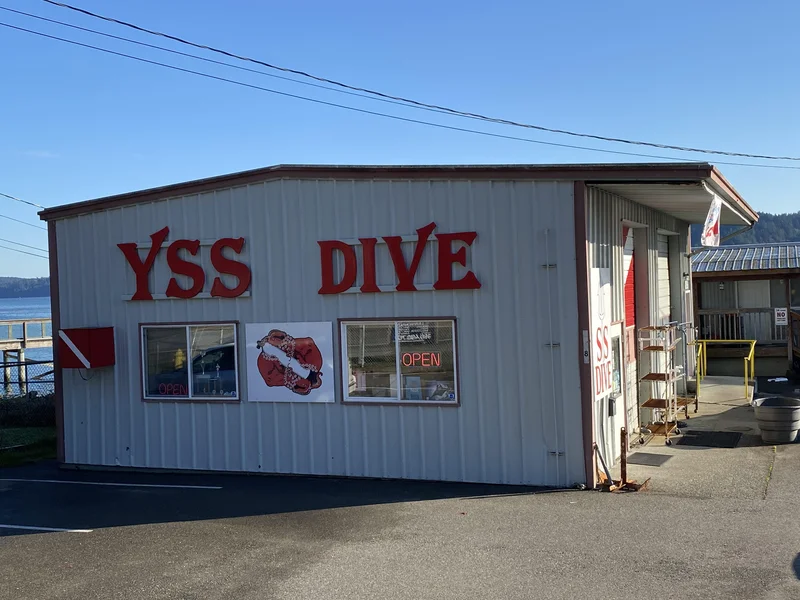
Today: 09:00 - 19:00
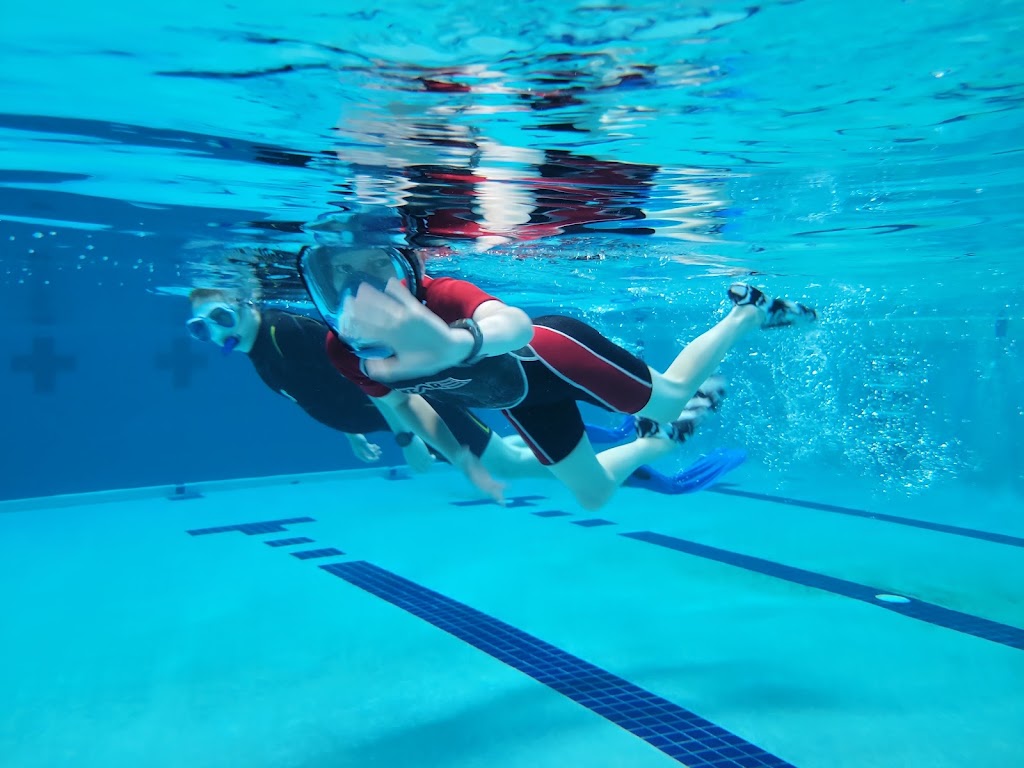
Nearest Airports
Nearest airports to help plan travel to this dive area.
Search Flights
Check available flights and routes on Expedia, using the nearby airports listed in this section.
Search Flights on Expedia
Plan Your Stay
Looking for a place to stay for your dive trip? Explore hotels, stays, and vacation rentals for dive groups near Union.
Dive Navigator may earn a commission from these links at no extra cost to you.
Frequently Asked Questions
Is Glen Ayr suitable for beginner divers?
Yes, Glen Ayr can accommodate beginners, particularly in the shallower rubble field areas south of the dock. These sections provide a safe and interesting environment for divers to practice skills and observe marine life without significant depth challenges. Always dive within your certification limits and consider guided options if new to cold-water diving.
What is the maximum depth at Glen Ayr?
The maximum reported depth at Glen Ayr varies, with some areas descending to approximately 40 m (130 ft) along the deep walls north of the dock. Shallower areas closer to shore are around 6 m (20 ft). Divers should plan their dives according to their training and comfort level.
Can I get my tanks filled at Glen Ayr?
No, tank fills are not available on-site at Glen Ayr. Divers can find tank filling services at YSS Dive in Hoodsport, which is just a short drive down the road from the resort.
What kind of marine life can I expect to see?
Divers at Glen Ayr frequently encounter the Giant Pacific Octopus, especially along the deeper wall structures. The shallower rubble fields are good for macro photography, revealing various smaller invertebrates. Eels and certain shark species have also been noted in the area.
Are there shore or boat entry options?
Both shore and boat entries are viable at Glen Ayr. The shore entry provides direct access to the site's varied topography, while a boat can offer more flexibility in reaching specific dive points along the wall.
When is the best time of year to dive at Glen Ayr?
The summer months, particularly July, offer the most pleasant conditions with higher air temperatures and minimal rainfall, contributing to better topside comfort. Spring and early autumn also provide good diving opportunities. Winter months are colder and wetter but still offer 'Good' dive scores.
Are strong currents a concern at this dive site?
Currents can vary at Glen Ayr, depending on tidal patterns and other environmental factors. It's always prudent for divers to check local current conditions and forecasts before entering the water. Planning dives around slack tide often provides the calmest conditions.
Planning to dive Glen Ayr?
Send one inquiry and receive offers directly from the best verified local dive operators.
Conditions are Excellent
07:00 - 14:00
Optimal conditions expected
Current conditions near Glen Ayr show 12° air, --° sea temperature, N/A waves, and 15 km/h wind. Forecast data is refreshed regularly to ensure accuracy.