
Diving at Flagpole Point (United States)
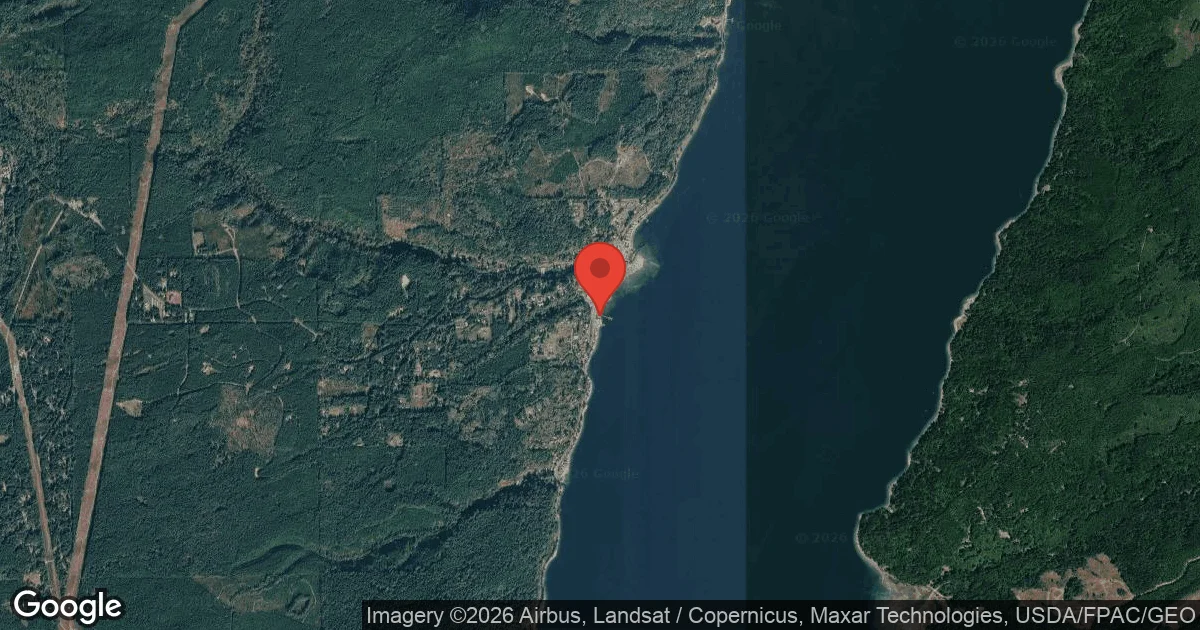
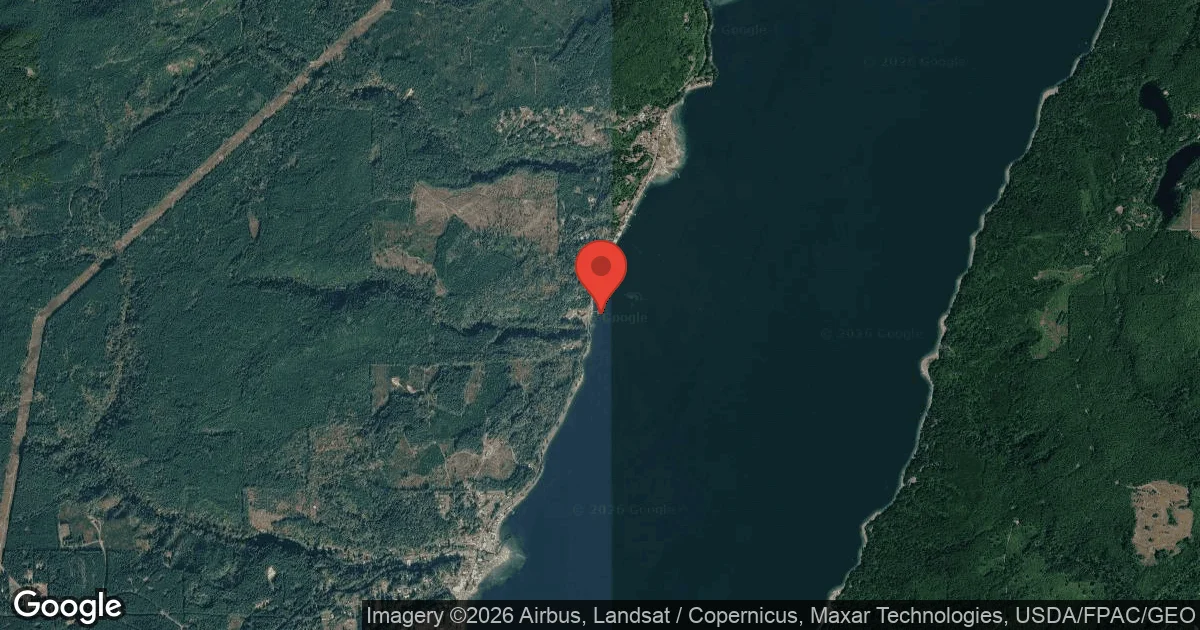
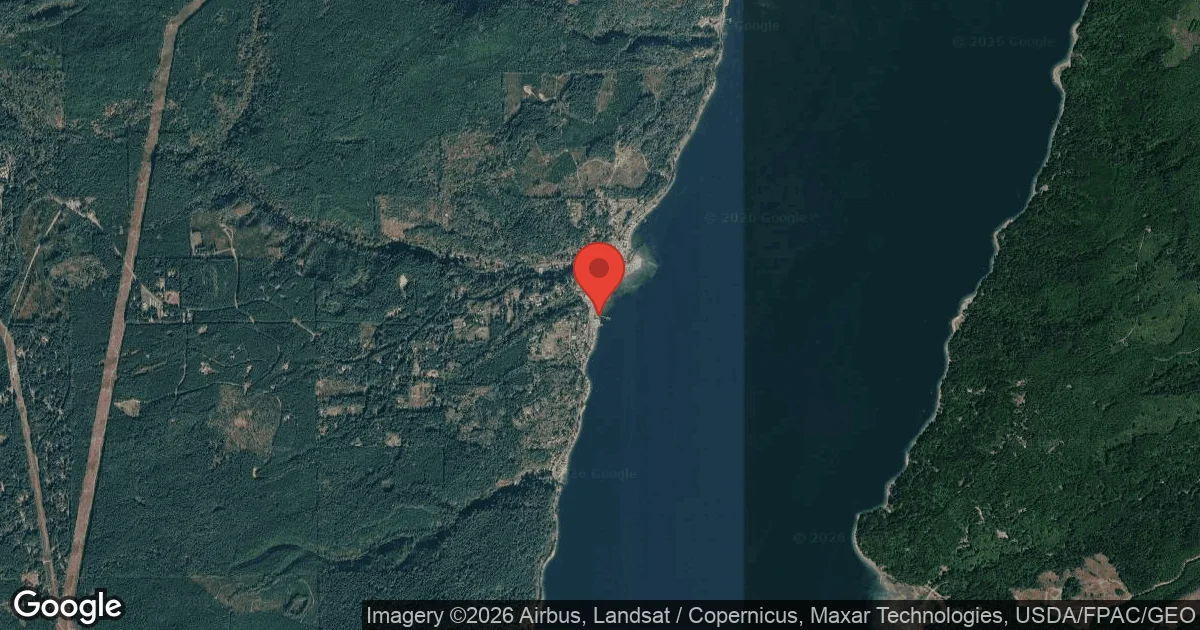
Navigating Flagpole Point requires diligent dive planning, as currents and boat traffic present significant considerations. Situated on the west side of Hood Canal, south of Triton Head, this site is identified by a prominent rocky outcropping. While a marker buoy can aid navigation, its absence necessitates patience and a depth sounder to locate the main reef. Divers must be prepared for conditions that challenge even experienced individuals.
Recent updates for Flagpole Point show an air temperature measuring 16.5°C. Overall water conditions reflect the typical seasonal state for United States. Please exercise standard safety precautions before entering the water.
Dive Site Location & Key Facts
Dive Site Overview
Flagpole Point offers divers a dynamic reef system, distinguished by a unique geological formation known as the 'knuckle.' This prominent rocky outcropping descends from approximately 20 m (65 ft) at its summit to 24-27 m (80-90 ft) at its base as it extends eastward. Deeper sections of the reef can reach up to 27-35 m (90-115 ft), suitable for advanced divers.
At the base of the knuckle, scattered boulders host large colonies of cloud sponges, also known as glass sponges, alongside schools of rockfish. The site is particularly recognized for its resident wolf eels and giant Pacific octopus, which inhabit numerous crevices within the rocky structure. To the south, the bottom transitions to a flat, silty expanse, while the north side is characterized by additional boulder fields.
Below the main point, further rocky reefs ascend to shallower depths of around 6 m (20 ft), providing ideal locations for safety stops.
Conditions are Excellent
07:00 - 14:00
Optimal conditions expected
Current conditions near Flagpole Point show 17° air, --° sea temperature, N/A waves, and 7 km/h wind. Forecast data is refreshed regularly to ensure accuracy.
Best Time to Dive
Considering the prevailing conditions, the summer and early fall months typically offer the most favorable diving opportunities at Flagpole Point. July and September often present excellent dive scores, with air temperatures averaging around 20°C (68°F) and 16.5°C (62°F), respectively. Rain activity is also at its lowest during these periods, with July reporting only 0.24 mm and September 2.42 mm. While other months maintain a 'Good' dive score, conditions can vary. Wind can significantly impact the surface, frequently whipping through Hood Canal. For safety and comfort, diving this site with a live boat is advisable, particularly during periods of increased wind activity. Water temperatures are not consistently reported but generally align with regional patterns.
PEAK SEASON SCORE
Scores combine air & water temps, waves, wind & rainfall for overall conditions.
BEST MONTHS TO DIVE
Monthly records compiled from satellite and marine observation nodes over the last 3 years. Data provided by Open-Meteo and MET Norway.
Dive Experience & Conditions
Descending into Flagpole Point, divers frequently encounter stratified visibility, a hallmark of Hood Canal. A freshwater layer at the surface can create murky conditions, with visibility sometimes dropping to just 1.5 meters or less in the top 9 to 12 meters due to plankton. Below this layer, visibility often improves significantly, potentially reaching 12 meters in deeper sections. A halocline, the barrier between fresh and salt water, is commonly present, and these layers can flow in different directions. Maintaining excellent buoyancy control is essential here; the pervasive Hood Canal silt can easily be disturbed, drastically reducing visibility. While tidal currents are generally mild, even during large exchanges, wind-driven surface currents can be more pronounced.
Dive Difficulty & Safety Guidelines
Flagpole Point is designated for advanced divers due to its depth, variable visibility, and potential currents. Exceptional buoyancy control is paramount to avoid stirring up the fine silt that blankets much of the site, which can obscure visibility for all divers. While tidal currents are typically mild, wind can create strong surface currents, making a live boat operation a safer approach.
Surface safety is also a critical concern; it's seldom safe for a diver to be on the surface away from shore without a large fluorescent SMB due to potential boat traffic. Dive charter operators often require presentation of your highest certification card and DAN Insurance card or number before departure, ensuring preparedness for this challenging site.
Recommended Equipment
- Dive Computer
This gear list is based on verified equipment signals for Flagpole Point, United States. Always confirm final gear choices with your dive operator, guide, or liveaboard.
Recommended Dive Suit
With water temperatures around 17°C (62°F), many divers find a a 5mm or thicker wetsuit provides comfortable protection.
Local dive briefings can provide the most accurate guidance.
Weather patterns are currently shifting, so expect some variability in conditions. Cooler days are ahead; you might want a warmer option for later in the week. A warmer option can provide additional comfort if conditions shift.
Emergency & Medical Support
Essential information to help you plan your dive trip to Flagpole Point.

Hyperbaric chambers are a critical part of dive safety infrastructure. Availability varies significantly by region, and not all dive areas have immediate access.
Before diving, it's recommended to:
- confirm nearest medical facilities
- check emergency procedures with local dive operators
- ensure dive insurance covers evacuation if required
Divers Alert Network
Diving emergency assistance available through DAN World.
+1-919-684-9111- 24/7 emergency hotline
- Diving medical assistance
- Evacuation coordination
Emergency contacts are provided for reference. Always verify local emergency services before diving.
Marine Life at Flagpole Point
The abundance of cloud sponges instantly captivates divers at Flagpole Point, flourishing in large colonies along the deeper reef sections. Exploring the myriad crevices throughout the rocky landscape often reveals the impressive forms of wolf eels and giant Pacific octopus.
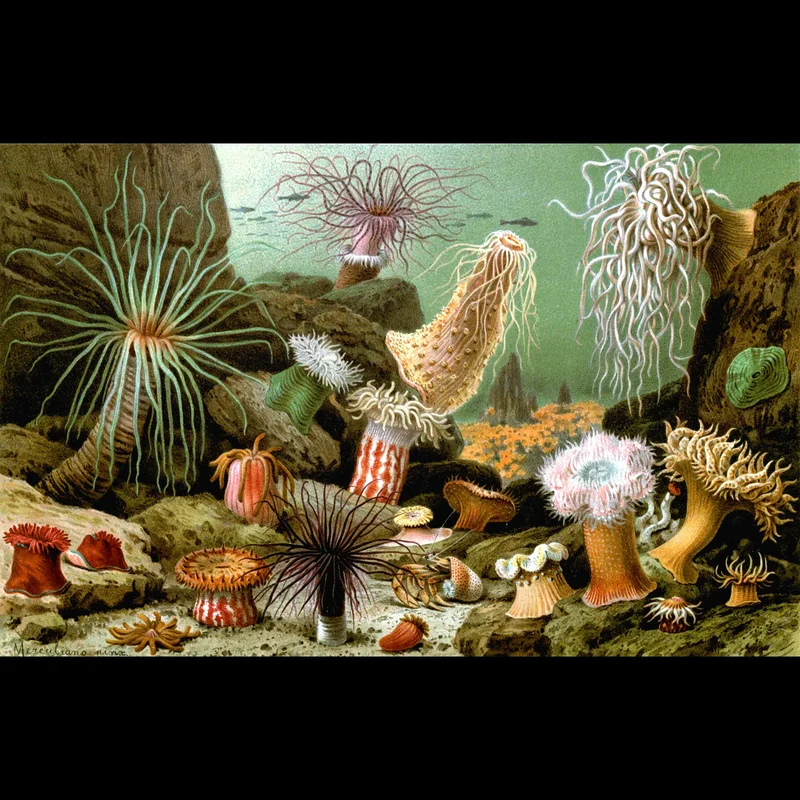
Healthy schools of rockfish frequently patrol the boulder fields, while smaller, vibrant spotfin sculpins and delicate sea whips add further color to the reef. Sea anemones are also observed here.
As a protected no-fishing zone, the site maintains a rich and varied ecosystem, allowing these creatures to thrive largely undisturbed.

Dive Sites Near Flagpole Point
View all dive sites in United StatesDiscover more underwater gems in this area.
Dive Centers Near Flagpole Point
Today: 09:00 - 19:00
Nearest Airports
Nearest airports to help plan travel to this dive area.
Search Flights
Check available flights and routes on Expedia, using the nearby airports listed in this section.
Search Flights on Expedia
Plan Your Stay
Looking for a place to stay for your dive trip? Explore hotels, stays, and vacation rentals for dive groups near Brinnon.
Dive Navigator may earn a commission from these links at no extra cost to you.
Frequently Asked Questions
How do I access Flagpole Point?
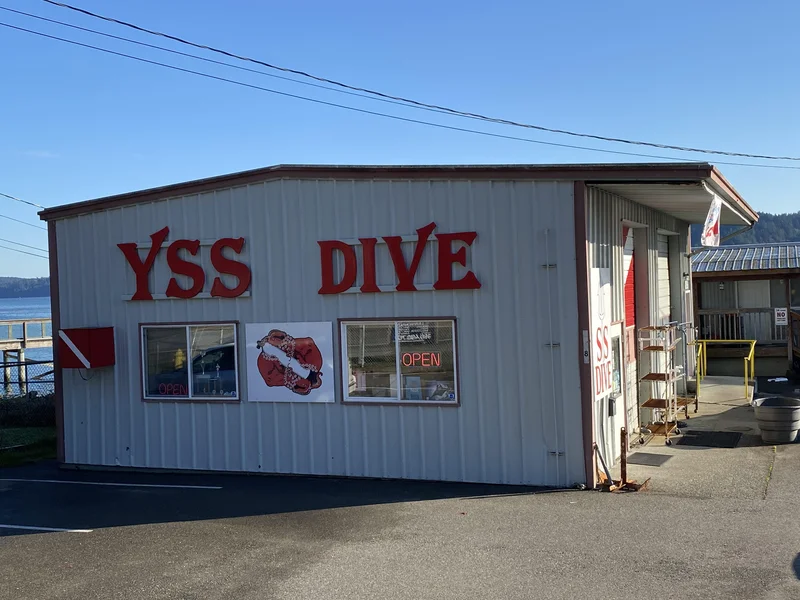
Flagpole Point is primarily a boat dive, often accessed via charters from locations like YSS Dive or Hood Canal Marina. While shore access is possible with a ~200-meter swim from Mike’s Beach Resort, boat diving is generally preferred due to currents and boat traffic.
What skill level is required for this dive site?
Advanced divers are recommended for this site. Its depth, potential for strong currents, and challenging visibility variations demand experienced individuals with excellent buoyancy control.
What marine life can I expect to see?
You can anticipate seeing large colonies of cloud sponges, wolf eels, and giant Pacific octopus. The site also hosts healthy schools of rockfish, spotfin sculpins, and sea whips, thriving in this protected no-fishing zone.
How is the visibility at Flagpole Point?
Visibility can vary significantly. A murky freshwater layer often reduces visibility in the top 9 to 12 meters. However, it generally improves markedly at deeper sections, potentially reaching 12 meters at max depth.
Are there strong currents at the site?
Most of Hood Canal south of Seabeck isn't dramatically affected by tidal current, so you'll normally encounter mild current. However, wind-driven surface currents can be strong, so divers should remain aware of conditions and consider a live boat operation.
What documentation do I need for a charter dive?
Charter operators typically require divers to present their highest level of certification card (e.g., Advanced, Rescue, Dive Master) and a DAN Insurance card or number before departure.
Planning to dive Flagpole Point?
Send one inquiry and receive offers directly from the best verified local dive operators.
Conditions are Excellent
07:00 - 14:00
Optimal conditions expected
Current conditions near Flagpole Point show 17° air, --° sea temperature, N/A waves, and 7 km/h wind. Forecast data is refreshed regularly to ensure accuracy.