
Diving at Jacob M Haskell (United States)
For any dive at Jacob M Haskell, prioritizing thorough local intel before entry is crucial. Given limited site-specific data, divers should always consult with local dive centers or experienced professionals familiar with the immediate area. This ensures you're prepared for prevailing conditions, potential hazards, and the most favorable access points, especially where direct site information remains less documented. Good planning enhances safety and the overall experience.
Evening condition tracking at Jacob M Haskell features an air temperature of 23°C. We have recorded wave heights measuring 1.1 m during this period. These figures outline the environmental parameters currently present.
Dive Site Location & Key Facts
Dive Site Overview
Exploring Jacob M Haskell invites divers to approach an area where comprehensive underwater details are not consistently reported, setting the stage for a dive experience centered on self-reliance and discovery. Without extensive specific site descriptions, each descent here encourages a meticulous approach to dive planning, relying heavily on real-time surface conditions.
Climate data suggests a range of possibilities throughout the year. Winter months from December to March often bring cooler air temperatures, typically between 4-7°C (39-45°F), accompanied by higher waves averaging over 2 m (7 ft) and stronger winds, which generally make diving challenging.
In contrast, the summer peaks in July with air temperatures reaching around 24°C (75°F), coupled with minimal rain and calmer waves averaging 1.2 m (4 ft). These calmer periods present the most practical windows for exploration, though water temperatures are not consistently reported and will likely require appropriate thermal protection.
A dive here is less about following a mapped route and more about assessing the environment and making informed decisions on the spot.
Conditions are Good
Optimal conditions expected
Current conditions near Jacob M Haskell show 23° air, 23° sea temperature, 1.3 m waves, and 37 km/h wind. Forecast data is refreshed regularly to ensure accuracy.
Best Time to Dive
Optimizing visibility at Jacob M Haskell largely aligns with periods of reduced wave activity and lower rainfall, which generally occur during the warmer months. Historically, July stands out as the prime diving window, benefiting from the highest average air temperature of 24.5°C (76°F) and the lowest average wave height at 1.2 m (3.9 ft). Reduced wave action typically correlates with less suspended sediment, contributing to clearer water. Other favorable months include June, August, and September, where air temperatures remain comfortable, ranging from 19-23°C (66-73°F). Rain levels are also at their lowest during this summer period, further enhancing the potential for better visibility and more stable surface conditions. Conversely, diving in late autumn and winter, from October through March, can be significantly impacted by higher average wave heights, often exceeding 2 m (7 ft), alongside increased wind speeds and colder air temperatures. These factors combine to frequently reduce underwater visibility and create more demanding conditions.
PEAK SEASON SCORE
Scores combine air & water temps, waves, wind & rainfall for overall conditions.
BEST MONTHS TO DIVE
Monthly records compiled from satellite and marine observation nodes over the last 3 years. Data provided by Open-Meteo and MET Norway.
Dive Experience & Conditions
Specific information regarding current dynamics at Jacob M Haskell is not consistently reported, requiring divers to exercise extra diligence in their pre-dive planning. While direct current data is limited, conditions will largely be influenced by local weather patterns, especially wave heights and wind speeds. During periods of higher wave activity, such as the cooler months when waves can average over 2 m (7 ft), stronger surge and currents might be expected, particularly closer to shorelines or prominent underwater structures. Conversely, the summer months, with their average wave heights of around 1.2 m (4 ft), suggest potentially milder conditions. Water temperatures are not available in the provided data, however, cooler average air temperatures for a significant portion of the year imply cold water diving is probable, necessitating appropriate thermal protection. Visibility will likely vary considerably based on these prevailing conditions, improving during calm periods and decreasing with rougher seas.
Dive Difficulty & Safety Guidelines
Approaching Jacob M Haskell for diving presents unique challenges due to the limited availability of detailed site-specific information. Divers must therefore prioritize self-sufficiency and conservative planning. Given the varying climate conditions, particularly the potential for significant wave action and cooler air temperatures outside peak summer months, careful assessment of sea state before entry is paramount.
It's advisable to always dive with a buddy, carrying appropriate signaling devices, and to be proficient in cold water diving techniques if water temperatures are indeed low, which is suggested by regional climate patterns. Seeking guidance from local dive operators or experienced residents is highly recommended to gain insights into specific entry and exit points, potential hazards not documented, and any localized currents. Never overestimate your abilities, and always have a contingency plan in place.
Recommended Equipment
- Dive Computer
This gear list is based on verified equipment signals for Jacob M Haskell, United States. Always confirm final gear choices with your dive operator, guide, or liveaboard.
Recommended Dive Suit
Thermal protection such as 3-5mm wetsuit is commonly used for water temperatures in this range. Consider warmer surface protection (like a boat coat) due to brisk winds.
Divers planning a dive at Jacob M Haskell today will likely encounter water temperatures close to 23°C (74°F). Surface air temperatures are resting at 23°C (74°F).
Current forecasts indicate relatively stable conditions for the coming days.
Emergency & Medical Support
Essential information to help you plan your dive trip to Jacob M Haskell.

Hyperbaric chambers are a critical part of dive safety infrastructure. Availability varies significantly by region, and not all dive areas have immediate access.
Before diving, it's recommended to:
- confirm nearest medical facilities
- check emergency procedures with local dive operators
- ensure dive insurance covers evacuation if required
Divers Alert Network
Diving emergency assistance available through DAN World.
+1-919-684-9111- 24/7 emergency hotline
- Diving medical assistance
- Evacuation coordination
Emergency contacts are provided for reference. Always verify local emergency services before diving.
Marine Life at Jacob M Haskell
Specific marine life highlights for Jacob M Haskell are not consistently reported, making it difficult to pinpoint exact species divers might encounter.
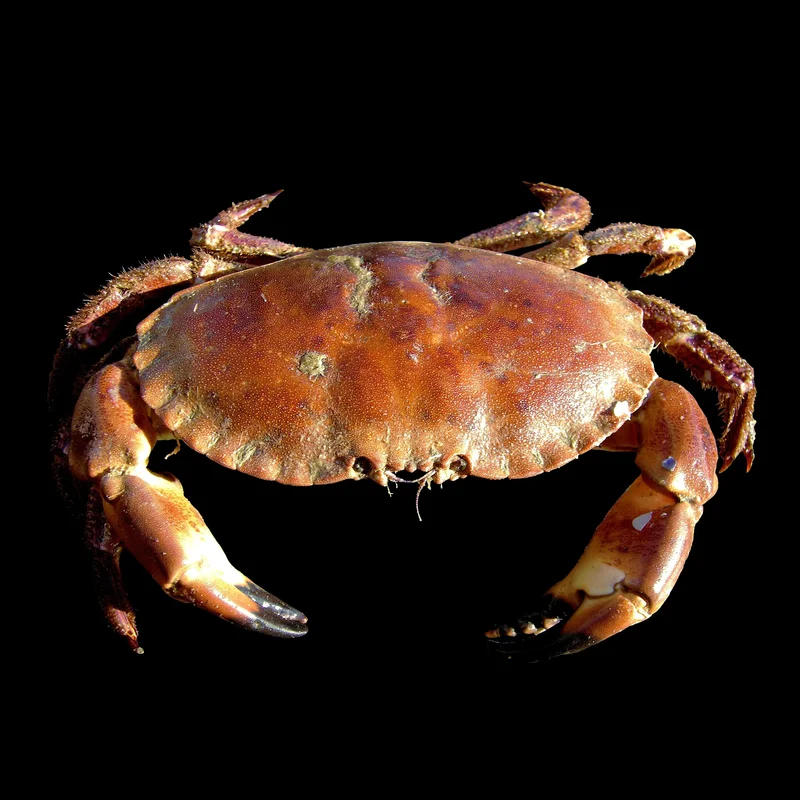
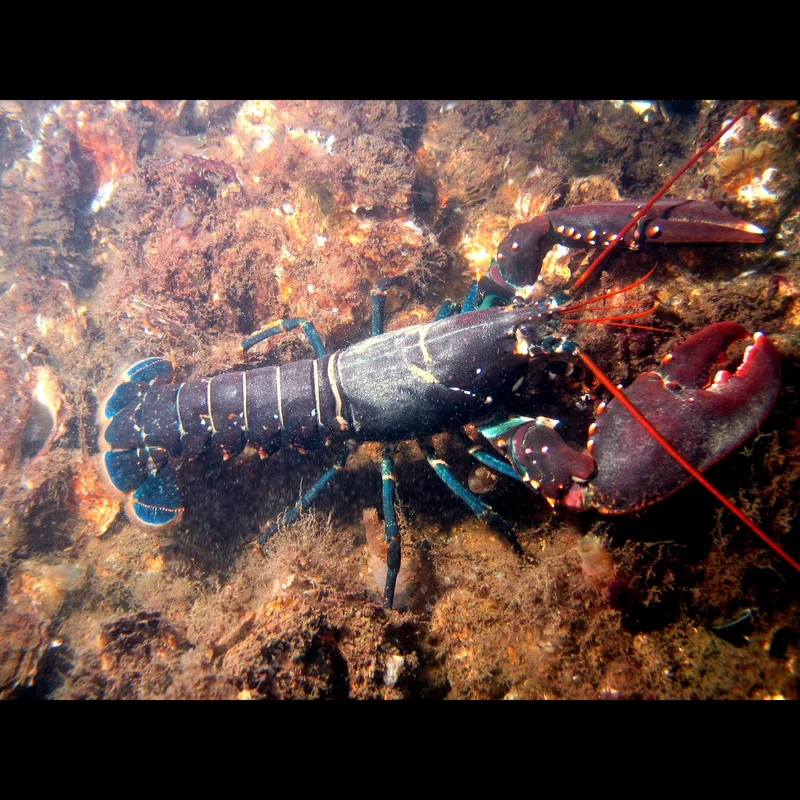
However, depending on its specific geographic features and underwater environment, temperate coastal waters in the United States often support a range of fascinating organisms. Divers in such areas might typically observe various temperate fish species, crabs, lobsters, and potentially a diverse array of invertebrate life clinging to rocky substrates or inhabiting kelp beds, if present.
Occasionally, larger migratory species could pass through deeper waters. Without specific observational data for this site, any marine life encountered will contribute to the ongoing understanding of this less-documented dive location.

Dive Centers Near Jacob M Haskell
Nearest Airports
Nearest airports to help plan travel to this dive area.
Search Flights
Check available flights and routes on Expedia, using the nearby airports listed in this section.
Search Flights on ExpediaFrequently Asked Questions
What is the best time of year to dive Jacob M Haskell?
The period from June through September generally offers the most favorable conditions. July specifically shows the highest average air temperature at 24.5°C (76°F) and the lowest average wave height, suggesting better surface conditions and potentially improved visibility.
What are the typical water conditions like?
While specific water temperature data is not available, regional climate patterns with cooler air temperatures for much of the year indicate that cold water diving is likely. Surface conditions, influenced by wave heights, can vary from calmer in summer (around 1.2 m / 4 ft average) to rougher in winter (over 2 m / 7 ft average).
Is special equipment needed for diving here?
Given the probable cold water and variable surface conditions, robust thermal protection like a drysuit or a thick wetsuit, along with appropriate cold-water regulators, would be highly recommended. Visibility can also fluctuate, so a reliable dive light could be beneficial even during daytime dives.
Are there known marine life attractions at this site?
Specific marine life highlights for Jacob M Haskell are not consistently reported. Divers exploring temperate coastal waters in the US might generally encounter various fish species, crabs, lobsters, and diverse invertebrates, but specific sightings for this location are undocumented.
What are the main safety considerations for diving Jacob M Haskell?
Key safety considerations include thorough pre-dive planning due to limited site information, vigilant monitoring of sea state, and diving within your certification and experience limits. Always dive with a buddy, and be prepared for potentially variable conditions.
How challenging is diving at Jacob M Haskell?
Diving here can be moderately challenging due to the lack of detailed site-specific data and the potential for variable weather and sea conditions, particularly outside of peak summer months. It requires self-reliance and good judgment in assessing real-time environmental factors.
Should I seek local guidance before diving Jacob M Haskell?
Absolutely. Consulting with local dive centers or experienced divers familiar with the area is strongly advised. Their insights into specific entry points, potential currents, and any localized hazards will be invaluable for a safer and more informed dive.
Planning to dive Jacob M Haskell?
Send one inquiry and receive offers directly from the best verified local dive operators.
Conditions are Good
Optimal conditions expected
Current conditions near Jacob M Haskell show 23° air, 23° sea temperature, 1.3 m waves, and 37 km/h wind. Forecast data is refreshed regularly to ensure accuracy.