
Diving at Johns Pass Bridge Load #19 (United States)
Diving near Johns Pass Bridge Load #19 demands a prepared and experienced approach, particularly for those accustomed to managing variable currents and navigating in dynamic environments. This site is best suited for certified divers who possess strong buoyancy control and situational awareness, especially given the potential for significant boat traffic in a busy pass. Understanding local conditions and adhering to robust safety protocols are crucial for a successful experience.
As evening covers Johns Pass Bridge Load #19, the local air temperature is measured at 27°C. The current wave height at the surface is recorded at 0.8 m. These late-day readings characterize the surface conditions for the night.
Dive Site Location & Key Facts
Dive Site Overview
For divers exploring the waters near Johns Pass, understanding the dynamic environment is key, especially when considering artificial structures like the Bridge Load #19. While specific dive details for this particular 'Load #19' are not consistently reported, artificial reefs and structures in coastal Florida typically attract a variety of marine life.
This area, located approximately 21 nautical miles northwest of John's Pass in Madeira Beach, Florida, serves as a departure point for known offshore wreck sites like the USCG Blackthorn, Sheridan Tug, and a Seafood Barge.
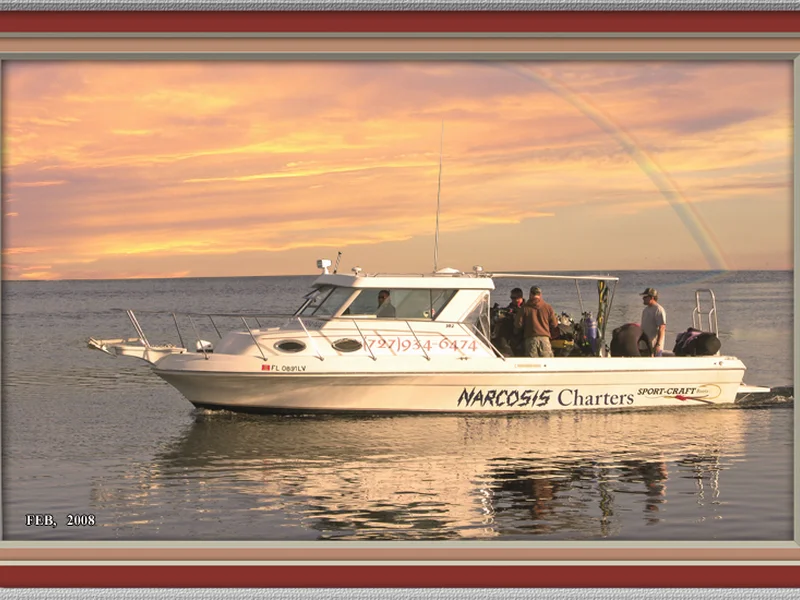
Therefore, divers venturing into the broader region should anticipate boat diving. Conditions may vary significantly, and strong currents can be a notable factor, often necessitating drift diving techniques.
The presence of fishing lines and tackle is a common concern around such structures, requiring careful navigation. Always be mindful of active boat traffic, which can pose a hazard.
Conditions are Good
07:00 - 14:00
Optimal conditions expected
Current conditions near Johns Pass Bridge Load #19 show 27° air, 31° sea temperature, 0.4 m waves, and 26 km/h wind. Forecast data is refreshed regularly to ensure accuracy.
Best Time to Dive
Optimal diving conditions in the Johns Pass area typically align with milder weather patterns and calmer seas. Monthly dive scores indicate 'Good' conditions for much of the year, particularly from February through July and again from September through December, with May, July, and November often scoring highest. Air temperatures are generally pleasant, ranging from a cooler 15°C (59°F) in January to warmer highs of 29°C (84°F) in August. Rainfall is relatively low for most months, although August sees a higher average of 7.9 mm (0.31 inches). Average wave heights generally remain below 1 meter (3.3 ft), with the calmest conditions observed in July and May. Water temperatures in the broader coastal region can range from about 15.5°C (60°F) in winter to 29.5°C (85°F) in summer, influencing thermal protection choices.
PEAK SEASON SCORE
Scores combine air & water temps, waves, wind & rainfall for overall conditions.
BEST MONTHS TO DIVE
Monthly records compiled from satellite and marine observation nodes over the last 3 years. Data provided by Open-Meteo and MET Norway.
Dive Experience & Conditions
Upon descent towards any artificial structures around Johns Pass, divers should prepare for a recreational depth range, though specific depths for the Bridge Load #19 are not widely documented. Visibility in the area is highly variable; it's not consistently reported, but often ranges from moderate to limited, depending on tidal flow, recent weather, and sediment disturbance. Currents can be significant in a pass environment, potentially adding considerable difficulty to the dive. Drift diving techniques are often employed to navigate these conditions effectively. Experienced divers may find the environment rewarding for its potential to aggregate marine species, despite the challenges. Always stay as shallow as conditions allow to maximize visibility and light.
Dive Difficulty & Safety Guidelines
Prioritizing safety measures is paramount when exploring near Johns Pass. Given the area's nature as a nautical thoroughfare and departure point, boat traffic can be considerable and poses a significant risk to divers. Deploying a signal marker buoy (SMB) and reel is strongly advised for every dive, ensuring surface visibility to boat captains.
Divers should also be aware of fishing lines and tackle that may entangle structures. Captains operating in this area should be experienced with local conditions, currents, and dive flag laws.
It's crucial for divers to know their breathing rate and plan appropriate tank capacity, especially when accounting for potential currents or extended navigation. Always respect other boaters and divers, and observe all dive flag regulations.
Recommended Equipment
- Dive Computer
This gear list is based on verified equipment signals for Johns Pass Bridge Load #19, United States. Always confirm final gear choices with your dive operator, guide, or liveaboard.
Recommended Dive Suit
Experienced divers often bring flexible gear options.
Divers exploring Johns Pass Bridge Load #19 today will likely encounter water temperatures close to 31°C (87°F). Surface air temperatures are resting at 27°C (80°F). Divers who spend longer periods underwater often choose dive skin or rash guard. Consider warmer surface protection (like a boat coat) due to brisk winds.
Current forecasts indicate relatively stable conditions for the coming days.
Due to technical issues with our weather providers, live updates are temporarily delayed. The data above reflects the conditions at the time of the last successful fetch.
Emergency & Medical Support
Essential information to help you plan your dive trip to Johns Pass Bridge Load #19.

Hyperbaric chambers are a critical part of dive safety infrastructure. Availability varies significantly by region, and not all dive areas have immediate access.
Before diving, it's recommended to:
- confirm nearest medical facilities
- check emergency procedures with local dive operators
- ensure dive insurance covers evacuation if required
Divers Alert Network
Diving emergency assistance available through DAN World.
+1-919-684-9111- 24/7 emergency hotline
- Diving medical assistance
- Evacuation coordination
Emergency contacts are provided for reference. Always verify local emergency services before diving.
Marine Life at Johns Pass Bridge Load #19
Within the vicinity of Johns Pass, artificial structures such as the Bridge Load #19 serve as crucial habitat, attracting a diverse array of marine life. These sites can become vibrant underwater cities, fostering biodiversity in areas where natural reef might be sparse.
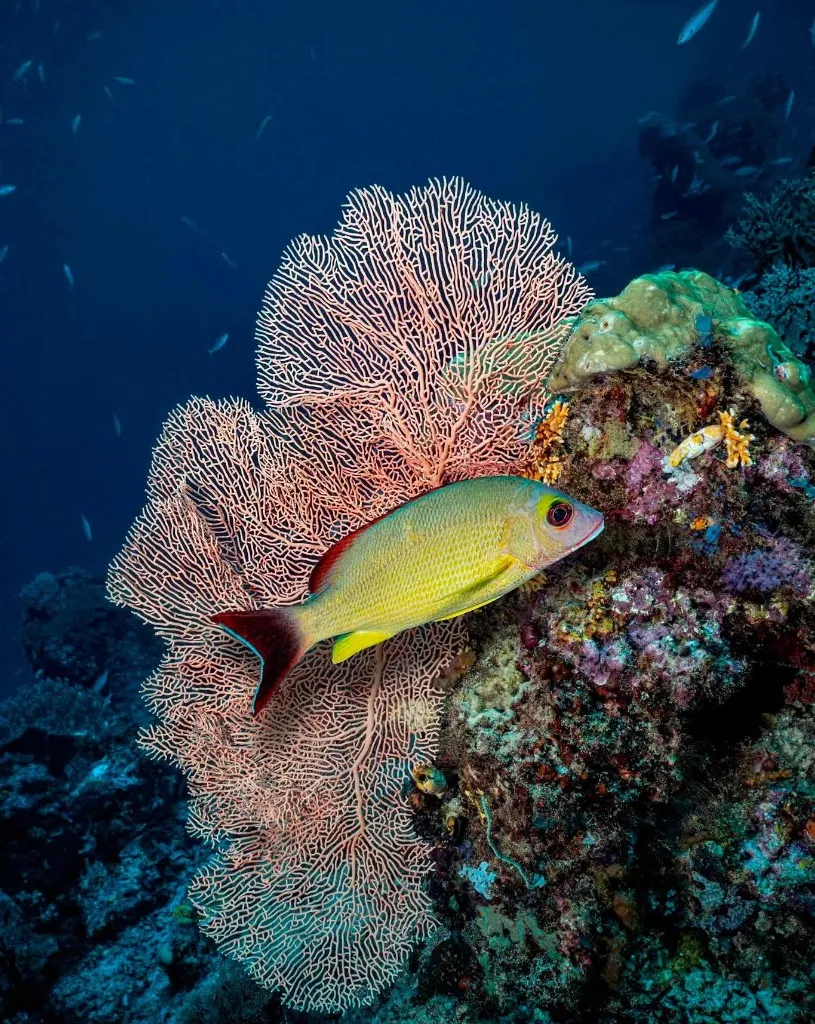
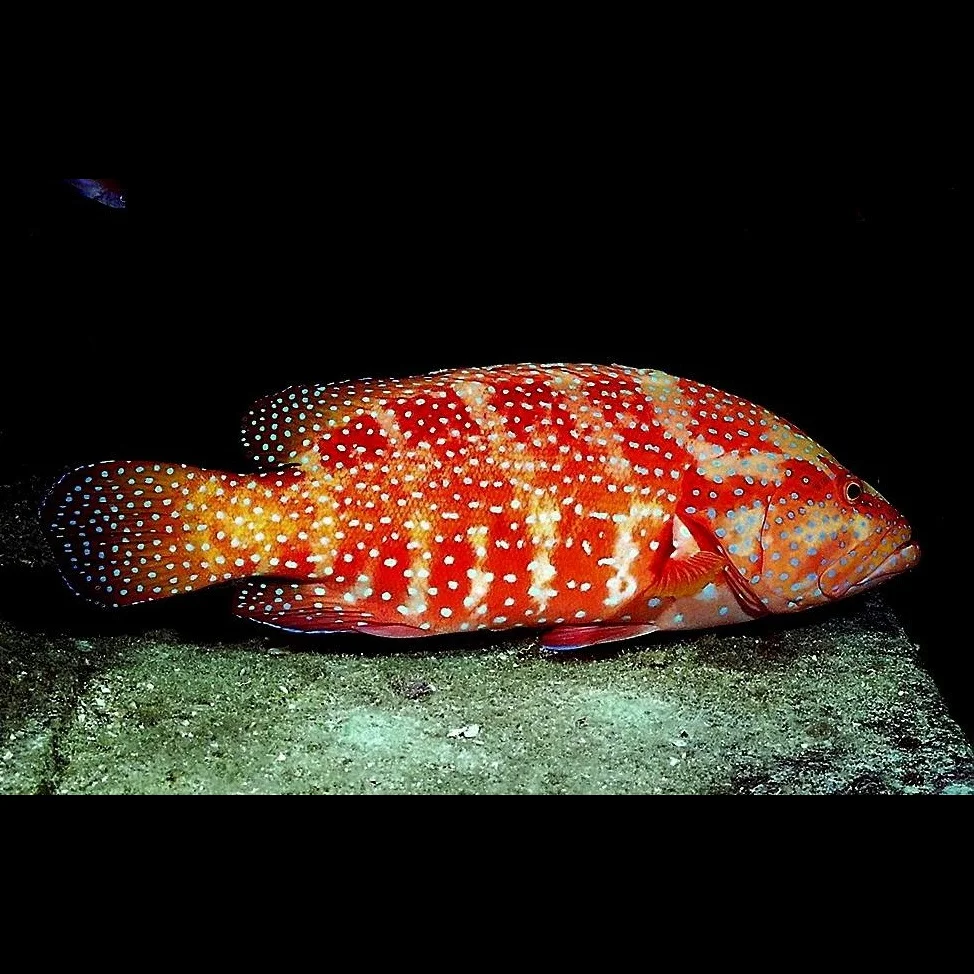
While specific species sightings for the Bridge Load #19 are not detailed, artificial reefs in the broader region are known to host various reef fish, including grouper, snapper, and hogfish.
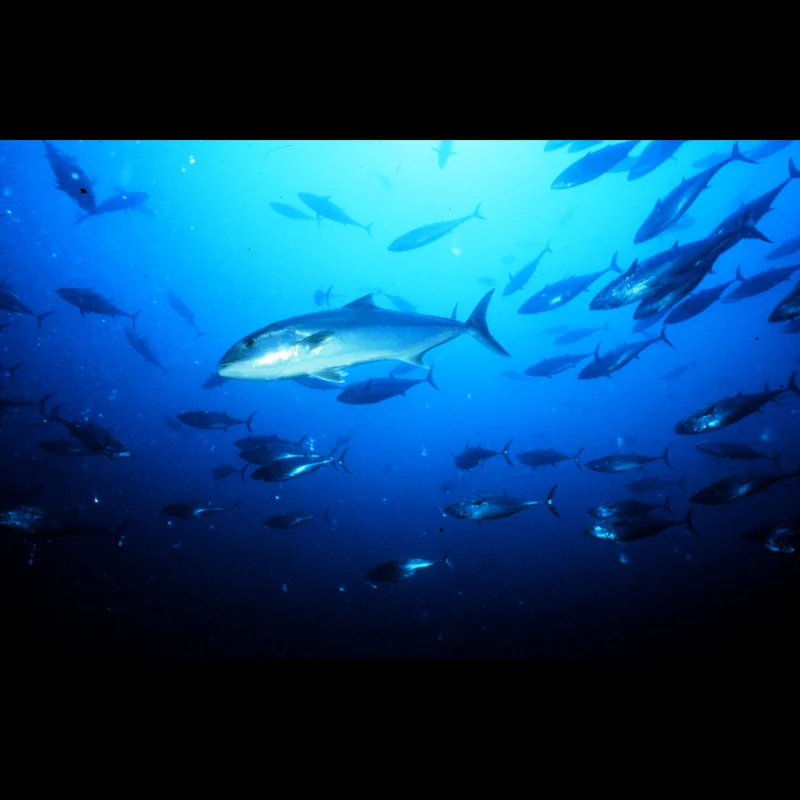
Additionally, these structures can draw in schooling baitfish, which in turn attract larger pelagic species like amberjack, kingfish, and cobia. The extent of marine life observed will likely vary with seasonal changes and local conditions.
Dive Centers Near Johns Pass Bridge Load #19
Today: 11:00 - 19:00
Nearest Airports
Nearest airports to help plan travel to this dive area.
Search Flights
Check available flights and routes on Expedia, using the nearby airports listed in this section.
Search Flights on Expedia
Plan Your Stay
Looking for a place to stay for your dive trip? Explore hotels, stays, and vacation rentals for dive groups near Indian Rocks Beach.
Dive Navigator may earn a commission from these links at no extra cost to you.
Frequently Asked Questions
What skill level is required to dive Johns Pass Bridge Load #19?
This dive is best suited for experienced divers comfortable with variable conditions, especially currents and boat traffic. Good buoyancy control and situational awareness are crucial.
What kind of marine life can I expect to see?
Artificial structures in the area generally attract various reef fish like grouper, snapper, and hogfish. You might also spot baitfish and larger pelagic species, but specific sightings depend on conditions and the time of year.
Are strong currents a concern at Johns Pass?
Yes, currents can be a significant factor, especially within a pass. Divers should be prepared for potential drift diving and plan their dives accordingly to manage these conditions.
What is the typical visibility at this site?
Visibility in the Johns Pass area is highly variable and not consistently reported. It can range from moderate to limited, influenced by tides, weather, and water clarity, so be prepared for changing conditions.
Is a deployable signal marker buoy (SMB) necessary?
Yes, carrying an SMB and reel is strongly recommended. Johns Pass is an active waterway with boat traffic, and an SMB ensures you are visible to surface vessels, enhancing safety.
What depths can be expected for diving Johns Pass Bridge Load #19?
Specific depth details for the Bridge Load #19 are not widely documented. However, dives on artificial structures in similar coastal areas typically fall within recreational dive limits.
Is Johns Pass Bridge Load #19 accessible from shore?
While John's Pass is a coastal area, the provided information suggests that diving on offshore artificial structures in the broader region, and potentially structures like the Bridge Load #19, generally requires boat access rather than a shore entry.
Planning to dive Johns Pass Bridge Load #19?
Send one inquiry and receive offers directly from the best verified local dive operators.
Conditions are Good
07:00 - 14:00
Optimal conditions expected
Current conditions near Johns Pass Bridge Load #19 show 27° air, 31° sea temperature, 0.4 m waves, and 26 km/h wind. Forecast data is refreshed regularly to ensure accuracy.