
Diving at Landing Craft-Sirotkin Reef (United States)
The foundation for the Landing Craft-Sirotkin Reef system originates from deliberate efforts spanning decades. Martin County's Artificial Reef Program, initiated in the 1970s by the "Reeftirees," actively secured and deployed various materials. These projects often utilized concrete debris from demolished structures, like the Evans Crary Bridge, and dedicated reef modules. Separately, the Georgia coast features a sunken landing craft, which, like the Sirotkin area's structured deployments, serves as a significant artificial habitat, attracting diverse aquatic life through human ingenuity.
As evening covers Landing Craft-Sirotkin Reef, the local air temperature is measured at 27°C. The current wave height at the surface is recorded at 1.5 m. These late-day readings characterize the surface conditions for the night.
Dive Site Location & Key Facts
Dive Site Overview
Encompassing a diverse underwater topography, the Landing Craft-Sirotkin Reef system is largely formed by intentionally deployed artificial structures. Off the coast of Georgia, a sunken landing craft provides a distinct focal point, its deteriorating hull attracting a variety of marine life and offering nooks for exploration.
In Martin County, Florida, the Sirotkin permitted reef area features multiple artificial reefs. Among these are the Hailey Glasrud Reef, a steel vessel, and various concrete rubble reefs within the Donaldson site. Local programs also utilize concrete bridge pieces, such as pilings and deck span sections, creating a complex, rugged environment that contrasts sharply with the surrounding seabed.
Reefs in the Sirotkin area have been strategically placed to form dive trails, connecting distinct features like the Railroad Tie reef and the Tetrahedron Black reef. This deliberate placement enhances the diving experience, allowing for extended exploration of multiple structures during a single outing.
Across this combined system, depths typically range from shallower sections down to a maximum recreational depth of 30 m (100 ft). Many of the newer concrete reef modules were deployed between 16.7 and 18.3 m (55 and 60 ft), while other established Sirotkin reefs extend deeper to 21.3-24.4 m (70-80 ft).
Such an extensive network of artificial structures provides abundant shelter and surfaces for colonization, effectively transforming barren seafloors into vibrant underwater ecosystems suitable for both experienced divers and those seeking intermediate challenges.
Conditions are Good
07:00 - 14:00
Optimal conditions expected
Current conditions near Landing Craft-Sirotkin Reef show 27° air, 29° sea temperature, 0.8 m waves, and 16 km/h wind. Forecast data is refreshed regularly to ensure accuracy.
Best Time to Dive
Determining the optimal time to visit the Landing Craft-Sirotkin Reef involves balancing diverse seasonal conditions. Summer months, particularly from May through September, generally offer the most favorable diving conditions. During this period, average air temperatures range comfortably from 26°C to 28.5°C (79-83°F), accompanied by minimal average rainfall, typically between 2.3 and 3.5 mm. Dive scores are consistently rated "Good," indicating stable weather and calmer seas. May, June, July, and August show high scores, with September remaining a strong contender before conditions shift. As autumn progresses, a noticeable contrast emerges; October is generally considered a poor month for diving, primarily due to increased wave heights averaging 1.6 m (5.2 ft) and higher average rainfall, around 6.33 mm. Winter and early spring months, from November to April, fall into the "Moderate" dive score category. Air temperatures during these cooler months range from 20.5°C to 24.5°C (69-76°F). While still diveable, divers should anticipate choppier conditions and larger swells, averaging 1.2 to 1.4 m (3.9-4.6 ft), making the summer window decidedly more appealing for predictable and comfortable excursions.
PEAK SEASON SCORE
Scores combine air & water temps, waves, wind & rainfall for overall conditions.
BEST MONTHS TO DIVE
Monthly records compiled from satellite and marine observation nodes over the last 3 years. Data provided by Open-Meteo and MET Norway.
Dive Experience & Conditions
Divers exploring these artificial reef systems will encounter varying conditions depending on the specific structures and locations. Much of the dive experience unfolds in the shallower recreational range, though some sites extend to deeper sections. Visibility is generally mild, allowing divers to appreciate the intricate details of the wrecks and concrete modules. Currents are not consistently reported as strong, but conditions can fluctuate with local weather patterns. Surge can also be a factor, particularly in shallower areas or during stronger winds. Water temperatures exhibit a significant seasonal range. During summer, from May to September, expect comfortable water temperatures between 22.0 and 28°C (72-82°F). However, winter months see a substantial drop, with temperatures falling to 8-12°C (46-54°F). These cooler temperatures necessitate appropriate thermal protection. Given the maximum depth of 30 m (100 ft) for some landing craft sites and the rugged nature of the artificial reefs, an intermediate certification level is generally recommended to safely navigate the environment.
Dive Difficulty & Safety Guidelines
Approaching the Landing Craft-Sirotkin Reef requires adherence to standard diving safety protocols, particularly given the nature of artificial reef structures. While specific hazards are not consistently reported, divers should always be mindful of potential entanglement risks from fishing lines or loose debris commonly found on artificial structures. Proper buoyancy control is essential to avoid disturbing the fragile ecosystems and to prevent accidental contact with sharp edges on concrete or metal wreckage.
The "Intermediate" difficulty rating for these sites suggests that a minimum of an Advanced Open Water certification, or equivalent experience in deeper artificial reef environments, is advisable. Always dive within your training and comfort limits.
Planning dives carefully, considering the potential for mild visibility fluctuations and occasional surge, ensures a safer experience. Diving with a reliable buddy and carrying appropriate safety equipment, such as a dive knife and surface marker buoy, are prudent measures for these dynamic underwater landscapes.
Recommended Equipment
- Dive Computer
This gear list is based on verified equipment signals for Landing Craft-Sirotkin Reef, United States. Always confirm final gear choices with your dive operator, guide, or liveaboard.
Recommended Dive Suit
For relaxed exploration dives, dive skin or rash guard generally provides adequate warmth. Consider warmer surface protection (like a boat coat) due to brisk winds. Those diving at Landing Craft-Sirotkin Reef today will likely encounter water temperatures in the region of 29°C (85°F). Surface air temperatures are resting at 27°C (81°F).
Forecast trends indicate similar diving conditions over the next few days.
A diver's personal tolerance to cold water can play a large role in suit selection.
Due to technical issues with our weather providers, live updates are temporarily delayed. The data above reflects the conditions at the time of the last successful fetch.
Emergency & Medical Support
Essential information to help you plan your dive trip to Landing Craft-Sirotkin Reef.

Hyperbaric chambers are a critical part of dive safety infrastructure. Availability varies significantly by region, and not all dive areas have immediate access.
Before diving, it's recommended to:
- confirm nearest medical facilities
- check emergency procedures with local dive operators
- ensure dive insurance covers evacuation if required
Divers Alert Network
Diving emergency assistance available through DAN World.
+1-919-684-9111- 24/7 emergency hotline
- Diving medical assistance
- Evacuation coordination
Emergency contacts are provided for reference. Always verify local emergency services before diving.
Marine Life at Landing Craft-Sirotkin Reef
The rugged underwater landscape of the Landing Craft-Sirotkin Reef serves as a crucial habitat, attracting a diverse array of marine species to its artificial structures. Within the crevices and along the surfaces of the sunken landing craft and concrete modules, divers frequently observe various fish species seeking shelter and foraging opportunities.
This artificial environment supports the growth of encrusting organisms, providing a food source and nursery grounds. Schools of baitfish often congregate around the structures, which in turn draws in larger predatory fish.
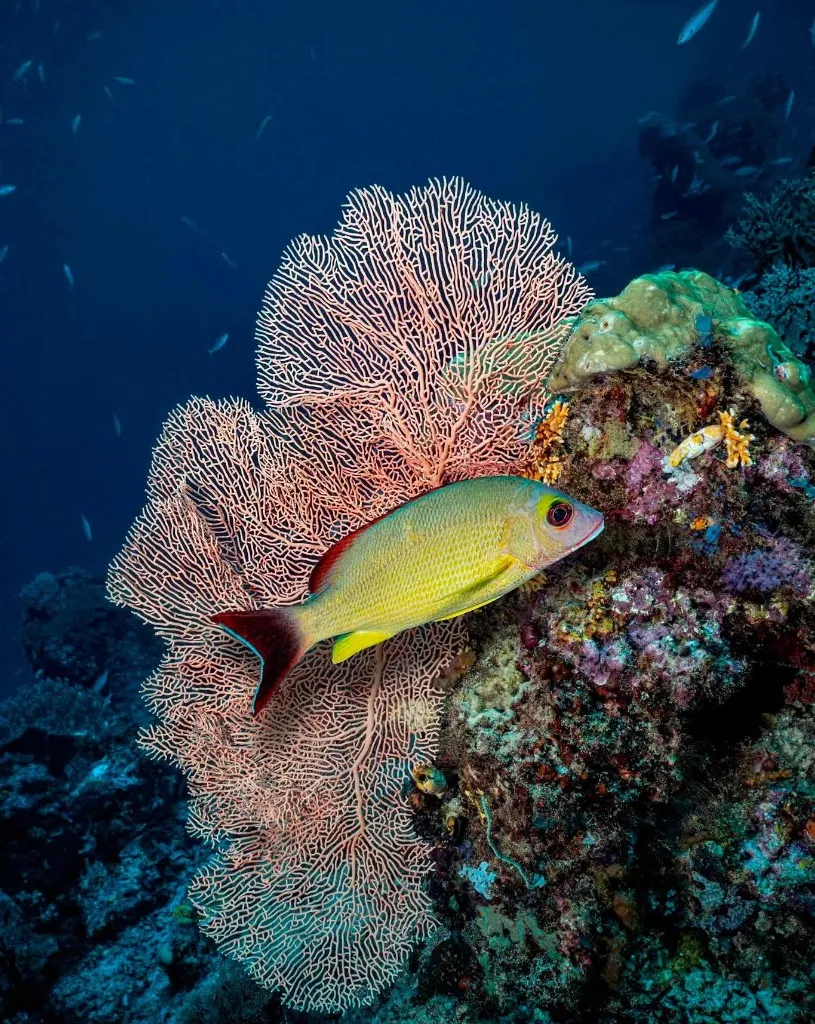
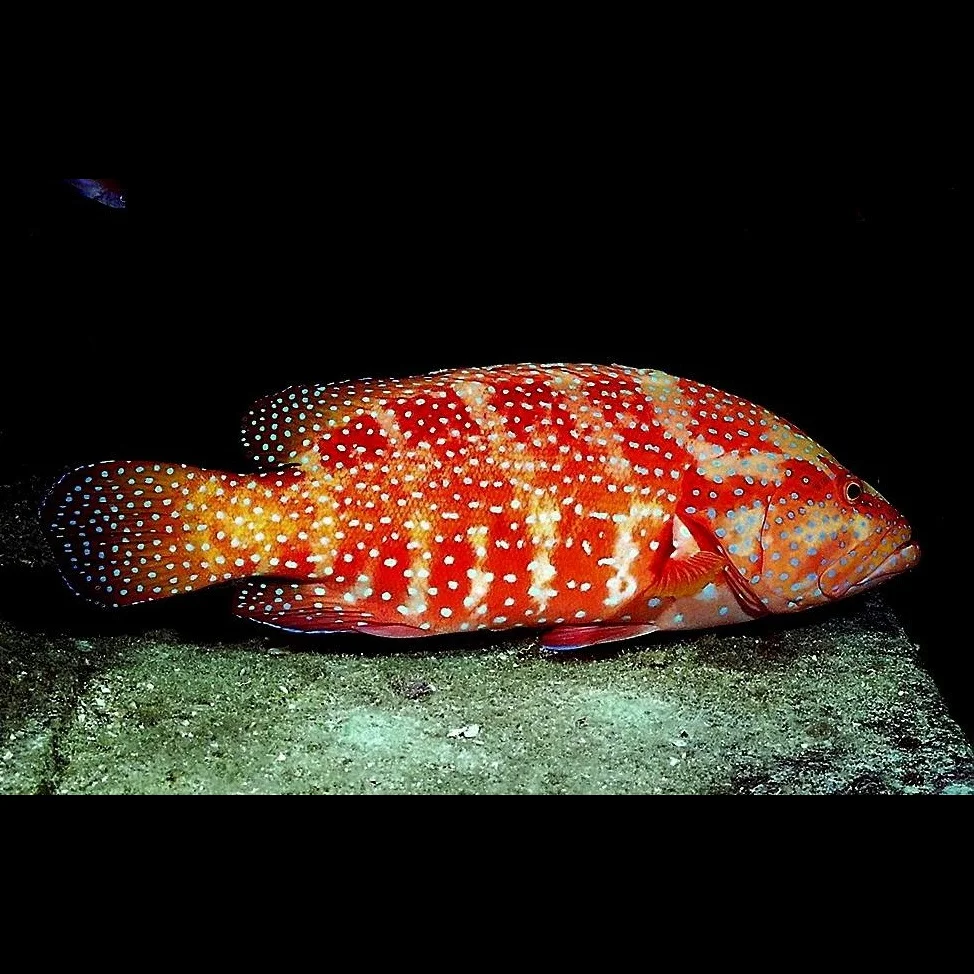
Expect to see different types of reef fish, potentially including snapper, grouper, and various invertebrates adapting to these human-made habitats.
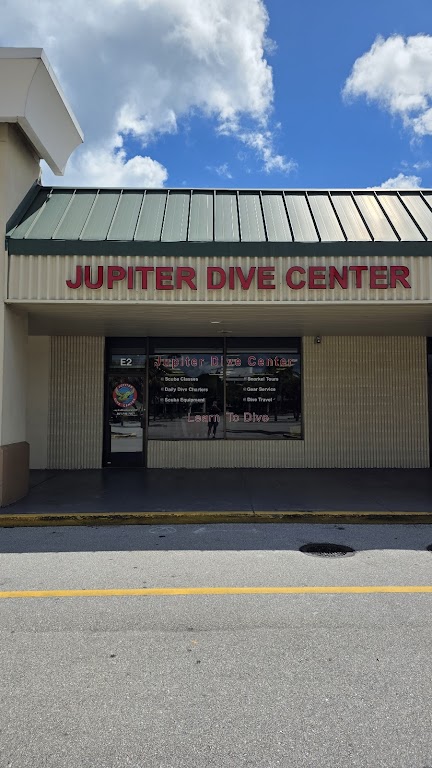
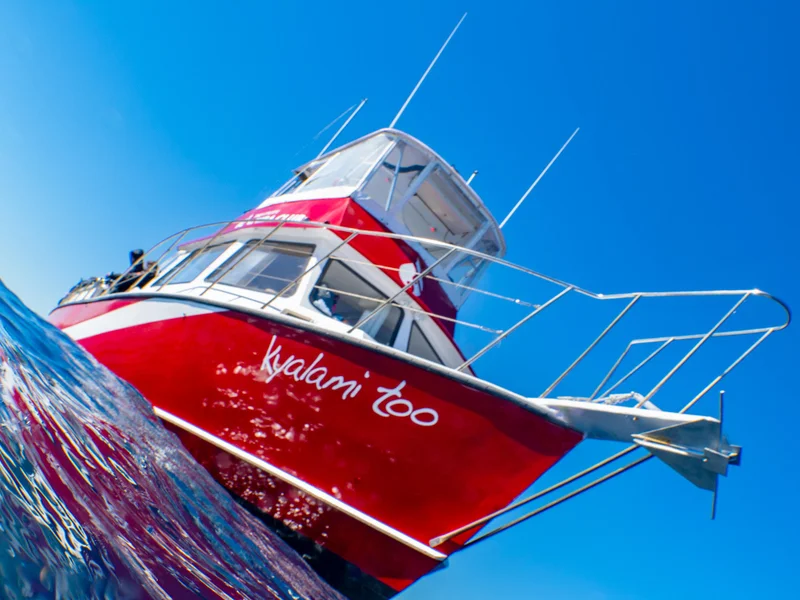
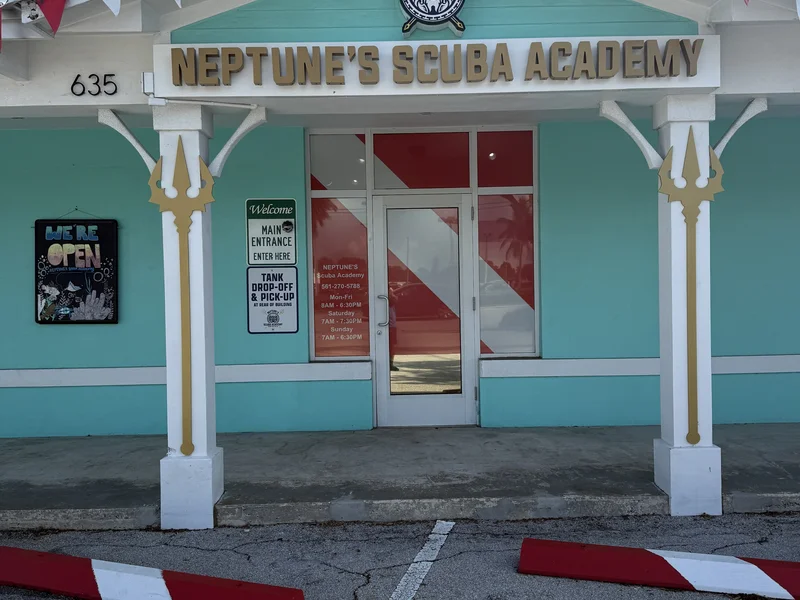
Dive Centers Near Landing Craft-Sirotkin Reef
Today: 10:00 - 18:00
Nearest Airports
Nearest airports to help plan travel to this dive area.
Search Flights
Check available flights and routes on Expedia, using the nearby airports listed in this section.
Search Flights on Expedia
Plan Your Stay
Looking for a place to stay for your dive trip? Explore hotels, stays, and vacation rentals for dive groups near Sewall's Point.
Dive Navigator may earn a commission from these links at no extra cost to you.
Frequently Asked Questions
What is the primary attraction of the Landing Craft-Sirotkin Reef?
The main draw is its collection of artificial reef structures, including a sunken landing craft and various concrete deployments. These features create complex habitats that attract a wide array of marine life for divers to observe.
What are the typical dive depths at this site?
Dive depths generally range from shallower sections down to a maximum recreational depth of 30 m (100 ft). Many of the artificial modules are found between 16.7 and 24.4 m (55 and 80 ft).
When is the best time of year to dive here?
The most favorable period for diving is typically from May to September. During these months, conditions are generally calmer with warmer air and water temperatures, making for more comfortable excursions.
What kind of visibility can divers expect?
Visibility at the Landing Craft-Sirotkin Reef is generally described as mild. Conditions can vary, so always check local reports before your dive to manage expectations.
Are there currents to consider during a dive?
Strong currents are not consistently reported at this site, but conditions can fluctuate. Divers should always be prepared for potential mild currents and occasional surge, especially in shallower areas.
What certification level is recommended for these dives?
An "Intermediate" difficulty rating is given for these sites. A minimum of an Advanced Open Water certification or equivalent experience in similar environments is generally advisable for safe and enjoyable exploration.
What kind of marine life might I encounter?
These artificial reefs attract diverse marine species, including various reef fish like snapper and grouper, along with schools of smaller baitfish. Invertebrates also colonize the structures, contributing to the site's biodiversity.
Planning to dive Landing Craft-Sirotkin Reef?
Send one inquiry and receive offers directly from the best verified local dive operators.
Conditions are Good
07:00 - 14:00
Optimal conditions expected
Current conditions near Landing Craft-Sirotkin Reef show 27° air, 29° sea temperature, 0.8 m waves, and 16 km/h wind. Forecast data is refreshed regularly to ensure accuracy.