
Diving at Mexico Beach Site (United States)
Exploring Mexico Beach's extensive underwater landscape presents a rewarding challenge for certified divers. This Gulf of Mexico destination offers nearly 300 artificial reefs, alongside natural hard bottom structures, creating a diverse dive environment. Depths range considerably, from 6 m (20 ft) in shallower areas to depths of 36.5 m (120 ft) offshore. Each dive demands careful planning to navigate the variety of submerged structures and discover their rich ecosystems.
Tonight's objective overview for Mexico Beach Site shows an air temperature of 27.5°C. The measured surface conditions include wave heights around 0.6 m. This environmental data is logged for the close of the day.
Dive Site Location & Key Facts
Dive Site Overview
Descending into the waters off Mexico Beach reveals a meticulously cultivated and naturally forming underwater world. Here, an impressive network of nearly 300 artificial reefs, developed by the Mexico Beach Artificial Reef Association (MBARA) since 1997, complements existing natural hard coral and rock formations.
Divers encounter a mosaic of purpose-built structures including Reef Balls, Reef Pyramids, and 10-foot-tall Reef Maker modules, alongside historical elements like barges, tugboats, shrimp boats, towers, and even concrete mixer trucks. These varied sites, typically situated anywhere from 2 to 30 miles offshore, provide diverse habitats across the Gulf. Water conditions often feature clear visibility and generally warm temperatures; however, specific thermocline data for all months is not consistently reported.
With depths spanning from 6 m (20 ft) in shallower sections to 36.5 m (120 ft) at deeper offshore sites, the area caters to a broad spectrum of diving proficiencies, offering extensive exploration opportunities across its vibrant ecosystems. This commitment to reef development not only enhances marine biodiversity but also contributes significantly to the local fishing economy, underscoring the importance of these underwater structures for both recreation and conservation.
Conditions are Excellent
07:00 - 14:00
Optimal conditions expected
Current conditions near Mexico Beach Site show 28° air, 30° sea temperature, 0.3 m waves, and 19 km/h wind. Forecast data is refreshed regularly to ensure accuracy.
Best Time to Dive
Planning your dive for optimal visibility typically aligns with periods of lower rainfall and calmer seas. The spring and fall months, specifically April through November, generally present favorable conditions. During these months, average air temperatures range from around 20.5°C (69°F) in April to a peak of 28°C (82°F) in August, before mellowing to 17.5°C (64°F) in November. Rainfall tends to be lower in October, averaging approximately 1.3 mm, contributing to clearer waters. Although consistent water temperature data isn't available, the general trend indicates warm conditions during the summer and early fall, influenced by the regional climate. Conversely, winter months like January see average air temperatures around 11°C (52°F) and higher wave heights, which can reduce underwater visibility. Focusing on the calmer, drier seasons enhances the overall dive experience, making it easier to appreciate the intricate reef structures and marine inhabitants.
PEAK SEASON SCORE
Scores combine air & water temps, waves, wind & rainfall for overall conditions.
BEST MONTHS TO DIVE
Monthly records compiled from satellite and marine observation nodes over the last 3 years. Data provided by Open-Meteo and MET Norway.
Dive Experience & Conditions
A typical descent at Mexico Beach immediately reveals a diverse underwater topography. Recreational depths, often explored on local tours, range from approximately 15 m to 24 m (50-78 ft). Here, divers might first encounter the hard rock bottom characteristic of natural reefs, interspersed with the deliberate geometric shapes of artificial reef modules. Moving deeper or further offshore, the landscape transforms to include larger artificial structures like sunken barges or tugboats. The waters here are generally clear, enabling good visibility of the reef formations and inhabitants, though conditions can vary with weather and currents. While warm waters are commonly experienced, particularly during warmer air temperature months, specific seasonal water temperature ranges are not consistently reported. Surface conditions can influence the ease of entry and exit, with average wave heights typically lower during summer and early fall months. Always check local reports before planning your dive.
Dive Difficulty & Safety Guidelines
Approaching a dive in Mexico Beach's expansive reef system requires a commitment to safety and adherence to established guidelines. All divers must present proof of certification for local tours, ensuring preparedness for the varied conditions. Dive durations, typically 30-60 minutes, are highly dependent on individual gas consumption and depth profiles.
With sites spanning a broad depth range, from shallower natural reefs to deeper wrecks, careful dive planning, including appropriate gas management and no-decompression limits, is crucial. Maintaining situational awareness around boat traffic, especially when operating further offshore, is also important.
Always dive within your certification limits and consider the experience level required for deeper or more complex wreck penetrations. Local dive operators can provide valuable insights into current conditions and site-specific recommendations.
Recommended Equipment
- Dive Computer
This gear list is based on verified equipment signals for Mexico Beach Site, United States. Always confirm final gear choices with your dive operator, guide, or liveaboard.
Recommended Dive Suit
According to recent observations, water temperatures near Mexico Beach Site are approximately 30°C (86°F). Surface air temperatures are resting at 28°C (82°F).
A modest cooling trend is expected in the upcoming forecast. Cooler days are ahead; you might want a warmer option for later in the week. A neoprene vest or hood can add flexibility if temperatures feel cooler underwater.
Divers who prefer moderate insulation typically choose dive skin or rash guard in similar environments. Consider warmer surface protection (like a boat coat) due to brisk winds. Many experienced divers adjust their exposure protection depending on the type of dive planned. Stronger winds may also make surface intervals feel cooler than usual.
Due to technical issues with our weather providers, live updates are temporarily delayed. The data above reflects the conditions at the time of the last successful fetch.
Emergency & Medical Support
Essential information to help you plan your dive trip to Mexico Beach Site.

Hyperbaric chambers are a critical part of dive safety infrastructure. Availability varies significantly by region, and not all dive areas have immediate access.
Before diving, it's recommended to:
- confirm nearest medical facilities
- check emergency procedures with local dive operators
- ensure dive insurance covers evacuation if required
Divers Alert Network
Diving emergency assistance available through DAN World.
+1-919-684-9111- 24/7 emergency hotline
- Diving medical assistance
- Evacuation coordination
Emergency contacts are provided for reference. Always verify local emergency services before diving.
Marine Life at Mexico Beach Site
Upon arrival at a reef, divers are often greeted by the immediate presence of tropical fish flitting among the coral formations. The artificial reefs, acting as vibrant ecosystems, attract a wide array of species.
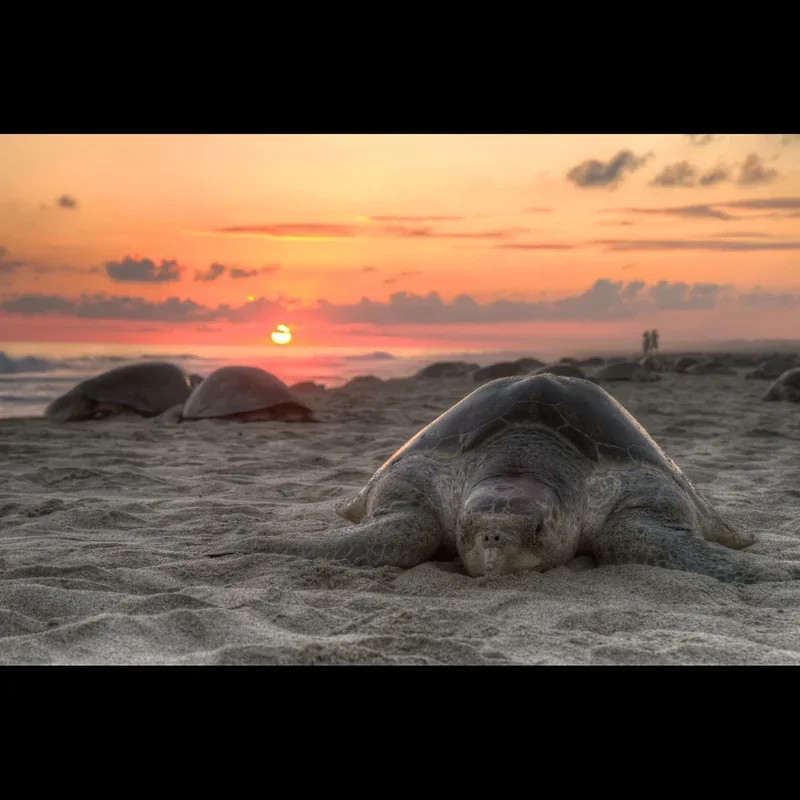
Look for sea turtles gracefully navigating the structures. On fortunate occasions, encountering playful dolphins or majestic sea rays in their natural habitat adds an unforgettable dimension to the dive.
The varied habitats support rich biodiversity, making each exploration a unique opportunity to observe Gulf of Mexico marine life patterns.

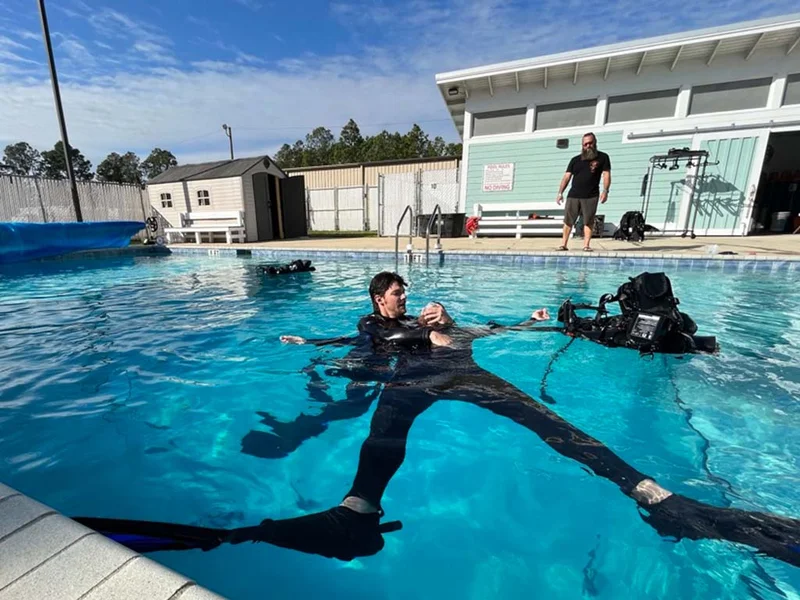
Dive Centers Near Mexico Beach Site
Today: 09:00 - 16:00
Nearest Airports
Nearest airports to help plan travel to this dive area.
Search Flights
Check available flights and routes on Expedia, using the nearby airports listed in this section.
Search Flights on Expedia
Plan Your Stay
Looking for a place to stay for your dive trip? Explore hotels, stays, and vacation rentals for dive groups near Mexico Beach.
Dive Navigator may earn a commission from these links at no extra cost to you.
Frequently Asked Questions
Can certified divers explore local dive sites in Mexico Beach?
Yes, certified divers are welcome to explore the local dive sites in Mexico Beach. Participants must provide proof of any level of certification prior to arrival for specific guided tours. These tours are designed to accommodate a range of certified divers.
What types of dive sites can be explored in Mexico Beach?
Mexico Beach offers a variety of dive sites, including natural reefs with hard corals and rock formations. Furthermore, an extensive artificial reef program features structures like Reef Balls, pyramids, and various sunken vessels. These sites are situated anywhere from 2 to 30 miles offshore.
How long do dives typically last in Mexico Beach?
The duration of a dive varies depending on factors like gas consumption and depth. Generally, dives last between 30 to 60 minutes. Divers should plan their bottom time based on their personal air usage and dive profile.
What is the role of the Mexico Beach Artificial Reef Association (MBARA)?
Since 1997, the MBARA has been instrumental in developing an extensive artificial reef system offshore. This organization focuses on conservation, environmental improvement, and research into reef designs and biomass. It also educates the public about the importance of reefs to the marine ecosystem.
Are there natural reefs or only artificial ones?
Mexico Beach boasts both natural and artificial reef sites. The natural areas consist of hard rock bottom and coral formations. Alongside these, divers can explore almost 300 artificial reefs, which include a wide array of man-made structures.
What makes Mexico Beach a good diving destination?
Mexico Beach provides diverse diving opportunities within the Gulf of Mexico. Its clear, warm waters and extensive artificial reef program create thriving marine ecosystems. This area supports both natural and man-made structures for exploration, appealing to various diving interests.
What marine life can divers expect to see?
Divers frequently observe tropical fish, sea turtles, and colorful coral formations across the reef sites. The diverse habitats attract a broad range of marine species. On occasion, encounters with playful dolphins or majestic sea rays are possible, adding to the underwater experience.
Is Mexico Beach suitable for beginner divers?
Yes, Mexico Beach offers opportunities for divers of varying experience levels. While some sites are deeper, many recreational areas, such as those explored on local tours, are accessible to newer certified divers. PADI also offers courses for those looking to become certified.
Planning to dive Mexico Beach Site?
Send one inquiry and receive offers directly from the best verified local dive operators.
Conditions are Excellent
07:00 - 14:00
Optimal conditions expected
Current conditions near Mexico Beach Site show 28° air, 30° sea temperature, 0.3 m waves, and 19 km/h wind. Forecast data is refreshed regularly to ensure accuracy.