
Diving at OAR Bbswc Barge (United States)
The OAR BBSWC Barge currently serves as a vibrant artificial reef, repurposing a 100-foot (30-meter) steel barge. Deliberately sunk, it now provides an essential hard-bottom habitat in offshore waters. Incorporating concrete culverts and boxes adds complexity and vertical relief. These elements draw in diverse marine life, fostering a thriving underwater ecosystem.
Evening condition tracking at OAR Bbswc Barge features an air temperature of 26°C. We have recorded wave heights measuring 0.9 m during this period. These figures outline the environmental parameters currently present.
Dive Site Location & Key Facts
Dive Site Overview
Diving the OAR BBSWC Barge presents a distinct opportunity to explore a significant artificial reef system offshore. A 100-foot (30-meter) steel barge, intentionally deployed, forms a substantial habitat for marine species, rising with 22.3 feet (6.8 meters) of relief from the seabed.
Divers often explore the original steel structure, combined with added concrete culverts and boxes, which create intricate swim-throughs and sheltered areas. Max depth to the seabed around the barge is approximately 161 feet (49 meters), placing it firmly within the advanced recreational diving range. Conditions vary; offshore visibility is generally moderate, though it can significantly diminish with stronger currents, suspended particulates, or recent weather events.
Currents can range from mild to strong, requiring proficiency in drift or strenuous finning techniques. Exploring varied surfaces, from rusted steel to porous concrete, offers a dynamic dive where observations change frequently based on water movement and light penetration.
This site stands as a testament to how human-made structures transform into productive marine environments, offering complexity and shelter not found on flat sandy bottoms.
Conditions are Good
07:00 - 14:00
Optimal conditions expected
Current conditions near OAR Bbswc Barge show 26° air, 30° sea temperature, 0.3 m waves, and 22 km/h wind. Forecast data is refreshed regularly to ensure accuracy.
Best Time to Dive
Planning a dive to the OAR BBSWC Barge means prioritizing comfortable conditions for a better experience. May through November generally offer the most favorable diving conditions, reflected by "Good" dive scores. Air temperatures during this period range from a pleasant 24.5°C (76°F) in May to highs of 29°C (84°F) in August, cooling to 20°C (68°F) by November. These warmer months typically bring lower average wave heights, often below 0.9 meters (3 feet), contributing to calmer surface conditions and easier boat entries/exits. While rain is always a possibility, September tends to have average rainfall at 7.38 mm, potentially affecting surface visibility temporarily. Outside this prime window, from December to April, conditions are generally "Moderate." Air temperatures drop to between 13°C (55°F) and 21°C (70°F), and average wave heights can increase to over 1.0 meter (3.3 feet), making surface conditions potentially more challenging.
PEAK SEASON SCORE
Scores combine air & water temps, waves, wind & rainfall for overall conditions.
BEST MONTHS TO DIVE
Monthly records compiled from satellite and marine observation nodes over the last 3 years. Data provided by Open-Meteo and MET Norway.
Dive Experience & Conditions
Descending at the OAR BBSWC Barge often involves following a reference line to guide entry to the wreck. As you near maximum depth, a steel barge gradually emerges from ambient light, revealing its 100-foot (30-meter) length. This artificial reef reaches approximately 161 feet (49 meters) to the seabed, marking it as a deep dive requiring careful bottom time management. Water temperatures are not consistently reported but are expected to vary significantly with seasons and thermoclines, especially at deeper sections. Offshore visibility often ranges from 10-20 meters (33-66 feet), though it can fluctuate based on local currents and plankton blooms. Exploring the barge's upper structure reveals significant 22.3 feet (6.8 meters) of relief, with concrete culverts and boxes forming ledges and overhangs. Currents can be present, sometimes strong, requiring attention to positioning and finning.
Dive Difficulty & Safety Guidelines
Diving the OAR BBSWC Barge requires a solid intermediate to advanced skill set due to its depth and offshore location. Max depth of 161 feet (49 meters) necessitates a minimum of Advanced Open Water certification, with deep diver specialty training highly recommended. Divers should be proficient in managing potential currents and understand non-decompression limits for safety.
Wreck diving here involves exploring exterior features; penetration should only be attempted by divers with specialized wreck training and appropriate equipment. Careful pre-dive checks, adherence to your dive plan, and carrying redundant air sources are crucial for deeper profiles.
Maintaining situational awareness, monitoring air consumption, and ensuring buddy protocols are followed are critical for a safe experience.
Recommended Equipment
- Dive Computer
This gear list is based on verified equipment signals for OAR Bbswc Barge, United States. Always confirm final gear choices with your dive operator, guide, or liveaboard.
Recommended Dive Suit
For dives of average duration, dive skin or rash guard usually provides sufficient protection from heat loss. Consider warmer surface protection (like a boat coat) due to brisk winds.
Divers planning a dive at OAR Bbswc Barge today will likely encounter water temperatures close to 30°C (86°F). Surface air temperatures are resting at 26°C (79°F).
Weather projections show fairly stable environmental conditions ahead.
Due to technical issues with our weather providers, live updates are temporarily delayed. The data above reflects the conditions at the time of the last successful fetch.
Emergency & Medical Support
Essential information to help you plan your dive trip to OAR BBSWC Barge.

Hyperbaric chambers are a critical part of dive safety infrastructure. Availability varies significantly by region, and not all dive areas have immediate access.
Before diving, it's recommended to:
- confirm nearest medical facilities
- check emergency procedures with local dive operators
- ensure dive insurance covers evacuation if required
Divers Alert Network
Diving emergency assistance available through DAN World.
+1-919-684-9111- 24/7 emergency hotline
- Diving medical assistance
- Evacuation coordination
Emergency contacts are provided for reference. Always verify local emergency services before diving.
Marine Life at OAR Bbswc Barge
Approaching the OAR BBSWC Barge, divers often first notice schooling fish congregating above and around the main structure. Composed of a steel hull and additional concrete culverts and boxes, the site serves as an extensive artificial habitat, attracting a variety of reef dwellers.
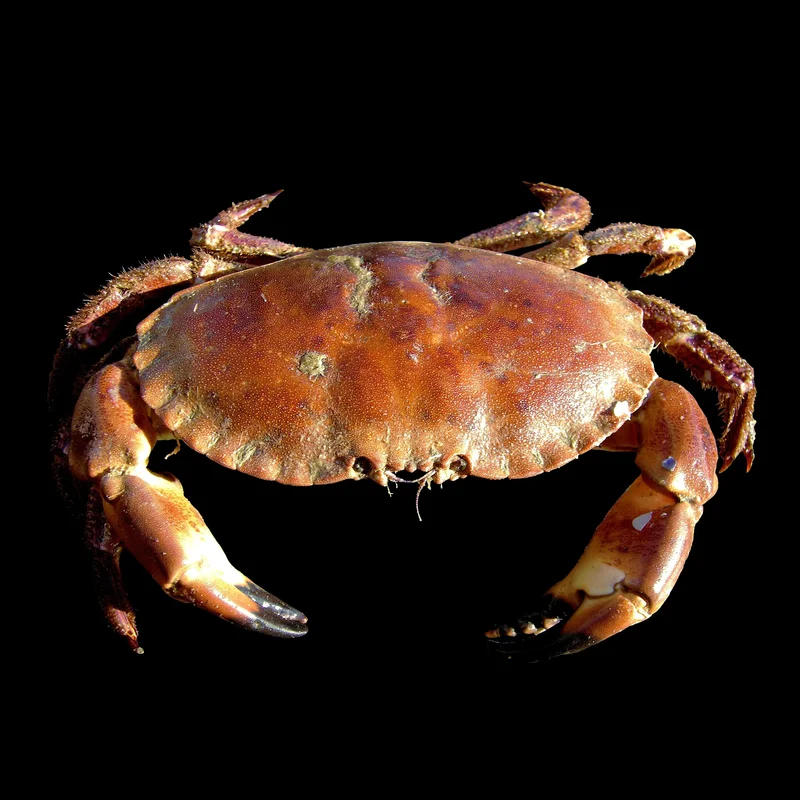
Expect to observe various small to medium-sized fish taking shelter within crevices and under ledges. Invertebrates such as crabs and various types of coral growth commonly colonize surfaces, adding texture and color.
Larger pelagic species occasionally cruise by, drawn to the concentration of prey around the structure. Diverse architectural elements of this wreck directly contribute to the richness of life encountered.
Dive Centers Near OAR Bbswc Barge
Today: 09:00 - 16:00
Nearest Airports
Nearest airports to help plan travel to this dive area.
Search Flights
Check available flights and routes on Expedia, using the nearby airports listed in this section.
Search Flights on ExpediaFrequently Asked Questions
What type of dive site is the OAR BBSWC Barge?
It's a 100-foot (30-meter) steel barge intentionally sunk to create an artificial reef. It provides a complex habitat, attracting marine life to its structure.
How deep is the OAR BBSWC Barge?
The site reaches a maximum depth of approximately 161 feet (49 meters) to the seabed. From the bottom, the structure rises 22.3 feet (6.8 meters), offering significant vertical relief.
What structures can be explored on the barge?
Divers can explore the main steel barge hull, which is supplemented with concrete culverts and boxes. These additions create varied surfaces and sheltered spaces.
What are the typical water conditions for this dive?
Water temperature varies seasonally and is not consistently reported. Visibility typically ranges from 10-20 meters (33-66 feet), but can be affected by weather and currents.
Which months are best for diving the OAR BBSWC Barge?
May through November generally offer "Good" diving conditions with warmer air temperatures and calmer seas. December to April are considered "Moderate" with cooler conditions.
What diver certification level is recommended?
Due to the site's maximum depth, an Advanced Open Water certification is typically a minimum requirement. Deep diver specialty training is highly recommended for safety and preparedness.
Planning to dive OAR Bbswc Barge?
Send one inquiry and receive offers directly from the best verified local dive operators.
Conditions are Good
07:00 - 14:00
Optimal conditions expected
Current conditions near OAR Bbswc Barge show 26° air, 30° sea temperature, 0.3 m waves, and 22 km/h wind. Forecast data is refreshed regularly to ensure accuracy.