
Diving at Obstruction #1 (United States)
Divers exploring Obstruction #1 will find themselves immersed in a realm of underwater history and vibrant ecosystems within the United States. This site typically centers around a scattered wreck, offering a captivating blend of artificial reef structures and the natural marine life that has claimed them. It's an accessible destination, inviting certified divers to discover the diverse underwater topography that characterizes this region.
As evening covers Obstruction #1, the local air temperature is measured at 24°C. The current wave height at the surface is recorded at 0.6 m. These late-day readings characterize the surface conditions for the night.
Dive Site Location & Key Facts
Dive Site Overview
Submerged structures at Obstruction #1 present a topography largely defined by its wreck remnants. Although specific details regarding the origin of this obstruction are limited, the site is recognized for its recreational depth profile, making it suitable for a broad range of certified divers.
Scattered debris and hull sections form various habitats, attracting a variety of reef fish and invertebrate life. Depths here commonly range, with shallower sections found around 7-15 m (20-50 ft) and deeper points potentially reaching 15-30 m (50-100 ft), depending on the exact coordinates of the obstruction. While not a deep wreck requiring advanced certifications for exploration, its contours offer ample opportunities for discovery.
Navigating the site reveals how marine organisms have colonized the artificial surfaces, creating a dynamic environment that shifts with the surrounding currents.
Conditions are Moderate
Optimal conditions expected
Current conditions near Obstruction #1 show 24° air, 24° sea temperature, 1.1 m waves, and 37 km/h wind. Forecast data is refreshed regularly to ensure accuracy.
Best Time to Dive
Planning a dive at Obstruction #1 is generally most favorable during the summer months, particularly from June to August, when conditions tend to align for optimal visibility. During this period, the dive score indicates 'Good' conditions, contrasting with the 'Moderate' scores observed throughout the rest of the year. Air temperatures are pleasantly warm, averaging 20-24°C (68-75°F), contributing to comfortable surface intervals. Furthermore, wave heights are typically at their lowest, around 0.9-1.0 m (3.0-3.3 ft), and wind speeds are reduced, often around 27.6-31.2 km/h (17-19 mph), leading to calmer seas and clearer underwater perspectives. Less rain, ranging from 1.54-3.22 mm, further supports improved water clarity, though localized weather systems can always influence conditions.
PEAK SEASON SCORE
Scores combine air & water temps, waves, wind & rainfall for overall conditions.
BEST MONTHS TO DIVE
Monthly records compiled from satellite and marine observation nodes over the last 3 years. Data provided by Open-Meteo and MET Norway.
Dive Experience & Conditions
Experiencing the waters around Obstruction #1 typically means encountering a mix of conditions, often influenced by local currents and recent weather patterns. Visibility can vary, ranging from good clarity on calm days to more limited conditions when surge or sediment are present. Water temperatures are not consistently reported for this specific site, but general regional patterns suggest comfortable ranges for diving during warmer months. During a descent, divers often note the gradual slope of the seabed leading to the obstruction, with ambient light still reaching even the deeper sections of the recreational depth range. While some days offer millpond calm, it's prudent to be prepared for moderate currents, particularly around exposed wreck sections. These currents, when present, can enhance the dynamic feel of the dive, bringing nutrients and attracting active marine life.
Dive Difficulty & Safety Guidelines
While Obstruction #1 is largely considered suitable for recreational divers, awareness of potential currents is essential for safe exploration. Strong currents can develop, especially on exposed parts of wrecks, requiring good buoyancy control and dive planning. Divers should always monitor their air supply and bottom time, particularly when exploring deeper wreck features or areas with stronger flow.
For those considering dives beyond the 18 m (60 ft) range, advanced certification and documented deep dive experience are prudent. Reputable dive operators will verify certifications and logbook experience before allowing access to more challenging deep wreck sites, emphasizing the importance of staying within personal limits.
Maintaining situational awareness is key, especially if approaching deeper structures where nitrogen narcosis could become a factor.
Recommended Equipment
- Dive Computer
This gear list is based on verified equipment signals for Obstruction #1, United States. Always confirm final gear choices with your dive operator, guide, or liveaboard.
Recommended Dive Suit
Current diving conditions indicate water temperatures around 24°C (75°F) at Obstruction #1. Surface air temperatures are resting at 24°C (75°F).
Environmental conditions may feel slightly cooler as the week progresses. Cooler days are ahead; you might want a warmer option for later in the week. A neoprene vest or hood can add flexibility if temperatures feel cooler underwater.
Most divers exploring waters at this temperature rely on 3-5mm wetsuit for effective insulation. Water temperature is only one factor influencing overall comfort during a dive.
Emergency & Medical Support
Essential information to help you plan your dive trip to Obstruction #1.

Hyperbaric chambers are a critical part of dive safety infrastructure. Availability varies significantly by region, and not all dive areas have immediate access.
Before diving, it's recommended to:
- confirm nearest medical facilities
- check emergency procedures with local dive operators
- ensure dive insurance covers evacuation if required
Divers Alert Network
Diving emergency assistance available through DAN World.
+1-919-684-9111- 24/7 emergency hotline
- Diving medical assistance
- Evacuation coordination
Emergency contacts are provided for reference. Always verify local emergency services before diving.
Marine Life at Obstruction #1
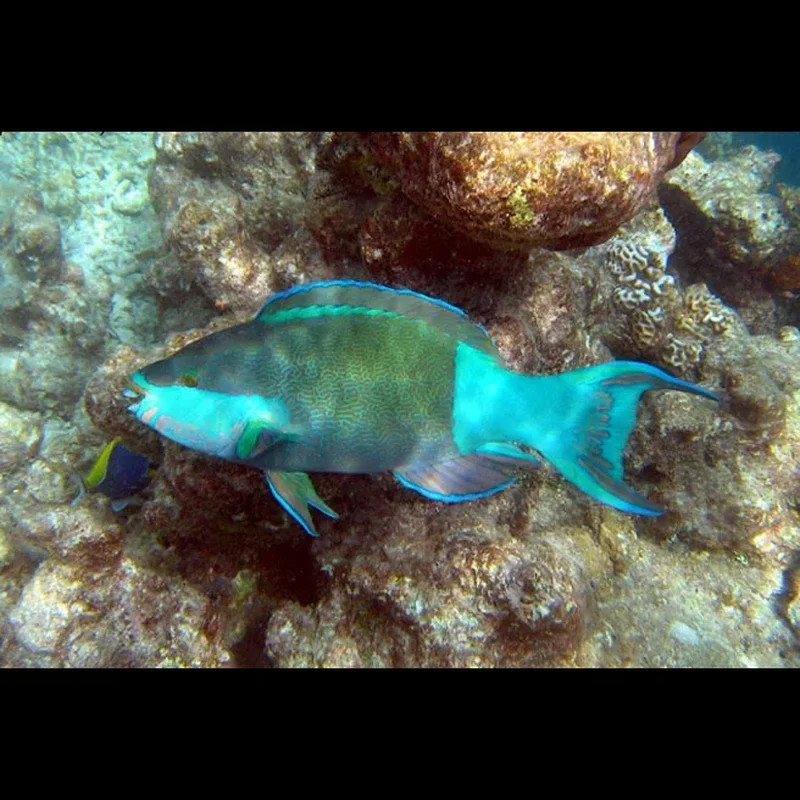
Around the submerged remnants of Obstruction #1, a rich tapestry of marine life thrives, using the wreck as shelter and a feeding ground. Divers frequently observe parrot fish going about their routines, sometimes tucked away in protective mucous cocoons during night dives.
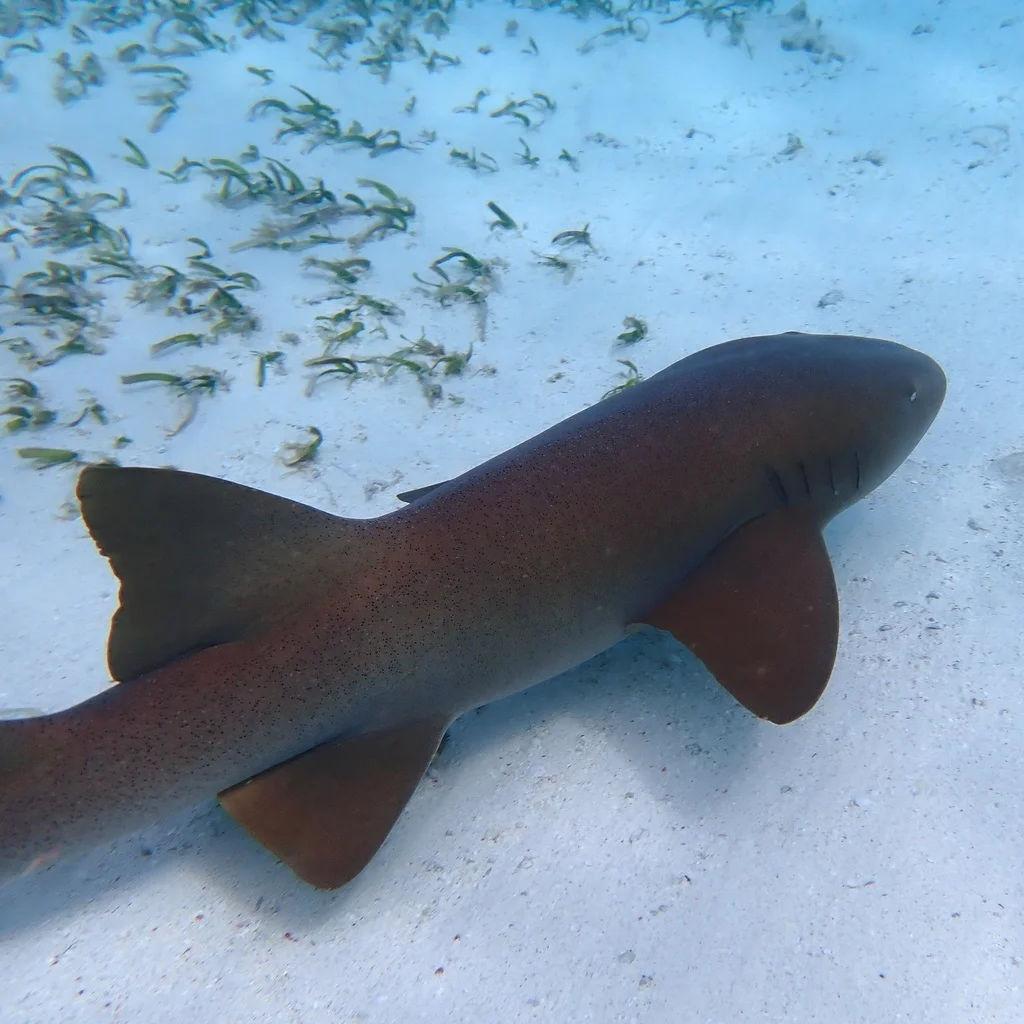
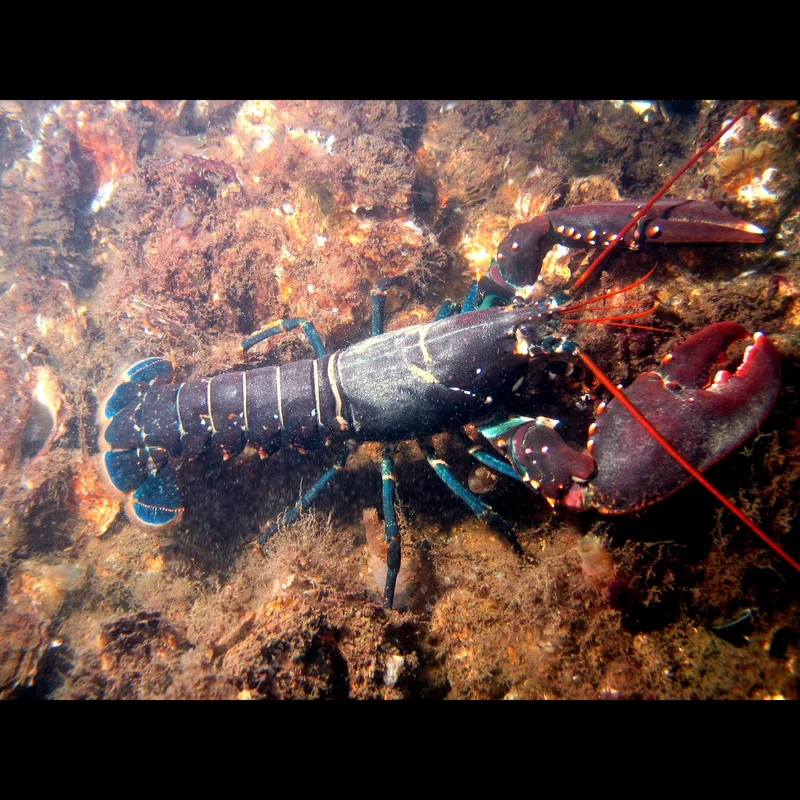
Lobsters often reveal themselves with their distinctive eye shine when illuminated, adding a vibrant glow to the underwater scenery. Nurse sharks are also known to frequent these structures, resting in crevices or patrolling the perimeter.
The artificial reef acts as a magnet for a variety of reef fish, creating a dynamic ecosystem where schools congregate among the metal and encrusting organisms.
Dive Centers Near Obstruction #1
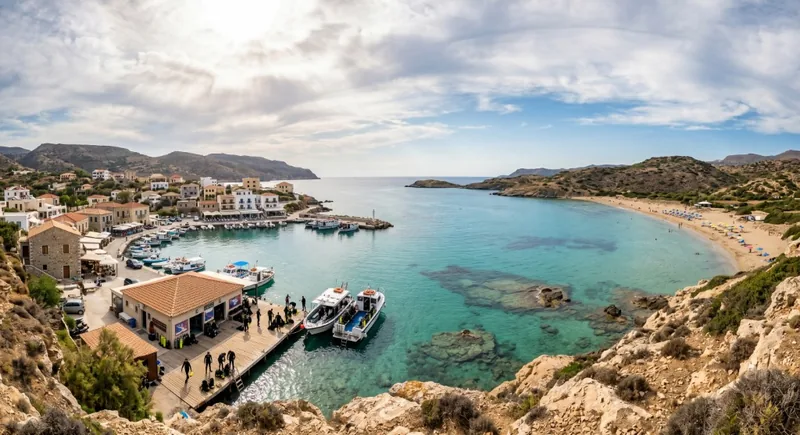
Nearest Airports
Nearest airports to help plan travel to this dive area.
Search Flights
Check available flights and routes on Expedia, using the nearby airports listed in this section.
Search Flights on Expedia
Plan Your Stay
Looking for a place to stay for your dive trip? Explore hotels, stays, and vacation rentals for dive groups near North Beach Haven.
Dive Navigator may earn a commission from these links at no extra cost to you.
Frequently Asked Questions
What is the typical depth range at Obstruction #1?
Depths at Obstruction #1 generally fall within recreational limits. Shallower parts of the wreck can be found around 7-15 m (20-50 ft), with deeper sections potentially extending to the site's maximum recreational limits.
Is Obstruction #1 suitable for novice divers?
Yes, Obstruction #1 is considered suitable for novice divers, particularly the shallower portions. Wrecks like the Benwood, which is around 15 meters at its deepest, are recommended for newer divers and offer abundant marine life without penetration risks.
Are strong currents a concern at this dive site?
Currents at Obstruction #1 can vary; some days may be calm, while others can experience moderate to strong currents. Divers should be prepared for changing conditions and maintain good buoyancy control, especially around exposed wreck sections.
What kind of marine life can I expect to see?
Expect to see a variety of reef dwellers, including parrot fish, lobsters, and nurse sharks around the wreck. The structures provide habitat for numerous fish species and invertebrates, creating an active underwater environment.
What is the best time of year to dive Obstruction #1?
From June to August, diving conditions are typically best, offering warmer air temperatures, lower wave heights, and reduced winds that lead to improved visibility. During these summer months, the overall dive score is rated 'Good'.
Is wreck penetration possible at Obstruction #1?
Based on available information for similar shallow wrecks in the region, Obstruction #1 consists primarily of scattered debris and a smashed hull. It's generally not considered a penetration dive, which makes it safer for divers without specialized overhead environment training.
Planning to dive Obstruction #1?
Send one inquiry and receive offers directly from the best verified local dive operators.
Conditions are Moderate
Optimal conditions expected
Current conditions near Obstruction #1 show 24° air, 24° sea temperature, 1.1 m waves, and 37 km/h wind. Forecast data is refreshed regularly to ensure accuracy.