
Diving at Orchard Beach (a/K/a Captain Mike's Beach) (United States)
Orchard Beach, also known as Captain Mike's diving area, serves as an accessible shore entry point for divers in the New York region. It offers a shallow, sheltered environment, ideal for honing skills in cooler waters. The site's sandy bottom and gentle slope characterize its structure, catering particularly to training dives and new certifications. Maximum depth here is a very shallow 2 m (9 ft).
Evening condition tracking at Orchard Beach (a/K/a Captain Mike's Beach) features an air temperature of 24°C. We have recorded wave heights measuring 0.1 m during this period. These figures outline the environmental parameters currently present.
Dive Site Location & Key Facts
Dive Site Overview
For over two decades, this location, associated with Captain Mike's Diving Service, has played a significant role in nurturing New York City's vibrant scuba community. It developed as a foundational training ground, providing a practical setting for various certifications.
Divers commonly utilize its relatively calm, shallow waters to practice fundamental skills like buoyancy control, navigation, and dry suit proficiency. While primarily a shore entry site with a sandy bottom, some areas may present a muck or light reef environment. Its proximity to both the Long Island Sound and the broader ocean waters allows it to serve as a stepping stone for divers preparing for more complex regional explorations, including shipwrecks further offshore.
Many PADI courses, from Open Water to Rescue Diver and specialty certifications, find a suitable instructional venue here.
Conditions are Excellent
07:00 - 14:00
Optimal conditions expected
Current conditions near Orchard Beach (a/K/a Captain Mike's Beach) show 24° air, --° sea temperature, 0.2 m waves, and 18 km/h wind. Forecast data is refreshed regularly to ensure accuracy.
Best Time to Dive
Diving conditions at this site are typically favorable during late spring through early autumn, corresponding with higher air temperatures and generally lower wave activity. May through October consistently receive "Excellent" dive scores. Air temperatures during these months range from 16°C (61°F) in May to a peak of 25°C (77°F) in July, gradually decreasing to 14.5°C (58°F) by October. Rain levels remain relatively moderate during this period, with averages between 2.52 mm and 4.42 mm per month. Water temperature data is not consistently reported for this specific location; however, warmer air contributes to more comfortable surface conditions and generally indicates more clement diving. Expect cooler conditions outside this window, though "Excellent" scores persist through winter, likely reflecting ice diving opportunities for specialized divers.
PEAK SEASON SCORE
Scores combine air & water temps, waves, wind & rainfall for overall conditions.
BEST MONTHS TO DIVE
Monthly records compiled from satellite and marine observation nodes over the last 3 years. Data provided by Open-Meteo and MET Norway.
Dive Experience & Conditions
Descending into this location typically presents a straightforward experience from the shore, characterized by its shallow profile. Divers can expect a max depth of just 2 m (9 ft), making it an ideal spot for entry-level training and skill refinement. Visibility can vary, influenced by recent weather and activity, but it's generally sufficient for confined water skills and navigation practice. The bottom terrain largely consists of a sandy bottom, with occasional patches that might resemble muck or small reef structures, providing limited complexity. Given its status as a training site in the Northeast, expect cooler water temperatures, especially outside of peak summer. Conditions usually remain calm enough for comfortable learning, though local currents or weather fronts can introduce variability, requiring divers to remain attentive to environmental changes.
Dive Difficulty & Safety Guidelines
Approaching this site requires adherence to standard safe diving practices, particularly given its role as a training ground. Due to its popularity for various PADI courses, including Open Water and Scuba Refresher, divers should prioritize effective communication and maintain proper buddy procedures. Always deploy a dive flag to alert surface traffic to your presence.
The shallow nature of the location, reaching only 2 m (9 ft), means careful buoyancy control is essential to avoid disturbing the sandy bottom and maintaining good visibility for other divers. Consider seeking local guidance from a dive professional familiar with the site's present conditions, especially during changing weather patterns or if planning specialized training like ice diving, which Captain Mike's Diving also facilitates.
Recommended Equipment
- Dive Computer
- Pointer / Muck Stick
This gear list is based on verified equipment signals for Orchard Beach (a/K/a Captain Mike's Beach), United States. Always confirm final gear choices with your dive operator, guide, or liveaboard.
Recommended Dive Suit
Based on regional estimates and current weather, the likely required exposure protection is a 3-5mm wetsuit. Note that local currents and upwellings can alter this. Because recent water temperature readings are not available for Orchard Beach (a/K/a Captain Mike's Beach), the guidance below is based mainly on current air conditions and seasonal expectations. Current surface air temperatures are roughly 24°C (75°F).
Longer-range forecasts show some uncertainty in upcoming temperature trends. A significant temperature drop is forecast; strongly suggest bringing a backup warmer suit option. Some divers bring an extra layer for surface intervals between dives.
Even small thermoclines can occasionally cause noticeable changes in water temperature.
Due to technical issues with our weather providers, live updates are temporarily delayed. The data above reflects the conditions at the time of the last successful fetch.
Emergency & Medical Support
Essential information to help you plan your dive trip to Orchard Beach (a/k/a Captain Mike's Beach).

Hyperbaric chambers are a critical part of dive safety infrastructure. Availability varies significantly by region, and not all dive areas have immediate access.
Before diving, it's recommended to:
- confirm nearest medical facilities
- check emergency procedures with local dive operators
- ensure dive insurance covers evacuation if required
Divers Alert Network
Diving emergency assistance available through DAN World.
+1-919-684-9111- 24/7 emergency hotline
- Diving medical assistance
- Evacuation coordination
Emergency contacts are provided for reference. Always verify local emergency services before diving.
Marine Life at Orchard Beach (a/K/a Captain Mike's Beach)
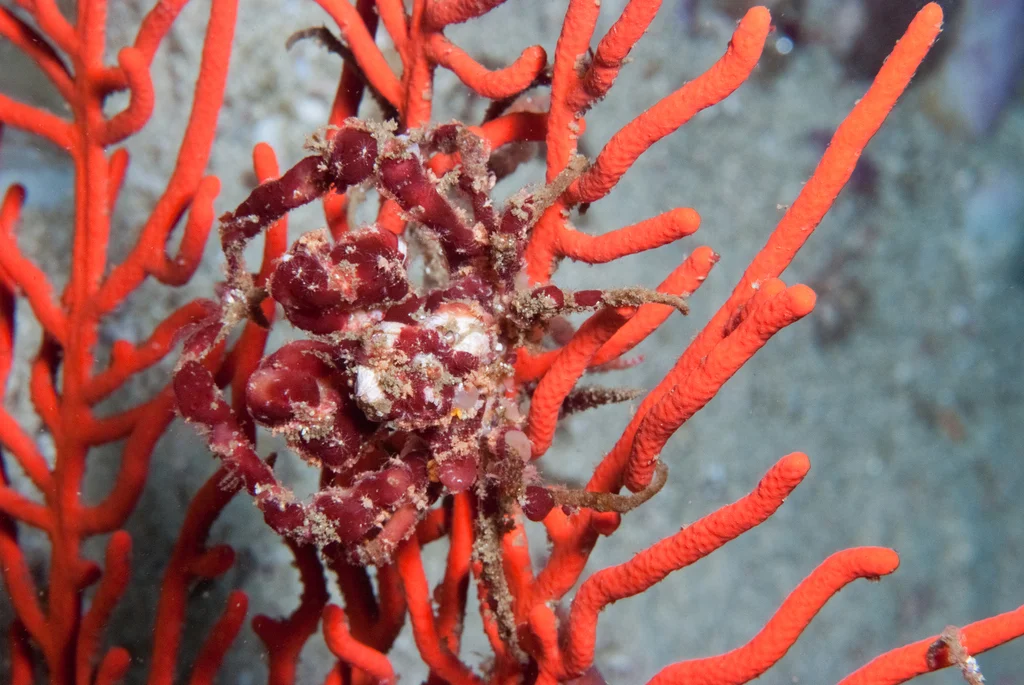
The diverse, albeit shallow, marine environment at this dive site offers opportunities to observe a variety of benthic creatures, particularly in areas transitioning from sandy bottom to more structured patches. Divers frequently encounter several crab species, including spider crabs and horseshoe crabs, moving across the seafloor.
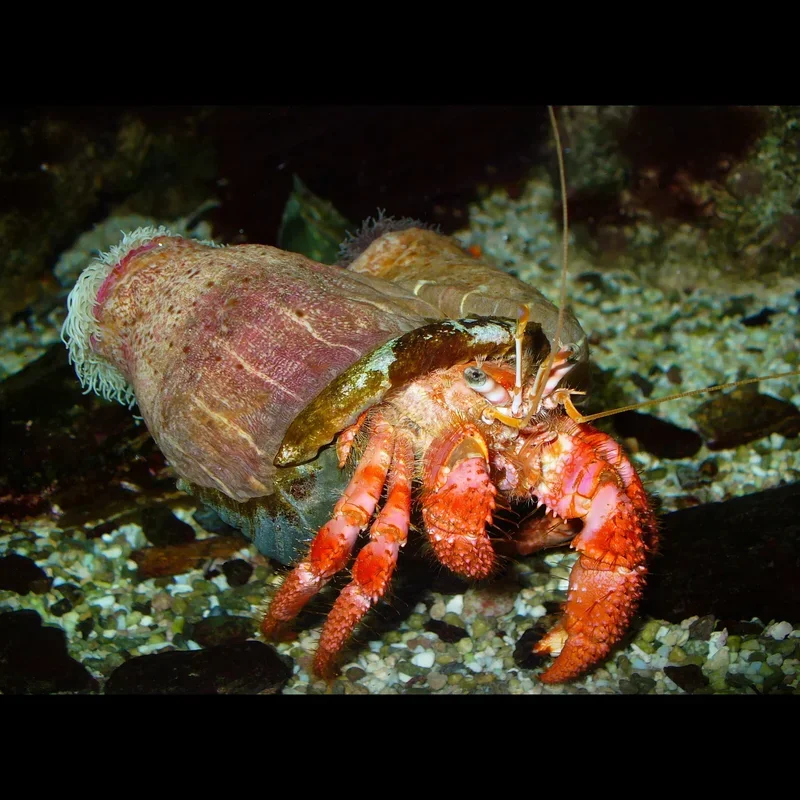
Starfish are also a common sight, along with hermit crabs navigating their surroundings. Watch for wrasse, tautog, and American eels exploring the substrate.
Occasionally, a flying gurnard might be spotted gliding along the bottom, adding an interesting dynamic to the dive.

Dive Sites Near Orchard Beach (a/K/a Captain Mike's Beach)
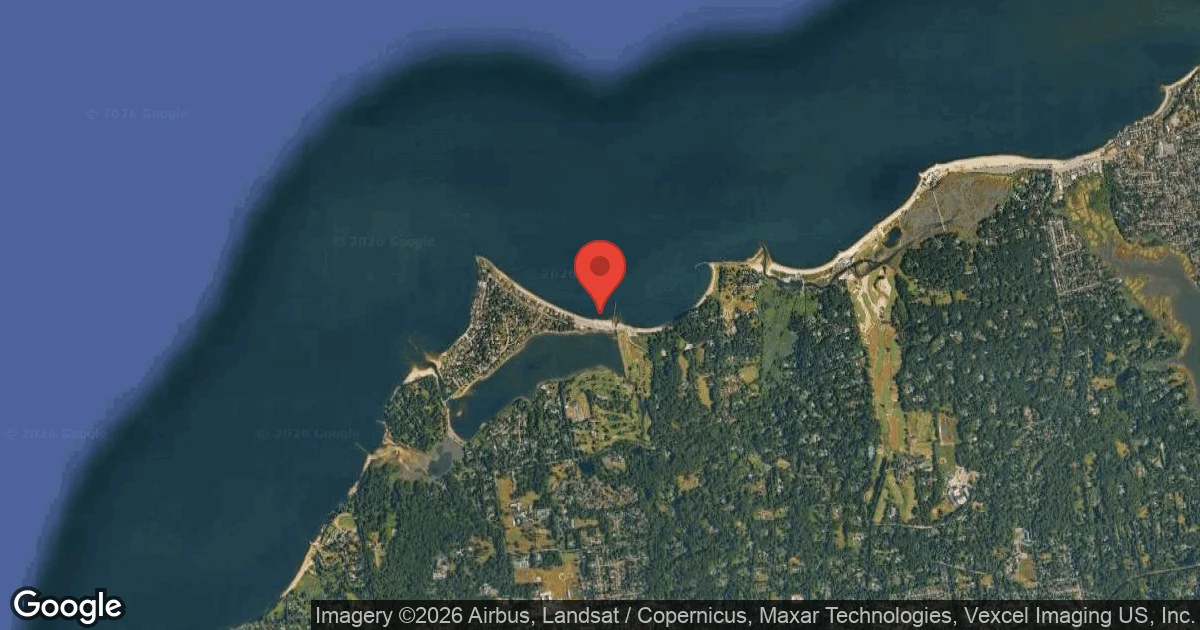
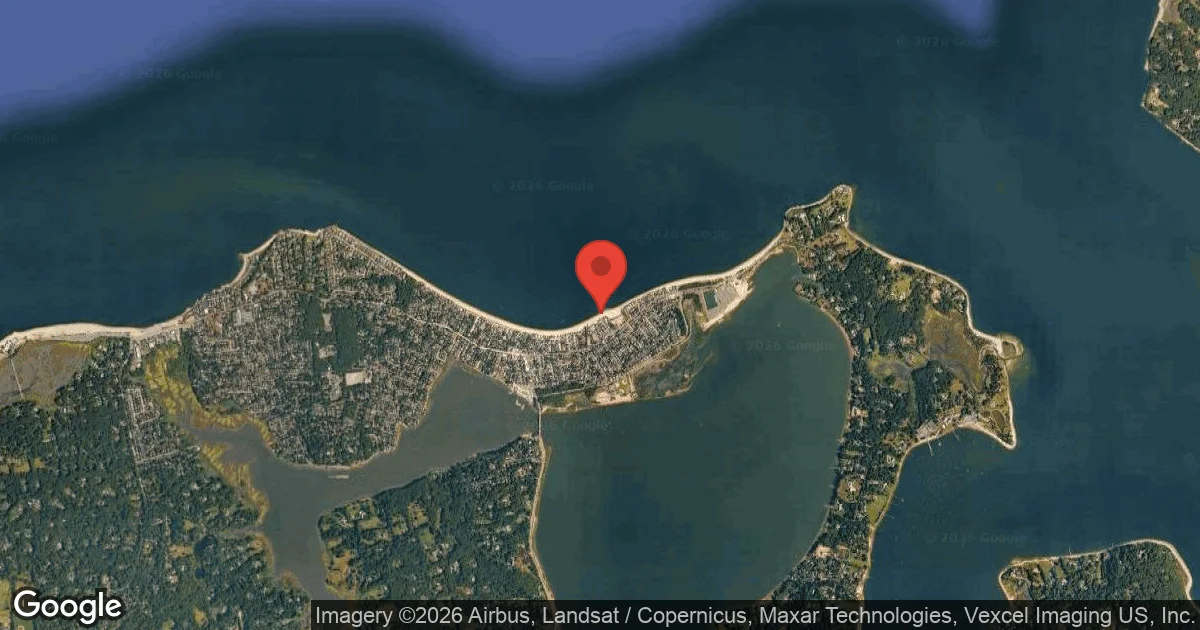
View all dive sites in United StatesDiscover more underwater gems in this area.
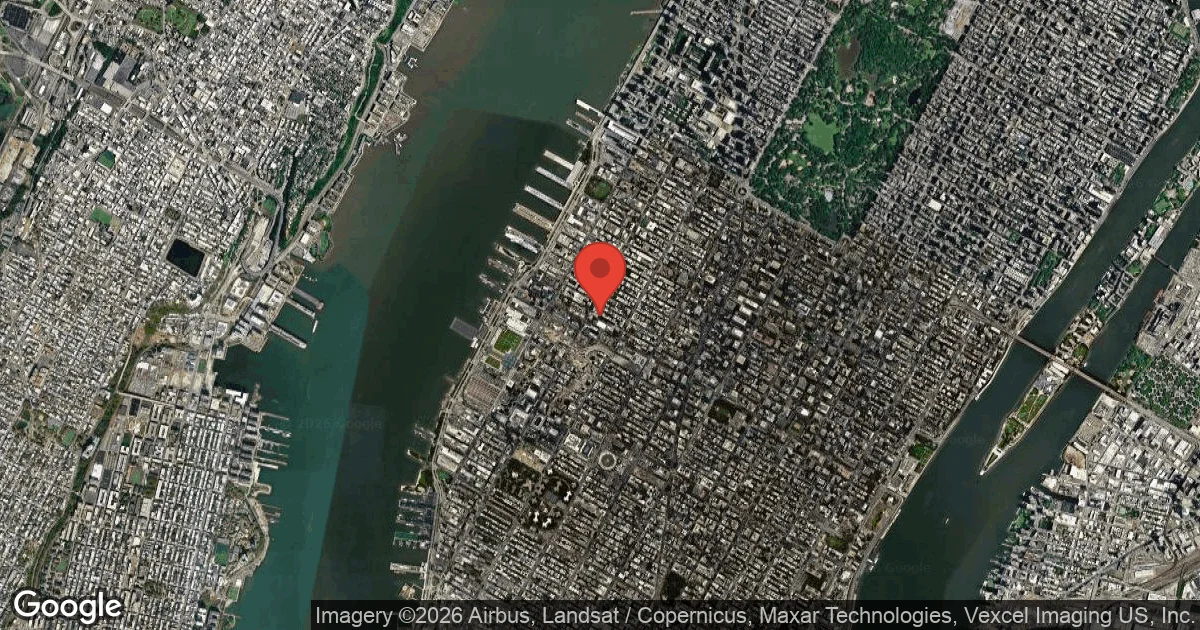
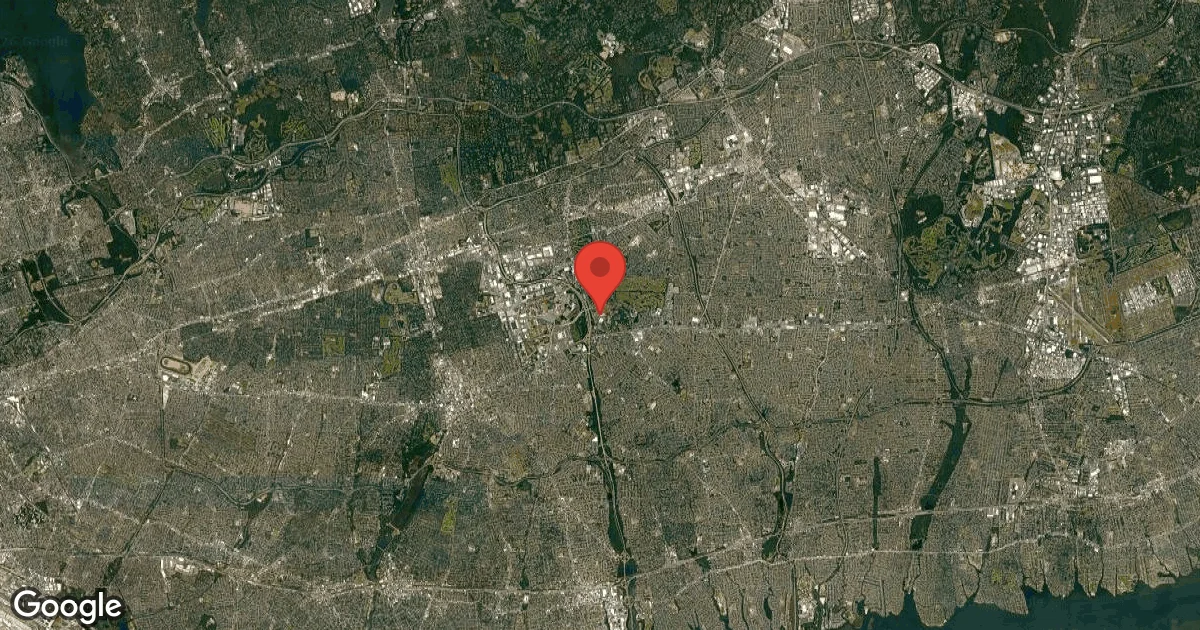
Dive Centers Near Orchard Beach (a/K/a Captain Mike's Beach)
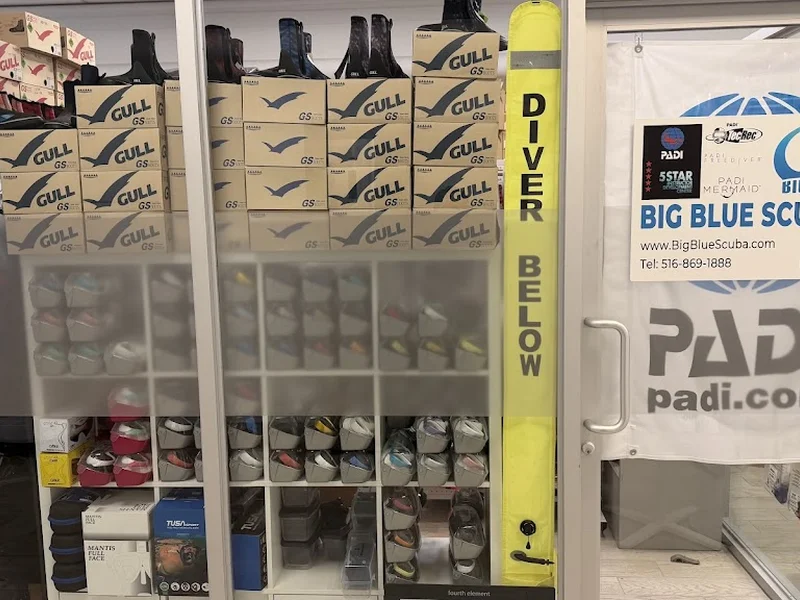
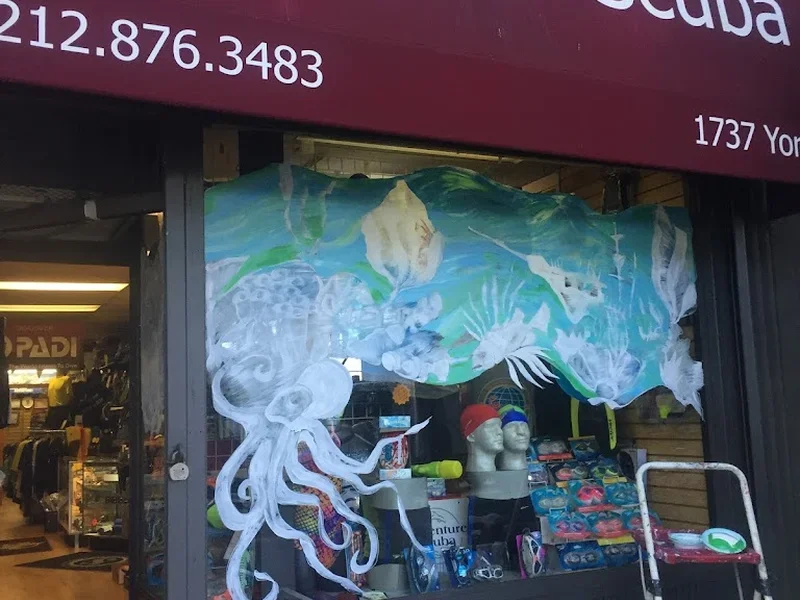
Nearest Airports
Nearest airports to help plan travel to this dive area.
Search Flights
Check available flights and routes on Expedia, using the nearby airports listed in this section.
Search Flights on Expedia
Plan Your Stay
Looking for a place to stay for your dive trip? Explore hotels, stays, and vacation rentals for dive groups near City Island.
Dive Navigator may earn a commission from these links at no extra cost to you.
Frequently Asked Questions
Is this site suitable for beginner divers?
Yes, it's considered an excellent location for new divers and those looking to practice fundamental skills. Its shallow depth and generally calm conditions make it ideal for various PADI training courses.
What is the maximum depth at this location?
Maximum reported depth for the location is a shallow 2 meters (9 feet). Such a limited depth makes it perfectly suited for confined water training and buoyancy practice.
What type of entry does this location offer?
It offers a straightforward shore entry. Divers can walk directly into the water from the shoreline, making access easy for training or casual dives.
What marine life can I expect to see here?
Divers often observe various crabs, including spider crabs and horseshoe crabs, along with starfish and hermit crabs. Wrasse, tautog, and American eels are also common, occasionally joined by a flying gurnard.
Are there any specific PADI courses recommended for this site?
Many PADI courses are well-suited for this location, including Open Water Diver, Advanced Open Water Diver, Dry Suit Diver, and Underwater Navigator. Its controlled environment makes it excellent for skill development.
What are the typical water conditions at this site?
Conditions typically involve cooler saltwater, with visibility that can vary based on recent weather and activity. The site usually remains calm, making it suitable for training and comfort.
Can I dive at this location year-round?
While optimal conditions are from late spring through early autumn, the site is utilized year-round by dedicated divers. Specialized training, such as ice diving, can occur in winter months with appropriate gear and experience.
Planning to dive Orchard Beach (a/K/a Captain Mike's Beach)?
Send one inquiry and receive offers directly from the best verified local dive operators.
Conditions are Excellent
07:00 - 14:00
Optimal conditions expected
Current conditions near Orchard Beach (a/K/a Captain Mike's Beach) show 24° air, --° sea temperature, 0.2 m waves, and 18 km/h wind. Forecast data is refreshed regularly to ensure accuracy.