
Diving at Prybil Beach (United States)
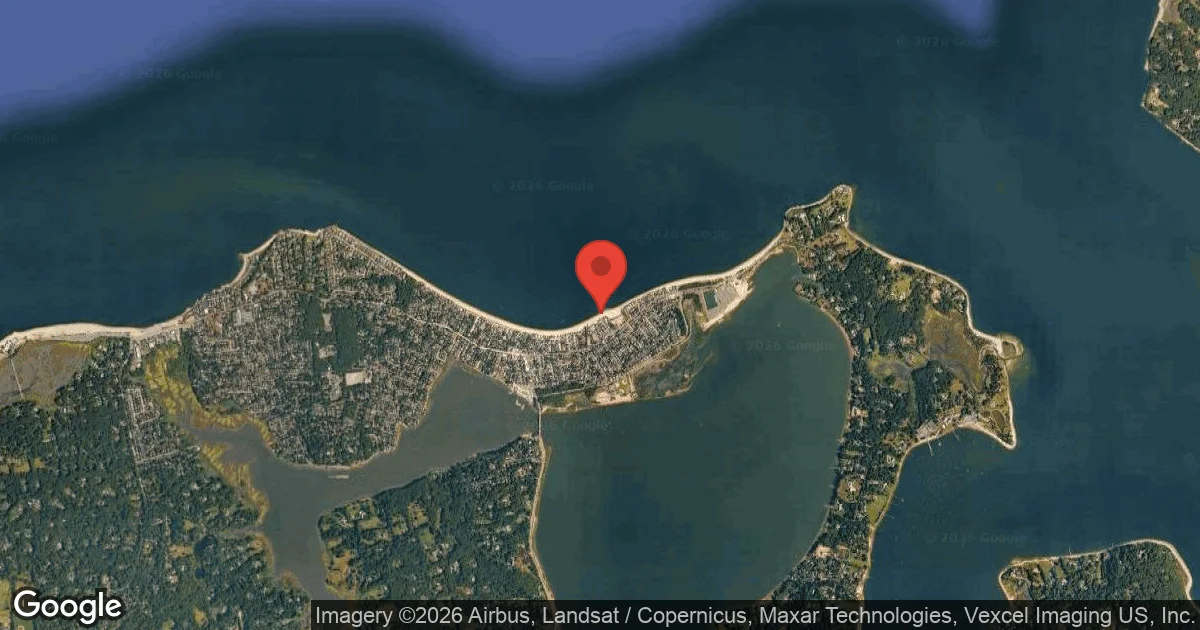
Discovering the calm waters of Prybil Beach offers Long Island divers a readily accessible shore experience within the Long Island Sound. This local dive spot in Glen Cove, NY, provides a straightforward entry point to an aquatic environment suitable for various skill levels. It's a popular choice for those looking to enjoy local underwater exploration without extensive boat travel, fostering a strong community connection.
As evening covers Prybil Beach, the local air temperature is measured at 22.5°C. The current wave height at the surface is recorded at 0 m. These late-day readings characterize the surface conditions for the night.
Dive Site Location & Key Facts
Dive Site Overview
Prybil Beach's underwater landscape primarily features a gradual sandy slope, typical of many shore dives along the Long Island Sound. Divers will find maximum depths here reach between 3.6 to 7.6 m (12-25 ft), placing it squarely within recreational diving limits.
Currents are generally mild, a significant factor contributing to its suitability for new divers and those seeking a relaxed exploration. Exploring the seabed reveals an expanse of sand, contrasting with rocky reef environments and providing distinct opportunities for observing specific bottom dwellers. A gently sloping bottom requires attention to buoyancy, particularly in shallower sections, though it doesn't present challenging topographical features.
This environment proves ideal for refining navigation skills and enjoying extended bottom times. The overall experience emphasizes accessible underwater exploration, making it a reliable spot for various training exercises and leisure dives within a sheltered environment.
Conditions are Excellent
07:00 - 14:00
Optimal conditions expected
Current conditions near Prybil Beach show 23° air, --° sea temperature, 0.2 m waves, and 20 km/h wind. Forecast data is refreshed regularly to ensure accuracy.
Best Time to Dive
Optimal visibility for diving at Prybil Beach often aligns with high slack tide, minimizing water movement that can stir up the sandy bottom. While specific water temperature data isn't consistently reported, air temperatures provide a useful proxy for seasonal changes, ranging from a cool 0°C (32°F) in February to a warm 25°C (77°F) in July. Rain levels are moderate throughout the year, with July, March, and September showing slightly higher average rainfall, though conditions can vary. May through October generally provide excellent dive scores, characterized by lower wave heights, typically below 0.2 m (0.7 ft), and moderate wind speeds. These conditions support improved underwater clarity, making late spring through early autumn a favorable window for clear views.
PEAK SEASON SCORE
Scores combine air & water temps, waves, wind & rainfall for overall conditions.
BEST MONTHS TO DIVE
Monthly records compiled from satellite and marine observation nodes over the last 3 years. Data provided by Open-Meteo and MET Norway.
Dive Experience & Conditions
Accessing the Long Island Sound at Prybil Beach is typically a straightforward shore entry, appealing to divers who prefer ease of access without boat charters. The site's gradual slope into the water makes giant stride or seated entries comfortable, suitable for divers of all experience levels. Currents tend to be mild, which generally aids new divers in managing their position and helps maintain better visibility. While the maximum depth is around 7.6 m (25 ft), much of the dive takes place in shallower sections, offering ample bottom time within a recreational depth range. Visibility can be influenced by recent weather and tidal movements, but during favorable conditions, it provides clear views of the sandy bottom and any marine life present. This accessible environment makes it a common choice for training and refreshers.
Dive Difficulty & Safety Guidelines
Ensuring a safe dive at Prybil Beach necessitates adherence to local regulations, specifically requiring a dive flag and a permit from the town of Glen Cove when not diving with Scuba Network. Divers should always plan their entry and exit carefully, considering the gradual slope and sandy composition of the shore. While currents are generally mild, conditions can vary with weather and tide, so monitoring local forecasts is always prudent.
Being prepared for varying visibility, which might decrease if the bottom gets stirred, is also advisable. Divers should stay aware of their surroundings, particularly in high-traffic areas, and maintain proper buoyancy control to avoid disturbing the seabed.
Recommended Equipment
- Dive Computer
- Hard-soled Dive Boots
This gear list is based on verified equipment signals for Prybil Beach, United States. Always confirm final gear choices with your dive operator, guide, or liveaboard.
Recommended Dive Suit
Conditions may fluctuate slightly depending on wind and weather patterns. A significant temperature drop is forecast; strongly suggest bringing a backup warmer suit option. Divers planning multiple dives may appreciate having a warmer option available.
Factors such as dive duration, depth, and activity level can influence how warm a diver feels underwater. Divers planning trips later in the week may want to consider bringing a slightly warmer suit.
Based on regional estimates and current weather, the likely required exposure protection is a 3-5mm wetsuit. Note that local currents and upwellings can alter this. Surface intervals may feel cooler. Because recent water temperature readings are not available for Prybil Beach, the guidance below is based mainly on current air conditions and seasonal expectations. Current surface air temperatures are roughly 23°C (73°F).
Emergency & Medical Support
Essential information to help you plan your dive trip to Prybil Beach.

Hyperbaric chambers are a critical part of dive safety infrastructure. Availability varies significantly by region, and not all dive areas have immediate access.
Before diving, it's recommended to:
- confirm nearest medical facilities
- check emergency procedures with local dive operators
- ensure dive insurance covers evacuation if required
Divers Alert Network
Diving emergency assistance available through DAN World.
+1-919-684-9111- 24/7 emergency hotline
- Diving medical assistance
- Evacuation coordination
Emergency contacts are provided for reference. Always verify local emergency services before diving.
Marine Life at Prybil Beach
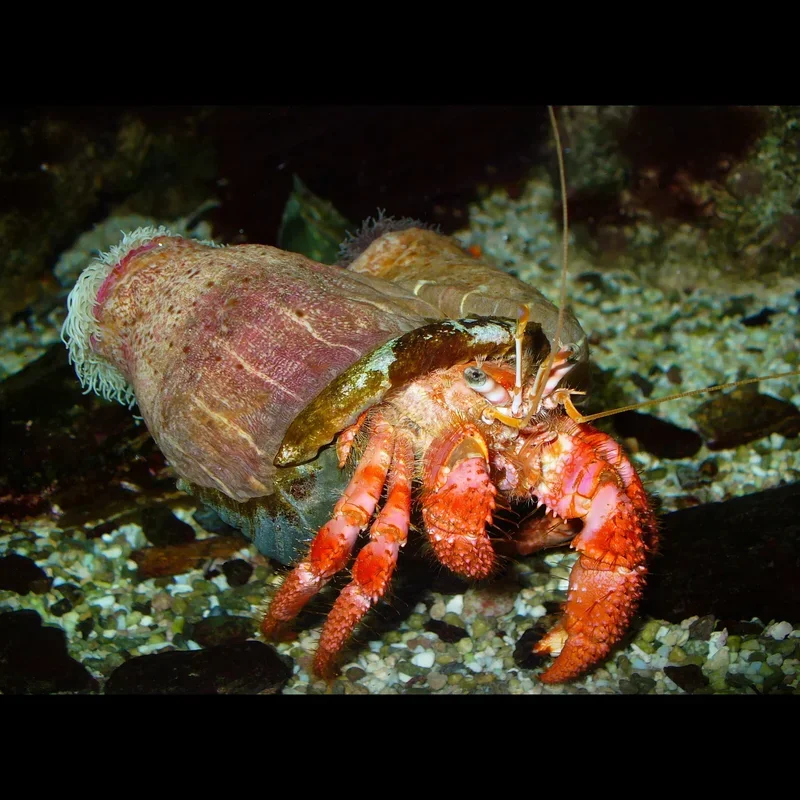
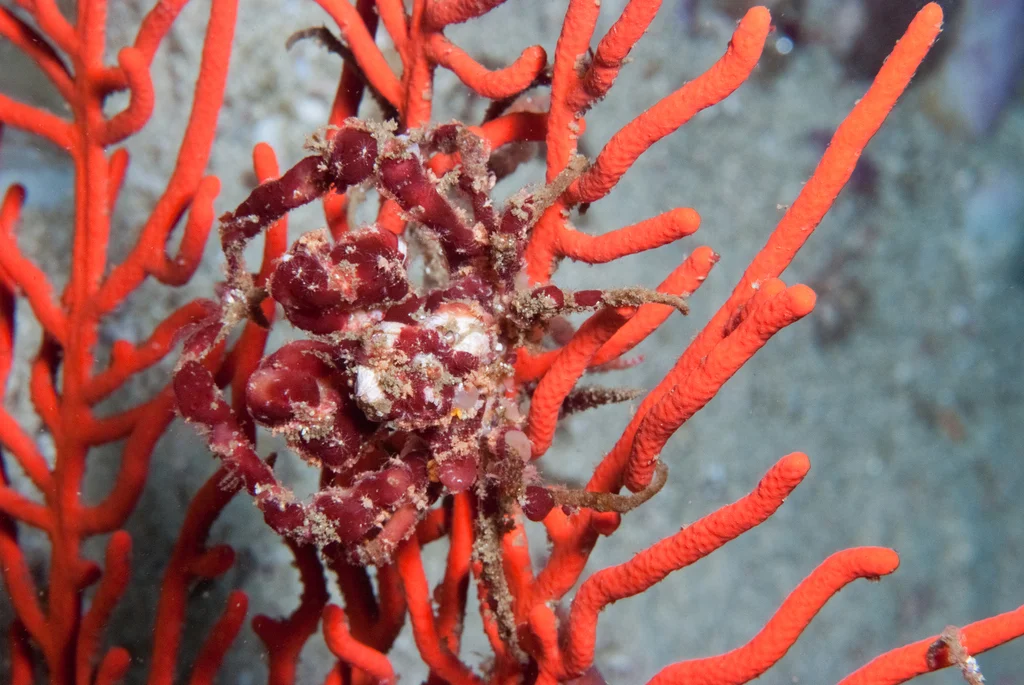
A primary attraction for many divers exploring Prybil Beach is the chance to observe the local spider crabs, often found making their way across the sandy substrate. Beyond these crustaceans, the area frequently reveals other fascinating bottom dwellers such as horseshoe crabs and various species of conches and hermit crabs.
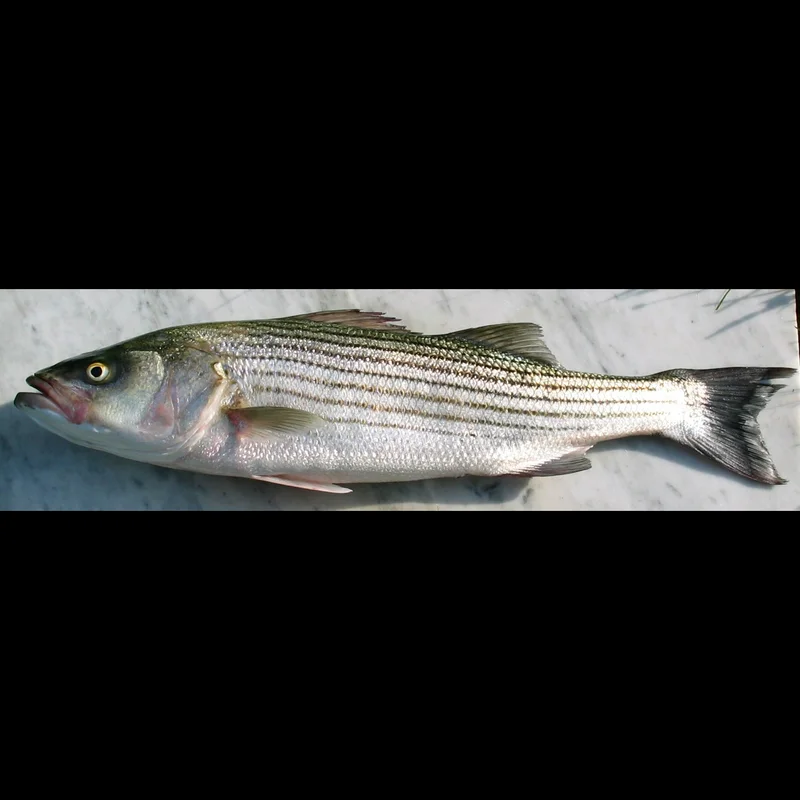
Divers might also spot flounder camouflaged against the sand, along with bluegill, bass, and crappie in shallower waters. Jellyfish can be present, depending on the season.
Occasional sightings of turtles also add to the diverse marine life encountered within this accessible Long Island Sound dive site.

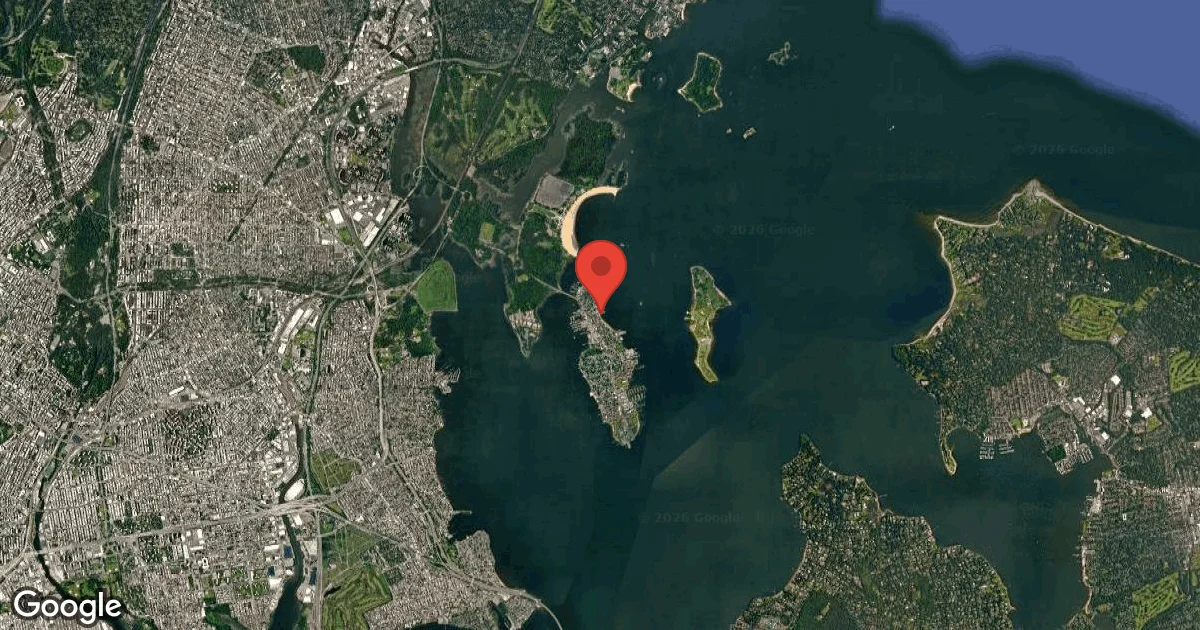
Dive Sites Near Prybil Beach
View all dive sites in United StatesDiscover more underwater gems in this area.
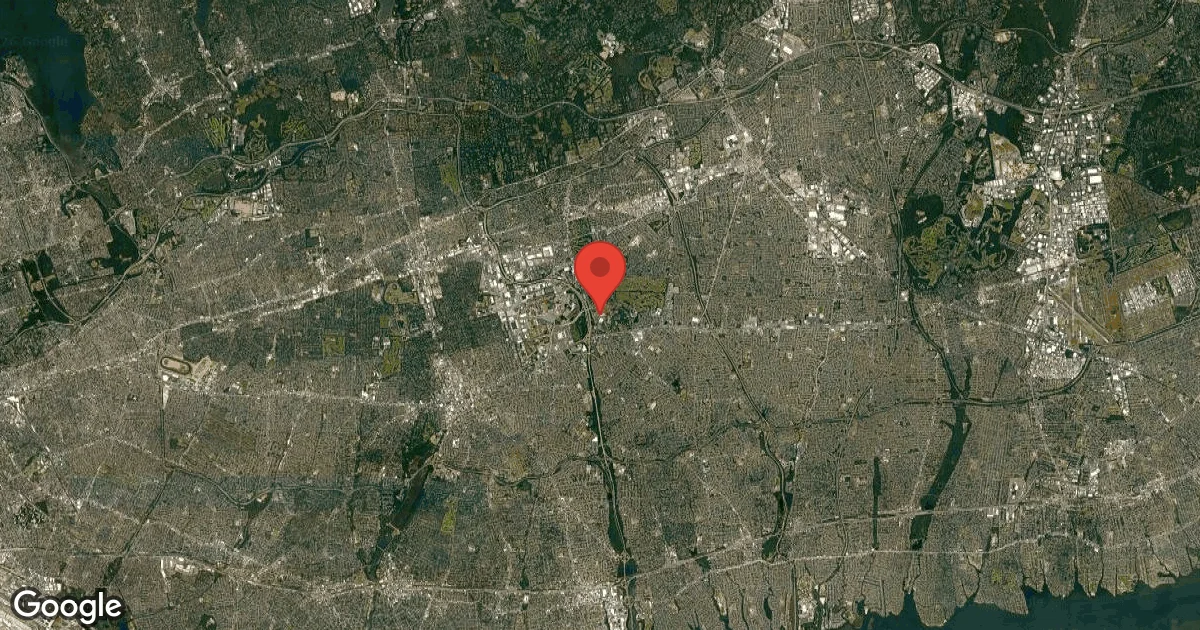
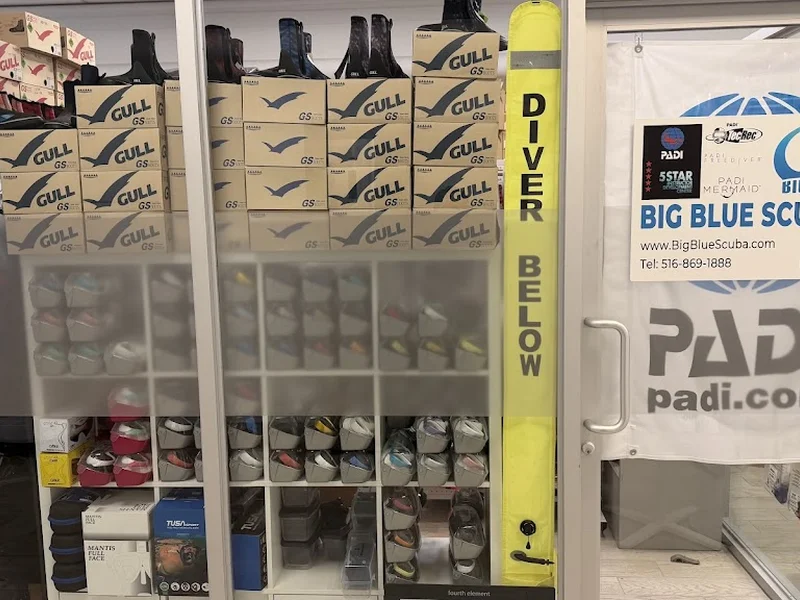
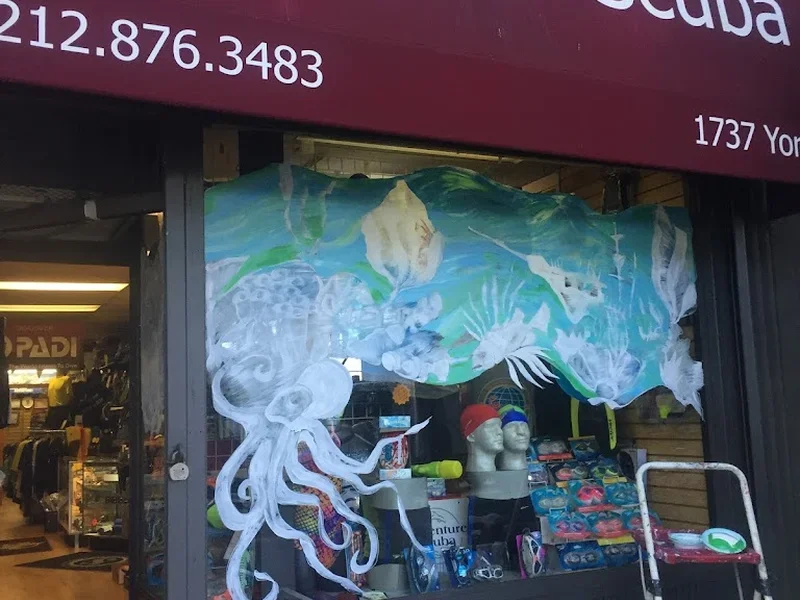
Dive Centers Near Prybil Beach
Nearest Airports
Nearest airports to help plan travel to this dive area.
Search Flights
Check available flights and routes on Expedia, using the nearby airports listed in this section.
Search Flights on Expedia
Plan Your Stay
Looking for a place to stay for your dive trip? Explore hotels, stays, and vacation rentals for dive groups near Lattingtown.
Dive Navigator may earn a commission from these links at no extra cost to you.
Frequently Asked Questions
Is a permit required to dive at Prybil Beach?
Yes, a permit from the town of Glen Cove is required to dive at Prybil Beach. Diving with Scuba Network waives this specific requirement.
What is the typical depth at Prybil Beach?
Prybil Beach offers a gradual slope that typically reaches depths between 3.6 to 7.6 m (12-25 ft). It's considered a good site for beginners and recreational divers.
Are the currents strong at this dive site?
Currents at Prybil Beach are generally mild. Such conditions suit less experienced divers and are ideal for training or refresher courses.
What kind of bottom can I expect?
Prybil Beach features a sandy bottom with a gradual slope. This environment lends itself to observing bottom-dwelling marine life and practicing buoyancy control.
When is the best time to dive at Prybil Beach for good visibility?
Visibility at Prybil Beach is often clearest during high slack tide. This minimizes water movement and prevents the stirring of the sandy bottom.
What kind of marine life might I see?
Divers commonly encounter spider crabs, horseshoe crabs, various conches, and hermit crabs. You might also spot flounder, bluegill, bass, crappie, and occasionally turtles or jellyfish.
Planning to dive Prybil Beach?
Send one inquiry and receive offers directly from the best verified local dive operators.
Conditions are Excellent
07:00 - 14:00
Optimal conditions expected
Current conditions near Prybil Beach show 23° air, --° sea temperature, 0.2 m waves, and 20 km/h wind. Forecast data is refreshed regularly to ensure accuracy.