
Diving at Persephone (United States)
The tanker Persephone met its fate off Barnegat Light in 1942, a casualty of wartime submarine action. Torpedoed by U-593, its stern section remains a significant underwater structure in shallow coastal waters. Exploring here offers a poignant reminder of maritime history for divers on the New Jersey coastline.
As evening covers Persephone, the local air temperature is measured at 22°C. The current wave height at the surface is recorded at 0.6 m. These late-day readings characterize the surface conditions for the night.
Dive Site Location & Key Facts
Dive Site Overview
Torpedoed by a German U-boat on May 25, 1942, the Persephone was a large tanker en route to New York when struck on its starboard side. Its master quickly gave orders to abandon ship as cargo oil began to burn; a Coast Guard patrol boat subsequently rescued her crew.
Following the attack, convoy escorts and aircraft counterattacked, damaging the U-boat. Breaking in two, the bow section was eventually salvaged and towed to New York, recovering over 21,000 barrels of oil.
Her midship house was also removed and reused on another tanker, the Livingston Roe. Remaining as a hazard to navigation, its stern section, jutting out of depths around 15 m (50 ft), led the Coast Guard to later blow up the remaining portion. Today, this site offers a scattered but substantial wreck footprint.
Conditions are Good
Optimal conditions expected
Current conditions near Persephone show 22° air, 24° sea temperature, 1.0 m waves, and 31 km/h wind. Forecast data is refreshed regularly to ensure accuracy.
Best Time to Dive
For diving the Persephone, identifying months with stable, pleasant surface conditions and good dive scores is key. Climate data indicates May through August, and November, typically offer favorable opportunities. During these periods, air temperatures range from a comfortable 16-25.5°C (61-78°F) in the summer months. Wave heights are often at their lowest, around 0.8-0.9 meters. Rainfall is generally minimal across these months, contributing to potentially clearer surface conditions. Although water temperature data is not consistently reported, planning for warmer air usually correlates with more enjoyable overall dive experiences.
PEAK SEASON SCORE
Scores combine air & water temps, waves, wind & rainfall for overall conditions.
BEST MONTHS TO DIVE
Monthly records compiled from satellite and marine observation nodes over the last 3 years. Data provided by Open-Meteo and MET Norway.
Dive Experience & Conditions
Descending to the Persephone, divers encounter the remnants of a large tanker lying in approximately 15 m (50 ft) of water. Primarily, one finds the broken stern section, deliberately blown up after it became a navigational hazard. Divers might find wreck debris in a relatively low-lying, scattered state, with fields marking where the vessel's structure once stood more intact. Among observable features are distinctive triangle-shaped dogs on portholes, indicating specific parts of the ship's internal layout. While currents can vary based on tides and local weather, its shallow depth means conditions can change quickly. Visibility here isn't always extensive but often provides enough clarity to appreciate existing structure and marine life that has colonized the site.
Dive Difficulty & Safety Guidelines
Navigating any wreck requires a cautious approach, and the Persephone is no exception given its historical demolition. Divers should maintain strong buoyancy control to avoid disturbing sediment, which can quickly reduce visibility. Considering the fragmented nature of the stern section, entanglement hazards from loose cables or plating can exist; carrying a cutting tool is advisable.
Always dive with a reliable buddy and carry appropriate signaling devices, especially since the site is less than 3 miles off an inlet, potentially in an active boating channel. Familiarize yourself with currents typical for the area before entry; tidal planning is crucial to maximize enjoyment and safety.
Recommended Equipment
- Dive Computer
This gear list is based on verified equipment signals for Persephone, United States. Always confirm final gear choices with your dive operator, guide, or liveaboard.
Recommended Dive Suit
Repeated dives during the same day can gradually reduce overall body warmth.
Divers exploring Persephone today will likely encounter water temperatures close to 24°C (74°F). Surface air temperatures are resting at 22°C (72°F). Divers spending extended time underwater often rely on 3-5mm wetsuit for balanced warmth and flexibility. Surface intervals may feel cooler.
Environmental conditions may feel slightly cooler as the week progresses. Cooler days are ahead; you might want a warmer option for later in the week. A thicker wetsuit may be worth considering for extended dives.
Emergency & Medical Support
Essential information to help you plan your dive trip to Persephone.

Hyperbaric chambers are a critical part of dive safety infrastructure. Availability varies significantly by region, and not all dive areas have immediate access.
Before diving, it's recommended to:
- confirm nearest medical facilities
- check emergency procedures with local dive operators
- ensure dive insurance covers evacuation if required
Divers Alert Network
Diving emergency assistance available through DAN World.
+1-919-684-9111- 24/7 emergency hotline
- Diving medical assistance
- Evacuation coordination
Emergency contacts are provided for reference. Always verify local emergency services before diving.
Marine Life at Persephone
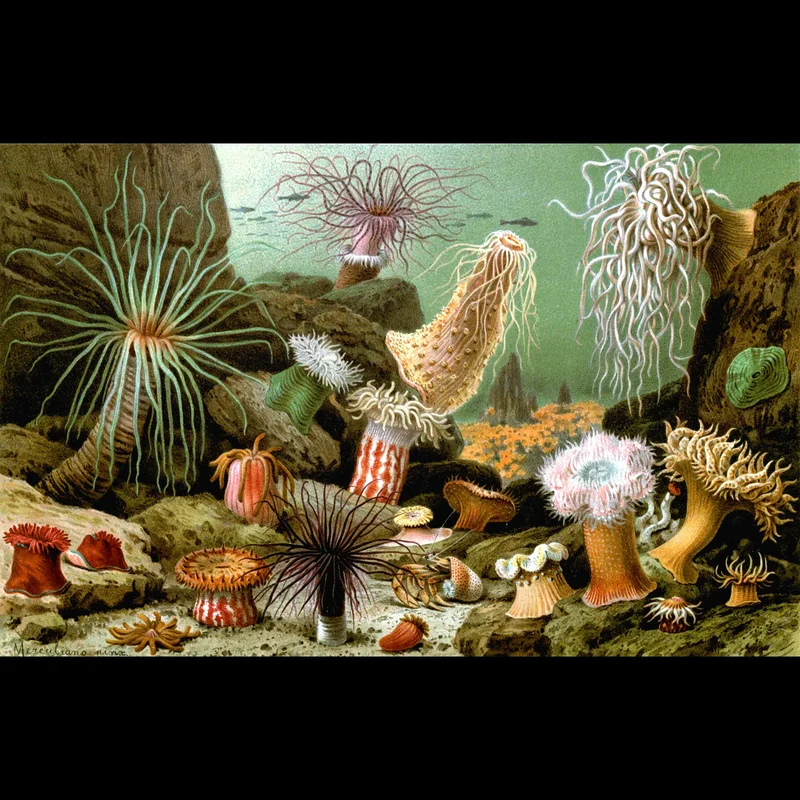
Upon exploring the Persephone's structure, divers often notice common temperate reef inhabitants. Scattered sections and metal plating create a suitable substrate for various sessile invertebrates, including anemones and sponges.
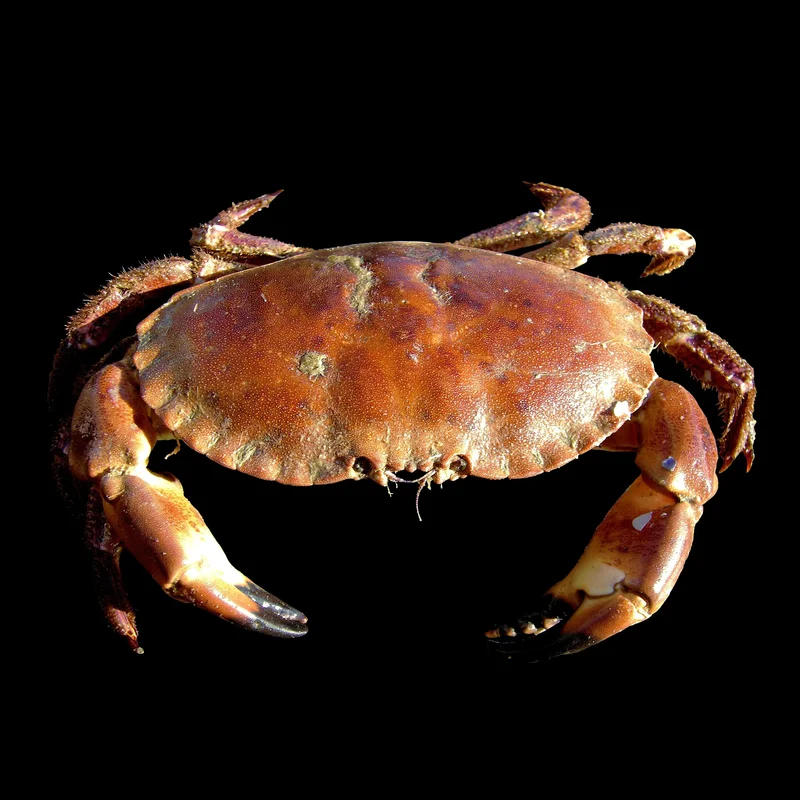
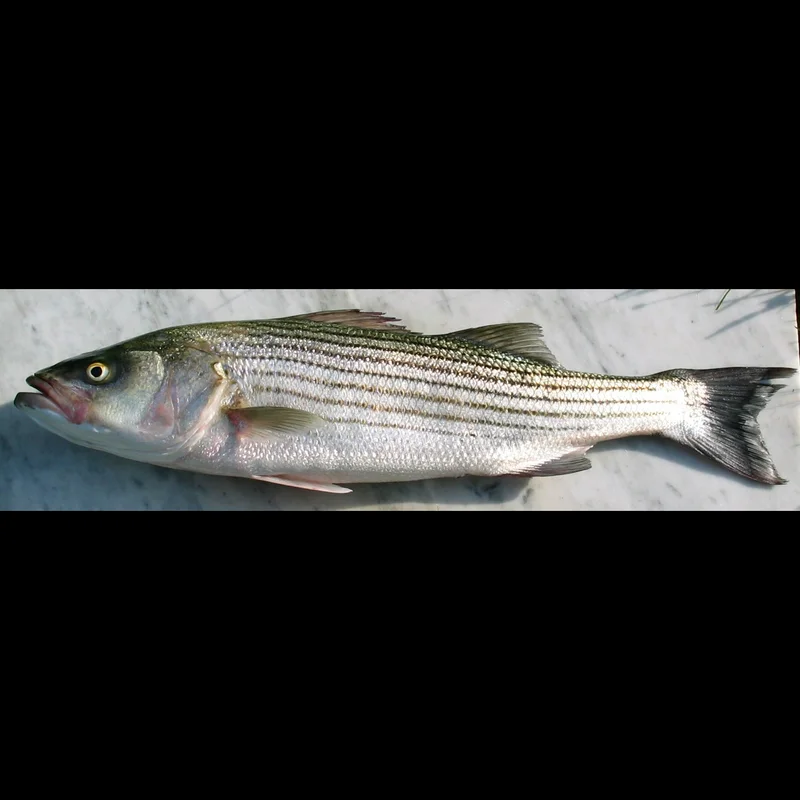
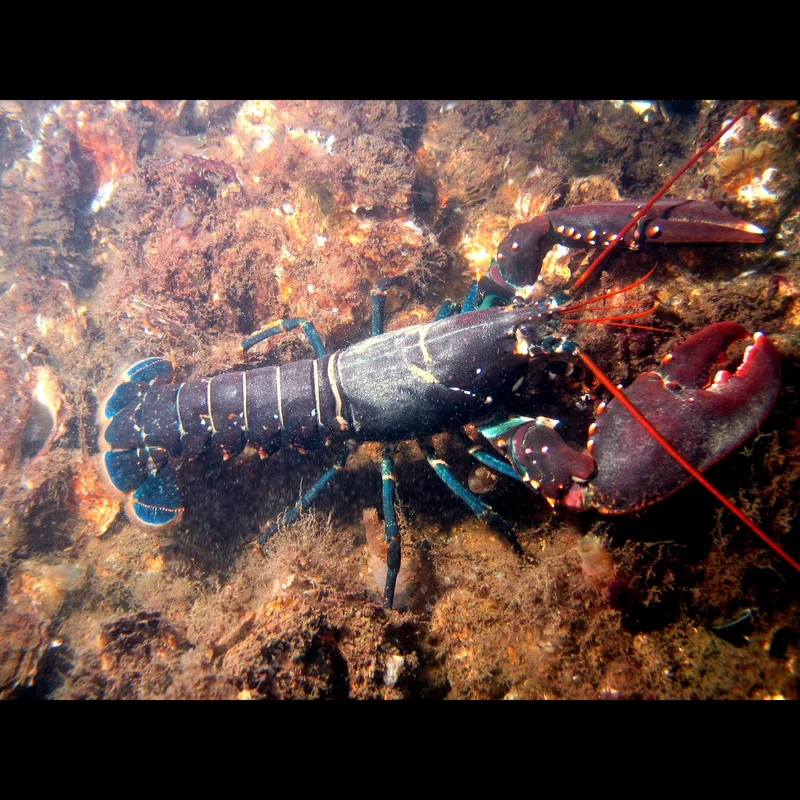
Local fish species, such as tautog and black sea bass, are frequently observed sheltering within crevices and underneath larger pieces of wreckage. Divers might also spot crustaceans like crabs and lobsters making their homes within the wreck's protective nooks. An artificial reef like this provides crucial habitat for a diverse array of coastal organisms.
Dive Centers Near Persephone
Today: 08:00 - 18:00

Nearest Airports
Nearest airports to help plan travel to this dive area.
Search Flights
Check available flights and routes on Expedia, using the nearby airports listed in this section.
Search Flights on Expedia
Plan Your Stay
Looking for a place to stay for your dive trip? Explore hotels, stays, and vacation rentals for dive groups near Barnegat Light.
Dive Navigator may earn a commission from these links at no extra cost to you.
Frequently Asked Questions
What kind of vessel was the Persephone?
Persephone was a large tanker, tragically torpedoed during World War II by a German U-boat. It was carrying a significant cargo of oil when attacked.
What is the maximum depth of the Persephone wreck?
Wreckage of the Persephone lies in shallow water, at depths around 15 m (50 ft). Such depths make it accessible for most certified recreational divers.
What happened to the Persephone after it was torpedoed?
After being torpedoed, the tanker broke in two. Its bow section was salvaged, and its midship house removed for reuse. A remaining stern section, posing a hazard to navigation, was later blown up by the US Coast Guard.
Is the Persephone wreck intact?
No, Persephone's wreck is not intact. It consists primarily of a fragmented stern section and scattered debris, a result of the initial torpedo impact and subsequent Coast Guard demolition efforts.
What can divers expect to see at the Persephone wreck?
Divers can expect to explore scattered wreckage, including plating and structural elements of the stern section. Features like distinctive triangle-shaped porthole dogs may be visible. Various temperate marine life like fish and invertebrates inhabit the site.
Are there any unique features on the Persephone?
Yes, records indicate that portholes with distinctive triangle-shaped dogs are a notable feature found on the Persephone. These details can help divers identify parts of the original vessel.
Planning to dive Persephone?
Send one inquiry and receive offers directly from the best verified local dive operators.
Conditions are Good
Optimal conditions expected
Current conditions near Persephone show 22° air, 24° sea temperature, 1.0 m waves, and 31 km/h wind. Forecast data is refreshed regularly to ensure accuracy.