
Diving at Redfish Pass Reef (United States)
Embark on an accessible dive experience at Redfish Pass Reef, a significant component of the Collier County Artificial Reef Program near Marco Island. This shallow, boat-accessed site draws divers seeking an engaging encounter with coastal marine life and established artificial structures. It provides a straightforward underwater exploration for certified divers, highlighting the sustained effort to create vibrant aquatic habitats.
Tonight's objective overview for Redfish Pass Reef shows an air temperature of 26°C. The measured surface conditions include wave heights around 0.4 m. This environmental data is logged for the close of the day.
Dive Site Location & Key Facts
Dive Site Overview
Redfish Pass Reef's underwater terrain is shaped by its artificial structures, part of the Collier County Artificial Reef Program dating back to the 1970s and augmented through 1997. Composed of diverse concrete materials and boulders, this shallow reef environment lies only a couple of miles out of Caxambas Pass.
Divers navigate over and around these structures, which collectively form a varied habitat for a range of fish and soft corals. Reaching a maximum depth of 7.6 m (24 ft), the site is accessible exclusively by boat, typically requiring a short trip from shore. While generally a shallow reef, conditions here mean visibility rarely extends beyond 4.5 m (15 ft) due to its proximity to the coastline, necessitating careful navigation and attention to detail.
The site is well-suited for divers seeking a relaxed, shallow exploration within a developed artificial reef system.
Conditions are Good
Optimal conditions expected
Current conditions near Redfish Pass Reef show 26° air, 31° sea temperature, 0.2 m waves, and 24 km/h wind. Forecast data is refreshed regularly to ensure accuracy.
Best Time to Dive
Optimizing your dive for visibility is key at Redfish Pass Reef, given its nearshore location where clarity rarely extends beyond 4.5 m (15 ft). Calm seas and minimal rainfall generally improve conditions here. Looking at average climate data, July stands out with the lowest average wave height at 0.4 m (1.3 ft) and a favorable dive score of 9 (Excellent), presenting potentially clearer conditions. Other months from February through November also maintain good dive scores, with average wave heights typically ranging between 0.5 m to 0.9 m (1.6 ft to 3 ft). Air temperatures fluctuate significantly, ranging from approximately 17°C (63°F) in January and February to highs around 29°C (84°F) in July and August. While water temperatures are not consistently reported for this specific site, they generally align with seasonal air temperature trends. Rainfall is minimal through spring and fall, but experiences an increase during June, August, and September, which could temporarily affect local water clarity. Planning dives during periods of lower rain and calmer wave conditions can enhance the experience.
PEAK SEASON SCORE
Scores combine air & water temps, waves, wind & rainfall for overall conditions.
BEST MONTHS TO DIVE
Monthly records compiled from satellite and marine observation nodes over the last 3 years. Data provided by Open-Meteo and MET Norway.
Dive Experience & Conditions
Redfish Pass Reef presents a consistently shallow dive profile, reaching a maximum depth of 7.6 m (24 ft). Its accessibility suits divers of varying experience levels, including PADI Open Water and Advanced Open Water certified individuals. An array of concrete materials and boulders comprises the artificial reef, providing ample structures to explore. During the dive, expect to encounter a diverse range of soft corals and numerous fish species utilizing these habitats. Visibility, influenced by its nearshore placement, is typically limited and reported to rarely exceed 4.5 m (15 ft). Such limited visibility mandates close attention to your dive buddy and underwater landmarks. Conditions can vary, so assessing real-time factors like recent rainfall and wave action is crucial for a productive dive experience. Despite the shallower sections, the site offers enough complexity within its artificial structures to keep divers engaged.
Dive Difficulty & Safety Guidelines
Given the nearshore placement and boat-only access for Redfish Pass Reef, diver safety protocols primarily revolve around boat traffic awareness. Always deploy a dive flag and consider carrying a Surface Marker Buoy (SMB) to enhance visibility to surface vessels. With typical underwater visibility rarely exceeding 4.5 m (15 ft), maintaining close contact with your buddy and frequent checks of gauges are essential.
The relatively shallow maximum depth of 7.6 m (24 ft) minimizes decompression risks but still requires adherence to safe ascent rates. It's prudent to review standard safe diving practices and ensure all equipment, including a dive knife, is in good working order before entering the water.
No specific unique hazards are reported for this particular site, but general ocean awareness is always advised.
Recommended Equipment
- Dive Computer
This gear list is based on verified equipment signals for Redfish Pass Reef, United States. Always confirm final gear choices with your dive operator, guide, or liveaboard.
Recommended Dive Suit
Water temperatures at Redfish Pass Reef are currently estimated to be around 31°C (87°F), shaping the overall diving conditions for today. Surface air temperatures are resting at 26°C (78°F).
Many divers choose dive skin or rash guard when diving in similar conditions. A hood or vest is suggested for sensitive divers due to surface winds.
Forecast models show minimal temperature variation in the coming days.
Emergency & Medical Support
Essential information to help you plan your dive trip to Redfish Pass Reef.

Hyperbaric chambers are a critical part of dive safety infrastructure. Availability varies significantly by region, and not all dive areas have immediate access.
Before diving, it's recommended to:
- confirm nearest medical facilities
- check emergency procedures with local dive operators
- ensure dive insurance covers evacuation if required
Divers Alert Network
Diving emergency assistance available through DAN World.
+1-919-684-9111- 24/7 emergency hotline
- Diving medical assistance
- Evacuation coordination
Emergency contacts are provided for reference. Always verify local emergency services before diving.
Marine Life at Redfish Pass Reef
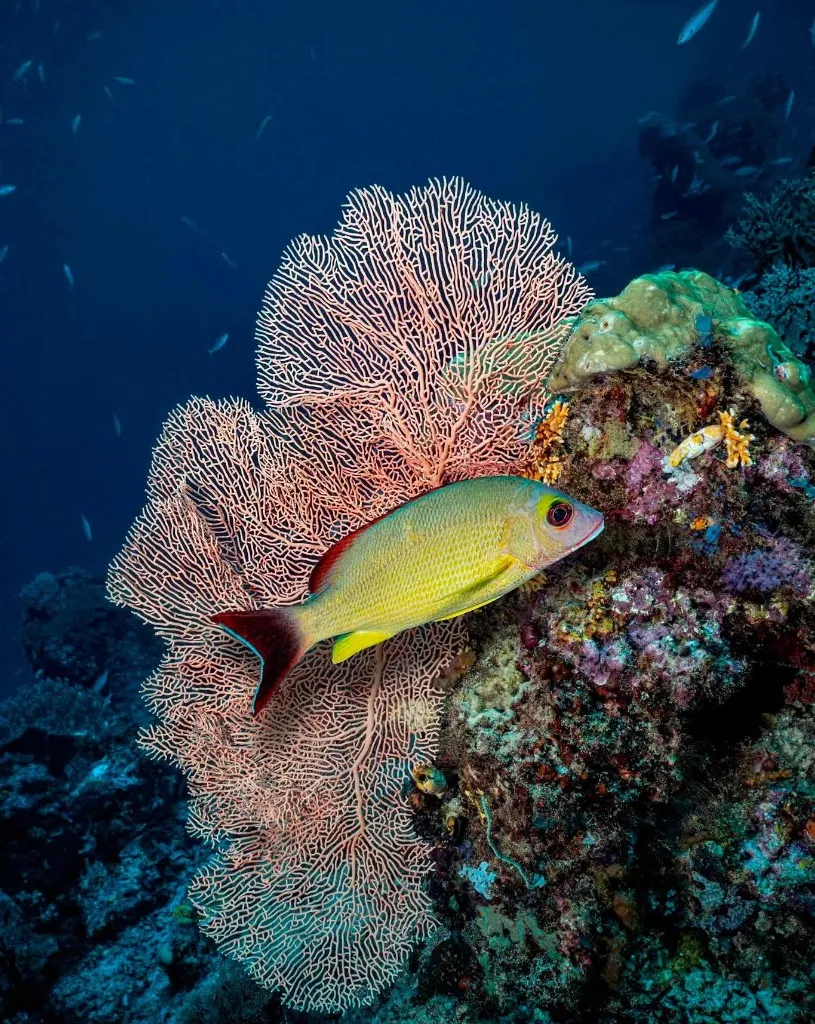
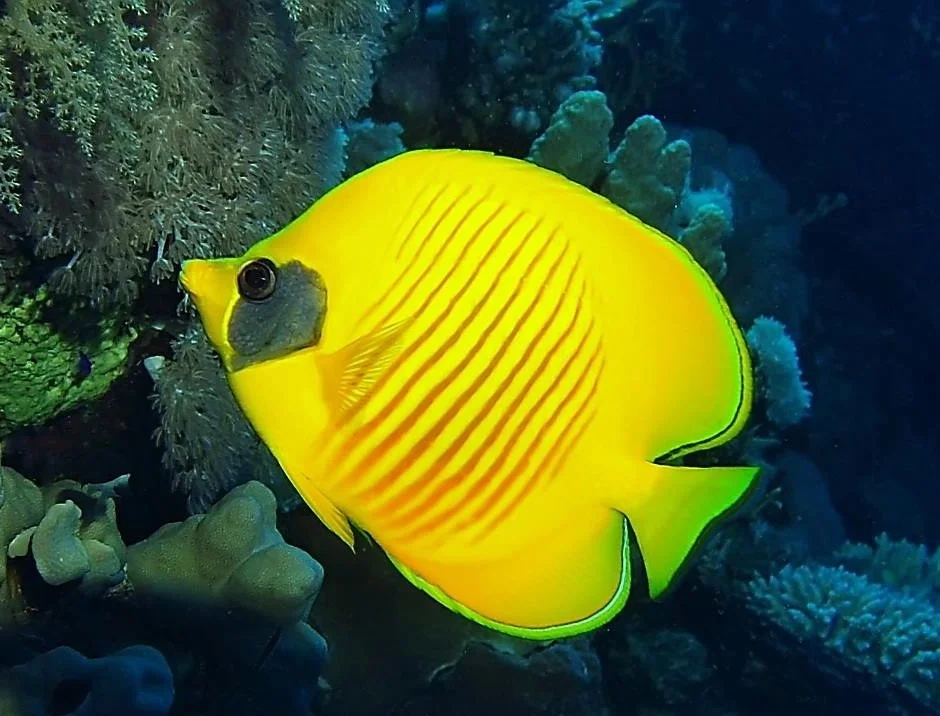
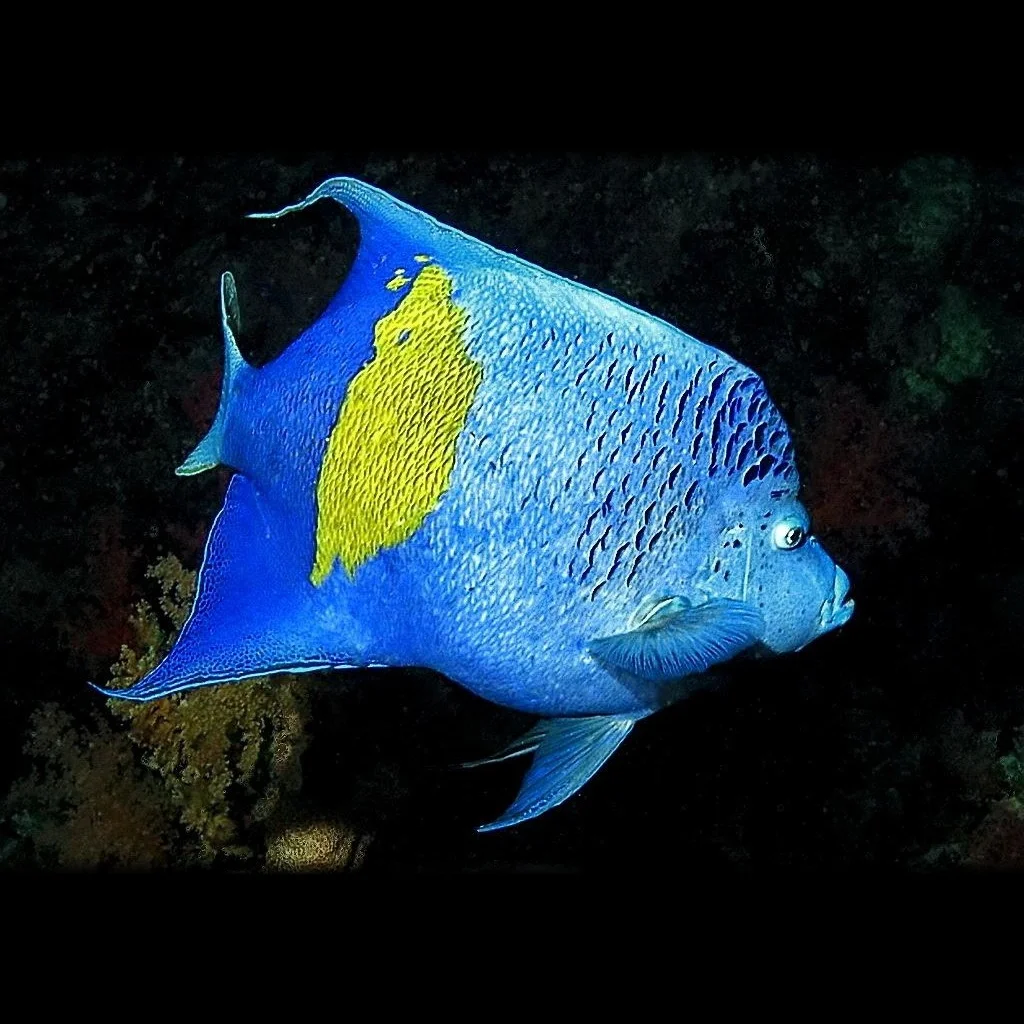
The artificial reef structures at Redfish Pass Reef provide essential habitat for a variety of marine life. Divers regularly encounter species such as grouper, angelfish, and triggerfish navigating the concrete formations.
Butterflyfish and snapper often school among the boulders, alongside pork fish and sheepshead. It’s also possible to spot Goliath Groupers occasionally utilizing the larger structures.
The soft corals adhering to the reef create a vibrant backdrop for these resident fish, contributing to the site's ecological diversity.

Dive Centers Near Redfish Pass Reef
Today: 11:00 - 15:00

Nearest Airports
Nearest airports to help plan travel to this dive area.
Search Flights
Check available flights and routes on Expedia, using the nearby airports listed in this section.
Search Flights on Expedia
Plan Your Stay
Looking for a place to stay for your dive trip? Explore hotels, stays, and vacation rentals for dive groups near Captiva.
Dive Navigator may earn a commission from these links at no extra cost to you.
Frequently Asked Questions
What is the maximum depth at Redfish Pass Reef?
The maximum recorded depth for Redfish Pass Reef is 7.6 meters (24 feet). This shallow profile makes it accessible for various certification levels.
What type of dive site is Redfish Pass Reef?
Redfish Pass Reef is an artificial reef site, part of the Collier County Artificial Reef Program. It consists of concrete materials and boulders deployed to create marine habitats.
Is Redfish Pass Reef suitable for beginner divers?
Yes, its shallow depth of 7.6 m (24 ft) makes Redfish Pass Reef suitable for Open Water certified divers and those looking for a less challenging dive.
What is the typical visibility at Redfish Pass Reef?
Due to its nearshore location, visibility at Redfish Pass Reef rarely gets better than 4.5 meters (15 feet). Conditions can fluctuate based on weather and recent rainfall.
What marine life can divers expect to see at Redfish Pass Reef?
Divers commonly observe grouper, angelfish, triggerfish, butterflyfish, snapper, pork fish, and sheepshead. Goliath Groupers are also sighted occasionally, and the structures are adorned with various soft corals.
How is the dive entry at Redfish Pass Reef?
Access to Redfish Pass Reef is exclusively by boat. Divers will need to arrange boat transport to reach the dive site from shore.
When is the best time to dive Redfish Pass Reef for optimal conditions?
Based on climate data, July generally offers the lowest average wave heights, contributing to potentially better dive conditions and a high dive score. However, many months between February and November also offer good dive scores.
Planning to dive Redfish Pass Reef?
Send one inquiry and receive offers directly from the best verified local dive operators.
Conditions are Good
Optimal conditions expected
Current conditions near Redfish Pass Reef show 26° air, 31° sea temperature, 0.2 m waves, and 24 km/h wind. Forecast data is refreshed regularly to ensure accuracy.