
Diving at Rfra Reef #12 (United States)
RFRA Reef #12 generally presents a recreational depth profile, making it accessible for a range of certified divers. While specific depths can vary, divers commonly explore sections ranging from shallow tops at around 8-15 m (25-50 ft) to deeper areas that might extend to 25-30 m (80-100 ft). This variability allows for flexible dive planning, accommodating different certification levels and interests within its underwater terrain.
Tonight's objective overview for Rfra Reef #12 shows an air temperature of 27.5°C. The measured surface conditions include wave heights around 0.7 m. This environmental data is logged for the close of the day.
Dive Site Location & Key Facts
Dive Site Overview
Exploring the structure of RFRA Reef #12 reveals a varied underwater topography, which may include natural patch reef formations or artificial structures designed to foster marine growth. Similar to other reef systems in the US, divers might encounter a mix of low-lying coral formations, sandy expanses, and occasional ledges or crevices that provide shelter for marine life.
Surface conditions are generally favorable, with average wave heights typically ranging from 0.5 to 1.0 m (1.6 to 3.3 ft) throughout the year, suggesting a relatively calm environment for boat operations and entry. Wind speeds usually fall between 22-31 km/h (14-19 mph). Visibility is not consistently reported for this specific site but often fluctuates with local weather patterns and nutrient loads, tending to be clearer during periods of lower rainfall.
During periods of higher rainfall, averaging 2-5 mm (0.08-0.2 inches) monthly, some reduction in clarity near the surface could be observed.
Conditions are Excellent
07:00 - 14:00
Optimal conditions expected
Current conditions near Rfra Reef #12 show 27° air, 30° sea temperature, 0.4 m waves, and 22 km/h wind. Forecast data is refreshed regularly to ensure accuracy.
Best Time to Dive
Considering visibility as a key factor, the best time to dive RFRA Reef #12 aligns with periods of stable weather and calmer seas. The dive scores remain consistently 'Good' throughout the entire year, indicating general suitability for diving. Visibility tends to improve when wave heights are lower, particularly from July through September, when average waves drop to 0.5-0.7 m (1.6-2.3 ft). Air temperatures are warm during these months, peaking around 29°C (84°F) in August, which can contribute to comfortable surface conditions. Rainfall is moderate year-round, typically between 2-5 mm (0.08-0.2 inches) per month, which means runoff impacting visibility is usually minimal but can vary after heavy storms. While consistent water temperature data is limited, the ambient air temperatures, ranging from 12°C (54°F) in winter to 29°C (84°F) in summer, suggest a wide range of water conditions that divers should prepare for.
PEAK SEASON SCORE
Scores combine air & water temps, waves, wind & rainfall for overall conditions.
BEST MONTHS TO DIVE
Monthly records compiled from satellite and marine observation nodes over the last 3 years. Data provided by Open-Meteo and MET Norway.
Dive Experience & Conditions
Beginning a dive at RFRA Reef #12, you'll typically descend into a gradual slope or toward the top of a reef structure, often starting around 8-15 m (25-50 ft). Currents here can vary; while often mild, they may occasionally be moderate to strong depending on tidal shifts or regional weather patterns, requiring divers to be mindful of their position. Water conditions generally reflect ambient air temperatures, with comfortable ranges experienced during warmer months, though specific water temperature readings are not consistently reported. Moving through shallower sections, divers might encounter abundant reef fish navigating the coral formations. Progression to deeper areas, which can extend down to 30 m (100 ft), might lead to different species and larger organisms, where the reef structure often transitions to sandy flats or more complex outcroppings. The overall experience is tailored for recreational divers, but situational awareness regarding currents is always beneficial.
Dive Difficulty & Safety Guidelines
Divers at RFRA Reef #12 should prioritize safety by remaining aware of potential currents. While often manageable, these can sometimes intensify, making drift diving a possibility in certain areas. It's advisable to check local conditions and forecasts before entering the water.
Boat traffic may be present, particularly near common mooring points or popular reef areas, so deploying a surface marker buoy upon ascent is a standard and recommended practice. As with any reef environment, maintaining neutral buoyancy helps protect fragile coral structures from accidental contact.
Divers should also practice responsible interactions with marine life, observing from a respectful distance without touching or disturbing the ecosystem. Entry and exit procedures should be reviewed with the dive operator, particularly if surface wave heights are elevated.
Recommended Equipment
- Dive Computer
This gear list is based on verified equipment signals for Rfra Reef #12, United States. Always confirm final gear choices with your dive operator, guide, or liveaboard.
Recommended Dive Suit
According to recent observations, water temperatures near Rfra Reef #12 are approximately 30°C (86°F). Surface air temperatures are resting at 27°C (81°F).
Current forecasts indicate relatively stable conditions for the coming days.
Most divers exploring waters at this temperature rely on dive skin or rash guard for effective insulation. A hood or vest is suggested for sensitive divers due to surface winds. Water temperature is only one factor influencing overall comfort during a dive.
Emergency & Medical Support
Essential information to help you plan your dive trip to RFRA Reef #12.

Hyperbaric chambers are a critical part of dive safety infrastructure. Availability varies significantly by region, and not all dive areas have immediate access.
Before diving, it's recommended to:
- confirm nearest medical facilities
- check emergency procedures with local dive operators
- ensure dive insurance covers evacuation if required
Divers Alert Network
Diving emergency assistance available through DAN World.
+1-919-684-9111- 24/7 emergency hotline
- Diving medical assistance
- Evacuation coordination
Emergency contacts are provided for reference. Always verify local emergency services before diving.
Marine Life at Rfra Reef #12
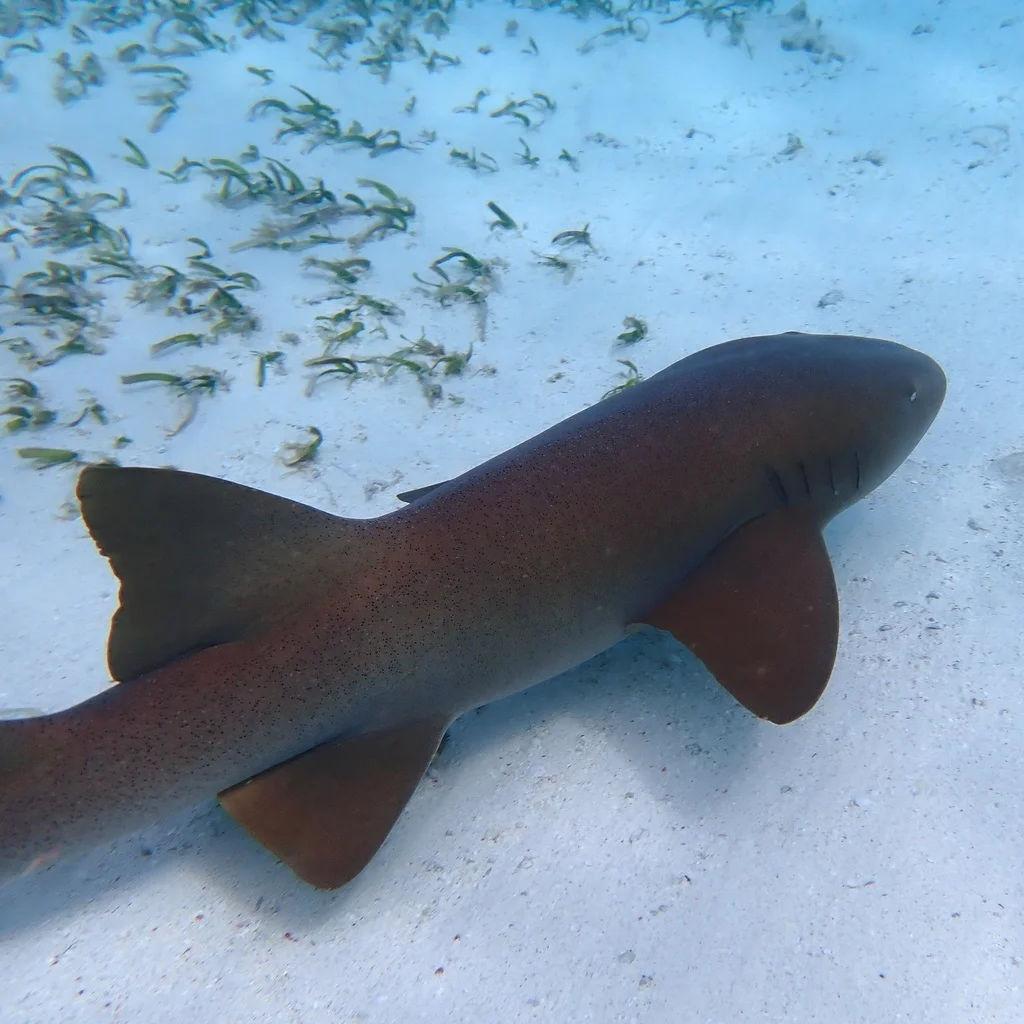
The underwater landscape of RFRA Reef #12 provides a habitat for a diverse array of marine life. Within its coral formations and sandy bottom sections, divers might encounter schools of various reef fish, nurse sharks, and different species of eels.
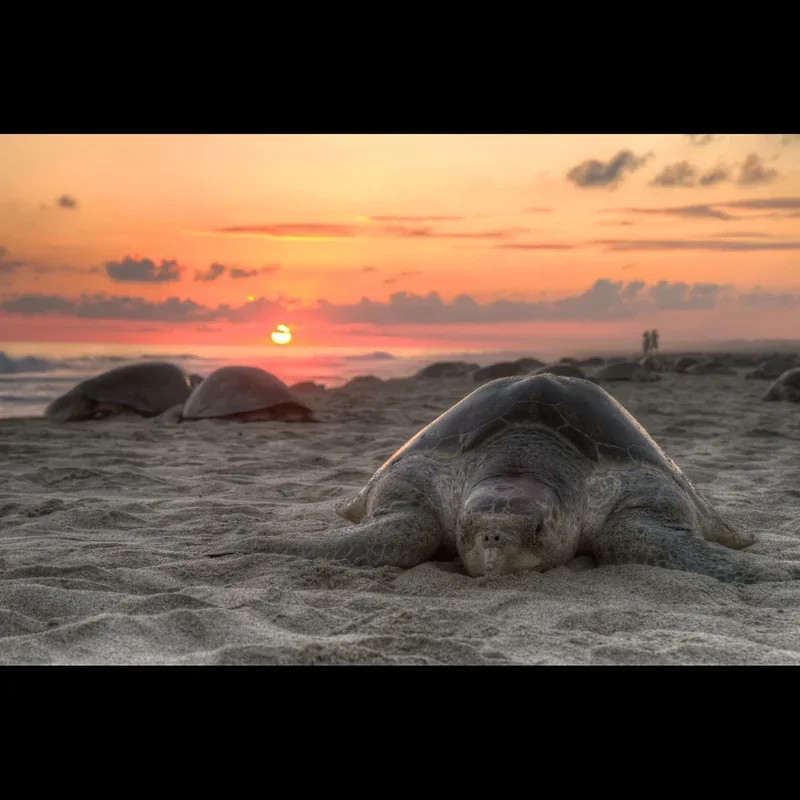
Occasional sightings of sea turtles gracefully navigating the reef are possible, adding to the richness of the experience. Rays might be observed gliding over the sand near the reef's edge.
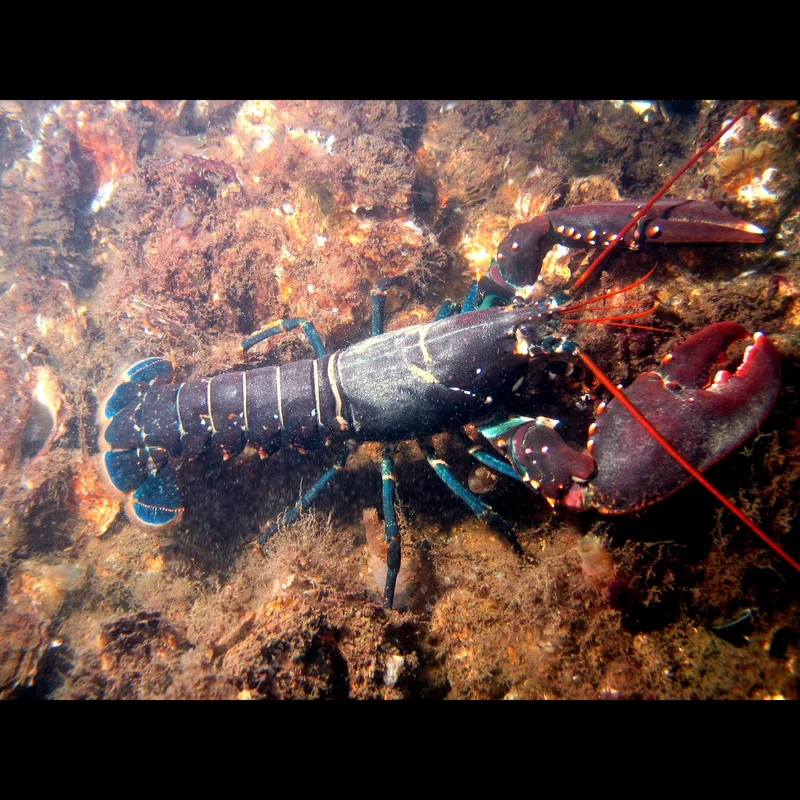
Crustaceans, such as lobsters, often find shelter within the crevices and under ledges. The general health of the reef encourages a vibrant ecosystem typical of similar US reef environments.

Dive Centers Near Rfra Reef #12

Today: 10:00 - 18:00
Nearest Airports
Nearest airports to help plan travel to this dive area.
Search Flights
Check available flights and routes on Expedia, using the nearby airports listed in this section.
Search Flights on Expedia
Plan Your Stay
Looking for a place to stay for your dive trip? Explore hotels, stays, and vacation rentals for dive groups near Gulf Breeze.
Dive Navigator may earn a commission from these links at no extra cost to you.
Frequently Asked Questions
What is the typical depth range for diving RFRA Reef #12?
RFRA Reef #12 offers a recreational depth range, with shallower sections often found at 8-15 m (25-50 ft) and deeper areas extending to around 25-30 m (80-100 ft). This range makes the site suitable for various certification levels.
Are there strong currents at RFRA Reef #12?
Currents at RFRA Reef #12 can vary. While often mild, they may occasionally be moderate to strong depending on local tidal shifts and broader weather patterns. Divers should always check current conditions before diving.
What kind of marine life can I expect to see?
Divers exploring RFRA Reef #12 might encounter a variety of marine life, including schools of reef fish, nurse sharks, and eels. Sea turtles and rays are also commonly sighted, along with various crustaceans hidden within the reef structures.
What are the best months for diving RFRA Reef #12?
The dive scores for RFRA Reef #12 are consistently 'Good' year-round. For potentially better visibility and calmer surface conditions, the months of July through September, which feature lower average wave heights and warmer air temperatures, are often favorable.
What is the water temperature like?
Specific water temperature data for RFRA Reef #12 is not consistently reported. However, water conditions typically reflect ambient air temperatures, which range from about 12°C (54°F) in winter to 29°C (84°F) in summer.
Is RFRA Reef #12 suitable for beginner divers?
Yes, RFRA Reef #12 often has shallower sections and a generally recreational depth profile that can be suitable for beginner divers. However, conditions such as currents can vary, so beginners should dive with appropriate guidance.
Planning to dive Rfra Reef #12?
Send one inquiry and receive offers directly from the best verified local dive operators.
Conditions are Excellent
07:00 - 14:00
Optimal conditions expected
Current conditions near Rfra Reef #12 show 27° air, 30° sea temperature, 0.4 m waves, and 22 km/h wind. Forecast data is refreshed regularly to ensure accuracy.