
Diving at Rube Allyn Reef (United States)
Rube Allyn Reef presents itself as a purposeful underwater structure designed to attract marine life and offer divers a clear target. Its composition as an artificial reef means its contours and features are distinct, providing good visual references. Depending on local currents and weather patterns, visibility can vary, yet the reef's presence typically creates a discernible focal point for divers. Intended to foster diverse ecosystems, the structure makes it a productive dive site when conditions align.
Tonight's objective overview for Rube Allyn Reef shows an air temperature of 27°C. The measured surface conditions include wave heights around 0.6 m. This environmental data is logged for the close of the day.
Dive Site Location & Key Facts
Dive Site Overview
Descending into the waters above Rube Allyn Reef provides an immediate sense of purpose, as divers approach a substantial artificial structure situated to enhance marine habitat and recreational diving opportunities. Typically, the site lies within common recreational diving depths, ranging from shallower sections to a maximum depth that can extend to around 30 m (100 ft), though depths vary based on the specific structures.
Air temperatures generally range from 16°C (61°F) in February to 29°C (84°F) in August, influencing topside comfort more than underwater conditions. Average wave heights frequently remain below 1 meter (3 feet), especially from May through September, contributing to more stable boat conditions. Wind speeds vary, but generally fall between 21 and 33 km/h (13-21 mph), which can impact surface chop.
Rain levels are typically low, with August sometimes seeing higher averages around 8 mm (0.3 inches). Diving involves navigating the various components of the artificial reef, offering numerous nooks and crannies for exploration.
Conditions are Good
Optimal conditions expected
Current conditions near Rube Allyn Reef show 27° air, 30° sea temperature, 0.5 m waves, and 29 km/h wind. Forecast data is refreshed regularly to ensure accuracy.
Best Time to Dive
Planning a dive at Rube Allyn Reef is often most favorable during months exhibiting a 'Good' dive score, which includes much of the year, particularly from February through November. April, May, July, and November consistently show strong dive scores. During these periods, air temperatures are generally comfortable, ranging from 22.5°C (72°F) in April to 28.5°C (83°F) in July, making surface intervals pleasant. Wave heights tend to be lower from May through September, averaging around 0.5 to 0.7 meters (1.6 to 2.3 feet), which can contribute to smoother boat rides and potentially better underwater visibility. Rainfall is typically modest, with average monthly totals usually less than 4 mm (0.16 inches) outside of August. Water temperature is not consistently reported for this specific location, however, relying on the overall climate data for air temperature and wave conditions provides a reliable guide for planning. Lower wind speeds, particularly in July, also suggest calmer surface conditions.
PEAK SEASON SCORE
Scores combine air & water temps, waves, wind & rainfall for overall conditions.
BEST MONTHS TO DIVE
Monthly records compiled from satellite and marine observation nodes over the last 3 years. Data provided by Open-Meteo and MET Norway.
Dive Experience & Conditions
Rube Allyn Reef's structural composition dictates a distinct dive experience, focusing on exploring its artificial components. These structures are typically deployed across a range of depths suitable for certified recreational divers. Navigating through the various elements of the reef allows divers to observe the intricate ways marine life utilizes these man-made habitats. While specific visibility and current data are not consistently reported for this site, conditions can vary based on local weather, tides, and seasonal plankton blooms. Divers should be prepared for potential moderate currents, particularly around more exposed sections of the reef. Maximum depth for the site is within standard recreational limits, allowing for ample bottom time to fully appreciate the established artificial ecosystem.
Dive Difficulty & Safety Guidelines
Diving at Rube Allyn Reef requires adherence to standard safety practices, especially given its nature as an artificial structure. Divers should remain aware of their depth and bottom time, as well as maintaining proper buoyancy control to avoid contact with the reef itself. It's advisable to dive with a buddy, and both divers should be proficient in their equipment use and emergency procedures.
Current conditions can vary, so assessing local forecasts and sea states before entry is crucial; strong currents may challenge less experienced divers.
Furthermore, divers should be mindful of potential entanglement hazards from fishing lines or debris, which can occasionally accumulate on artificial structures. Always carry appropriate cutting tools and be aware of your surroundings.
Recommended Equipment
- Dive Computer
This gear list is based on verified equipment signals for Rube Allyn Reef, United States. Always confirm final gear choices with your dive operator, guide, or liveaboard.
Recommended Dive Suit
Experienced divers often bring flexible gear options.
The water around Rube Allyn Reef is currently holding at approximately 30°C (87°F), setting the tone for today's dives. Surface air temperatures are resting at 27°C (80°F). Divers who spend longer periods underwater often choose dive skin or rash guard. Consider warmer surface protection (like a boat coat) due to brisk winds.
Current forecasts indicate relatively stable conditions for the coming days.
Emergency & Medical Support
Essential information to help you plan your dive trip to Rube Allyn Reef.

Hyperbaric chambers are a critical part of dive safety infrastructure. Availability varies significantly by region, and not all dive areas have immediate access.
Before diving, it's recommended to:
- confirm nearest medical facilities
- check emergency procedures with local dive operators
- ensure dive insurance covers evacuation if required
Divers Alert Network
Diving emergency assistance available through DAN World.
+1-919-684-9111- 24/7 emergency hotline
- Diving medical assistance
- Evacuation coordination
Emergency contacts are provided for reference. Always verify local emergency services before diving.
Marine Life at Rube Allyn Reef
As an established artificial reef, Rube Allyn Reef serves as an important aggregation point for coastal marine species. Structures provide critical shelter and foraging grounds, attracting a variety of fish species seeking refuge.
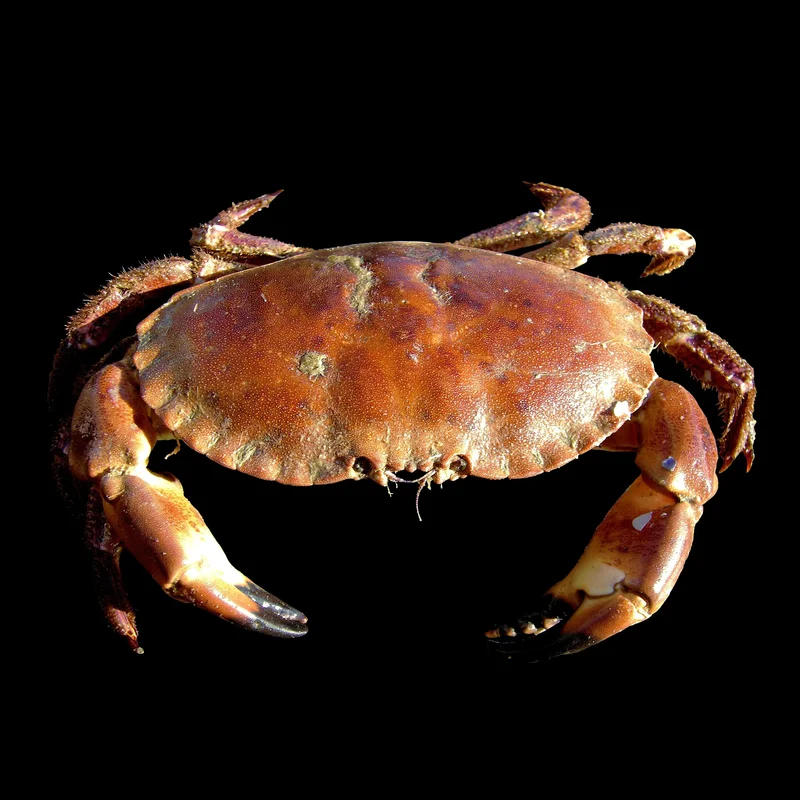
Divers can often observe various schooling baitfish, as well as larger predatory fish that frequent these habitats. Invertebrates such as crabs and various types of shrimp can become home within the reef's crevices.
Surfaces of the artificial structures also encourage the growth of sessile organisms, forming a foundational layer for the reef's developing ecosystem.
Dive Centers Near Rube Allyn Reef
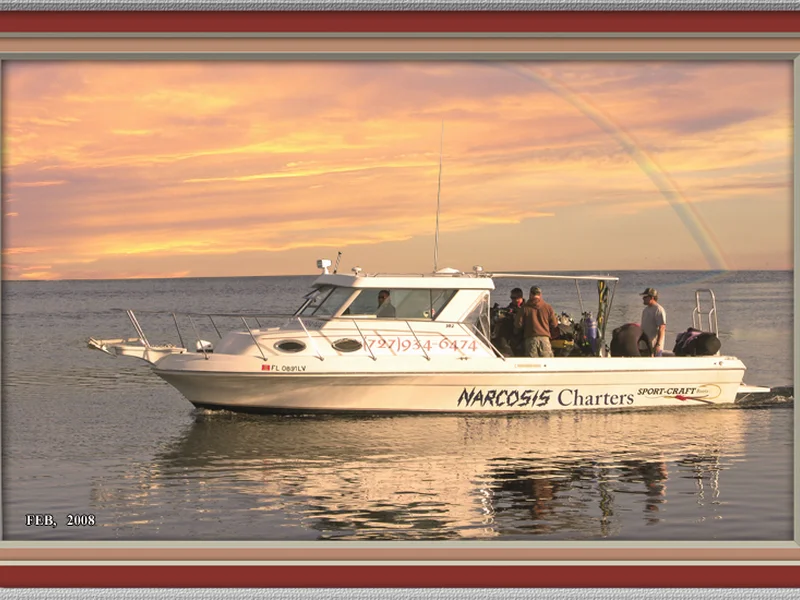
Today: 11:00 - 19:00
Nearest Airports
Nearest airports to help plan travel to this dive area.
Search Flights
Check available flights and routes on Expedia, using the nearby airports listed in this section.
Search Flights on Expedia
Plan Your Stay
Looking for a place to stay for your dive trip? Explore hotels, stays, and vacation rentals for dive groups near Belleair Beach.
Dive Navigator may earn a commission from these links at no extra cost to you.
Frequently Asked Questions
What is the typical depth range for diving Rube Allyn Reef?
Rube Allyn Reef generally offers diving within recreational limits, with structures ranging from shallower areas to a maximum depth of approximately 30 meters (100 feet). Specific depths can vary depending on the particular reef components being explored.
What skill level is required to dive Rube Allyn Reef?
Generally suitable for certified open water divers, the site's conditions, such as currents, can vary. Advanced open water certification or experience in similar environments is recommended for deeper or more exposed sections.
When is the best time of year to dive Rube Allyn Reef?
Diving is typically most favorable from February through November. April, May, July, and November often present 'Good' dive scores, benefiting from comfortable air temperatures, lower wave heights, and minimal rainfall.
What marine life can be seen at Rube Allyn Reef?
As an artificial reef, it attracts various coastal fish species, including schooling fish and predators. Invertebrates like crabs and shrimp also find refuge in its structures, contributing to a developing ecosystem.
What are the common water conditions at the reef?
Specific water conditions are not consistently reported. However, divers should anticipate potential moderate currents and variable visibility depending on local weather, tides, and seasonal factors.
Is boat access required to dive this site?
Yes, Rube Allyn Reef is an offshore artificial reef, requiring boat transportation to reach the dive site. Divers typically access it via local dive charters.
Planning to dive Rube Allyn Reef?
Send one inquiry and receive offers directly from the best verified local dive operators.
Conditions are Good
Optimal conditions expected
Current conditions near Rube Allyn Reef show 27° air, 30° sea temperature, 0.5 m waves, and 29 km/h wind. Forecast data is refreshed regularly to ensure accuracy.