
Diving at Rube Allyn Reef (United States)
For divers seeking exploration of man-made underwater structures, Rube Allyn Reef offers a distinct experience. It's a site that invites careful navigation and appreciation for how artificial environments transform marine habitats. Planning your dive here involves understanding the specific contours and the life drawn to its submerged forms. You'll find yourself observing how nature reclaims and thrives on these engineered foundations.
During this afternoon at Rube Allyn Reef, the recorded air temperature stands at 28°C. The water surface currently features wave heights of 0.7 m. These conditions reflect the midday climate for this dive site.
Dive Site Location & Key Facts
Dive Site Overview
Rube Allyn Reef serves as a foundational artificial reef system, intentionally submerged to create new habitat and dive interest. This site comprises various structures, typically designed to attract diverse marine species and provide complex underwater terrain.
Divers can expect to explore a series of components, which might include concrete culverts, limestone rockpiles, or even retired vessel sections, though specific details about its exact composition aren't consistently reported. The maximum depth encountered at the reef generally falls within recreational limits, allowing for extended bottom times. Over time, these structures become heavily encrusted, forming intricate surfaces that support a rich ecosystem.
Navigating the reef requires attentiveness to its contours, as its configuration creates numerous hiding spots and currents may shift around its features. While no precise depth range is universally stated, divers typically explore areas from shallower sections down to max depths around 30 m (100 ft).
Intention behind such a reef is to foster biodiversity and offer an engaging dive profile, rather than a single, monolithic structure. Its irregular layout ensures each dive can reveal new perspectives and interactions with the localized marine community.
Conditions are Good
Optimal conditions expected
Current conditions near Rube Allyn Reef show 28° air, 31° sea temperature, 0.5 m waves, and 32 km/h wind. Forecast data is refreshed regularly to ensure accuracy.
Best Time to Dive
Optimal visibility often dictates the best times to dive Rube Allyn Reef, with calmer seas and less rainfall typically improving underwater clarity. Late spring through early fall generally presents more favorable conditions. During May, for example, average air temperatures reach around 25.5°C (78°F), paired with a relatively low average rainfall of 2.2 mm (0.09 inches), indicating stable weather that supports better visibility. Similarly, July sees air temperatures peak at 28.5°C (83°F) with moderate rain at 3.46 mm (0.14 inches) and the lowest average wave heights of the year at 0.5 m (1.6 ft), which helps maintain clearer waters. Conversely, winter months, while still offering good dive scores in February (16°C / 61°F air temp, 2.45 mm / 0.10 inches rain) and March (19.5°C / 67°F air temp, 2.03 mm / 0.08 inches rain), can present higher average wave heights, potentially impacting visibility more significantly. Divers should consult local forecasts closely, as even during prime seasons, strong winds or heavy rain can temporarily reduce underwater visibility.
PEAK SEASON SCORE
Scores combine air & water temps, waves, wind & rainfall for overall conditions.
BEST MONTHS TO DIVE
Monthly records compiled from satellite and marine observation nodes over the last 3 years. Data provided by Open-Meteo and MET Norway.
Dive Experience & Conditions
The depth profile at Rube Allyn Reef caters to a range of recreational diving certifications, though specific depths vary across its artificial structures. Divers exploring the site will find segments closer to the surface gradually descending to deeper areas, reaching up to 30 m (100 ft). Currents here are not consistently reported but can vary with tidal movements and regional weather patterns; staying alert to flow changes is always prudent. Visibility is often influenced by recent weather events and plankton blooms, though on average, it allows for good observation of the reef's features. Water temperatures aren't consistently reported, but seasonal averages for the region suggest warmer conditions from late spring to early fall, potentially decreasing in winter months. Structure of the artificial reef means divers can navigate through and around various elements, providing opportunities for both vertical and horizontal exploration within the recreational depth range.
Dive Difficulty & Safety Guidelines
Though no specific hazards are consistently reported for Rube Allyn Reef, divers should always adhere to general safe diving practices appropriate for artificial reef environments. Awareness of entanglement risks from fishing lines or debris on the structures is crucial; a dive knife or cutting tool is a recommended piece of gear. Maintaining proper buoyancy control is essential to avoid disturbing the fragile marine life inhabiting the reef and to prevent accidental contact with sharp edges or potential hazards.
Always dive within your certification limits and with a buddy. Given that it's an offshore site, current conditions can shift, so always assess the environment before and during your dive.
A surface marker buoy (SMB) is advisable for easier surface location, especially if boat traffic is present.
Recommended Equipment
- Dive Computer
This gear list is based on verified equipment signals for Rube Allyn Reef, United States. Always confirm final gear choices with your dive operator, guide, or liveaboard.
Recommended Dive Suit
Dive skin or rash guard is frequently recommended by dive operators for conditions like these. Consider warmer surface protection (like a boat coat) due to brisk winds. Those diving at Rube Allyn Reef today will likely encounter water temperatures in the region of 31°C (87°F). Surface air temperatures are resting at 28°C (82°F).
Forecast conditions over the next few days suggest temperatures will remain relatively stable.
Even small thermoclines can occasionally cause noticeable changes in water temperature.
Due to technical issues with our weather providers, live updates are temporarily delayed. The data above reflects the conditions at the time of the last successful fetch.
Emergency & Medical Support
Essential information to help you plan your dive trip to Rube Allyn Reef.

Hyperbaric chambers are a critical part of dive safety infrastructure. Availability varies significantly by region, and not all dive areas have immediate access.
Before diving, it's recommended to:
- confirm nearest medical facilities
- check emergency procedures with local dive operators
- ensure dive insurance covers evacuation if required
Divers Alert Network
Diving emergency assistance available through DAN World.
+1-919-684-9111- 24/7 emergency hotline
- Diving medical assistance
- Evacuation coordination
Emergency contacts are provided for reference. Always verify local emergency services before diving.
Marine Life at Rube Allyn Reef
The underwater landscape of Rube Allyn Reef, being artificial, is designed to become a thriving foundation for marine life. As currents deliver nutrients, the structures attract a variety of encrusting organisms, forming the base of the ecosystem.
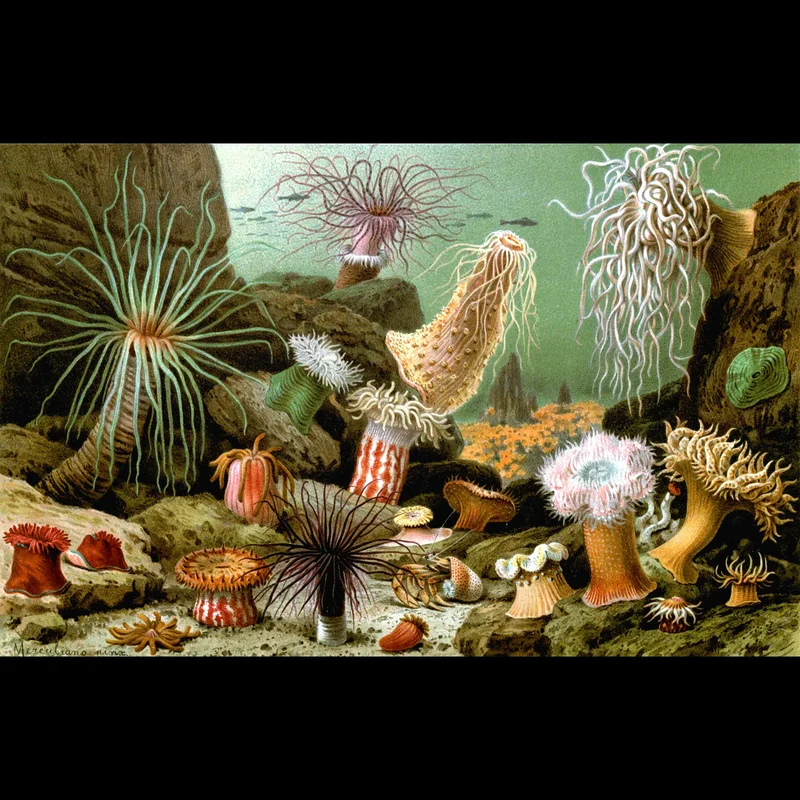
Divers can anticipate observing different species of hard and soft corals, anemones, and sponges adhering to the substrate. Small schooling fish often gather around the contours, using the reef for shelter from open water predators.
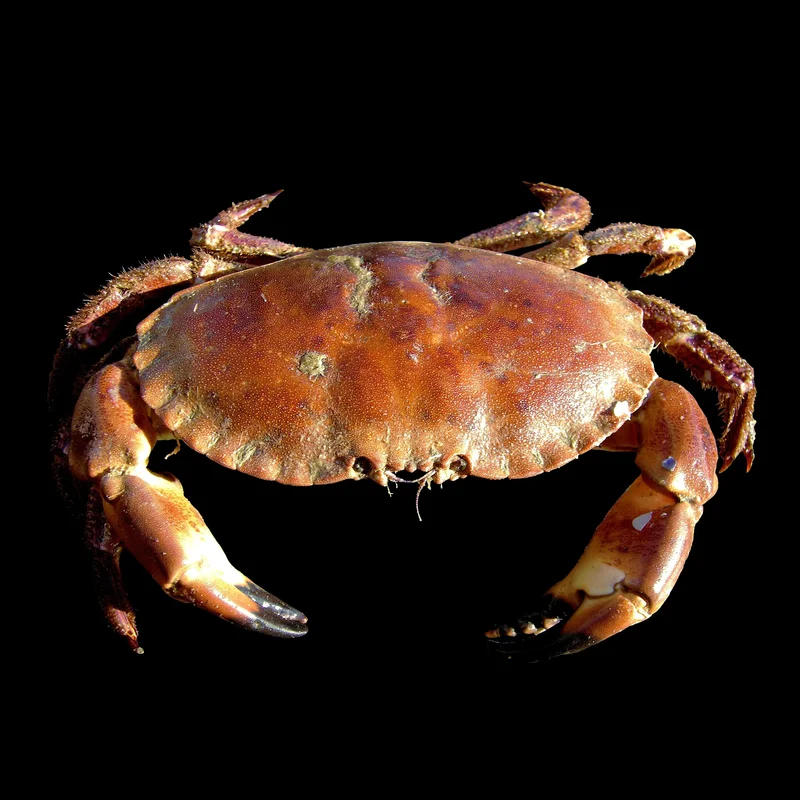
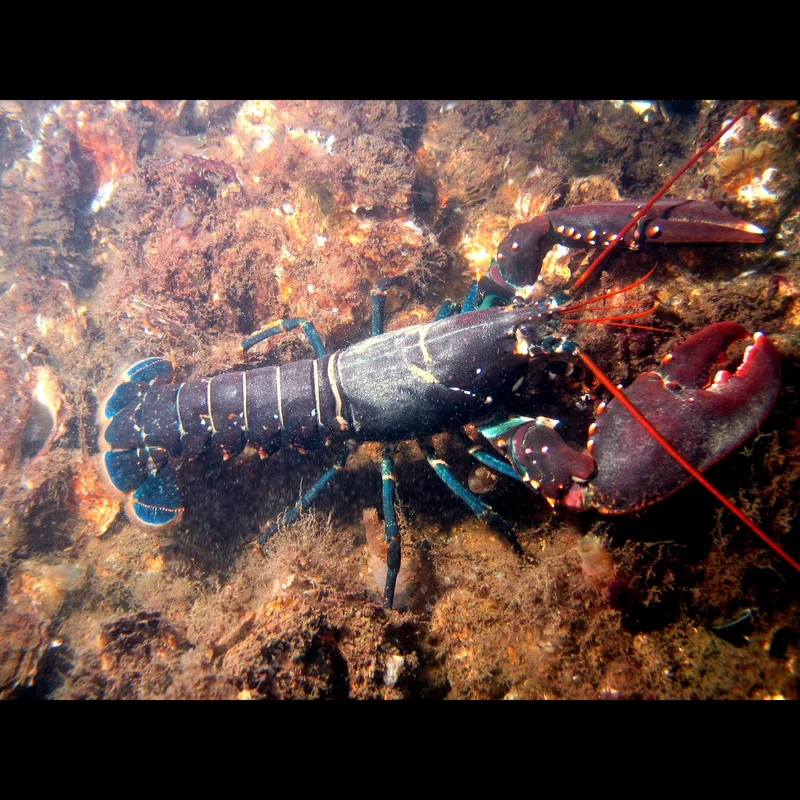
These varied habitats also provide excellent opportunities to spot various crustaceans, such as crabs and lobsters, tucked into crevices. Larger pelagic species may occasionally pass by, drawn to the concentration of prey.
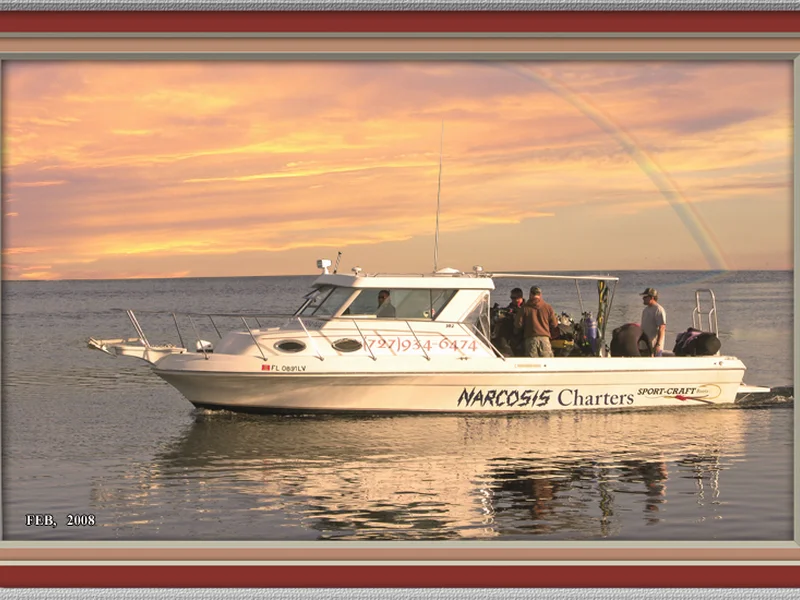
Dive Centers Near Rube Allyn Reef
Today: 10:00 - 17:00
Nearest Airports
Nearest airports to help plan travel to this dive area.
Search Flights
Check available flights and routes on Expedia, using the nearby airports listed in this section.
Search Flights on Expedia
Plan Your Stay
Looking for a place to stay for your dive trip? Explore hotels, stays, and vacation rentals for dive groups near Belleair Beach.
Dive Navigator may earn a commission from these links at no extra cost to you.
Frequently Asked Questions
What types of structures form Rube Allyn Reef?
The reef is composed of various intentionally submerged materials designed to create marine habitats. These can include concrete culverts, limestone rockpiles, and sometimes sections of retired vessels, though the exact composition varies.
Is Rube Allyn Reef suitable for beginner divers?
Many parts of the reef are within recreational depth limits, making it accessible for certified open water divers. However, conditions such as currents and visibility can vary, so beginners should assess conditions carefully and dive with an experienced guide.
What is the typical depth range at Rube Allyn Reef?
The reef spans a range of depths suitable for recreational diving. Divers typically explore from shallower areas down to a maximum depth of around 30 m (100 ft).
How are the currents at Rube Allyn Reef?
Current conditions at the reef are not consistently reported and can vary depending on tides and weather. Divers should be prepared for potential shifts in flow and plan their dive accordingly.
What kind of visibility can I expect?
Visibility often depends on recent weather and water conditions, including rainfall and wave action. Generally, calmer periods and less rain lead to better underwater clarity.
Are there specific marine life to look for on the reef?
As an artificial reef, it attracts a diverse range of marine organisms, though specific species lists are not consistently available. Expect to see various encrusting life, schooling fish, and possibly crustaceans utilizing the structures for shelter.
Is special equipment needed for diving Rube Allyn Reef?
While standard dive gear is sufficient, carrying a dive knife or cutting tool is highly recommended due to potential entanglement risks. A surface marker buoy (SMB) is also advisable for surface safety and signaling.
Planning to dive Rube Allyn Reef?
Send one inquiry and receive offers directly from the best verified local dive operators.
Conditions are Good
Optimal conditions expected
Current conditions near Rube Allyn Reef show 28° air, 31° sea temperature, 0.5 m waves, and 32 km/h wind. Forecast data is refreshed regularly to ensure accuracy.