
Diving at Rube Allyn Reef (United States)
Rube Allyn Reef was established as an artificial reef, part of broader initiatives to enhance marine habitat and support local ecosystems. Designed to provide structure for marine life in areas with naturally less complex seafloors, its creation aimed to foster biodiversity. This reef contributes to the region's underwater environment by offering new spaces for fish aggregation and coral growth. Its development marks a deliberate effort to augment the natural underwater landscape.
Tonight's objective overview for Rube Allyn Reef shows an air temperature of 25.5°C. The measured surface conditions include wave heights around 0.6 m. This environmental data is logged for the close of the day.
Dive Site Location & Key Facts
Dive Site Overview
Rube Allyn Reef's structure is characteristic of many artificial reef sites, composed of various materials strategically placed to create diverse habitats. While specific components are not consistently reported, artificial reefs typically incorporate a mix of stable, non-toxic materials, forming a series of nooks, crannies, and larger structures.
Collectively, these elements offer shelter and foraging grounds for aquatic species, transforming an otherwise flat seabed into a vibrant underwater landscape. Exploring the contours and crevices of these constructed features is often involved, allowing divers to observe the ongoing process of marine colonization. Expect to navigate around and through different sized components, each attracting its own micro-ecosystem.
Its overall layout encourages exploration, with depths generally falling within typical recreational ranges, ensuring accessibility for certified divers. Observing how marine life adapts to and thrives on these man-made structures is a core aspect of the dive experience.
Conditions are Good
Optimal conditions expected
Current conditions near Rube Allyn Reef show 26° air, 30° sea temperature, 0.4 m waves, and 29 km/h wind. Forecast data is refreshed regularly to ensure accuracy.
Best Time to Dive
Visibility at Rube Allyn Reef varies depending on several factors, making timing crucial for optimal dive conditions. Periods of calm weather, with minimal rainfall and stable currents, typically offer the clearest underwater views. Heavy rainfall or increased wave action can stir up sediment, reducing visibility significantly. Given the limited available data on specific climate averages for the immediate vicinity, divers should consult local weather forecasts and dive operator reports for the most current conditions. Water temperatures are not consistently reported, but they fluctuate seasonally. Planning a dive during periods known for calmer seas in the region will generally yield a more enjoyable experience, allowing for better appreciation of the reef's structure and its resident marine life. This helps ensure good light penetration and an unobstructed view of the reef.
PEAK SEASON SCORE
Scores combine air & water temps, waves, wind & rainfall for overall conditions.
BEST MONTHS TO DIVE
Monthly records compiled from satellite and marine observation nodes over the last 3 years. Data provided by Open-Meteo and MET Norway.
Dive Experience & Conditions
Descending onto Rube Allyn Reef immerses divers into a landscape where man-made structures have become part of a thriving marine community. The sensation is one of discovery, as you explore various surfaces that have been colonized by encrusting organisms and visited by numerous fish. Currents here are not consistently reported; however, divers should anticipate conditions that vary with tidal flows and regional weather patterns. This can range from minimal movement, allowing for leisurely exploration, to stronger pushes that require more active finning. Water temperatures shift throughout the year, so appropriate thermal protection is always a consideration. Visibility, as with many coastal artificial reefs, can range from excellent to moderate, influenced by recent weather and water movement. It's a dynamic environment, offering a different experience depending on the prevailing conditions of the day.
Dive Difficulty & Safety Guidelines
Diving at Rube Allyn Reef requires adherence to standard safety protocols and an awareness specific to artificial environments. Due to the constructed nature of the reef, divers should be mindful of potential entanglement hazards from fishing lines that might snag on structures or any exposed sharp edges. Maintaining neutral buoyancy is crucial to avoid contact with the reef and prevent accidental damage to both yourself and the delicate organisms colonizing the site.
While penetration opportunities are not consistently reported for this specific reef, divers must only enter overhead environments if properly trained and equipped for such advanced diving. Always dive within your certification limits and ensure you are familiar with emergency procedures. Understanding local current patterns before entry is also essential for a safe dive.
Recommended Equipment
- Dive Computer
This gear list is based on verified equipment signals for Rube Allyn Reef, United States. Always confirm final gear choices with your dive operator, guide, or liveaboard.
Recommended Dive Suit
Experienced divers often bring flexible gear options.
The water around Rube Allyn Reef is currently holding at approximately 30°C (87°F), setting the tone for today's dives. Surface air temperatures are resting at 26°C (78°F). Divers who spend longer periods underwater often choose dive skin or rash guard. A hood or vest is suggested for sensitive divers due to surface winds.
Current forecasts indicate relatively stable conditions for the coming days.
Emergency & Medical Support
Essential information to help you plan your dive trip to Rube Allyn Reef.

Hyperbaric chambers are a critical part of dive safety infrastructure. Availability varies significantly by region, and not all dive areas have immediate access.
Before diving, it's recommended to:
- confirm nearest medical facilities
- check emergency procedures with local dive operators
- ensure dive insurance covers evacuation if required
Divers Alert Network
Diving emergency assistance available through DAN World.
+1-919-684-9111- 24/7 emergency hotline
- Diving medical assistance
- Evacuation coordination
Emergency contacts are provided for reference. Always verify local emergency services before diving.
Marine Life at Rube Allyn Reef
Artificial reefs like Rube Allyn Reef serve as vital habitats, attracting a diverse range of marine life. While specific species counts aren't available, divers can anticipate observing various fish species seeking shelter and foraging opportunities within the complex structures.
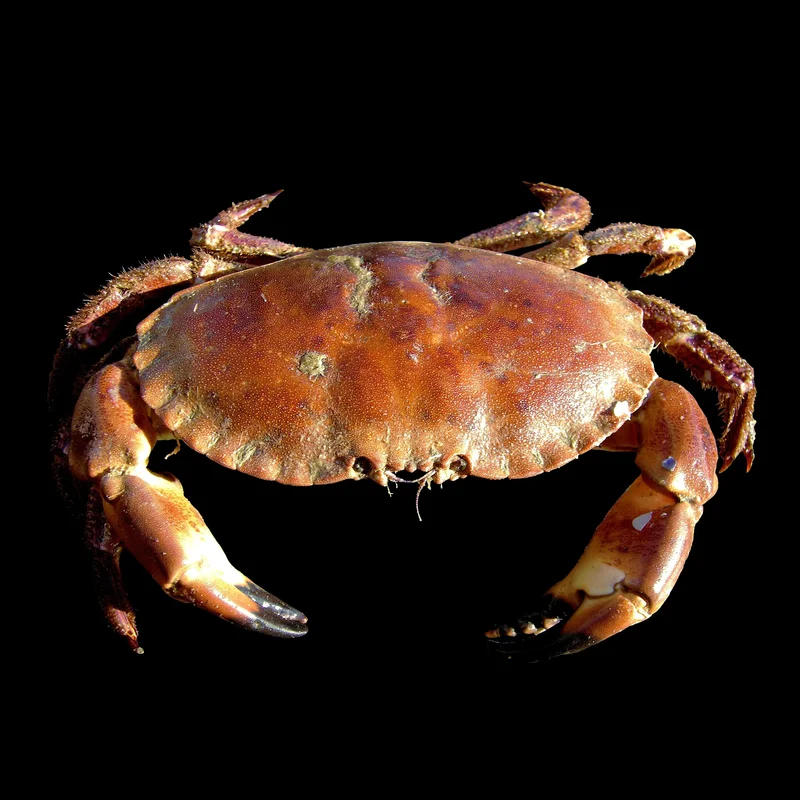
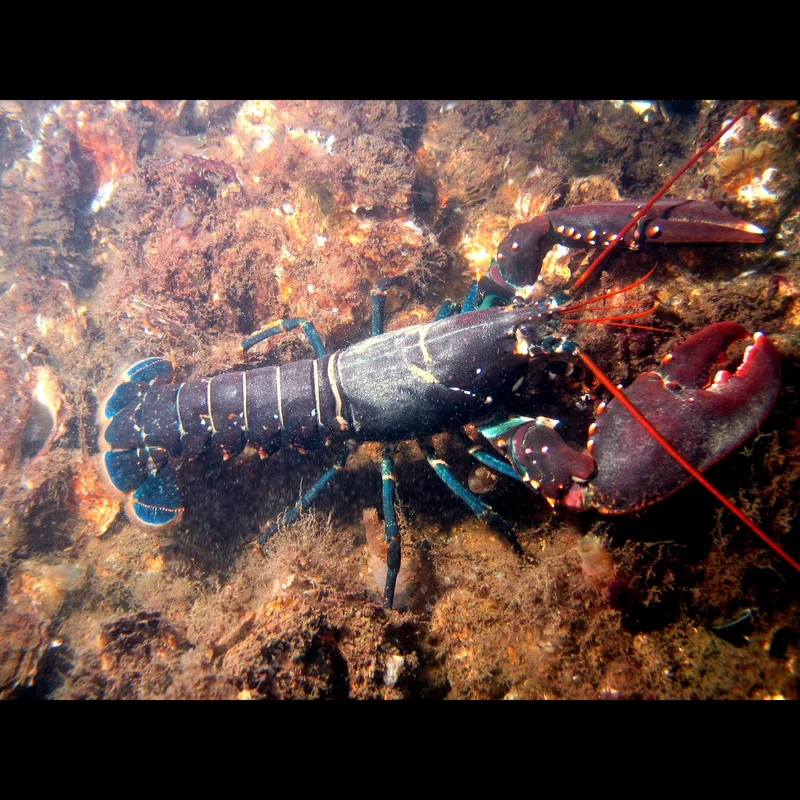
Invertebrates such as crabs, lobsters, and a multitude of smaller organisms often colonize the surfaces of the reef materials. Over time, some artificial reefs can foster the growth of soft corals and sponges, adding color and further enhancing the biological diversity.
This site is designed to support and increase the local marine population, providing a valuable ecosystem service for the region.
Dive Centers Near Rube Allyn Reef
Today: 11:00 - 19:00
Nearest Airports
Nearest airports to help plan travel to this dive area.
Search Flights
Check available flights and routes on Expedia, using the nearby airports listed in this section.
Search Flights on Expedia
Plan Your Stay
Looking for a place to stay for your dive trip? Explore hotels, stays, and vacation rentals for dive groups near Belleair Beach.
Dive Navigator may earn a commission from these links at no extra cost to you.
Frequently Asked Questions
What is Rube Allyn Reef?
Rube Allyn Reef is an artificial reef specifically deployed to create marine habitat and enhance biodiversity. It provides structure and shelter for various aquatic species where natural reefs might be absent or scarce.
What kind of diving can I expect at Rube Allyn Reef?
Divers can expect to explore a landscape of submerged structures that have become colonized by marine life. It typically offers opportunities for observation of fish and invertebrates, with varying visibility and potential currents depending on conditions.
What are the typical depths at Rube Allyn Reef?
While precise depths are not consistently reported, Rube Allyn Reef is generally considered to be within recreational dive limits. Divers can expect to find structures spanning from shallower to deeper sections of the site.
Are there strong currents at the reef?
Currents at Rube Allyn Reef are not consistently reported and can vary significantly. Factors like tides and local weather patterns will influence current strength, so checking local conditions before diving is advisable.
What marine life might I encounter?
As an artificial reef, Rube Allyn Reef attracts various fish species seeking shelter and food. You might also observe different invertebrates such as crabs, lobsters, and numerous smaller organisms colonizing the reef's surfaces.
Is Rube Allyn Reef suitable for beginner divers?
Suitability for beginners depends heavily on current conditions. While typically within recreational depth limits, varying currents and visibility may present challenges. Beginners should dive with experienced guides and assess conditions carefully.
Planning to dive Rube Allyn Reef?
Send one inquiry and receive offers directly from the best verified local dive operators.
Conditions are Good
Optimal conditions expected
Current conditions near Rube Allyn Reef show 26° air, 30° sea temperature, 0.4 m waves, and 29 km/h wind. Forecast data is refreshed regularly to ensure accuracy.