
Diving at Rube Allyn Reef (United States)
A tangible sense of purpose pervades Rube Allyn Reef. Here, submerged structures cultivate a vibrant ecosystem, inviting divers into a constructed underwater world. Its foundations anchor a diverse community, offering an observable blend of the natural and the engineered. It presents a distinctive exploration experience for those interested in coastal conservation and marine habitat development.
Midday environmental data at Rube Allyn Reef reports an ambient temperature of 26°C. Surface tracking indicates wave heights of approximately 0.3 m. This summarizes the present water and weather conditions.
Dive Site Location & Key Facts
Dive Site Overview
Rube Allyn Reef, initiated as an artificial reef, represents a deliberate effort to enhance marine habitats and provide opportunities for diver exploration. Its construction aims to create complex structures that foster the growth of diverse marine life, transforming an otherwise barren seafloor into a thriving ecosystem.
The site typically accommodates recreational divers, with depths generally falling within the 10-30 m (33-100 ft) range, making it accessible to various certification levels. Such artificial reefs play a crucial role in providing shelter and feeding grounds for fish and invertebrates, contributing significantly to local biodiversity. Planning a dive here means engaging with an environment that actively supports marine conservation efforts, while also offering varied underwater landscapes to navigate.
It's a testament to how human intervention can positively influence the underwater world, offering both an educational and a visually engaging dive.
Conditions are Good
Optimal conditions expected
Current conditions near Rube Allyn Reef show 26° air, 30° sea temperature, 0.3 m waves, and 20 km/h wind. Forecast data is refreshed regularly to ensure accuracy.
Best Time to Dive
Optimizing a dive experience at Rube Allyn Reef often means considering the seasonal shifts in conditions. Periods from February through July, and then again from November to December, generally offer 'Good' dive scores, peaking in months like February, March, May, July, and November-December. During the summer months, particularly July and August, air temperatures are at their warmest, averaging around 28.5°C (83°F) to 29°C (84°F). Warmer air temperatures are often accompanied by the lowest average wave heights, around 0.5-0.7 m (1.6-2.3 ft), suggesting calmer surface conditions. However, August can also see increased rainfall, averaging 8.02 mm (0.32 inches). Conversely, winter months, such as January, present cooler air temperatures, averaging 14.5°C (58°F), alongside higher average wave heights of 1.1 m (3.6 ft), which might impact comfort and boat trips. Water temperature data is not consistently reported for this specific location, so divers should prepare for variable thermal conditions based on the season, leaning towards a full wetsuit for comfort outside peak summer. Less rain is expected in November, averaging 1 mm (0.04 inches), often contributing to better overall conditions.
PEAK SEASON SCORE
Scores combine air & water temps, waves, wind & rainfall for overall conditions.
BEST MONTHS TO DIVE
Monthly records compiled from satellite and marine observation nodes over the last 3 years. Data provided by Open-Meteo and MET Norway.
Dive Experience & Conditions
Rube Allyn Reef's underwater conditions are shaped by its artificial structures, creating a complex habitat. While specific depth profiles are not consistently reported, artificial reefs often feature a varied topography, with shallower sections giving way to deeper areas. Divers can anticipate navigating around and through these structures, which may present overhangs or small crevices. Currents here vary depending on local weather patterns and tides, but generally, divers should be prepared for mild to moderate flow, especially in deeper sections or around prominent structures. Visibility also fluctuates, influenced by local sedimentation and prevailing weather. It's prudent to expect a range of visibility, from clear conditions to more limited views, depending on recent rain or wave action. The dive experience centers on observing marine life adapting to and thriving within this constructed environment; artificial structures themselves offer points of interest and navigation.
Dive Difficulty & Safety Guidelines
Approaching any artificial reef like Rube Allyn Reef requires adherence to standard safe diving practices. Always dive with a buddy, and maintain awareness of your surroundings, especially regarding overhead environments or potential entanglement points that can occur with man-made structures. It's an expert tip to maintain neutral buoyancy consistently; this protects the delicate marine growth on the structures and reduces disturbance to the inhabitants.
Be mindful of potential currents, which may increase in strength or change direction without warning. Planning your dive within your certification limits and closely monitoring your bottom time and air supply are essential.
Always conduct a thorough pre-dive check of your equipment. While specific hazards are not reported, general vigilance for any fishing lines or debris, common on popular sites, is always advisable. Don't touch or remove anything from the reef, preserving it for future divers.
Recommended Equipment
- Dive Computer
This gear list is based on verified equipment signals for Rube Allyn Reef, United States. Always confirm final gear choices with your dive operator, guide, or liveaboard.
Recommended Dive Suit
With water temperatures around 30°C (87°F), many divers find a dive skin or rash guard provides comfortable protection.
Local conditions can vary slightly across different parts of the same dive site.
Conditions are expected to stay fairly consistent in the days ahead.
Due to technical issues with our weather providers, live updates are temporarily delayed. The data above reflects the conditions at the time of the last successful fetch.
Emergency & Medical Support
Essential information to help you plan your dive trip to Rube Allyn Reef.

Hyperbaric chambers are a critical part of dive safety infrastructure. Availability varies significantly by region, and not all dive areas have immediate access.
Before diving, it's recommended to:
- confirm nearest medical facilities
- check emergency procedures with local dive operators
- ensure dive insurance covers evacuation if required
Divers Alert Network
Diving emergency assistance available through DAN World.
+1-919-684-9111- 24/7 emergency hotline
- Diving medical assistance
- Evacuation coordination
Emergency contacts are provided for reference. Always verify local emergency services before diving.
Marine Life at Rube Allyn Reef
Artificial structures at Rube Allyn Reef act as magnets for marine life. Divers exploring this site can anticipate encountering a variety of fish species, ranging from smaller reef fish seeking shelter among the structures to larger pelagics passing through.
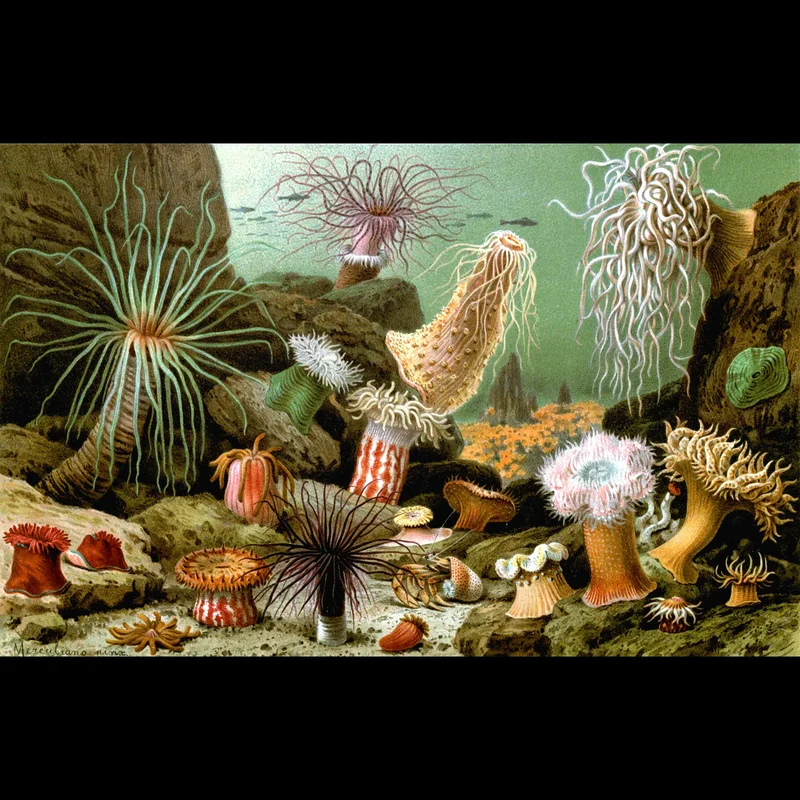
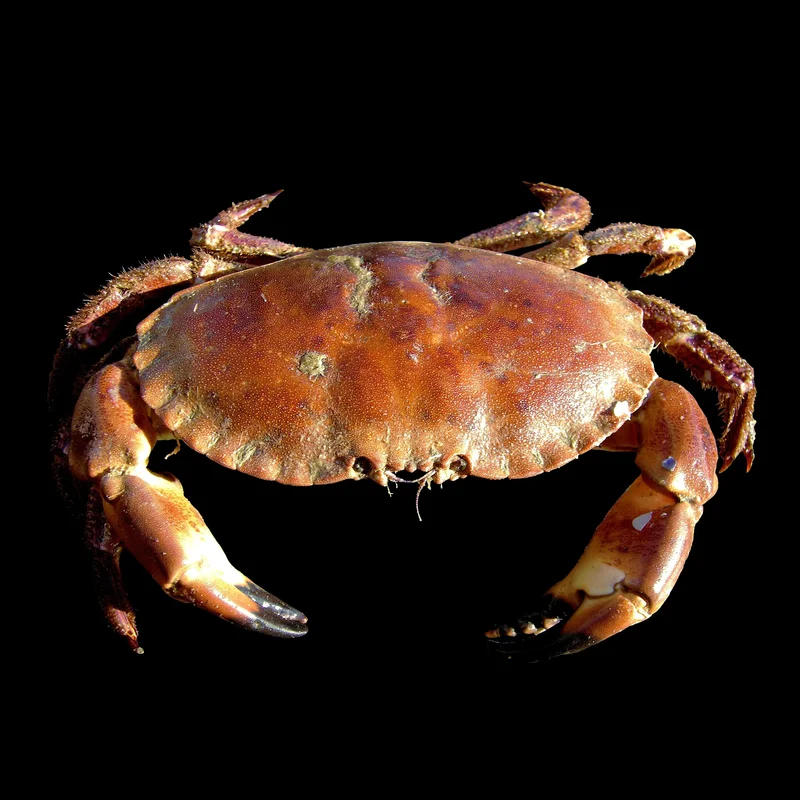
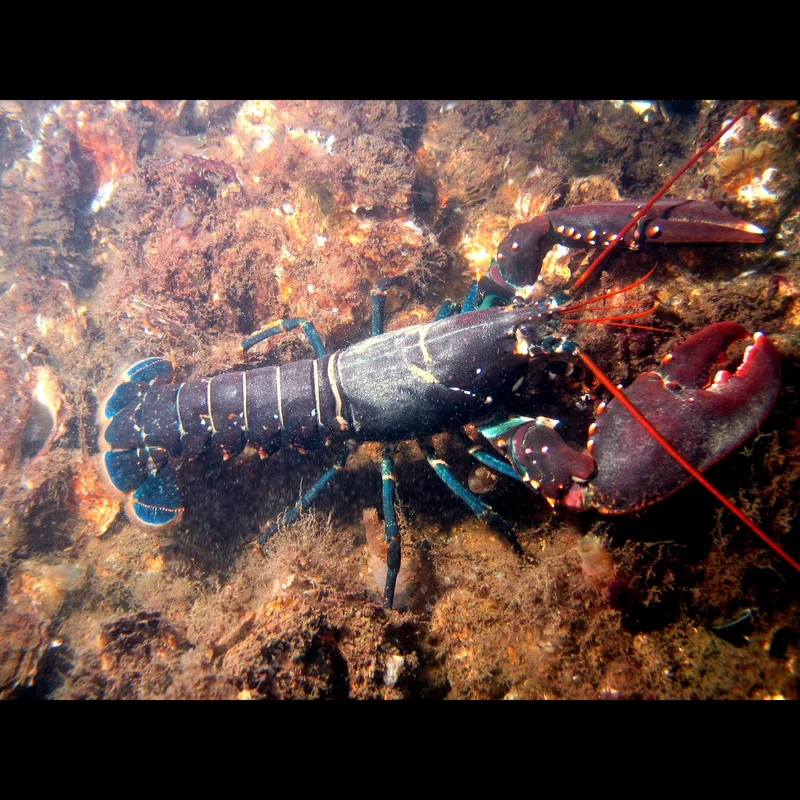
Complex surfaces also provide ideal substrates for a diverse array of invertebrates, including various corals, sponges, and anemones, which gradually colonize the reef. Keep an eye out for crustaceans like crabs and lobsters, often found tucked away in crevices.
Development of such a robust ecosystem underscores the reef's success in cultivating a thriving underwater community.
Dive Centers Near Rube Allyn Reef
Today: Closed
Nearest Airports
Nearest airports to help plan travel to this dive area.
Search Flights
Check available flights and routes on Expedia, using the nearby airports listed in this section.
Search Flights on Expedia
Plan Your Stay
Looking for a place to stay for your dive trip? Explore hotels, stays, and vacation rentals for dive groups near Belleair Beach.
Dive Navigator may earn a commission from these links at no extra cost to you.
Frequently Asked Questions
What kind of dive site is Rube Allyn Reef?
Rube Allyn Reef is an artificial reef, purposefully constructed to create new marine habitats and offer engaging underwater exploration opportunities for divers. It serves as a foundation for diverse marine life to flourish.
What are the typical depths at Rube Allyn Reef?
Generally, the reef falls within recreational diving limits, with depths from 10 to 30 m (33 to 100 ft). These depths accommodate a broad range of certified divers.
What marine life can be observed at the reef?
Artificial structures attract and host a variety of invertebrates, including corals, sponges, and crustaceans, all contributing to a vibrant ecosystem. Divers also encounter various fish species, from resident reef fish to occasional pelagics.
When is the best time to dive Rube Allyn Reef?
Optimal dive periods generally span from February through July, and again from November to December. These months often receive 'Good' dive scores. Summer months offer warmer air temperatures and calmer seas, though with a chance of more rain.
Are strong currents common at Rube Allyn Reef?
Currents at the reef can vary depending on tidal conditions and recent weather. Divers should anticipate the potential for mild to moderate currents and plan their dives accordingly, staying aware of their positioning relative to the structures.
Is special equipment needed for this dive?
A full wetsuit is recommended due to varying water temperatures, which are not consistently reported. Additionally, a dive light will significantly enhance your experience by illuminating hidden corners and marine life within the artificial structures.
How is visibility typically at the reef?
Visibility at Rube Allyn Reef can fluctuate, influenced by factors such as local weather, recent rainfall, and wave action. Divers should be prepared for conditions that range from excellent to more limited, depending on the day.
Planning to dive Rube Allyn Reef?
Send one inquiry and receive offers directly from the best verified local dive operators.
Conditions are Good
Optimal conditions expected
Current conditions near Rube Allyn Reef show 26° air, 30° sea temperature, 0.3 m waves, and 20 km/h wind. Forecast data is refreshed regularly to ensure accuracy.