
Diving at Rube Allyn Reef Site 8(1)-Load #2 (United States)
Divers approaching Rube Allyn Reef, an artificial reef system in Pinellas County, should be comfortable with open water conditions and confident in their buoyancy control. The site is generally accessible for certified recreational divers, though conditions can vary. Thorough pre-dive planning, including a review of current forecasts, contributes to a successful and enjoyable experience at this constructed habitat.
Evening condition tracking at Rube Allyn Reef Site 8(1)-Load #2 features an air temperature of 26°C. We have recorded wave heights measuring 0.5 m during this period. These figures outline the environmental parameters currently present.
Dive Site Location & Key Facts
Dive Site Overview
Rube Allyn Reef Site 8(1)-Load #2 features a constructed underwater habitat, strategically designed to enrich local marine ecosystems. These artificial structures serve a vital role, attracting and sustaining a variety of marine life by providing essential shelter and a stable substrate for growth.
Divers exploring this site will typically operate within standard recreational depth limits, often finding formations extending to depths around 20-30 m (65-100 ft). The reef's profile ranges from shallower sections, ideal for extended bottom times, to deeper areas where larger species may be encountered. While specific blueprints or exact component details are not consistently reported, explorers can expect a diverse array of artificial materials.
These can include a mix of concrete modules, rubble, or even larger discarded structures, all contributing to a complex, established habitat. Such varied topography creates numerous nooks, ledges, and crevices, perfect for smaller fish and invertebrates seeking refuge.
Observing the ongoing process of marine colonization on these man-made elements is a core part of the experience here. The primary objective behind this placement remains clear: to foster a thriving, enriched underwater environment for both organisms and divers.
Conditions are Good
Optimal conditions expected
Current conditions near Rube Allyn Reef Site 8(1)-Load #2 show 26° air, 30° sea temperature, 0.4 m waves, and 29 km/h wind. Forecast data is refreshed regularly to ensure accuracy.
Best Time to Dive
The prime window for diving at Rube Allyn Reef generally spans from late spring through early winter, offering favorable surface conditions. During these months, average air temperatures range from 22.5°C (72°F) in April up to 29°C (84°F) in August. Rainfall is typically lower in April and November, with just 1.26 mm and 1.00 mm respectively, although August can see higher amounts up to 8.02 mm. Water temperature data is not consistently reported for this site; however, periods with lower average wave heights (e.g., July at 0.5 m / 1.6 ft) and lighter winds (e.g., July at 21.3 kmh / 13.2 mph) often align with better diving opportunities, leading to good dive scores from February through November.
PEAK SEASON SCORE
Scores combine air & water temps, waves, wind & rainfall for overall conditions.
BEST MONTHS TO DIVE
Monthly records compiled from satellite and marine observation nodes over the last 3 years. Data provided by Open-Meteo and MET Norway.
Dive Experience & Conditions
Entering the water at Rube Allyn Reef, divers should anticipate conditions typical of artificial reef systems in the region. Visibility can vary, influenced by recent weather, currents, and tidal movements, but is often conducive to exploration. Currents at the site are not consistently reported but can be present and should be assessed on arrival. Without specific water temperature data, it's prudent to prepare for a range of thermal conditions, especially given the air temperature fluctuations across seasons. Expect formations to provide varied topography, with potential for ledges, crevices, and open areas suitable for navigating.
Dive Difficulty & Safety Guidelines
Successful diving at Rube Allyn Reef hinges on standard safety protocols and an understanding of artificial reef environments. Always dive with a buddy and maintain awareness of each other's location. Given the possibility of variable currents, divers should remain attentive to their surroundings and plan their dive profiles accordingly.
Maximum depths for this site are within recreational limits, and monitoring no-decompression limits is essential. Carrying a surface marker buoy (SMB) is a recommended practice for all open water dives, aiding surface visibility in case of drift.
No site-specific hazards are reported for Rube Allyn Reef, but general ocean awareness is always advised.
Recommended Equipment
- Dive Computer
This gear list is based on verified equipment signals for Rube Allyn Reef Site 8(1)-Load #2, United States. Always confirm final gear choices with your dive operator, guide, or liveaboard.
Recommended Dive Suit
Dive skin or rash guard usually provides adequate warmth in water around this temperature. Consider warmer surface protection (like a boat coat) due to brisk winds. For divers entering the water at Rube Allyn Reef Site 8(1)-Load #2, temperatures are currently hovering around 30°C (87°F). Surface air temperatures are resting at 26°C (79°F).
Environmental conditions are expected to remain consistent in the short-term outlook.
Conditions can vary slightly across different parts of the same dive site.
Emergency & Medical Support
Essential information to help you plan your dive trip to Rube Allyn Reef Site 8(1)-Load #2.

Hyperbaric chambers are a critical part of dive safety infrastructure. Availability varies significantly by region, and not all dive areas have immediate access.
Before diving, it's recommended to:
- confirm nearest medical facilities
- check emergency procedures with local dive operators
- ensure dive insurance covers evacuation if required
Divers Alert Network
Diving emergency assistance available through DAN World.
+1-919-684-9111- 24/7 emergency hotline
- Diving medical assistance
- Evacuation coordination
Emergency contacts are provided for reference. Always verify local emergency services before diving.
Marine Life at Rube Allyn Reef Site 8(1)-Load #2
As an artificial reef, Rube Allyn Reef serves as a foundational habitat, drawing a range of marine species that seek shelter and foraging opportunities on its structures. Expect to observe various juvenile fish, which often utilize the nooks and crannies of the reef for protection.
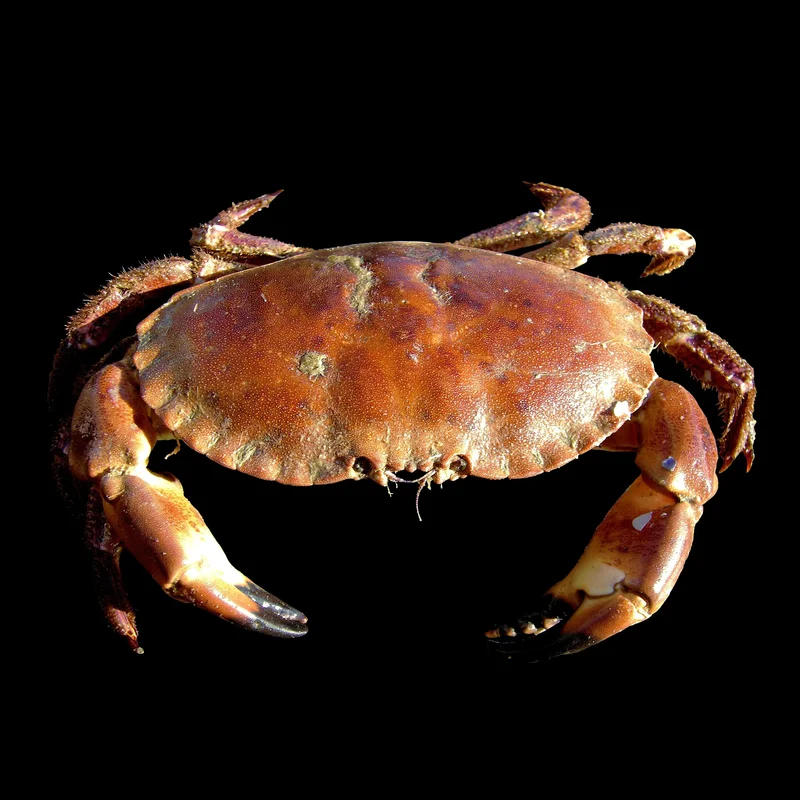
Invertebrates such as crabs and shrimp can be seen inhabiting the surfaces. Occasional pelagic visitors may also pass by the reef, particularly during times of good visibility and favorable currents.
Dive Centers Near Rube Allyn Reef Site 8(1)-Load #2
Today: 11:00 - 19:00
Nearest Airports
Nearest airports to help plan travel to this dive area.
Search Flights
Check available flights and routes on Expedia, using the nearby airports listed in this section.
Search Flights on Expedia
Plan Your Stay
Looking for a place to stay for your dive trip? Explore hotels, stays, and vacation rentals for dive groups near Belleair Beach.
Dive Navigator may earn a commission from these links at no extra cost to you.
Frequently Asked Questions
What kind of dive site is Rube Allyn Reef?
Rube Allyn Reef is an artificial reef system. It consists of constructed structures placed on the seafloor to create a habitat for marine life and enhance diving opportunities.
What is the typical depth at Rube Allyn Reef?
The specific maximum depth for Rube Allyn Reef Site 8(1)-Load #2 is not consistently reported. However, as a recreational artificial reef, dives are typically conducted within standard recreational diving limits, with features often extending from shallower to deeper sections.
What can divers expect regarding water temperature?
Specific water temperature data for Rube Allyn Reef is not consistently reported. Divers should consult local dive centers or recent dive reports closer to their planned dive date for the most accurate thermal conditions.
Are there strong currents at Rube Allyn Reef?
Information on typical current strength is not consistently reported for this specific site. It is always prudent for divers to assess currents upon arrival and throughout their dive, as conditions can change with tides and weather.
What marine life can be seen at the reef?
As an artificial reef, the site provides a habitat for various marine species. Divers typically encounter juvenile fish, numerous invertebrates, and potentially larger pelagic species that visit the reef structure.
What months offer the best diving conditions?
The period from February through November generally offers good surface conditions, with 'Good' dive scores reported. July often presents the calmest seas with the lowest average wave heights and wind speeds, making it a favorable time for diving.
Planning to dive Rube Allyn Reef Site 8(1)-Load #2?
Send one inquiry and receive offers directly from the best verified local dive operators.
Conditions are Good
Optimal conditions expected
Current conditions near Rube Allyn Reef Site 8(1)-Load #2 show 26° air, 30° sea temperature, 0.4 m waves, and 29 km/h wind. Forecast data is refreshed regularly to ensure accuracy.