
Diving at Shansky's Reef (United States)
Shansky's Reef likely presents a varied underwater topography, characteristic of reef systems in its region. While specific detailed mapping is not consistently reported, divers can anticipate potential formations that include ledges, rocky outcrops, and soft-bottomed areas. Its positioning is likely conducive to hosting a range of reef inhabitants, with depth profiles that would generally allow for recreational diving within standard limits.
Midday environmental data at Shansky's Reef reports an ambient temperature of 28°C. Surface tracking indicates wave heights of approximately 0.7 m. This summarizes the present water and weather conditions.
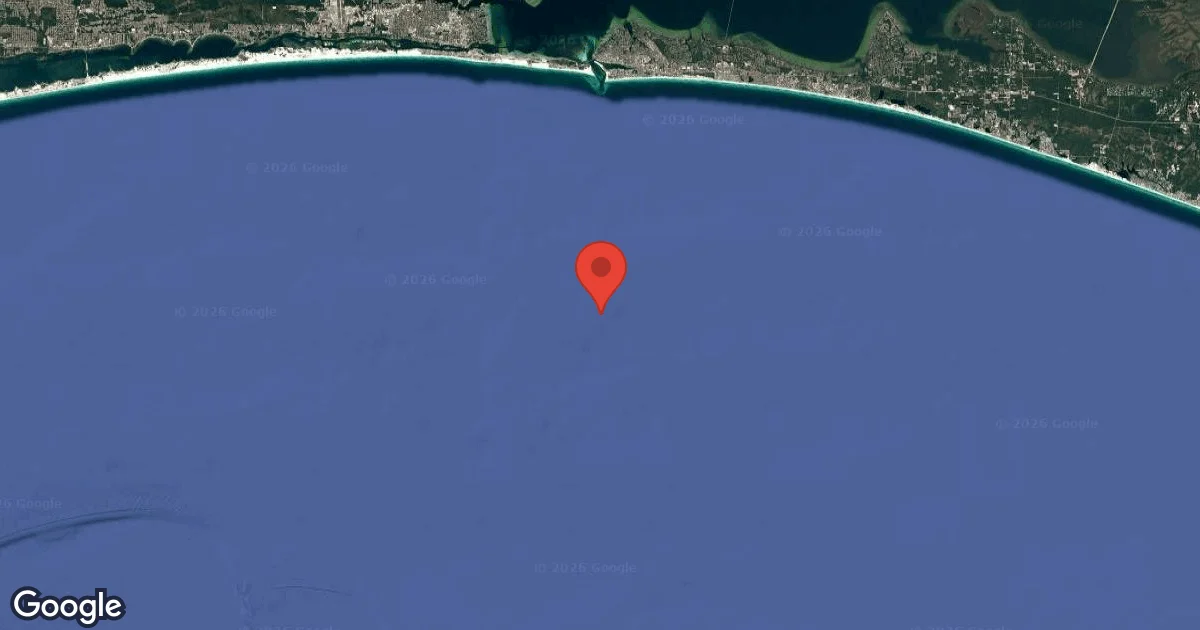
Dive Site Location & Key Facts
Dive Site Overview
Exploring Shansky's Reef promises an experience shaped by prevailing oceanic conditions, offering a dive into an environment whose specific features are not extensively documented. Divers approaching this site should plan for a flexible itinerary, as the exact allure of Shansky's Reef tends to reveal itself through careful observation.
Without detailed site-specific data, divers might expect to navigate reef structures that could range from gentle slopes to more pronounced formations. The overall experience here would typically involve drift diving or static observation depending on local currents. Engaging with local dive operations is advisable to gain the most current understanding of what to expect on any given day.
A typical dive profile here would allow for ample bottom time at recreational depths, though precise maximum depths are not consistently reported for this specific location. It's a place where patience and readiness for dynamic conditions contribute significantly to the dive's reward.
Conditions are Excellent
07:00 - 14:00
Optimal conditions expected
Current conditions near Shansky's Reef show 28° air, 30° sea temperature, 0.4 m waves, and 19 km/h wind. Forecast data is refreshed regularly to ensure accuracy.
Best Time to Dive
Planning a dive at Shansky's Reef is best considered during months with historically favorable conditions, notably from April through September. During this period, the overall dive score is typically rated 'Good,' correlating with milder air temperatures and generally lower wave heights. Air temperatures average between 21°C (70°F) in April and reaching highs around 29°C (84°F) in August, creating comfortable surface conditions. Rainfall is relatively light during these months, with April seeing approximately 2.76 mm and September experiencing around 6.97 mm. Conversely, the cooler months from October to March present 'Moderate' dive scores. Air temperatures drop to their lowest in January at about 13.5°C (56°F), and wave heights tend to be more pronounced, potentially affecting surface conditions and overall dive comfort. Water temperatures are not consistently reported, so checking local reports before a trip is prudent.
PEAK SEASON SCORE
Scores combine air & water temps, waves, wind & rainfall for overall conditions.
BEST MONTHS TO DIVE
Monthly records compiled from satellite and marine observation nodes over the last 3 years. Data provided by Open-Meteo and MET Norway.
Dive Experience & Conditions
Current dynamics at Shansky's Reef are not consistently reported, suggesting that conditions can vary significantly depending on local weather patterns, lunar cycles, and offshore influences. Divers should be prepared for potential moderate currents, especially in areas exposed to open ocean flow. Visibility, while not precisely quantified, typically fluctuates with prevailing weather, recent rainfall, and biological activity; clearer conditions are often found during calmer periods. Given the limited available data on specific underwater features, divers should maintain situational awareness regarding potential surge or unpredictable shifts in water movement. Water temperature data is not consistently reported for this specific location, therefore divers should consult with local dive operators for the most up-to-date information and consider appropriate thermal protection for varied conditions. Divers should possess skills to manage varying visibility and current, as is standard for many coastal reef environments.
Dive Difficulty & Safety Guidelines
Approaching any dive at Shansky's Reef requires adherence to general safe diving practices, as specific site-related hazards are not consistently documented. Divers should prioritize staying within their certification limits and strictly following no-decompression limits. Local guidance from experienced dive professionals is invaluable for understanding current conditions and any temporary advisories.
It's crucial to maintain proper buoyancy control to avoid contact with the reef structure, preserving the delicate ecosystem. Divers should always carry a surface marker buoy and familiarize themselves with local emergency procedures.
Given that environmental factors like surge or currents can vary, a conservative dive plan that accounts for potential changes in conditions is a sensible approach.
Recommended Equipment
- Dive Computer
This gear list is based on verified equipment signals for Shansky's Reef, United States. Always confirm final gear choices with your dive operator, guide, or liveaboard.
Recommended Dive Suit
Dive skin or rash guard usually provides adequate warmth in water around this temperature. A hood or vest is suggested for sensitive divers due to surface winds. Water conditions at Shansky's Reef are currently measured at approximately 30°C (86°F). Surface air temperatures are resting at 28°C (82°F).
Weather models currently point toward consistent diving conditions over the next several days.
Conditions can vary slightly across different parts of the same dive site.
Due to technical issues with our weather providers, live updates are temporarily delayed. The data above reflects the conditions at the time of the last successful fetch.
Emergency & Medical Support
Essential information to help you plan your dive trip to Shansky's Reef.

Hyperbaric chambers are a critical part of dive safety infrastructure. Availability varies significantly by region, and not all dive areas have immediate access.
Before diving, it's recommended to:
- confirm nearest medical facilities
- check emergency procedures with local dive operators
- ensure dive insurance covers evacuation if required
Divers Alert Network
Diving emergency assistance available through DAN World.
+1-919-684-9111- 24/7 emergency hotline
- Diving medical assistance
- Evacuation coordination
Emergency contacts are provided for reference. Always verify local emergency services before diving.
Marine Life at Shansky's Reef
Specific marine life highlights for Shansky's Reef are not extensively documented in available data. However, as a reef environment, it is expected to host a range of marine species typical of its geographical area.
Divers may encounter various reef fish species that inhabit rocky substrates and coral formations. Observing smaller macro life in crevices and along reef ledges is often possible, and larger pelagic species may pass through, though these sightings are less consistently reported.
The potential for encountering different types of crustaceans and mollusks within the reef's structure typically exists. This suggests a varied, though unquantified, biodiversity for attentive divers.
Dive Sites Near Shansky's Reef
View all dive sites in United StatesDiscover more underwater gems in this area.
Dive Centers Near Shansky's Reef
Today: 09:00 - 16:00

Nearest Airports
Nearest airports to help plan travel to this dive area.
Search Flights
Check available flights and routes on Expedia, using the nearby airports listed in this section.
Search Flights on ExpediaFrequently Asked Questions
What is the typical depth range at Shansky's Reef?
The specific depth ranges for Shansky's Reef are not consistently reported in available data. Most reef systems generally offer sections within recreational dive limits, often extending to 30 m (100 ft) or deeper in some areas, depending on the site's topography.
What kind of marine life can I expect to see?
Specific marine life highlights for Shansky's Reef are not widely documented. However, like many reef environments, it likely supports a variety of reef fish, invertebrates, and potentially some transient larger species. Observing local conditions is key to understanding what marine life is present during your visit.
Are there any known dive operators that visit Shansky's Reef?
Information regarding specific dive operators servicing Shansky's Reef is not consistently reported. It's recommended to consult local dive centers in the broader region for information on their tour offerings and site access.
What is the typical visibility at this dive site?
Visibility at Shansky's Reef can vary significantly depending on prevailing weather, currents, and recent rainfall. There is no consistently reported average visibility, so local conditions on the day of your dive will be the primary factor.
Is Shansky's Reef suitable for beginner divers?
Without specific site details, determining suitability for beginner divers is challenging. Generally, easier reef sections can accommodate less experienced divers, but conditions like currents or depth can increase the required skill level. Local guidance is essential to assess if it's appropriate for your experience.
What are the best months for diving at Shansky's Reef?
The period from April through September typically offers the most favorable diving conditions at Shansky's Reef. During these months, air temperatures are warmer, and average wave heights and rainfall are generally lower, contributing to a more pleasant dive experience.
What are the water temperatures like at Shansky's Reef?
Consistent water temperature data for Shansky's Reef is not available. Divers should always check with local dive operators immediately before their trip to obtain the most current water temperature readings and plan their thermal protection accordingly.
Planning to dive Shansky's Reef?
Send one inquiry and receive offers directly from the best verified local dive operators.
Conditions are Excellent
07:00 - 14:00
Optimal conditions expected
Current conditions near Shansky's Reef show 28° air, 30° sea temperature, 0.4 m waves, and 19 km/h wind. Forecast data is refreshed regularly to ensure accuracy.